The Cuban Missile Crisis occurred in October 1962 and represented a critical confrontation between the United States and the Soviet Union during the Cold War. The 13-day crisis began when American reconnaissance flights detected Soviet medium-range ballistic missiles under construction in Cuba, approximately 90 miles from the Florida coast. These missiles significantly reduced the warning time for a potential nuclear strike against the United States from 15 minutes to 2-3 minutes.
The crisis tested the decision-making capabilities of both President John F. Kennedy and Soviet Premier Nikita Khrushchev. Kennedy convened the Executive Committee of the National Security Council (ExComm) to evaluate response options, which ranged from diplomatic negotiations to military action, including airstrikes and invasion.
The administration ultimately chose a naval quarantine of Cuba to prevent further Soviet weapons shipments while pursuing diplomatic channels. During the crisis, both nations maintained their nuclear forces at heightened alert levels. The situation escalated when Soviet surface-to-air missiles shot down an American U-2 spy plane over Cuba on October 27, 1962.
The crisis concluded when Khrushchev agreed to remove the missiles from Cuba in exchange for a U.S. pledge not to invade Cuba and the secret removal of American Jupiter missiles from Turkey. The resolution established direct communication channels between Washington and Moscow and influenced subsequent nuclear arms control negotiations.
Key Takeaways
- The Cuban Missile Crisis marked a critical Cold War standoff with Soviet missiles discovered in Cuba.
- The U.S. responded with a naval blockade and intense diplomatic efforts to avoid nuclear conflict.
- Tensions escalated dangerously, including a false alarm that nearly triggered war.
- The crisis led to improved communication and protocols between the U.S. and Soviet Union.
- The event left a lasting legacy of fear and awareness about the catastrophic potential of nuclear weapons.
The Discovery of Soviet Missiles in Cuba
The discovery of Soviet missiles in Cuba was a pivotal moment that set the stage for the crisis. In mid-October 1962, American reconnaissance flights over Cuba revealed the construction of missile sites capable of launching nuclear weapons. This intelligence was alarming, as it indicated that the Soviet Union had established a significant military presence just a stone’s throw from U.
shores. The implications were profound; not only did it threaten American cities, but it also signaled a shift in the balance of power in the Western Hemisphere. The revelation sent shockwaves through Washington, D.C., prompting an emergency meeting of Kennedy’s National Security Council.
The administration was faced with a stark choice: how to respond to this provocative act without escalating tensions to the point of war. The discovery underscored the urgency of the situation and highlighted the need for decisive action. As Kennedy and his advisors deliberated, they understood that any misstep could lead to dire consequences, not just for the United States but for the entire world.
In response to the discovery of Soviet missiles in Cuba, President Kennedy opted for a naval blockade, which he referred to as a “quarantine.” This decision was aimed at preventing further shipments of military equipment to Cuba while avoiding direct military confrontation. The blockade was a calculated move designed to demonstrate U.S. resolve without provoking an immediate military response from the Soviets.
Kennedy’s choice reflected a careful balancing act between showing strength and seeking a diplomatic resolution. Simultaneously, diplomatic channels were opened to communicate with Soviet Premier Nikita Khrushchev. The U.S.
sought to convey its seriousness regarding the missile threat while also expressing a willingness to negotiate. This dual approach was crucial; it allowed Kennedy to maintain pressure on the Soviets while keeping lines of communication open. The world held its breath as both sides engaged in a tense standoff, with each day bringing new developments and heightened anxiety about what might come next.
Escalation of Tensions: Threats of Nuclear War
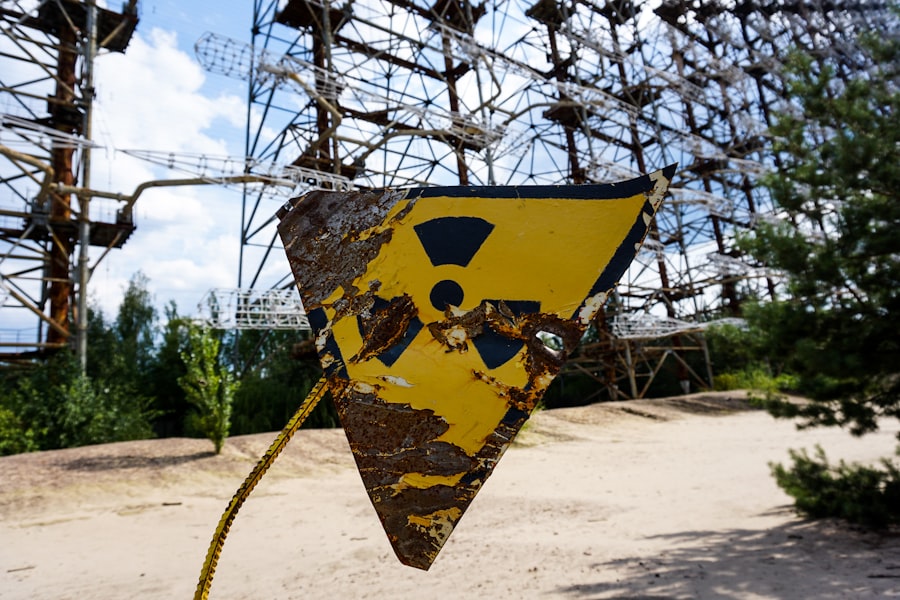
As the crisis unfolded, tensions escalated dramatically, with both superpowers on high alert. The U.S. military was placed on DEFCON 2, the highest state of readiness short of war, signaling that an armed conflict could erupt at any moment.
The atmosphere was charged with fear and uncertainty, as military leaders and politicians grappled with the potential consequences of a nuclear exchange. Public sentiment was equally fraught; Americans were acutely aware that their lives hung in the balance. Khrushchev’s response to the blockade was defiant, leading to a series of confrontational exchanges between Washington and Moscow.
The stakes could not have been higher; each side believed that any miscalculation could trigger an irreversible chain reaction leading to global catastrophe. As days passed without resolution, anxiety mounted, and many began to wonder if humanity was on the brink of annihilation.
The Close Call: A False Alarm
Amidst this high-stakes environment, a false alarm nearly led to disaster on October 27, 1962. A U.S. Air Force pilot mistakenly reported that he had been shot down over Cuba, prompting military leaders to consider retaliatory strikes against Soviet positions.
Simultaneously, Soviet submarines near Cuba were under orders to engage if attacked, creating a volatile situation where miscommunication could have dire consequences. Fortunately, cooler heads prevailed; key decision-makers recognized that this was likely a false alarm and chose not to escalate further. This incident served as a stark reminder of how close the world had come to nuclear war during those tense days.
It underscored the fragility of communication and decision-making processes during crises and highlighted how easily misunderstandings could spiral out of control. In retrospect, this close call became a pivotal moment in understanding the importance of clear communication and protocols in preventing future conflicts.
The resolution of the Cuban Missile Crisis marked a turning point in U.S.-Soviet relations, albeit one fraught with complexity. After intense negotiations, Khrushchev agreed to dismantle the missile sites in exchange for a U.S. pledge not to invade Cuba and a secret agreement to remove American missiles from Turkey.
This compromise brought an end to the immediate crisis but left lingering tensions between the two superpowers. In the aftermath, both nations recognized the need for improved communication to prevent similar crises in the future. The establishment of a direct hotline between Washington and Moscow became a symbol of this newfound commitment to dialogue.
While mistrust remained deeply entrenched, there was an acknowledgment that avoiding direct confrontation was essential for global stability. The lessons learned from this near miss would shape diplomatic strategies for years to come.
Lessons Learned: Improving Communication and Protocol
| Incident | Date | Location | Description | Potential Consequence |
|---|---|---|---|---|
| 1962 Cuban Missile Crisis | October 1962 | Cuba / United States | Discovery of Soviet nuclear missiles in Cuba led to a 13-day confrontation between the US and USSR. | Possible nuclear war between superpowers |
| 1961 Goldsboro B-52 Crash | January 24, 1961 | Goldsboro, North Carolina, USA | A B-52 bomber broke up mid-air, dropping two nuclear bombs; one nearly detonated. | Accidental nuclear explosion in the US |
| 1983 Soviet Nuclear False Alarm | September 26, 1983 | Soviet Union | Soviet early-warning system falsely detected incoming US missiles; officer Stanislav Petrov judged it a false alarm. | Potential retaliatory nuclear strike avoided |
| 1979 NORAD Computer Glitch | November 9, 1979 | North American Aerospace Defense Command (NORAD) | Computer error simulated a massive Soviet missile attack, nearly triggering US response. | Possible nuclear retaliation |
| 1960 U-2 Incident | May 1, 1960 | Soviet Union | US spy plane shot down over USSR, escalating tensions during Cold War. | Increased risk of military conflict |
The Cuban Missile Crisis served as a catalyst for significant changes in how both superpowers approached communication during times of tension. One of the most critical lessons learned was the importance of establishing clear lines of communication to prevent misunderstandings that could lead to catastrophic outcomes. The creation of the Washington-Moscow hotline allowed for direct communication between leaders, reducing the risk of misinterpretation during crises.
Additionally, both nations began to recognize the value of diplomacy over military action as a means of resolving conflicts. The crisis highlighted that while military readiness is essential, it should be complemented by robust diplomatic efforts aimed at de-escalation and negotiation. This shift in mindset laid the groundwork for future arms control agreements and diplomatic initiatives aimed at reducing nuclear arsenals and fostering greater cooperation between East and West.
The Legacy of the Cold War Near Miss
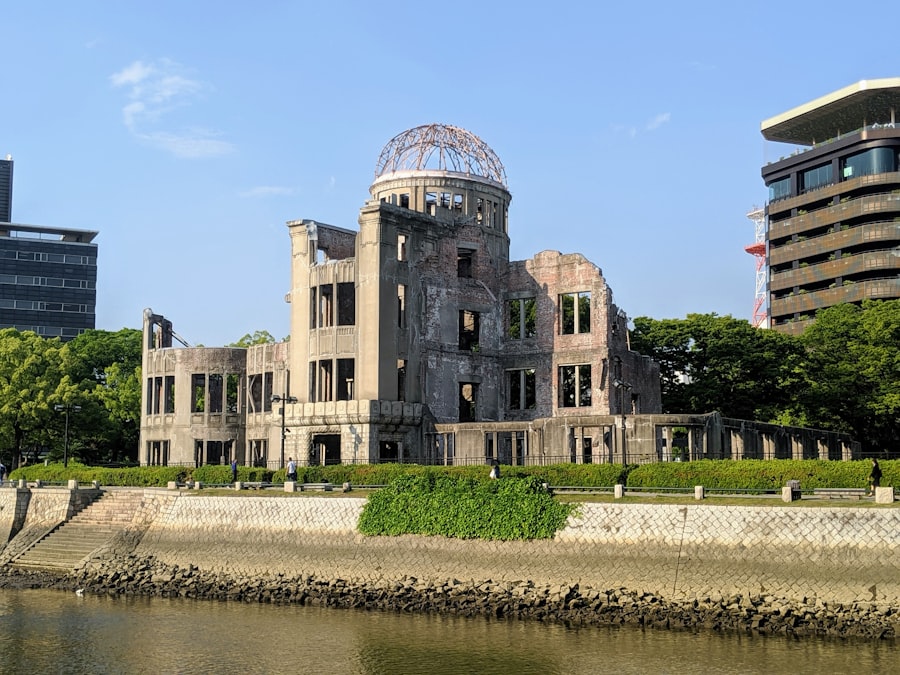
The legacy of the Cuban Missile Crisis extends far beyond its immediate resolution; it fundamentally altered how nations approached international relations during the Cold War era. The crisis underscored the dangers inherent in nuclear proliferation and prompted both superpowers to reconsider their strategies regarding nuclear weapons. In subsequent years, arms control agreements such as the Nuclear Non-Proliferation Treaty (NPT) emerged as efforts to curb nuclear arms races and promote disarmament.
Moreover, the crisis became a touchstone for discussions about nuclear strategy and deterrence theory. Scholars and policymakers analyzed its implications for future conflicts, emphasizing that understanding adversaries’ motivations and intentions is crucial for preventing escalation. The lessons learned from this near miss continue to resonate today as nations grapple with similar challenges in an increasingly multipolar world.
The Role of Nuclear Weapons in the Cold War
Nuclear weapons played a central role in shaping geopolitical dynamics during the Cold War, serving as both instruments of deterrence and sources of existential fear. The arms race between the United States and the Soviet Union led to unprecedented stockpiles of nuclear weapons, fundamentally altering military strategies and international relations. Each side sought to maintain a balance of power through deterrence, believing that possessing nuclear capabilities would prevent direct conflict.
However, this reliance on nuclear arsenals also created an atmosphere of paranoia and anxiety among populations worldwide. Citizens lived under constant threat, aware that any miscalculation or misunderstanding could lead to catastrophic consequences. The Cuban Missile Crisis epitomized this precarious balance; it illustrated how quickly tensions could escalate into potential disaster when nuclear weapons were involved.
The Psychological Toll of Living Under the Threat of Nuclear War
The psychological toll on individuals living under the specter of nuclear war during the Cold War cannot be overstated. Fear permeated daily life as citizens grappled with uncertainty about their safety and future. Public awareness campaigns about civil defense measures proliferated, with schools conducting drills on how to respond in case of an attack.
This pervasive anxiety shaped cultural narratives and influenced art, literature, and media during this tumultuous period. Moreover, this constant state of alertness had lasting effects on mental health across generations. Many individuals experienced heightened levels of stress and anxiety related to existential threats posed by nuclear weapons.
As families discussed these fears at home or encountered them in popular culture, they internalized a sense of vulnerability that would linger long after the Cold War ended.
The Enduring Fear of Nuclear Catastrophe
Even decades after the Cuban Missile Crisis, fears surrounding nuclear catastrophe remain relevant today. While significant strides have been made in arms control and disarmament efforts since then, geopolitical tensions continue to pose risks associated with nuclear proliferation. Nations such as North Korea have emerged as new focal points for concern, reminding global citizens that threats can evolve but never fully dissipate.
The legacy of fear instilled by events like the Cuban Missile Crisis continues to shape public discourse around nuclear weapons and international relations. Advocacy for disarmament remains vital as activists work tirelessly to raise awareness about potential dangers posed by nuclear arsenals worldwide. As history has shown, vigilance is essential; understanding past crises can inform present-day efforts aimed at preventing future conflicts and ensuring global security for generations to come.
The Cold War was marked by numerous tense moments that brought the world to the brink of nuclear disaster. One such incident, often referred to as a “nuclear near miss,” highlights the precarious nature of international relations during this period. For a deeper understanding of these critical events, you can read more in the article available at In the War Room, which explores various aspects of Cold War tensions and the potential for catastrophic miscalculations.
FAQs
What was the Cold War nuclear near miss?
The Cold War nuclear near miss refers to several incidents during the Cold War period when the United States and the Soviet Union came dangerously close to nuclear conflict due to misunderstandings, technical errors, or miscommunications.
When did the most notable Cold War nuclear near miss occur?
One of the most notable near misses occurred during the Cuban Missile Crisis in October 1962, when the U.S. and the Soviet Union were on the brink of nuclear war over Soviet missiles stationed in Cuba.
What caused these nuclear near misses during the Cold War?
Causes included false alarms from early warning systems, misinterpretation of military exercises, human error, and heightened tensions between the superpowers.
Were there any false alarms that nearly triggered nuclear war?
Yes, there were several false alarms, such as the 1983 Soviet early warning system incident where a satellite mistakenly reported incoming U.S. missiles, but the officer on duty, Stanislav Petrov, correctly identified it as a false alarm and prevented a potential retaliatory strike.
How did these near misses impact Cold War policies?
These incidents led to increased communication channels between the U.S. and the Soviet Union, such as the establishment of the Moscow–Washington hotline, and contributed to arms control agreements aimed at reducing the risk of accidental nuclear war.
What measures were taken to prevent future nuclear near misses?
Measures included improved early warning systems, better verification protocols, direct communication lines between leaders, and diplomatic efforts to reduce tensions and misunderstandings.
Did any nuclear near miss result in actual nuclear detonations?
No, none of the Cold War nuclear near misses resulted in actual nuclear detonations, but they highlighted the high risk of accidental war during that period.
Why is it important to study Cold War nuclear near misses today?
Studying these near misses helps understand the dangers of nuclear weapons, the importance of communication and verification, and informs current efforts to prevent nuclear conflict in a still nuclear-armed world.