
The escalating realities of climate change necessitate an examination of emergency powers as a potential recourse. This article explores the concept of “Climate Critical Intervention: Emergency Powers,” not as a readily available solution, but as a framework for considering drastic, legally sanctioned measures in the face of existential climate threats. It acknowledges the profound implications, both practical and ethical, of granting extraordinary authority to address environmental crises.
The notion of emergency powers is not novel. Throughout history, governments have invoked extraordinary measures to confront immediate threats, ranging from wartime invasions to widespread pandemics and natural disasters. Understanding these historical precedents provides a foundational context for considering their application in the climate context, while also highlighting the unique challenges posed by a diffuse, long-term threat such as climate change.
Wartime Mobilization and Resource Allocation
Historically, declarations of war have granted governments broad powers to commandeer resources, direct labor, and impose stringent regulations on the economy and civilian life. The mobilization required for a total war effort, characterized by centralized planning and the suspension of certain civil liberties for the sake of national security, offers a conceptual model for how a society might attempt to reorient itself towards climate survival.
The Economic Reorientation of World Wars
During World War II, for instance, nations shifted their industrial capacity from civilian production to military manufacturing. Rationing, price controls, and the redirection of labor were common. This demonstrated a capacity for rapid, large-scale societal transformation when faced with an existential threat. The application of such a model to climate change would involve a similar, albeit potentially more complex, redirection of economic activity towards decarbonization, adaptation, and resilience.
The Suspension of Normal Democratic Processes
In times of war, certain democratic processes, such as regular elections or the unfettered ability of opposition parties to challenge government decisions, have sometimes been curtailed. This raises significant concerns about the potential for abuse of power and the erosion of democratic norms when such measures are contemplated for climate action.
Public Health Crises and State Authority
The COVID-19 pandemic provides a more recent and perhaps more relevant analogy. Governments worldwide implemented measures such as lockdowns, travel restrictions, mandatory mask-wearing, and the allocation of vast resources to vaccine development and distribution. These actions, while disruptive and sometimes controversial, demonstrated the state’s capacity to act decisively, even intrusively, in response to a pressing public health emergency.
The Justification of Nuisance Abatement and Public Safety
Measures taken during pandemics often drew upon existing legal frameworks related to public health and safety, framing infectious disease as a public nuisance. Climate change, with its widespread and interconnected impacts, can also be framed as a profound threat to public health and safety, potentially justifying similar interventions.
The Balance Between Individual Liberties and Collective Well-being
The COVID-19 response highlighted the inherent tension between individual liberties and the collective imperative for public well-being. Debates over mask mandates, vaccine passports, and business closures underscored the difficulty in striking an acceptable balance. Applying this to climate interventions would involve navigating similarly contentious issues regarding the extent to which individual freedoms can be constrained for the sake of planetary survival.
In the ongoing discourse surrounding climate change and its urgent implications, the article on Climate Critical Intervention Emergency Powers provides a comprehensive analysis of the legal frameworks that governments can employ to address environmental crises effectively. This insightful piece highlights the necessity for swift action in the face of climate emergencies and examines the potential benefits and drawbacks of implementing such powers. For further exploration of this topic, you can read the article here: Climate Critical Intervention Emergency Powers.
Defining Climate Critical Intervention
“Climate Critical Intervention” refers to a hypothetical state of governance wherein extraordinary powers are invoked specifically to address imminent and catastrophic climate change impacts. This is not to be confused with standard policy responses, which operate within existing legal and political frameworks. Instead, it describes a scenario where the survival of human civilization or significant portions thereof is demonstrably at stake, necessitating a radical departure from business-as-usual.
The Threshold for Invoking Emergency Powers
A critical question is what constitutes a “climate critical” situation that would justify the invocation of emergency powers. This is not a matter of simple scientific consensus, which, while strong, may not always translate into a universally accepted political threshold for crisis.
Scientific Certainty vs. Political Acceptance
While scientific models can project future risks with increasing accuracy, actualizing those risks into a politically undeniable crisis requires a complex interplay of events, public perception, and governmental willingness to act outside conventional boundaries. What one government might deem a crisis, another might categorize as a severe challenge requiring incremental policy adjustments.
Identifying Irreversible Tipping Points
The invocation of emergency powers might be considered when there is a clear and present danger of crossing critical, irreversible climate tipping points. These are thresholds beyond which significant portions of the Earth’s systems could shift into a new, less hospitable state, with potentially catastrophic consequences for human societies. Identifying these points scientifically and then translating them into a clear trigger for emergency powers is a significant challenge.
The Scope and Nature of Interventions
If emergency powers were invoked, the nature of the interventions would likely be far-reaching. They could encompass a wide range of actions, from economic restructuring to resource management and even population relocation.
Mandated Decarbonization and Industrial Transformation
This would involve potentially forcing rapid and complete transitions away from fossil fuels, mandating the adoption of renewable energy technologies, and potentially shutting down entire industries deemed environmentally unsustainable. The economic and social disruption of such measures would be profound.
Resource Allocation and Management
Governments might assume control over critical resources, such as water, arable land, and energy, to ensure their equitable distribution and sustainable management in the face of scarcity and climate-induced stresses. This could involve nationalization or highly regulated allocation.
Infrastructure Adaptation and Resilience Measures
Significant investment and potentially coerced implementation of infrastructure designed to withstand extreme weather events, sea-level rise, and other climate impacts would be a priority. This might include managed retreat from vulnerable coastal areas.
International Cooperation and Enforcement
A global climate crisis would ideally necessitate global cooperation. However, the invocation of emergency powers within one nation could be complicated by the actions or inaction of others. Furthermore, the enforcement of internationally agreed-upon climate measures could become a point of contention.
Legal and Constitutional Challenges
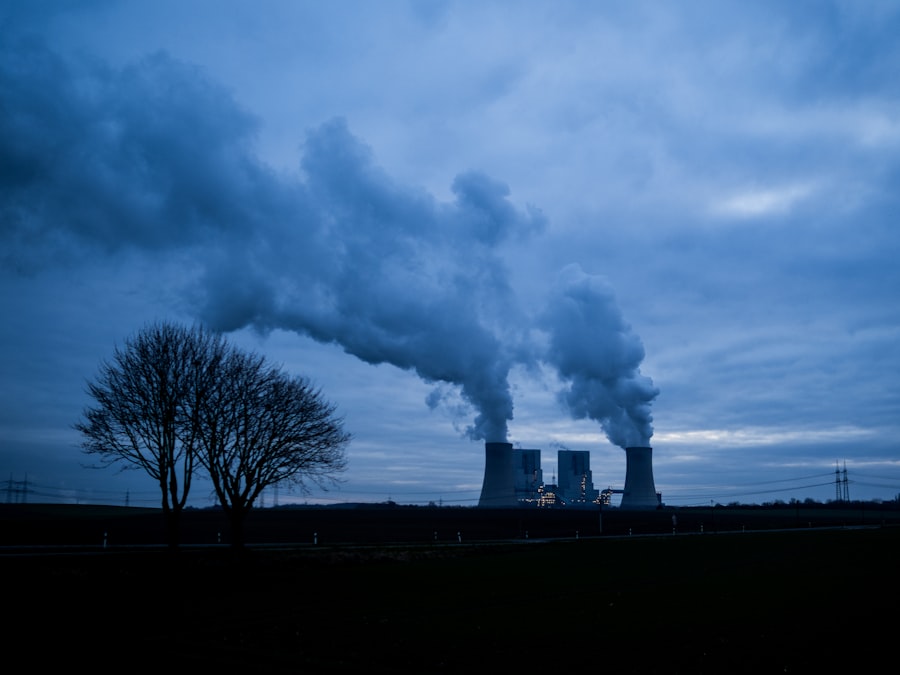
The implementation of climate emergency powers would face significant legal and constitutional hurdles within most democratic frameworks. These powers often exist in nascent forms, and their application to a diffuse, long-term threat like climate change would necessitate adaptation or even amendment of existing legal structures.
Sovereignty and Subsidiarity Principles
Many legal systems are built on principles of national sovereignty and the subsidiarity of governmental action, meaning that decisions should be made at the lowest effective level of government. Climate change, by its very nature, transcends national boundaries, potentially complicating the application of purely national emergency powers.
The Limits of National Authority in a Global Crisis
While nations can enact emergency measures within their borders, the effectiveness of these measures in addressing a global phenomenon like climate change is limited. International cooperation and coordinated action would be essential, but the legal frameworks for such cooperation under emergency conditions are largely untested.
Federal vs. Unitary State Dynamics
In federal systems, the division of powers between federal and regional governments would create additional layers of complexity. Determining which level of government possesses the authority to invoke and implement climate emergency powers would be a contentious legal and political issue.
Civil Liberties and Human Rights Protections
The most significant legal challenge would likely revolve around the potential suspension or infringement of civil liberties and human rights. Emergency powers, by their definition, often involve taking actions that would be impermissible under normal circumstances.
Freedom of Speech and Assembly in a Climate Crisis
Would freedom of speech be curtailed if it disseminated “climate disinformation” perceived as detrimental to emergency efforts? Would the right to assembly be restricted if it posed a risk of exacerbating climate vulnerabilities or hindering critical infrastructure projects?
Property Rights and Expropriation
The need for rapid decarbonization or adaptation might necessitate the expropriation of private property or the imposition of strict regulations on land use. This would inevitably clash with established property rights, requiring significant legal and compensation frameworks.
The Right to Due Process and Judicial Review
Emergency powers often bypass or limit normal due process. Ensuring that individuals and organizations have recourse to judicial review when their rights are impacted by emergency climate measures would be a critical concern for maintaining the rule of law.
Ethical and Societal Implications

Beyond the legal and constitutional aspects, the invocation of climate emergency powers raises profound ethical questions and has significant societal implications. These are not merely practical considerations but touch upon the very nature of governance, justice, and the future of human society.
Equity and Justice in Emergency Measures
The burden of climate change has historically fallen disproportionately on vulnerable populations. Any emergency response must grapple with the ethical imperative of ensuring that the interventions themselves do not exacerbate existing inequalities or create new ones.
The Disproportionate Impact on Marginalized Communities
Historically marginalized communities, often located in areas more susceptible to climate impacts and with fewer resources to adapt, could bear the brunt of both climate change and any imposed emergency measures. This includes potential displacement, economic hardship, and limited access to essential resources.
Fair Distribution of Sacrifices and Benefits
If significant sacrifices are required, such as rationing energy or restricting movement, there are profound ethical questions about how these burdens are distributed. Similarly, if benefits accrue from emergency interventions (e.g., new green jobs), their equitable distribution would be paramount.
The Risk of Authoritarianism and Abuse of Power
The history of emergency powers is replete with examples of their abuse. Granting governments extraordinary authority, even with the best intentions, creates a significant risk of its distortion for political gain or the suppression of dissent.
The Slippery Slope Argument
Concerns exist that once emergency powers are established for climate, they could be expanded or retained indefinitely, eroding democratic accountability and ushering in a more authoritarian form of governance.
The Role of Independent Oversight and Accountability
Robust mechanisms for independent oversight and accountability would be crucial to mitigate the risks of authoritarianism. This would involve the involvement of civil society organizations, independent judiciary, and potentially international bodies.
The Long-Term Vision and Transition Away from Emergency Measures
The ultimate goal of any emergency response should be a return to normalcy, albeit a transformed normalcy. The challenge lies in ensuring that the transition away from emergency powers is managed responsibly and that the lessons learned during the crisis are integrated into long-term governance.
Rebuilding Democratic Institutions Post-Crisis
The period following the deactivation of emergency powers would be critical for rebuilding and reinforcing democratic institutions. This would involve addressing any erosion of trust and ensuring that the governance structures are resilient and accountable.
Maintaining Progress and Preventing Backsliding
It would be vital to ensure that the progress made during emergency interventions is maintained and that society does not regress to previous unsustainable practices once the immediate crisis has passed. This requires embedding climate resilience and sustainability into the fabric of everyday life and policy.
In recent discussions surrounding climate change, the topic of critical intervention emergency powers has gained significant attention. These powers are essential for governments to respond effectively to climate-related crises. A related article that delves deeper into this subject can be found at this link, which explores the implications and potential benefits of implementing such measures in the face of escalating environmental challenges. Understanding these powers is crucial for developing comprehensive strategies to combat climate change and safeguard our planet’s future.
Implementing and Overseeing Climate Emergency Powers
| Intervention | Emergency Powers | Climate Critical |
|---|---|---|
| Carbon Emissions Reduction | Enforcement of Regulations | Adaptation and Mitigation |
| Renewable Energy Promotion | Resource Allocation | Resilience Building |
| Climate Change Adaptation | Disaster Response | Emergency Preparedness |
Should a consensus emerge for the necessity of climate critical interventions, the practical considerations of their implementation and oversight become paramount. This involves establishing clear frameworks, robust monitoring, and mechanisms for adaptation and accountability.
Establishing Clear Criteria and Triggers
The process for invoking emergency powers must be clearly defined, with objective criteria and scientific triggers that are as unambiguous as possible. This would reduce the potential for arbitrary or politically motivated declarations.
Scientific Advisory Panels and Independent Assessments
The establishment of independent scientific advisory panels, tasked with monitoring climate indicators and providing timely assessments of critical thresholds, would be essential. These bodies should operate with a high degree of transparency and autonomy.
A Multi-Stage Activation Framework
A multi-stage framework, where escalating levels of emergency powers are enacted based on the severity of the situation, could offer a more nuanced and adaptable approach than an all-or-nothing declaration.
Ensuring Transparency and Public Engagement
Despite the extraordinary nature of emergency powers, maintaining transparency and engaging the public is crucial for legitimacy and societal buy-in. This is a difficult balancing act, but essential for preventing alienation and fostering cooperation.
Public Communication and Education Campaigns
Clear, consistent, and honest communication about the necessity of interventions, their anticipated impacts, and the expected duration would be vital. Public education campaigns could foster understanding and support for difficult measures.
Mechanisms for Feedback and Grievance Redressal
While normal channels of participation might be constrained, establishing accessible mechanisms for public feedback and grievance redressal would be important. This could include citizen assemblies or ombudsman offices specifically tasked with addressing concerns related to emergency measures.
International Cooperation and Harmonization
Given the global nature of climate change, unilateral invocation of emergency powers is unlikely to be fully effective. International cooperation and, where possible, harmonization of responses would significantly enhance the prospects of success.
The Need for Global Coordination and Shared Frameworks
International bodies, such as the United Nations, could play a crucial role in facilitating dialogue, developing shared frameworks for emergency action, and coordinating international responses.
Addressing Global Climate Refugees and Asymmetrical Impacts
Climate change is already and will continue to generate climate refugees. Emergency interventions might need to include provisions for the reception and integration of displaced populations, with international agreements on responsibility sharing.
Conclusion: A Framework for Urgent Consideration
The concept of “Climate Critical Intervention: Emergency Powers” is not a call for immediate action but a framework for urgent consideration. It acknowledges the potential necessity of extraordinary measures in the face of unprecedented environmental threats, while simultaneously highlighting the profound legal, ethical, and societal challenges inherent in such a paradigm. The historical precedents of emergency governance offer lessons, both encouraging and cautionary, as societies grapple with the accelerating realities of climate change.
The threshold for invoking such powers must be defined with utmost rigor, grounded in scientific consensus and political will, to avoid arbitrary application. The scope of interventions, while potentially far-reaching, must be carefully circumscribed and subject to strict oversight. Legal and constitutional challenges are inevitable, demanding innovative legal thinking and potentially significant adaptations of existing frameworks. Crucially, the ethical implications, particularly concerning equity, justice, and the potential for authoritarian overreach, must remain at the forefront of any discussion.
Implementing and overseeing climate emergency powers would necessitate unparalleled transparency, public engagement, and international cooperation. The goal must always be a restoration of normalcy, a transformed normalcy built on resilience and sustainability, rather than the indefinite perpetuation of exceptional governance. The exploration of this concept, therefore, is not an embrace of authoritarianism, but a pragmatic, albeit sober, examination of potential pathways in the face of an existential crisis. It is a call for preparedness, for robust debate, and for the development of frameworks that, while extraordinary, are grounded in democratic principles and a commitment to human well-being and planetary survival.
FAQs
What are climate critical intervention emergency powers?
Climate critical intervention emergency powers refer to the authority granted to governments to take immediate and decisive action to address the urgent threats posed by climate change. These powers may include measures to reduce greenhouse gas emissions, protect vulnerable communities, and mitigate the impacts of extreme weather events.
How are climate critical intervention emergency powers different from regular emergency powers?
Climate critical intervention emergency powers specifically focus on addressing the impacts of climate change, such as rising sea levels, extreme weather events, and loss of biodiversity. Regular emergency powers, on the other hand, are more broad and can be invoked in response to a wide range of crises, such as natural disasters, public health emergencies, or national security threats.
What types of actions can be taken under climate critical intervention emergency powers?
Under climate critical intervention emergency powers, governments may implement measures such as enacting stricter emissions regulations, investing in renewable energy infrastructure, providing financial assistance to communities affected by climate-related disasters, and implementing policies to protect natural habitats and biodiversity.
Which countries have implemented climate critical intervention emergency powers?
As of now, several countries have declared climate emergencies and have taken steps to implement climate critical intervention emergency powers. These countries include Canada, France, the United Kingdom, and several others. Each country’s approach to addressing climate change through emergency powers may vary based on their specific circumstances and priorities.
What are the potential benefits and challenges of invoking climate critical intervention emergency powers?
The potential benefits of invoking climate critical intervention emergency powers include the ability to take swift and comprehensive action to address the urgent threats of climate change, protect vulnerable communities, and transition to a more sustainable and resilient future. However, challenges may arise in balancing the need for urgent action with ensuring transparency, accountability, and respect for human rights in the implementation of emergency measures.