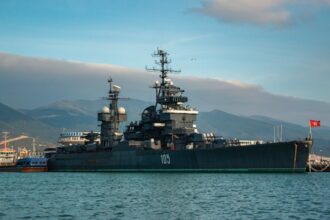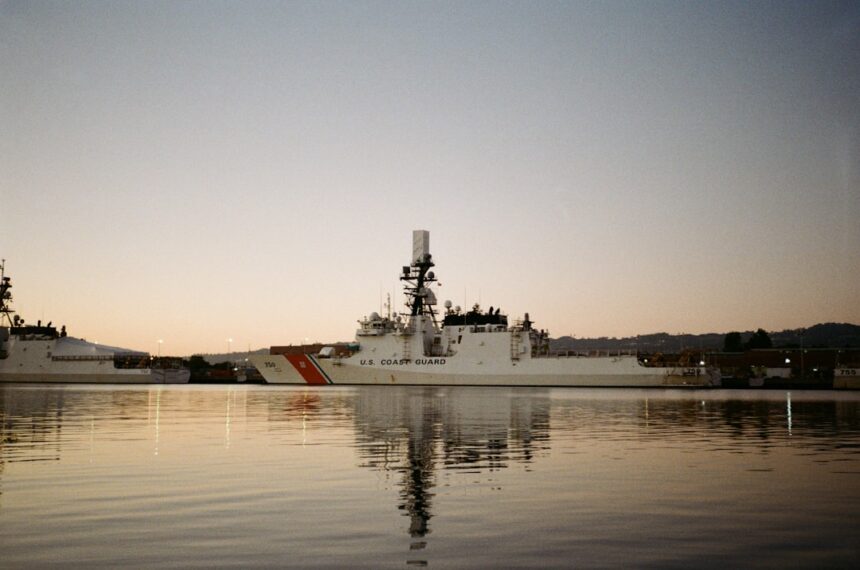
The Cold War era, spanning from the end of World War II in 1945 to the dissolution of the Soviet Union in 1991, was characterized by a profound ideological struggle between the United States and its allies, representing capitalism and democracy, and the Soviet Union along with its satellite states, advocating for communism. This period was marked by a series of geopolitical tensions, military buildups, and proxy wars, all underpinned by the fear of nuclear annihilation. The Cold War was not a conventional war; rather, it was a complex interplay of diplomacy, espionage, and military posturing that shaped international relations for decades.
During this time, naval power emerged as a critical component of national security strategies. The oceans became arenas for demonstrating military might and projecting influence. Both superpowers invested heavily in their naval capabilities, leading to an arms race that included the development of advanced submarines, aircraft carriers, and missile systems.
The Cold War’s maritime dimension was not merely about surface fleets; it also involved clandestine operations beneath the waves, where submarines played a pivotal role in intelligence gathering and deterrence strategies.
Key Takeaways
- Classified naval operations played a crucial role in Cold War espionage and military strategy.
- Submarine tracking was a key aspect, involving intense cat-and-mouse tactics between superpowers.
- Technological advancements during the Cold War significantly enhanced naval capabilities and intelligence gathering.
- Declassified operations have revealed the extent and impact of secret naval missions on global geopolitics.
- Lessons from Cold War naval operations continue to influence modern naval strategies and future threat adaptations.
The Role of Classified Naval Operations
Classified naval operations during the Cold War were shrouded in secrecy and intrigue, often involving missions that were never publicly acknowledged. These operations were essential for gathering intelligence on enemy movements, testing new technologies, and conducting psychological warfare. The clandestine nature of these missions allowed naval forces to operate with a degree of unpredictability, which was crucial in a time when both sides sought to outmaneuver each other without triggering direct conflict.
One of the primary objectives of classified naval operations was to monitor the activities of adversaries. This included tracking submarine movements, intercepting communications, and gathering data on naval exercises. The information obtained through these covert missions provided invaluable insights that informed strategic decisions at the highest levels of government.
Moreover, these operations often involved collaboration with intelligence agencies, further blurring the lines between military and espionage activities.
Key Players in Classified Naval Operations
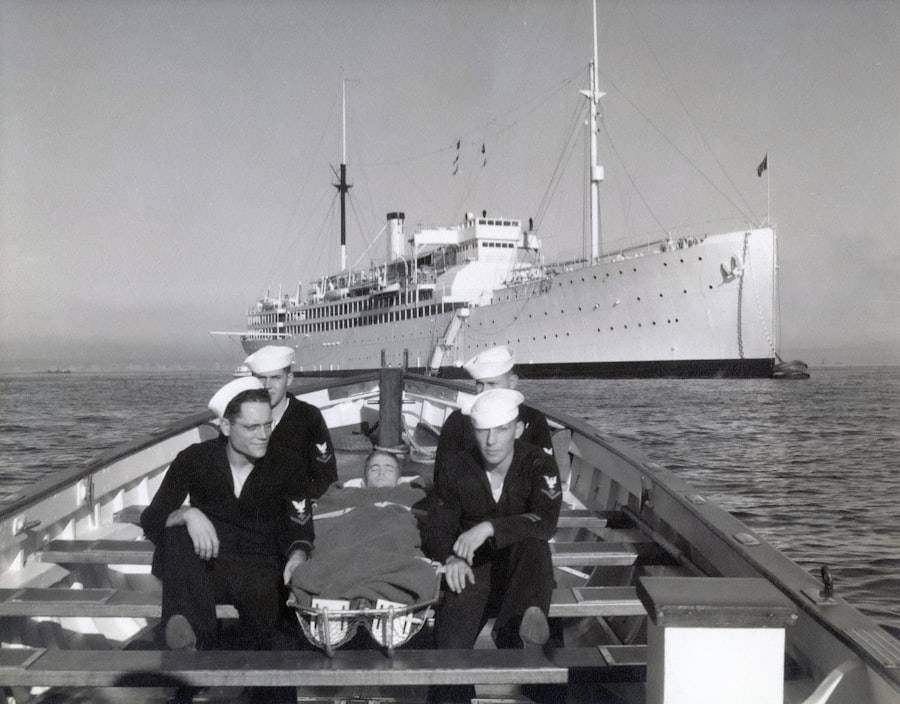
The landscape of classified naval operations during the Cold War was populated by various key players, each contributing to the intricate web of maritime strategy. The United States Navy (USN) was at the forefront, developing sophisticated technologies and tactics to counter Soviet naval capabilities. The USN’s submarine fleet, particularly its nuclear-powered submarines, became a cornerstone of American deterrence strategy, capable of launching nuclear strikes from concealed positions beneath the ocean’s surface.
On the other side of the Iron Curtain, the Soviet Navy was equally committed to expanding its reach and capabilities. The Soviet Union invested heavily in submarine technology and anti-submarine warfare tactics to counter the perceived threat from NATO forces. Key figures within both navies played crucial roles in shaping their respective strategies, often operating under immense pressure to ensure national security while navigating the complexities of international relations.
The Hunt for Submarines: A Game of Cat and Mouse
The hunt for submarines during the Cold War epitomized the high-stakes game of cat and mouse that defined naval operations. Both superpowers developed extensive anti-submarine warfare (ASW) capabilities to detect and neutralize enemy submarines lurking in strategic waters. This involved deploying advanced sonar systems, maritime patrol aircraft, and surface ships equipped with depth charges and torpedoes.
Submarines employed tactics such as silent running and evasive maneuvers to evade detection while conducting their missions. Conversely, ASW forces utilized innovative techniques to track these elusive vessels, often leading to tense encounters that could escalate into conflict.
The psychological aspect of this hunt added another layer of complexity; both sides understood that a successful detection could shift the balance of power in their favor.
Declassified Cold War Naval Operations: Revealing the Secrets
| Operation Name | Year | Country | Type of Operation | Objective | Outcome |
|---|---|---|---|---|---|
| Operation Ivy Bells | 1970s | USA | Underwater Surveillance | Tap Soviet underwater communication cables | Successful intelligence gathering |
| Operation Azorian | 1974 | USA | Salvage Mission | Recover sunken Soviet submarine K-129 | Partial recovery, classified |
| Operation Sandcastle | 1950s | UK/USA | Naval Disposal | Dispose of captured German chemical weapons | Weapons sunk in deep ocean |
| Operation Moby Dick | 1960s | USA | Submarine Tracking | Track Soviet ballistic missile submarines | Improved tracking capabilities |
| Operation Ivy Bells | 1970s | USA | Electronic Intelligence | Intercept Soviet naval communications | Enhanced naval intelligence |
As time passed and the Cold War came to an end, many classified naval operations were declassified, shedding light on previously hidden activities. These revelations provided historians and analysts with a clearer understanding of the strategies employed by both superpowers. Declassified documents revealed daring missions that included covert surveillance operations near enemy coastlines and attempts to gather intelligence on Soviet naval capabilities.
One notable example is Operation Ivy Bells, a joint U.S. Navy-CIA operation that involved tapping underwater communication lines used by the Soviet Navy. This operation exemplified the lengths to which both sides would go to gain an advantage in intelligence gathering.
The declassification of such operations not only illuminated the tactics used during the Cold War but also sparked discussions about ethics and accountability in military operations.
The Impact of Classified Naval Operations on Geopolitics

The impact of classified naval operations on geopolitics during the Cold War cannot be overstated. These covert missions often influenced diplomatic relations between nations, shaping alliances and rivalries in profound ways. For instance, successful intelligence-gathering operations could bolster a nation’s negotiating position in diplomatic talks or provide leverage in military confrontations.
Moreover, classified naval operations contributed to an atmosphere of mistrust between superpowers. The constant surveillance and counter-surveillance created a cycle of suspicion that fueled arms races and heightened tensions. Incidents such as the Cuban Missile Crisis underscored how close the world came to nuclear conflict due in part to misunderstandings stemming from covert military activities.
Technological Advancements in Cold War Naval Operations
The Cold War spurred remarkable technological advancements in naval operations that transformed how navies conducted warfare. The development of nuclear-powered submarines revolutionized underwater capabilities, allowing vessels to remain submerged for extended periods without surfacing for fuel. This innovation not only enhanced stealth but also increased operational range significantly.
Additionally, advancements in sonar technology improved detection capabilities for both submarines and surface ships. The introduction of digital computing systems allowed for more sophisticated data analysis and real-time decision-making during naval engagements. These technological strides not only changed the dynamics of naval warfare but also set the stage for future developments in maritime strategy.
The Psychological Warfare of Classified Naval Operations
Psychological warfare played a crucial role in classified naval operations during the Cold War. Both superpowers understood that instilling fear or uncertainty in their adversaries could yield strategic advantages without resorting to direct confrontation. Covert operations were often designed not just to gather intelligence but also to send messages intended to intimidate or mislead opponents.
For instance, demonstrating advanced naval capabilities through show-of-force exercises could serve as a warning to adversaries while simultaneously boosting domestic morale. The psychological impact of these operations extended beyond immediate military objectives; they shaped public perception and influenced political discourse within both superpowers.
The Legacy of Cold War Naval Operations
The legacy of Cold War naval operations continues to resonate in contemporary military strategy and international relations. The lessons learned from this era have informed modern naval doctrines and shaped how nations approach maritime security today. The emphasis on stealth, intelligence gathering, and technological superiority remains central to contemporary naval operations.
Furthermore, the declassification of Cold War-era operations has provided valuable insights into the complexities of military strategy and decision-making processes. As nations navigate new geopolitical challenges in an increasingly multipolar world, understanding the historical context of naval operations during the Cold War can offer critical perspectives on current maritime dynamics.
Lessons Learned from Cold War Naval Operations
The Cold War era imparted several key lessons regarding naval operations that remain relevant today. One significant takeaway is the importance of adaptability in response to evolving threats. As technology advances and geopolitical landscapes shift, navies must remain agile and capable of adjusting their strategies accordingly.
Additionally, the necessity for robust intelligence-gathering capabilities has become increasingly clear. In an age where information is power, nations must invest in technologies that enhance situational awareness and enable timely decision-making. The experiences gained from classified naval operations during the Cold War underscore the need for continuous innovation in maritime strategy.
The Future of Naval Operations: Adapting to Modern Threats
As nations confront new challenges in an era defined by cyber warfare, asymmetric threats, and climate change, the future of naval operations will require innovative approaches that build upon lessons learned from the Cold War. Modern navies must integrate advanced technologies such as artificial intelligence and unmanned systems into their operational frameworks to enhance effectiveness. Moreover, collaboration among allied nations will be essential in addressing shared security concerns in an increasingly interconnected world.
The legacy of Cold War naval operations serves as a reminder that while threats may evolve, the principles of strategic thinking, adaptability, and intelligence remain timeless imperatives for ensuring maritime security in the 21st century.
During the Cold War, classified naval operations played a crucial role in maintaining the balance of power between superpowers. These covert missions often involved intelligence gathering, surveillance, and strategic positioning of naval forces. For a deeper understanding of the complexities and implications of these operations, you can read more in the article available at com/’>In the War Room
This resource provides valuable insights into the naval strategies employed during this tense period in history.
WATCH THIS! 🎖️ The Silent Underwater Network That Doomed Every Soviet Submarine
FAQs
What were classified naval operations during the Cold War?
Classified naval operations during the Cold War were secret missions and activities conducted by naval forces, primarily by the United States and the Soviet Union, aimed at gathering intelligence, testing enemy defenses, and maintaining strategic advantages without escalating into open conflict.
Why were naval operations classified during the Cold War?
Naval operations were classified to protect sensitive information, maintain operational security, prevent the enemy from gaining strategic insights, and avoid political or military escalation that could lead to direct confrontation between superpowers.
Which countries were primarily involved in classified naval operations during the Cold War?
The primary countries involved were the United States and the Soviet Union, although other NATO and Warsaw Pact countries also conducted classified naval activities aligned with their respective alliances.
What types of missions were included in classified naval operations?
Missions included submarine espionage, reconnaissance patrols, electronic surveillance, covert insertion of special forces, testing of new naval technologies, and tracking or shadowing enemy vessels.
How did classified naval operations impact Cold War naval strategy?
These operations allowed both sides to gather critical intelligence, test enemy capabilities, and develop countermeasures, which influenced naval tactics, force deployments, and the development of new weapons systems throughout the Cold War.
Were there any notable incidents involving classified naval operations during the Cold War?
Yes, notable incidents include the capture of the USS Pueblo by North Korea, the loss of the USS Thresher and USS Scorpion submarines, and various submarine collisions and espionage cases that highlighted the risks of covert naval activities.
How did technology influence classified naval operations in the Cold War?
Advancements in sonar, radar, cryptography, nuclear propulsion, and underwater surveillance technology significantly enhanced the capabilities and scope of classified naval operations, enabling longer and more effective missions.
Are details of Cold War classified naval operations now publicly available?
Many details remain classified, but some information has been declassified over time through government releases, memoirs, and historical research, providing insight into the scope and nature of these operations.
What role did submarines play in classified naval operations during the Cold War?
Submarines were central to classified operations, conducting covert surveillance, intelligence gathering, and strategic deterrence patrols, often operating undetected in enemy waters.
How did classified naval operations contribute to Cold War deterrence?
By maintaining a credible and secretive naval presence, including nuclear-armed submarines, classified operations helped deter direct conflict by ensuring that both sides had the capability to respond to aggression effectively.