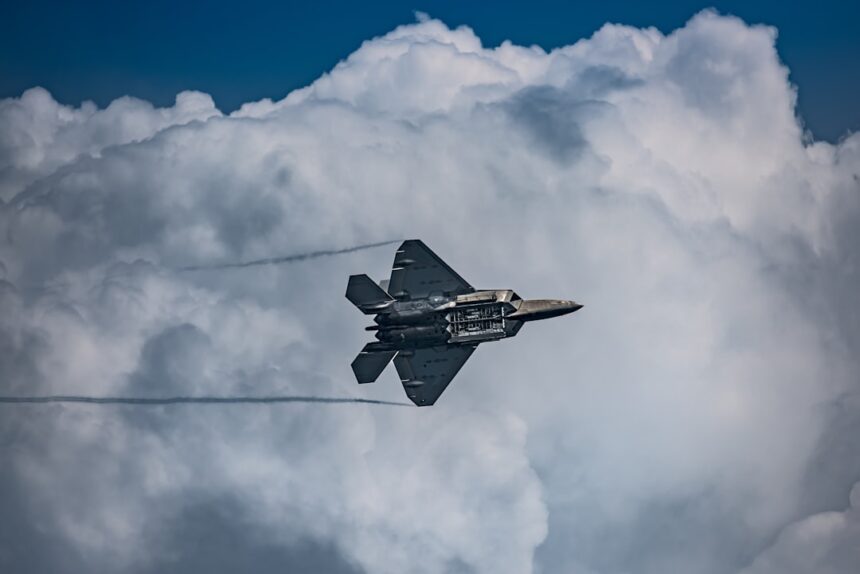
The digital age has ushered in an era of unprecedented information access, but for nations striving to maintain a strategic edge, this very openness presents a formidable double-edged sword. Classified military technology, the lifeblood of a nation’s defense capabilities, has become an increasingly vulnerable target in the global information landscape. Leaks of such sensitive data are not mere inconveniences; they are critical fractures in the armor of national security, granting adversaries invaluable insights and potentially tipping the scales of global power.
The traditional understanding of military espionage often conjures images of shadowy figures on physical infiltrations, the theft of blueprints from secure facilities. While these methods persist, the digital revolution has fundamentally altered the battlefield. Now, a single well-placed code insertion or a compromised network can unleash a torrent of secrets far more potent than any document pilfered under the cloak of night. Classified military technology is no longer solely confined to hardened bunkers; it resides within interconnected networks, accessible through Wi-Fi signals and cloud storage, making it a pervasive and persistent target.
The Evolution of Espionage Tactics
- From Human Intelligence to Cyber Operations: The reliance on human sources, once the cornerstone of intelligence gathering, is increasingly supplemented and in some cases, supplanted by sophisticated cyber operations. Malicious actors can now probe, exploit, and exfiltrate data remotely with a reduced risk of direct confrontation.
- The Rise of Insider Threats: While external threats grab headlines, the insidious nature of insider threats cannot be overstated. Individuals with authorized access, whether motivated by ideology, financial gain, or even coercion, can become unwitting or willing conduits for classified information. These individuals are often the keys to unlocking the most secure digital vaults.
- State-Sponsored Cyber Warfare: Nations themselves have recognized the immense strategic advantage that can be gained through sophisticated cyber warfare capabilities, which inherently involve the acquisition of advanced military technologies belonging to rivals. This has led to a constant arms race in the digital domain.
The Pervasive Nature of Digital Vulnerabilities
- Interconnected Systems: Modern military hardware and software are part of sprawling, interconnected networks. While this integration enhances efficiency and command and control, it also creates a larger attack surface. A breach in one seemingly minor system can cascade into a compromise of highly classified information.
- Third-Party Vendors and Supply Chain Risks: The development and maintenance of advanced military technologies often involve a complex web of contractors and third-party vendors. These external entities can represent weak links in the security chain, providing entry points for adversaries to exploit vulnerabilities that may not be apparent within the core military infrastructure.
- The Human Element in Cybersecurity: Despite the advancement of technological defenses, the human element remains a critical vulnerability. Phishing attacks, social engineering, and simple human error can be exploited to bypass even the most robust security protocols. The digital keys to national security can be inadvertently handed over through a careless click.
Recent developments in classified military technology leaks have raised significant concerns about national security and the integrity of defense operations. An insightful article that delves deeper into the implications of these leaks can be found at In the War Room, where experts discuss the potential risks and the measures that can be taken to safeguard sensitive information in the future.
The Cascade of Consequences: Beyond the Immediate Loss of Data
When classified military technology leaks, the consequences extend far beyond the immediate loss of proprietary information. This loss can act as a catalyst, triggering a ripple effect that compromises strategic advantages, erodes trust, and emboldens adversaries. The intelligence gained by a rival nation through a technology leak can be as devastating as a conventional military defeat, albeit a bloodless one.
Erosion of Strategic Advantage
- Deterrence Undermined: A nation’s military might often relies on a perceived technological superiority. When this superiority is exposed, the deterrent effect is diminished, making a nation more susceptible to aggression. Adversaries, aware of the capabilities and limitations of a rival’s technology, can plan their strategies accordingly, negating years of development and investment.
- Operational Secrecy Compromised: The effectiveness of many military operations hinges on surprise and the ability to maintain operational secrecy. Leaks can reveal tactical approaches, electronic warfare capabilities, and intelligence gathering methods, rendering future operations predictable and thus, far less effective. Imagine trying to conduct a covert operation when the enemy already possesses the playbook.
- R&D Investment Jeopardized: The development of cutting-edge military technology is a costly and time-consuming endeavor. Leaks can allow adversaries to reverse-engineer, replicate, or even surpass these advancements without incurring the same research and development costs, effectively nullifying the pioneering nation’s investment.
Escalation of Global Tensions and Arms Races
- Emboldening Adversaries: The acquisition of advanced military technology by one nation can incentivize rivals to accelerate their own development, engage in further espionage, or even pursue more aggressive foreign policy stances, believing they now possess a comparable or superior means to achieve their objectives.
- The Arms Race Amplified: Instead of fostering stability, leaks can inadvertently fuel a new round of arms races. Nations will feel compelled to spend more resources to develop even more advanced technologies to counter perceived threats arising from the leaked information, creating a perpetual cycle of escalating military expenditure and risk.
- Shifting Alliances and Geopolitical Realignments: The balance of power can shift dramatically with the clandestine acquisition of advanced military capabilities. This can lead to the reevaluation of existing alliances and the formation of new ones, as nations seek to align themselves with those perceived to be strong in the evolving geopolitical landscape.
The Anatomy of a Leak: Pathways and Perpetrators
Understanding how classified military technology finds its way into unauthorized hands is crucial for developing effective countermeasures. Leaks are rarely a single, isolated event but often the culmination of various vulnerabilities being exploited. These pathways can be as varied as the technologies themselves, ranging from the sophisticated to the surprisingly mundane.
External Threats: The Digital Invaders
- Advanced Persistent Threats (APTs): These are sophisticated, long-term hacking operations, often state-sponsored, designed to gain and maintain unauthorized access to a network. APTs are like patient spiders, meticulously weaving their webs to eventually ensnare their prey – classified data.
- Nation-State Espionage: Foreign intelligence agencies dedicate significant resources to acquiring the military secrets of their rivals. Their methods are often highly advanced, employing custom malware, zero-day exploits, and extensive reconnaissance to achieve their objectives.
- Cyberterrorist Organizations: While often driven by ideology rather than purely geopolitical gain, these groups can also seek to acquire and exploit military technologies to sow chaos and advance their agendas.
- Intellectual Property Theft by Competitors: In a more commercial context, foreign entities may seek to acquire military technology for economic leverage, either by reverse-engineering it for commercial applications or by understanding its capabilities to gain an edge in international arms markets.
Internal Threats: The Unseen Cracks
- Malicious Insiders: Individuals with authorized access who intentionally leak information for personal gain, ideological reasons, or under duress. These individuals are often the “keys to the kingdom,” capable of bypassing many external security measures.
- Negligent Insiders: Employees or contractors who, through carelessness or lack of awareness, inadvertently expose classified information. This can include mishandling sensitive documents, using unsecured devices, or falling victim to social engineering tactics.
- Compromised Credentials: The theft or compromise of login credentials through phishing attacks, weak password practices, or malware can grant unauthorized access to systems containing classified information.
Technological Vulnerabilities: The Open Doors
- Software Exploits and Zero-Day Vulnerabilities: The inherent complexity of software means that vulnerabilities will always exist. “Zero-day” exploits, which are unknown to the software vendor, are particularly dangerous as there are no immediate patches or defenses.
- Hardware Backdoors and Embedded Threats: In some cases, hardware itself may contain hidden vulnerabilities or “backdoors” intentionally designed by manufacturers or exploited by adversaries to allow for future access.
- Unsecured Networks and Communication Channels: The reliance on interconnected networks, including Wi-Fi and potentially less secure communication channels, creates points of entry for attackers. Even within secure military facilities, the proliferation of wireless devices can introduce risks.
- Data Storage and Transmission Vulnerabilities: How classified data is stored, encrypted, and transmitted significantly impacts its security. Weak encryption, unpatched storage systems, or unsecure data transfer protocols can all lead to leaks.
The Imperative of Robust Defense: Fortifying the Gates

The challenge posed by classified military technology leaks demands a multi-layered and proactive approach to defense. It requires a constant evolution of security protocols, technological innovation, and a deep understanding of the human element in cybersecurity. The gates of national security must be meticulously fortified, not with single, impassable walls, but with a complex network of defenses that are resilient and adaptable.
Strengthening Cybersecurity Infrastructure
- Advanced Encryption and Access Controls: Implementing state-of-the-art encryption for data at rest and in transit, coupled with stringent multi-factor authentication and granular access controls, is paramount. Only those who absolutely need access should have it, and their actions should be meticulously logged and audited.
- Network Segmentation and Intrusion Detection Systems: Dividing networks into smaller, isolated segments limits the lateral movement of attackers should a breach occur. Sophisticated intrusion detection and prevention systems are essential to identify and neutralize threats in real-time.
- Regular Software Updates and Vulnerability Patching: Proactive patching of all software and systems is a fundamental yet often overlooked aspect of cybersecurity. Leaving systems unpatched is akin to leaving doors unlocked and expecting criminals not to walk through them.
- Zero Trust Architecture: Adopting a “never trust, always verify” approach, where every user, device, and connection is authenticated and authorized before being granted access, is becoming increasingly critical.
Cultivating a Culture of Security Awareness
- Comprehensive Training Programs: Regular, comprehensive, and engaging security awareness training for all personnel, from entry-level staff to senior leadership, is non-negotiable. This training must go beyond basic phishing awareness and encompass understanding the broader threat landscape and individual responsibilities.
- Simulated Attacks and Ethical Hacking: Conducting regular simulated phishing campaigns and penetration testing helps identify weaknesses in human defenses and the effectiveness of existing security measures before real adversaries exploit them.
- Clear Reporting Mechanisms and Whistleblower Protection: Establishing clear, accessible, and confidential channels for reporting suspicious activity or potential security breaches is vital. Protecting whistleblowers who come forward with concerns is crucial to fostering an environment of trust and accountability.
International Cooperation and Information Sharing
- Bilateral and Multilateral Agreements: Collaborating with allied nations to share threat intelligence, best practices, and develop common defense strategies against cyber threats is essential. No nation can effectively combat the global nature of cyber espionage alone.
- Joint Cyber Defense Exercises: Participating in joint exercises with partners allows for the testing of coordinated responses to cyber incidents and the strengthening of interoperability in the event of a large-scale attack.
- Establishing Norms of Conduct in Cyberspace: Working through international forums to establish clear norms of responsible state behavior in cyberspace can help deter aggressive actions and promote a more stable digital environment, though this remains a significant challenge.
Recent developments in classified military technology leaks have raised significant concerns about national security and the integrity of sensitive information. An insightful article discussing the implications of these leaks can be found on In The War Room, which explores how unauthorized disclosures can impact military operations and strategic planning. For a deeper understanding of this pressing issue, you can read more about it in the article here.
The Future Imperative: Adapting to an Evolving Threat
| Year | Incident | Technology Leaked | Source | Impact Level | Estimated Data Volume |
|---|---|---|---|---|---|
| 2010 | WikiLeaks Afghan War Logs | Military Operations Data, UAV Details | WikiLeaks | High | 75,000+ documents |
| 2013 | Edward Snowden NSA Leaks | Surveillance Tech, Cyber Warfare Tools | NSA Contractor | Very High | 1.7 million documents |
| 2017 | Shadow Brokers Leak | Cyber Exploits, Hacking Tools | Unknown Hacker Group | High | Several terabytes |
| 2020 | Chinese Military Drone Leak | Drone Design and Capabilities | Anonymous Insider | Medium | Hundreds of files |
| 2022 | Russian Hypersonic Missile Data Leak | Hypersonic Missile Technology | Cyber Espionage Group | High | Thousands of documents |
The landscape of classified military technology and the threats it faces is in a state of perpetual flux. As technologies advance, so too will the methods of those who seek to exploit them. For nations to maintain their security, a posture of continuous adaptation and innovation is not merely advisable; it is an absolute necessity. The fight to protect classified information is a marathon, not a sprint, and it demands unwavering vigilance and a commitment to staying one step ahead of the digital storm.
Emerging Technologies and Their Security Implications
- Artificial Intelligence and Machine Learning: While these technologies offer immense potential for enhancing defense capabilities, they also present new avenues for sophisticated cyberattacks. AI-powered malware and autonomous hacking tools could become increasingly prevalent.
- Quantum Computing: The advent of quantum computing poses a significant future threat to current encryption methods. Nations must invest in developing quantum-resistant cryptographic solutions to safeguard sensitive data in the long term.
- The Internet of Things (IoT) in Military Applications: The increasing integration of IoT devices into military systems, from drones to sensors, expands the attack surface considerably. Securing these diverse and often resource-constrained devices is a growing challenge.
The Ongoing Arms Race in Cybersecurity
- Proactive Threat Hunting: Moving beyond reactive defenses, military organizations must invest in proactive threat hunting capabilities, actively searching for adversaries within their networks before they can inflict damage.
- Developing Resilient Systems: Building systems that are not only secure but also resilient, meaning they can withstand and recover quickly from attacks, is a critical aspect of future defense. This involves redundancy, failover mechanisms, and rapid restoration capabilities.
- The Ethical and Legal Framework: As cyber warfare and espionage capabilities evolve, so too must the ethical and legal frameworks that govern their use. Clear guidelines and international agreements are needed to prevent unchecked escalation and ensure accountability.
Ultimately, the protection of classified military technology is intrinsically linked to the preservation of national sovereignty and global stability. The stakes are astronomically high. By acknowledging the multifaceted nature of these threats and committing to a robust, adaptive, and collaborative approach to cybersecurity, nations can strive to build a more secure future, where the hard-won advancements of defense are not undermined by the silent, unseen currents of digital espionage. The integrity of classified military technology is not just a technical challenge; it is a fundamental pillar of national security, and its defense requires our constant, unwavering attention.
FAQs
What are classified military technology leaks?
Classified military technology leaks refer to the unauthorized disclosure of sensitive information related to military equipment, systems, or capabilities that are meant to be kept secret for national security reasons.
Why is classified military technology information kept secret?
Such information is kept secret to protect national security, maintain a strategic advantage over potential adversaries, and prevent the technology from being copied or countered by other nations or hostile entities.
What are the potential consequences of classified military technology leaks?
Leaks can compromise military operations, endanger personnel, weaken defense capabilities, damage international relations, and lead to legal penalties for those responsible for the unauthorized disclosure.
How do governments typically respond to classified military technology leaks?
Governments often conduct investigations to identify the source of the leak, implement stricter security measures, prosecute individuals involved, and work to mitigate any damage caused by the disclosure.
Can classified military technology leaks impact global security?
Yes, such leaks can destabilize global security by revealing sensitive capabilities, prompting arms races, or enabling hostile actors to develop countermeasures or exploit vulnerabilities.