Classified military operations have been integral to warfare throughout history, evolving from basic intelligence gathering to sophisticated covert activities. Ancient civilizations recognized the strategic value of secrecy, with Roman commanders regularly deploying spies to collect information on enemy positions and movements while concealing their own tactical plans. These early intelligence practices established fundamental principles of operational security that continue to influence military doctrine.
The development of classified operations accelerated significantly during the 20th century’s major conflicts. World War I introduced systematic cryptographic methods and coded communications, prompting nations to create specialized intelligence organizations focused on signals interception and code-breaking. The conflict demonstrated how information warfare had become as critical as conventional military engagement.
World War II represented a watershed moment for classified military operations, with unprecedented coordination between intelligence agencies and military commands. Operations such as the Normandy invasion required extensive compartmentalization of information, involving thousands of personnel while maintaining operational security. The successful execution of D-Day illustrated how large-scale classified operations could achieve strategic surprise through careful information management and deception tactics.
This period established modern frameworks for operational security, intelligence coordination, and the integration of covert activities with conventional military planning.
Key Takeaways
- Classified military operations have evolved significantly, influenced by historical contexts and technological advancements.
- Intelligence agencies play a crucial role in planning, executing, and maintaining secrecy around these operations.
- Ethical, legal, and transparency concerns arise due to the secretive nature and potential consequences of these operations.
- Whistleblowers and media exposure can reveal hidden operations, impacting public perception and government accountability.
- The future of classified operations will be shaped by digital technology, emphasizing the need for balanced transparency and security.
The Role of Intelligence Agencies in Classified Military Operations
Intelligence agencies play a pivotal role in the execution and success of classified military operations. These organizations are tasked with gathering, analyzing, and disseminating information that is crucial for national security. They operate under a veil of secrecy, often employing a range of methods from human intelligence (HUMINT) to signals intelligence (SIGINT) to ensure that military leaders have access to timely and accurate information.
The collaboration between military forces and intelligence agencies is essential; without the insights provided by these agencies, military operations would lack the strategic depth necessary for success. Moreover, intelligence agencies are responsible for conducting covert operations that can directly influence military outcomes. These operations may include sabotage, psychological warfare, or even targeted assassinations aimed at destabilizing enemy forces.
The delicate balance between operational secrecy and the need for accountability presents a unique challenge for these agencies. As they navigate this landscape, they must ensure that their actions align with national interests while adhering to legal and ethical standards. The intricate relationship between intelligence agencies and military operations underscores the critical importance of information in modern warfare.
The Impact of Technology on Classified Military Operations
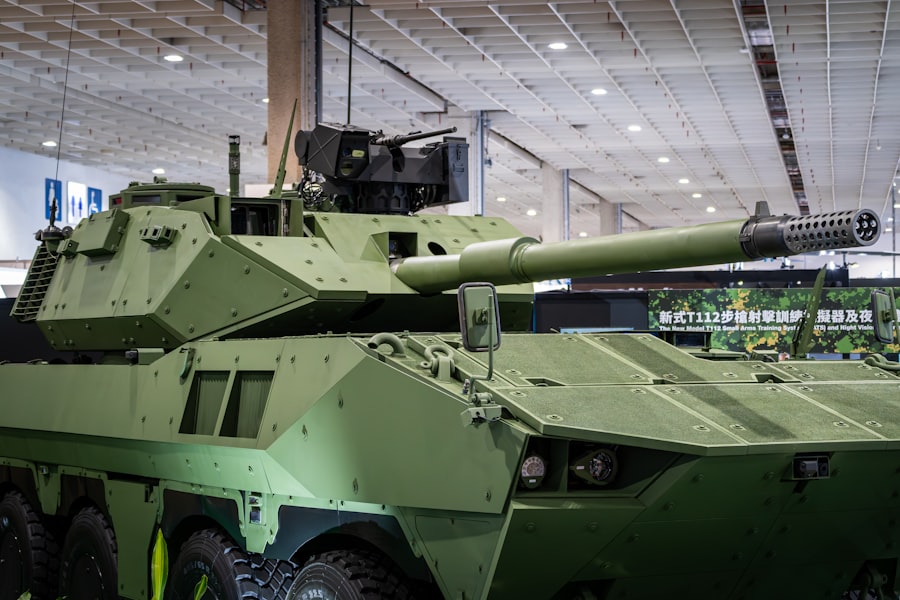
The advent of technology has profoundly transformed classified military operations, introducing new tools and methodologies that enhance both efficiency and effectiveness. In recent decades, advancements in surveillance technology, satellite imagery, and cyber capabilities have revolutionized how military forces gather intelligence and execute operations. Drones, for instance, have become a staple in modern warfare, allowing for real-time reconnaissance and targeted strikes without putting personnel at risk.
This technological evolution has not only increased operational capabilities but has also raised new questions about privacy and ethical conduct in warfare. Furthermore, the rise of cyber warfare has added a new dimension to classified military operations. Nations now engage in digital espionage, hacking into enemy systems to gather intelligence or disrupt critical infrastructure.
This shift necessitates a reevaluation of traditional military strategies, as the battlefield extends beyond physical locations into cyberspace. As technology continues to advance at an unprecedented pace, military organizations must adapt their approaches to maintain an edge over adversaries while grappling with the implications of these new capabilities on global security dynamics.
The Ethical and Legal Implications of Classified Military Operations
The ethical and legal implications surrounding classified military operations are multifaceted and often contentious. On one hand, governments argue that secrecy is essential for national security; without it, sensitive information could fall into enemy hands, jeopardizing lives and missions. However, this rationale raises significant ethical questions about accountability and transparency.
The potential for abuse of power exists when operations are conducted without public oversight, leading to concerns about human rights violations and unlawful actions taken in the name of national security. International law also plays a crucial role in shaping the conduct of classified military operations. Treaties such as the Geneva Conventions establish guidelines for warfare, including the treatment of prisoners and civilians.
Yet, the clandestine nature of many operations can lead to violations of these laws, prompting debates about the legitimacy of certain actions taken by states under the guise of secrecy. As society grapples with these ethical dilemmas, it becomes increasingly important to strike a balance between operational security and the need for accountability in military actions.
Notable Examples of Classified Military Operations
| Operation Name | Year Revealed | Country | Type of Operation | Duration | Outcome |
|---|---|---|---|---|---|
| Operation Northwoods | 1997 | USA | False Flag Military Operation | Planned (1962) | Cancelled |
| Operation Ajax | 2000 | USA/UK | Covert Coup | 1953 (few months) | Successful |
| Operation Gladio | 1990 | NATO/Europe | Stay-behind Anti-Communist Network | Cold War Era | Disbanded |
| Operation Mockingbird | 1976 | USA | Media Manipulation | 1950s-1970s | Partially Exposed |
| Operation CHAOS | 1974 | USA | Domestic Surveillance | 1967-1974 | Terminated |
Throughout history, numerous classified military operations have left indelible marks on global events and national policies. One such operation is Operation Neptune Spear, which culminated in the death of Osama bin Laden in 2011. This highly secretive mission involved extensive planning and coordination between various intelligence agencies and military units.
The successful execution of this operation not only showcased the effectiveness of modern intelligence-gathering techniques but also highlighted the complexities involved in conducting classified missions within foreign territories. Another notable example is Operation Gladio, a covert NATO initiative during the Cold War aimed at countering potential Soviet influence in Europe. This operation involved secret armies and clandestine activities that often operated outside legal frameworks, raising significant ethical concerns about state-sponsored violence and manipulation.
The revelations surrounding Operation Gladio have sparked debates about government accountability and transparency in military operations, illustrating how classified missions can have far-reaching implications beyond their immediate objectives.
The Role of Whistleblowers in Exposing Classified Military Operations
Whistleblowers have played a crucial role in exposing classified military operations that may violate ethical or legal standards. Individuals like Edward Snowden and Chelsea Manning have brought attention to practices within intelligence agencies that many argue undermine democratic principles and human rights. Their disclosures have sparked widespread public debate about government transparency and accountability, challenging the notion that secrecy is always justified in matters of national security.
The actions of whistleblowers often come at great personal cost; they risk their careers, freedom, and safety to reveal information they believe is in the public interest. Their revelations can lead to significant changes in policy and public perception regarding classified military operations. However, whistleblowers also face backlash from governments that view their actions as treasonous or harmful to national security.
This complex dynamic underscores the tension between the need for operational secrecy and the imperative for ethical governance.
The Consequences of Classified Military Operations Being Exposed
When classified military operations are exposed, the consequences can be profound and far-reaching. For governments, such revelations can lead to diplomatic fallout, loss of trust among allies, and increased vulnerability to adversaries who may exploit this newfound knowledge.
On a broader scale, public exposure can ignite debates about government accountability and transparency. Citizens may demand greater oversight of military actions and intelligence activities, leading to calls for reform within governmental structures. The fallout from such exposures can also influence public opinion regarding national security policies, potentially shifting political landscapes as citizens grapple with the implications of secretive military operations on democratic values.
The Public’s Reaction to Classified Military Operations Being Exposed
Public reaction to the exposure of classified military operations is often mixed, reflecting a complex interplay between national security concerns and demands for transparency. Many individuals express outrage when they learn about covert actions that may violate ethical standards or result in civilian casualties. This outrage can lead to protests, advocacy for policy changes, or increased scrutiny of government practices related to national security.
Conversely, some segments of the population may prioritize national security over transparency, viewing whistleblowers as threats rather than heroes. This division highlights the challenges faced by societies attempting to balance security needs with democratic principles. As public awareness grows regarding the implications of classified military operations, citizens increasingly engage in discussions about what constitutes acceptable conduct in matters of national defense.
The Role of Media in Exposing Classified Military Operations
The media plays an indispensable role in exposing classified military operations and holding governments accountable for their actions. Investigative journalism has uncovered numerous instances where covert actions have led to significant ethical breaches or violations of international law. Through thorough research and reporting, journalists shine a light on practices that might otherwise remain hidden from public scrutiny.
However, this role is fraught with challenges; journalists must navigate legal restrictions surrounding classified information while striving to inform the public about critical issues affecting national security. The balance between protecting sensitive information and ensuring transparency is delicate but essential for fostering an informed citizenry. As media outlets continue to investigate classified military operations, they contribute to broader conversations about ethics, accountability, and governance in democratic societies.
The Future of Classified Military Operations in a Digital Age
As society moves further into a digital age characterized by rapid technological advancements, the future of classified military operations is likely to evolve significantly. Cyber capabilities will play an increasingly central role in both offensive and defensive strategies as nations seek to protect their interests in an interconnected world. This shift will necessitate new approaches to intelligence gathering and operational planning as militaries adapt to emerging threats posed by cyber adversaries.
Moreover, advancements in artificial intelligence (AI) and machine learning may revolutionize how data is analyzed and utilized within classified operations. These technologies could enhance decision-making processes by providing real-time insights into complex situations. However, they also raise ethical concerns regarding autonomy in warfare and the potential for unintended consequences resulting from algorithm-driven decisions.
As militaries navigate these challenges, they must remain vigilant about maintaining ethical standards while leveraging technological innovations.
The Importance of Transparency in Classified Military Operations
Transparency is vital in ensuring that classified military operations align with democratic values and ethical standards. While some level of secrecy is necessary for national security purposes, excessive opacity can lead to abuses of power and erosion of public trust in government institutions. Striking a balance between operational security and accountability is essential for fostering a healthy relationship between citizens and their governments.
Promoting transparency can also enhance public understanding of the complexities involved in national defense decisions. By providing citizens with insight into the rationale behind certain classified operations—while still protecting sensitive information—governments can cultivate informed dialogue about security policies. Ultimately, embracing transparency not only strengthens democratic principles but also reinforces public confidence in governmental actions related to national security.
Recent revelations about classified military operations have sparked significant debate regarding national security and transparency. An insightful article discussing the implications of these disclosures can be found at this link. The article delves into the potential consequences of exposing sensitive information and the balance between public interest and operational security.
WATCH THIS 🛑 The Submarine Captain Who Said NO to Nuclear War
FAQs
What are classified military operations?
Classified military operations are missions or activities conducted by armed forces that are kept secret from the public and unauthorized personnel to protect national security and operational effectiveness.
Why are some military operations classified?
Operations are classified to safeguard sensitive information, protect the safety of personnel involved, maintain strategic advantages, and prevent adversaries from gaining intelligence that could compromise the mission.
How are classified military operations revealed to the public?
Classified operations may be revealed through official government declassification processes, investigative journalism, leaks, or authorized disclosures after a certain period or when the information no longer poses a security risk.
What impact does revealing classified military operations have?
Revealing classified operations can increase public awareness and historical understanding but may also risk national security, endanger personnel, or compromise ongoing missions if sensitive details are disclosed prematurely.
Who has the authority to classify or declassify military operations?
Typically, high-ranking military officials, government agencies, or designated classification authorities have the power to classify or declassify military operations based on established protocols and security assessments.
Are there legal consequences for unauthorized disclosure of classified military operations?
Yes, unauthorized disclosure of classified information can lead to legal penalties, including fines, imprisonment, or other disciplinary actions under national security laws and regulations.
Can the public access information about past classified military operations?
Some information about past operations may become available through declassified documents, official reports, or historical research, but access depends on government policies and the sensitivity of the information.
How do classified military operations affect international relations?
Classified operations can influence diplomatic relations, especially if revealed, as they may expose covert actions, affect trust between nations, or lead to political tensions depending on the nature of the operation.