The Central Intelligence Agency (CIA) is an organization shrouded in secrecy, its operations often remaining hidden from public scrutiny for decades. Among its most clandestine endeavors was a Cold War-era operation concerning the recovery of a Soviet submarine and the subsequent interment of its deceased crew members. This event, known as Project Azorian (or by its cover name, Project Jennifer), culminated in a covert funeral for Soviet sailors, a somber and unprecedented act conducted by American intelligence operatives. This article delves into the intricate details of this operation, examining the political climate that necessitated such an undertaking, the technical marvels involved, and the ethical considerations that arose from the clandestine burial of enemy combatants.
The mid-1960s were a period of intense geopolitical tension between the United States and the Soviet Union. The Cuban Missile Crisis, a near-catastrophic confrontation, had recently underscored the perilous nature of their nuclear rivalry. Against this backdrop, the two superpowers engaged in a continuous and often deadly game of espionage, with each striving to gain a technological and strategic advantage. Submarines, invisible hunters in the ocean’s depths, played a crucial role in this shadowy conflict, serving as silent deterrents and intelligence-gathering platforms.
The Loss of the K-129
In March 1968, the Soviet Golf II-class ballistic missile submarine K-129 vanished without a trace in the Pacific Ocean, approximately 1,600 miles northwest of Oahu. The K-129 was a diesel-electric submarine equipped with three R-21 nuclear-tipped ballistic missiles, a fact that would later become a critical element in the CIA’s decision to attempt its recovery. The submarine’s disappearance sparked a frantic, yet ultimately unsuccessful, search by the Soviet Navy. The absence of any distress signals and the suddenness of its vanishing act fueled speculation within both Soviet and American intelligence circles about the cause of the disaster.
US Intelligence Detection and Surveillance
Unknown to the Soviets, the United States had developed a sophisticated underwater sound surveillance system known as SOSUS (Sound Surveillance System). This network of hydrophones, strategically placed on the ocean floor, was designed to detect and track Soviet submarines. On March 8, 1968, SOSUS arrays registered an anomalous event consistent with an explosion originating from the vicinity where the K-129 was believed to be operating. This pivotal piece of intelligence provided the first concrete evidence of the submarine’s fate and its general location. The US Navy meticulously analyzed the acoustic data, triangulating the source of the implosion. This forensic acoustic analysis, a testament to the burgeoning field of underwater intelligence, laid the groundwork for what would become one of the most ambitious and secretive recovery operations in history. The stakes were immensely high; not only could the K-129 yield invaluable insights into Soviet submarine design and nuclear missile technology, but its recovery could also reveal the cause of its demise, potentially informing US submarine safety protocols.
In exploring the intriguing history of covert operations, one can find a fascinating article detailing the CIA’s secret funeral for Soviet sailors, which sheds light on the complexities of Cold War espionage and international relations. This article not only highlights the clandestine nature of such events but also provides insight into the lengths to which intelligence agencies would go to maintain secrecy. For more information, you can read the full article here: CIA Secret Funeral for Soviet Sailors.
Project Azorian: A Feat of Engineering and Deception
The decision to attempt the recovery of the K-129 was not taken lightly. The operational challenges were formidable, bordering on the seemingly impossible. The submarine rested at a depth of approximately 16,000 feet, an environment of crushing pressure and perpetual darkness. To reach and retrieve a vessel of that size from such a profound depth required a truly unprecedented display of engineering prowess and an equally elaborate veil of secrecy.
The Genesis of the Glomar Explorer
To achieve this audacious goal, the CIA, under the directorship of Richard Helms, commissioned the construction of a purpose-built vessel. This ship, officially named the USNS Hugues Glomar Explorer, was designed by Howard Hughes’s Summa Corporation as a deep-sea mining vessel. This cover story served as an ingenious and plausible pretext for a ship of such colossal size and unusual capabilities. The Glomar Explorer was no ordinary vessel; it was a marvel of covert engineering, a floating fortress of mechanical ingenuity. Its distinctive features included a massive center well, often referred to as the “moon pool,” which allowed for the deployment and retrieval of specialized deep-sea equipment away from prying eyes. The ship also housed a colossal mechanical claw, dubbed “Clementine,” designed to grasp and lift sections of the submarine.
Technical Challenges and Engineering Solutions
The engineering challenges inherent in Project Azorian were colossal. Retrieving a 1,750-ton submarine from a depth that few human-made objects had ever visited required a series of innovative solutions. The pressure at 16,000 feet is immense, capable of crushing conventional submersibles and equipment. The CIA and its contractors had to develop specialized materials and structural designs to withstand these extreme forces. Furthermore, the ocean floor in the target area was uneven and subject to strong currents, complicating the precise positioning of the Glomar Explorer and the subsequent lifting operation. The design of Clementine, the massive claw, was particularly intricate. It needed to be strong enough to grip the submarine’s hull without causing further damage, yet agile enough to manipulate the delicate recovery process. The ship also employed sophisticated dynamic positioning systems to maintain its precise location above the sunken submarine, a task made more challenging by the ever-present deep-sea currents. The entire process was a testament to the ingenuity of American engineers and the unwavering resolve of the intelligence community to achieve its objective, regardless of the perceived impossibilities.
The Recovery Operation and its Unexpected Discoveries

In the summer of 1974, the Glomar Explorer commenced its recovery operations. The meticulously planned mission, cloaked in extreme secrecy, involved a perilous dance between cutting-edge technology and the vast, unforgiving power of the ocean.
Partial Recovery and Human Remains
The Glomar Explorer successfully located the K-129 and, after several weeks of painstaking work, began the highly sensitive lifting process. However, the delicate operation did not proceed entirely as planned. During the recovery, a significant portion of the submarine broke away from the main section, a setback attributed by some to equipment failure or structural fatigue of the long-submerged vessel. Despite this partial recovery, a considerable section of the K-129 was brought onboard the Glomar Explorer. This section yielded invaluable intelligence, including two nuclear-tipped torpedoes, codebooks, and other classified materials. More profoundly, the recovery also brought to the surface the remains of six Soviet sailors who had been aboard the K-129 when it sank. Their sudden reappearance after years in the abyssal darkness presented the CIA with an unforeseen and ethically complex dilemma.
Diplomatic and Ethical Considerations
The discovery of human remains posed a significant challenge. By international maritime law, the remains of naval personnel are typically returned to their country of origin. However, Project Azorian was, by its very nature, a deeply clandestine operation. Disclosing the recovery of the K-129 and the remains of its crew to the Soviet Union would have exposed the entire project, revealing a monumental intelligence coup and potentially escalating Cold War tensions. The CIA faced a moral quandary: uphold international norms and risk compromising a vital intelligence operation, or maintain secrecy and conduct a clandestine burial. The decision was made to honor the deceased sailors in a way that preserved the operational secrecy, a choice fraught with ethical implications. The remains, having been retrieved from the ocean floor, were handled with profound respect, a silent testament to the humanity that often transcends geopolitical divides.
The Covert Funeral: A Solemn Act of Respect

In a striking and understated act of respect, the CIA decided to provide a dignified burial for the six Soviet sailors. This was not a public spectacle, but a deeply private and solemn ceremony conducted in the vast emptiness of the Pacific Ocean.
The Ceremony at Sea
On September 4, 1974, a small, somber ceremony was held aboard the Glomar Explorer. The six Soviet sailors were interred in individual weighted caskets. A short prayer was read in both English and Russian, and each casket was draped with a Soviet flag before being committed to the deep. A 30-minute 16mm film of the funeral ceremony was meticulously recorded by the CIA, serving as both a record of the event and, perhaps, as a means to assuage the consciences of those involved. This film, declassified decades later, offers a rare and poignant glimpse into a moment of shared humanity amidst the strategic maneuvering of the Cold War. The act of burying enemy combatants with such reverence, under the veil of absolute secrecy, provided a stark contrast to the often brutal and impersonal nature of espionage. It was an acknowledgment of their sacrifice, even if their identities and the circumstances of their death remained classified.
The Declassified Film and Historical Significance
The 16mm film of the funeral, eventually declassified in 1992, offered the first tangible proof of this remarkable incident. It depicted the solemn burial at sea, revealing the faces of the American operatives participating in the ceremony – men who, for a brief time, set aside their roles as adversaries to pay respects to fallen comrades, regardless of their nationality. The film’s release was a watershed moment, providing an unprecedented insight into the human dimension of a covert operation. It cemented Project Azorian’s place not just as a technical triumph, but as an event imbued with a unique ethical and moral complexity. The declassification of such sensitive material also signaled a shift in the post-Cold War era, allowing for greater transparency in historical events that had once been locked away in intelligence archives. For historians, the film is a valuable primary source, offering a visual narrative of an event that would otherwise remain solely in written accounts.
In a fascinating exploration of Cold War espionage, an article discusses the CIA’s covert operations, including a secret funeral for Soviet sailors, shedding light on the lengths to which intelligence agencies would go to maintain secrecy. This intriguing piece not only reveals the complexities of international relations during that era but also highlights the often-overlooked human stories behind such operations. For more details on this captivating subject, you can read the full article here.
Unveiling the Truth: Leak, Declassification, and Aftermath
| Metric | Details |
|---|---|
| Event | CIA Secret Funeral for Soviet Sailors |
| Date | Late 1980s (Exact date classified) |
| Location | Undisclosed CIA Facility, United States |
| Number of Sailors | Approximately 10-15 Soviet Sailors |
| Purpose | Covert burial of Soviet sailors recovered from classified operations |
| Involved Agencies | CIA, U.S. Navy, Possibly NSA |
| Security Level | Top Secret |
| Public Disclosure | Declassified in early 2000s |
| Significance | Demonstrated covert handling of Cold War casualties |
Maintaining secrecy for an operation of Project Azorian’s scale was an immense undertaking, a constant battle against the relentless tide of public curiosity and investigative journalism. Ultimately, the truth, or at least fragments of it, would emerge, forcing the CIA to navigate a new landscape of public disclosure.
The Initial Leak and Media Response
Despite the elaborate cover story and the stringent security protocols, the highly unusual nature of the Glomar Explorer eventually attracted the attention of the press. In 1975, the Los Angeles Times broke the story, revealing details of the CIA’s submarine recovery operation. This leak caused a considerable stir, creating a diplomatic headache for the US government and igniting public debate about the ethics of such clandestine operations. The media frenzy that followed was intense, with journalists piecing together fragments of information and speculated on the true nature of the Glomar Explorer’s mission. The CIA, faced with a brewing storm, initiated “Operation Mockingbird” to plant disinforming messages to further the deep-sea mining cover story. However, the cat was largely out of the bag. The incident became a landmark case in intelligence history, highlighting the challenges of maintaining secrecy in an increasingly interconnected and inquisitive world. This initial leak was a crack in the carefully constructed edifice of secrecy, a harbinger of the full disclosure yet to come.
Official Acknowledgment and Russian Reaction
For decades, the US government maintained a policy of official silence on Project Azorian, neither confirming nor denying its existence. This stance, known as “neither confirm nor deny” (NCND), became a standard response to inquiries about classified operations. However, with the end of the Cold War and the passage of time, the pressures for transparency grew. In 1992, following the dissolution of the Soviet Union, the US government began to release more information about Project Azorian, eventually including the declassified film of the funeral. The Russian government, upon being officially informed about the recovery and the burial, expressed appreciation for the respectful manner in which the fallen sailors had been interred. In a touching gesture, the US handed over a commemorative plaque and a copy of the funeral film to Russian officials in 2000, bringing a measure of closure to a deeply sensitive historical event. The Russian Ministry of Defense acknowledged the professionalism and humanity displayed by the American side, recognizing the integrity shown in handling the remains of their countrymen. This act of diplomatic grace, occurring years after the operation, stands as a testament to the enduring power of respect and reconciliation, even between former adversaries.
Legacy and Beyond Project Azorian
Project Azorian stands as a potent symbol of Cold War ingenuity, ambition, and the complex ethical landscape of intelligence operations. Its legacy extends beyond the mere recovery of a sunken submarine, touching upon issues of technological advancement, international ethics, and the evolving nature of secrecy in the modern age.
Technological Advancements and Deep-Sea Exploration
The engineering marvels developed for Project Azorian significantly advanced the field of deep-sea technology. The Glomar Explorer and its specialized equipment pushed the boundaries of what was considered technically feasible at extreme depths. The lessons learned during the design and operation of Clementine, the dynamic positioning systems, and the overall recovery methodology contributed immensely to the development of deep-ocean salvage, exploration, and scientific research. These advancements have since been applied in various fields, from oil and gas exploration to the recovery of black boxes from downed aircraft, proving that the tools forged in the crucible of espionage can find peaceful and beneficial applications. The Glomar Explorer itself continued to be used for deep-sea mining and exploration for years after its clandestine mission, a testament to its robust and innovative design. The ripple effects of this technological leap extended far beyond its initial military purpose, subtly shaping our understanding and capabilities in the world’s deep oceans.
Ethical Considerations and International Law
Project Azorian continues to be a subject of ethical debate. The clandestine recovery of a foreign military asset and the secret burial of its crew raise questions about national sovereignty, international law, and the moral boundaries of intelligence gathering. While the US government maintained that the recovery was conducted in international waters and therefore not a violation of Soviet sovereignty, the secret nature of the operation undeniably circumvented established international protocols for the handling of military remains. The subsequent, respectful burial of the sailors, however, offered a counterpoint to the covert appropriation of their vessel. It demonstrated that even in the cutthroat world of intelligence, a vestige of humanity and respect for the fallen can prevail. The incident serves as a powerful case study for discussions on the ethical frameworks governing covert operations and the delicate balance between national security interests and humanitarian obligations. It reminds us that spycraft is not devoid of moral considerations, and every action, however hidden, has an ethical dimension.
The Enduring Mystery of the K-129’s Demise
Despite the intelligence bounty yielded by the partial recovery of the K-129, the definitive cause of its sinking still remains a subject of speculation and debate among naval historians and experts. While official US reports suggest an internal explosion, possibly due to a hydrogen gas buildup from the submarine’s batteries, other theories persist. Some speculate about a collision with a US submarine, a possibility consistently denied by American authorities. The lack of a complete recovery and the inherent secrecy surrounding the incident have allowed these theories to persist, adding another layer of intrigue to the K-129 saga. The incomplete nature of the recovery, while providing significant intelligence, also left a vacuum of definitive answers regarding the actual events that led to the submarine’s demise. Thus, the K-129, even after being partially retrieved, continues to hold some of its secrets close, a silent monument to the enduring mysteries of the deep sea and the hidden histories of the Cold War. The question of its final moments remains a faint echo in the annals of naval history, a reminder that even the most ambitious operations do not always yield all the answers.
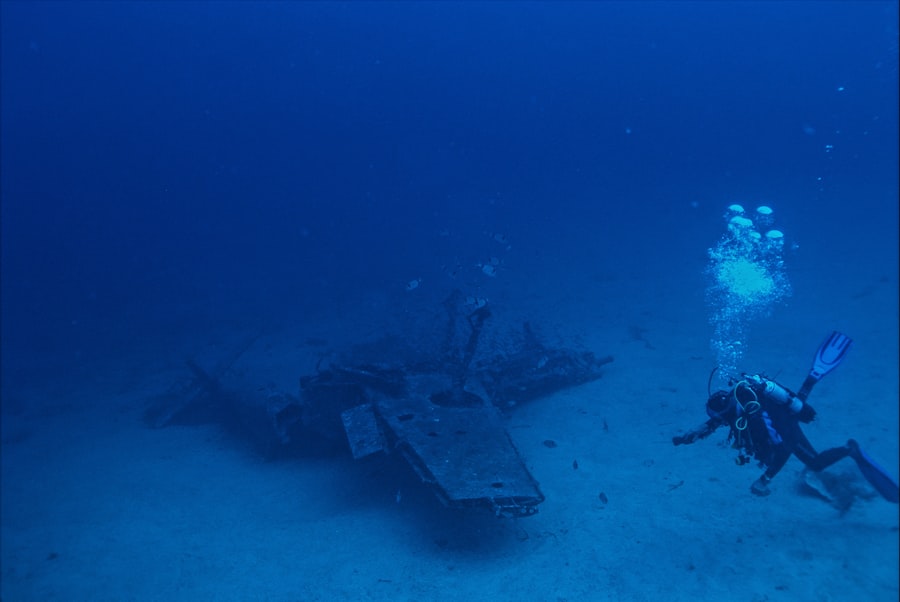
WATCH NOW ▶️ The CIA’s Impossible Mission To Steal A Nuclear Submarine
FAQs
What was the CIA’s involvement in the secret funeral for Soviet sailors?
The CIA organized and conducted a secret funeral for Soviet sailors as part of a covert operation during the Cold War. The agency aimed to manage sensitive information and maintain secrecy around the event to avoid diplomatic tensions.
Why were the Soviet sailors given a secret funeral?
The Soviet sailors were given a secret funeral to prevent public knowledge of their deaths, which could have escalated political tensions between the United States and the Soviet Union during the Cold War era.
When did the secret funeral for the Soviet sailors take place?
The secret funeral took place during the Cold War period, although the exact date is classified or not publicly disclosed due to the sensitive nature of the operation.
Where was the secret funeral for the Soviet sailors held?
The location of the secret funeral was kept confidential by the CIA to maintain operational security and avoid attracting attention from the Soviet Union or the public.
What was the significance of the CIA conducting a secret funeral for Soviet sailors?
The secret funeral demonstrated the CIA’s role in managing delicate international incidents and controlling information during the Cold War. It highlighted the agency’s efforts to handle sensitive situations discreetly to prevent escalation between the superpowers.