
The recovery of cryptographic materials from the Soviet submarine K-129 by the Central Intelligence Agency (CIA) during Operation Azorian represents a pinnacle of Cold War espionage. This meticulously planned and executed operation, though publicly framed as a civilian deep-sea mining endeavor, was a daring attempt to gain invaluable intelligence from a crucial adversary. The K-129 incident and its aftermath offer a compelling case study in technological innovation, strategic deception, and the relentless pursuit of secrets.
The Ballistic Missile Submarine (SSBN) K-129, a Project 629A (Golf II-class) diesel-electric submarine of the Soviet Pacific Fleet, embarked on its 24th patrol from Petropavlovsk-Kamchatsky, Kamchatka Krai, on February 24, 1968. Its mission was to patrol a designated area approximately 1,200 nautical miles northwest of Oahu, Hawaii. However, the submarine failed to report at its scheduled communications check-in on March 8, 1968, sparking immediate concern within the Soviet high command.
The Mystery of Her Disappearance
The exact cause of K-129’s sinking remains a subject of debate among historians and naval experts. Several theories have been proposed:
- Internal Explosion: One prominent theory suggests a catastrophic internal explosion, possibly involving a hydrogen gas buildup from faulty battery charging or a torpedo malfunction. This theory is supported by observations from American surveillance systems, which detected an unusual acoustic event consistent with an explosion near the submarine’s last known position.
- Collision with a Foreign Object: Another theory posits a collision with a submerged object, potentially another submarine or a large debris field. While the likelihood of such a collision in the vast Pacific is low, it cannot be entirely discounted.
- Catastrophic Mechanical Failure: Some experts speculate about a critical mechanical failure, such as a depth control malfunction or a structural integrity breach, leading to an uncontrolled descent.
- Friendly Fire or Accidental Launch: Less credible theories include an accidental launch of one of its own SLBMs (Submarine-Launched Ballistic Missiles) or even an engagement with an unseen adversary. However, no evidence has ever emerged to support these claims.
Soviet Search Efforts and International Awareness
Following K-129’s failure to report, the Soviet Navy launched an extensive, albeit ultimately unsuccessful, search operation. They deployed numerous surface vessels and aircraft to the patrol area. Despite their efforts, the vastness of the Pacific Ocean and the extreme depths at which the submarine ultimately rested made recovery or even precise location discovery a formidable challenge.
Meanwhile, unbeknownst to the Soviets, the United States Navy had also detected the acoustic signature of the K-129’s demise. The SOSUS (Sound Surveillance System) network, a chain of underwater hydrophone arrays developed to track Soviet submarines, had recorded the event. This crucial intelligence provided the Americans with a significant advantage, acting as a silent compass pointing towards the lost submarine.
The CIA’s efforts to recover the K-129 submarine have long been a subject of intrigue and speculation, especially in light of the agency’s advanced cryptographic techniques. For a deeper understanding of the complexities surrounding this operation, you can read a related article that explores the historical context and implications of the recovery mission. Check it out here: CIA Crypto Recovery of K-129.
The Genesis of Operation Azorian: A Daring Proposition
The U.S. Navy’s pinpointing of K-129’s resting place, at a depth of approximately 16,000 feet (4,900 meters), presented an extraordinary opportunity. The submarine represented a treasure trove of intelligence: its nuclear missiles, torpedoes, and, most importantly, its cryptographic systems and codebooks. These materials, if recovered, could provide an unprecedented insight into Soviet naval capabilities, communication protocols, and strategic intentions.
The Intelligence Imperative: Unlocking Soviet Secrets
The Cold War was a constant battle for information supremacy. The ability to intercept, decrypt, and understand enemy communications was paramount to national security. K-129’s cryptographic equipment offered a direct window into this critical domain.
- Codebooks and One-Time Pads: The recovery of Soviet codebooks and, ideally, their one-time pads, would be akin to finding the Rosetta Stone for their coded communications. This would allow the U.S. to read their encrypted messages, gaining insights into military movements, political intentions, and technological developments.
- Cryptographic Hardware: The physical recovery of cryptographic machines and devices would provide invaluable information about Soviet technological capabilities in this sensitive field. This could lead to countermeasures or the development of more robust encryption methods for American forces.
- Weapon Systems and Documentation: Beyond cryptography, the submarine contained nuclear missiles and torpedoes, along with their associated documentation. This allowed for an unprecedented forensic analysis of Soviet weapons technology and design, which could inform American defensive and offensive strategies.
The Technological Challenge: Lifting a Giant from the Abyss
The depth at which K-129 rested posed an engineering challenge of epic proportions. No previous salvage operation had ever attempted to recover an object of this size and weight from such extreme depths.
- Deep-Sea Recovery Techniques: Existing deep-sea recovery technologies were insufficient for this task. New, innovative approaches were required, pushing the boundaries of what was thought possible in ocean engineering. This spurred the development of novel grappling systems, specialized underwater vehicles, and robust deep-ocean lifting mechanisms.
- Cover Story and Deception: To mask the true objective of the operation, a elaborate cover story was concocted. The CIA, working with billionaire Howard Hughes, presented the deep-sea salvage ship Glomar Explorer as a vessel designed for deep-sea manganese nodule mining. This provided a plausible, non-military explanation for the ship’s massive size, advanced capabilities, and remote operating area. The Glomar Explorer itself was a marvel of engineering, specifically designed for this covert mission.
Operation Azorian: The Veil of Secrecy and its Execution
Operation Azorian, greenlit by President Richard Nixon in 1972, was a top-secret endeavor, known only to a select few within the U.S. government and intelligence community. The project’s codename, derived from “A” for Azimuth and “Z” for Zero (representing the hope of obtaining “zero defects” in the operation), reflected its high stakes and ambitious nature.
The Glomar Explorer: A Ship of Secrecy
The centerpiece of Operation Azorian was the Hughes Glomar Explorer, a purpose-built vessel far exceeding the capabilities of any existing deep-sea mining ship. Her unique design, featuring a massive internal moon pool and a sophisticated derrick system, allowed her to remotely deploy and retrieve heavy loads from the ocean floor.
- The “Clementine” Claw: The primary recovery tool was a colossal mechanical claw, nicknamed “Clementine” (or “the grapple”), designed to securely grasp and lift portions of the submerged submarine. The claw’s intricate hydraulic system and immense strength were critical to its success.
- Technological Marvels: The Glomar Explorer was equipped with advanced navigational systems, precise positioning technology, and powerful thrusters to maintain station over the target. Its sheer scale and technological sophistication were integral to the success of the mission. The ship operated under conditions of extreme secrecy, with its crew often unaware of the true nature of their mission.
The Recovery Attempt: Grappling with the Abyss
In the summer of 1974, the Glomar Explorer arrived at the K-129 recovery site. The complex and perilous process of lowering the Clementine claw to encompass portions of the submarine began. Divers and remotely operated vehicles were employed to survey the site and guide the claw’s deployment.
- Partial Success and Unexpected Challenges: The initial recovery attempt proved partially successful. The Clementine claw managed to secure a significant portion of the submarine’s forward section, including two ballistic missiles, torpedoes, and, crucially, its cryptographic materials. However, during the delicate ascent, a structural failure in the claw led to a significant portion of the recovered section breaking away and falling back to the ocean floor. This was a devastating setback, but not a complete failure.
- The Remains of the Submarine: The salvaged section, though incomplete, yielded significant intelligence. This included components of the submarine’s communication systems, sections of its reactor, and the bodies of several Soviet sailors, who were later buried at sea with full military honors. The recovery of these remains underscored the human cost of the Cold War and the ethical considerations involved in such operations.
The Crypto Crown Jewels: An Invaluable Haul
Despite the partial loss of the K-129’s wreckage, the recovered section contained the primary targets of the operation: the cryptographic equipment and associated documentation. This haul represented a monumental intelligence coup for the CIA.
Cracking the Code: Unlocking Soviet Communications
The cryptographic materials were immediately transported to secure facilities for analysis. This process involved a meticulous examination of the hardware and any recovered documents.
- Hardware Analysis: Experts meticulously disassembled and analyzed the physical cryptographic machines, studying their internal workings, design principles, and technological sophistication. This provided insights into Soviet capabilities and weaknesses in secure communications.
- Codebook Exploitation: The most valuable finds were likely the codebooks and potentially even partially used one-time pads. These were “keys to the kingdom,” enabling American intelligence to decrypt previously intercepted Soviet communications and potentially to anticipate future ones. This significantly enhanced the U.S.’s ability to monitor Soviet naval activities, strategic planning, and nuclear posture.
Beyond Cryptography: A Glimpse into Soviet Technology
While cryptography was the primary objective, the recovered debris offered a broader intelligence harvest.
- Nuclear Weapon Components: The presence of nuclear warheads on the recovered missiles allowed for an unprecedented examination of Soviet nuclear weapon design. This provided crucial information about their safety mechanisms, arming sequences, and overall technological capabilities.
- Naval Architecture and Engineering: Sections of the submarine’s hull, internal machinery, and weapon systems offered insights into Soviet naval construction techniques, material science, and engineering practices. This informed American counter-intelligence efforts and allowed for a more accurate assessment of Soviet naval power.
- Crew Remains and Identification: The recovery of six Soviet sailors’ bodies allowed for their identification, offering a measure of closure to their families and demonstrating humanitarian considerations even in the context of intense Cold War rivalry.
The CIA’s efforts in recovering the K-129 submarine have been a topic of intrigue and speculation for many years. This operation not only highlighted the complexities of underwater recovery missions but also showcased the lengths to which intelligence agencies will go to retrieve lost assets. For those interested in a deeper exploration of this fascinating subject, you can read more in a related article that delves into the intricacies of the CIA’s operations and the implications of such recoveries. Check it out here.
The Aftermath and Enduring Legacy
| Metric | Details |
|---|---|
| Operation Name | Project Azorian |
| Target Submarine | Soviet Golf II-class submarine K-129 |
| Date of Sinking | March 8, 1968 |
| Recovery Date | July 1974 |
| Recovery Vessel | Glomar Explorer |
| Depth of Recovery | Approximately 16,500 feet (5,000 meters) |
| Recovered Items | Part of the submarine hull, cryptographic materials, and other intelligence equipment |
| Operation Cost | Estimated in the hundreds of millions (exact figures classified) |
| Significance | One of the most ambitious and secretive Cold War intelligence operations |
The secrecy surrounding Operation Azorian eventually began to fray. In 1975, details of the mission, including the involvement of Howard Hughes and the true purpose of the Glomar Explorer, were leaked to the press, leading to widespread public fascination and controversy.
The Revelation and Public Reaction
The media revelations sparked a flurry of public debate.
- Freedom of the Press vs. National Security: The disclosure reignited the perennial debate about the balance between freedom of the press and the need for government secrecy in matters of national security. The CIA’s attempts to suppress the story via “prior restraint” were largely unsuccessful, ultimately leading to the full story being published.
- CIA Activities and Controversy: The operation attracted both admiration for its daring and criticism for its ethical implications and the immense cost involved. It also contributed to a broader public scrutiny of CIA activities during the post-Watergate era.
Long-Term Impact on Intelligence Gathering
Despite the public unveiling, Operation Azorian’s intelligence gains were profound and long-lasting.
- Strategic Advantage: The insights derived from K-129’s cryptographic materials provided a significant strategic advantage during the latter stages of the Cold War. It allowed the U.S. to monitor Soviet intentions with greater accuracy and to make more informed decisions regarding military deployments and diplomatic initiatives.
- Technological Advancements: The extraordinary engineering feats required for Azorian spurred innovation in deep-sea salvage technology, oceanography, and remote operations. These advancements had applications far beyond intelligence gathering, contributing to scientific research and commercial deep-sea endeavors.
- A Symbol of Cold War Ingenuity: Operation Azorian stands as a powerful testament to the ingenuity, daring, and sheer resourcefulness employed by intelligence agencies during the Cold War. It remains one of the most audacious and successful covert operations in history, a stark reminder of the relentless “shadow war” fought beneath the waves.
In conclusion, the recovery of cryptographic materials from K-129 by the CIA during Operation Azorian was a pivotal moment in Cold War intelligence. It was a monumental undertaking, blending cutting-edge technology, strategic deception, and unwavering determination. Though shrouded in secrecy and eventually exposed to public scrutiny, the operation yielded intelligence of immeasurable value, providing a rare and critical glimpse into the inner workings of a formidable adversary. The K-129, a silent sentinel of the deep, thus became a silent informant, its secrets whispering across the technological divide of the Cold War.
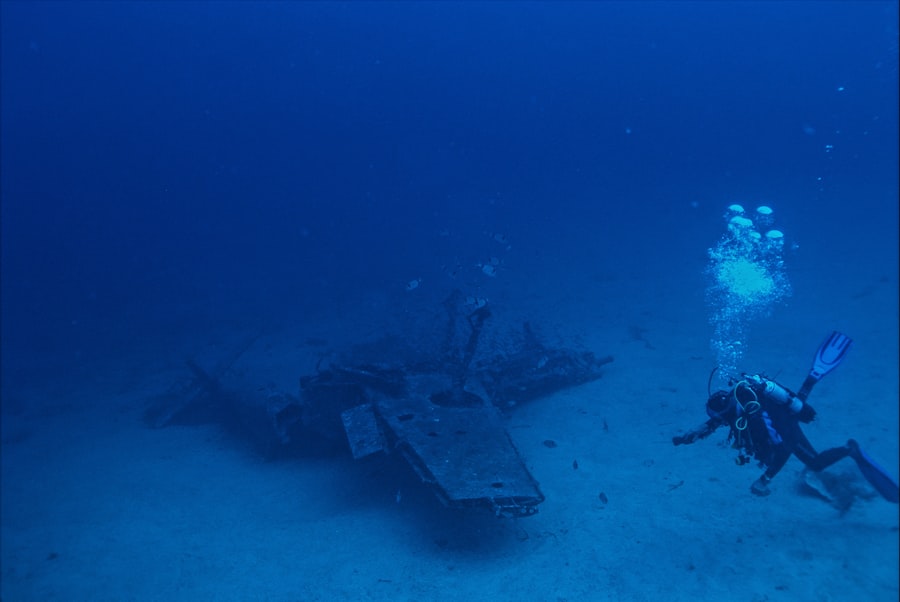
WATCH NOW ▶️ The CIA’s Impossible Mission To Steal A Nuclear Submarine
FAQs
What is K-129 in the context of CIA crypto recovery?
K-129 refers to a Soviet Golf II-class ballistic missile submarine that sank in the Pacific Ocean in 1968. The CIA undertook a secret operation to recover parts of the submarine, including cryptographic materials, to gain intelligence during the Cold War.
Why was the recovery of K-129 important to the CIA?
The recovery was important because the submarine likely contained valuable cryptographic equipment, codebooks, and intelligence documents. Accessing these materials could provide insights into Soviet naval operations and communications.
What methods did the CIA use to recover K-129?
The CIA used a covert operation known as Project Azorian, employing the specially designed ship Hughes Glomar Explorer to attempt to raise parts of the submarine from the ocean floor at a depth of about 16,500 feet.
Was the CIA’s recovery of K-129 fully successful?
The operation was only partially successful. While the CIA managed to recover a portion of the submarine, much of it broke apart during the lift, and some materials were lost. However, the recovered items still provided valuable intelligence.
When did the CIA’s K-129 recovery operation become publicly known?
The existence of Project Azorian and the CIA’s efforts to recover K-129 were kept secret for many years. Details were publicly revealed in the mid-1970s and later confirmed through declassified documents and investigative journalism.