While the allure of the spy genre, with its clandestine operations and geopolitical intrigue, is undeniable, it is important to ground the perception of authenticity in reality. One might imagine the Central Intelligence Agency (CIA) as a hidden hand, meticulously guiding Hollywood’s creation of spy thrillers, ensuring every detail rings true. However, a closer examination of available information reveals that direct, ongoing collaborations between the CIA and filmmakers for the purpose of crafting authentic spy thrillers, as a common practice, are not presently confirmed by publicly accessible data. The landscape of fictionalized espionage on screen is often shaped by other influences, though the desire for verisimilitude remains a powerful engine in the storytelling process.
The spy thriller genre has long captivated audiences, offering a vicarious experience of danger, intellect, and high-stakes decisions. From the suave charm of James Bond to the gritty realism of John le Carré’s protagonists, these narratives tap into a fundamental human fascination with the unseen world of intelligence. The pursuit of authenticity, however, is a complex endeavor, especially when dealing with an organization like the CIA, whose very nature is one of secrecy.
Defining “Authenticity” in Spy Narratives
For audiences, “authenticity” often translates to believable tradecraft, accurate portrayal of geopolitical scenarios, and realistic depictions of the psychological toll of espionage. This can range from the technical aspects of surveillance and code-breaking to the moral ambiguities faced by operatives. Filmmakers frequently strive for this level of detail, understanding that a grounded approach can elevate a story beyond mere fantasy.
The Role of Research and Inspiration
Filmmakers invariably engage in extensive research when creating stories that touch upon real-world organizations and activities. This research often involves consulting publicly available information, historical accounts, and, in some instances, engaging with individuals who possess expertise in relevant fields. The lines between inspiration, research, and direct collaboration can, however, become blurred in public perception.
The collaboration between the CIA and filmmakers has sparked significant interest, particularly in how these partnerships shape the portrayal of intelligence and national security in popular media. A related article that delves into this intriguing relationship can be found at In the War Room, where the complexities of such collaborations are explored in detail, highlighting both the benefits and potential ethical dilemmas involved in blending fact with fiction.
Examining the Nexus: CIA and the Entertainment Industry
The idea of the CIA actively collaborating with filmmakers to produce authentic spy thrillers is a compelling one. It suggests a symbiotic relationship where the agency benefits from shaping public perception and the filmmakers gain unparalleled access to reality. However, current public information does not provide concrete evidence of such widespread, direct partnerships.
Publicly Available Information on CIA Engagement
The CIA, while operating in secrecy, does engage with the public in various ways, including through its official website, declassified documents, and occasional public statements. These avenues primarily serve to inform about the agency’s history, its mission, and its role in national security, rather than to detail specific collaborations with media producers.
The Allure of Fictionalized Espionage
The persistent theme of CIA involvement in real-world intelligence operations fuels the public’s imagination. This inherent interest naturally extends to fictional portrayals, creating a demand for stories that feel as close to the truth as possible. When a film or series successfully captures a sense of realism, it often leads to speculation about the source of that authenticity.
Differentiating Fact from Fiction: The “CIA” Series
A recent development that touches upon the realm of fictionalized intelligence operations is the upcoming CBS scripted series titled “CIA,” slated for premiere in February 2026. This series, produced by Wolf Entertainment, centers on a fictional task force involving both the FBI and the CIA. Trailers released in December 2025 portray Tom Ellis as CIA officer Colin Glass, partnering with FBI agent Bill Goodman, played by Nick Gehlfuss, on covert operations. Filming for the series commenced in September 2025. It is crucial to note that publicly available information indicates this is a fictional production, not a project wherein the actual CIA is directly collaborating with the filmmakers to ensure authenticity through insider guidance. The series appears to be a procedural drama exploring fictional scenarios, rather than a documentary-style exposé assisted by the agency itself. This distinction is vital; it represents a creative endeavor inspired by intelligence work, not a direct conduit between the intelligence community and Hollywood’s creative process.
Historical Context: Occasional Inquiries and Information Sharing
Throughout history, there have been instances where intelligence agencies have, perhaps informally or indirectly, provided background information or consultations for creative projects. These instances, however, are typically discreet and not widely publicized as direct, ongoing collaborations. The nature of intelligence work necessitates a certain level of opacity, making overt partnerships practically improbable.
The Concept of “CIA-Funded Films”

The idea that the CIA might fund films that explore espionage themes is another facet sometimes discussed. This concept can be interpreted in different ways, from direct financial investment to providing resources or access in exchange for a particular narrative portrayal. However, evidence for such direct funding of mainstream spy thrillers, aimed at public consumption and promoting a specific image of the agency, is not readily available.
Understanding the Motives Behind Potential Funding
If an intelligence agency were to engage in funding creative projects, the motivations could be multifaceted. These might include shaping public understanding of intelligence work, countering disinformation, or even subtly influencing perceptions of geopolitical events. However, such initiatives would likely be highly classified given the nature of the organizations involved.
Publicly Discussed Themes in Espionage Cinema
Films and television shows often delve into themes pertinent to intelligence agencies, such as national security, the ethics of surveillance, and the impact of espionage on individuals and society. These thematic explorations are more commonly driven by screenwriters and directors inspired by societal events and existing knowledge, rather than by direct agency input.
The Search for Concrete Evidence of Collaboration
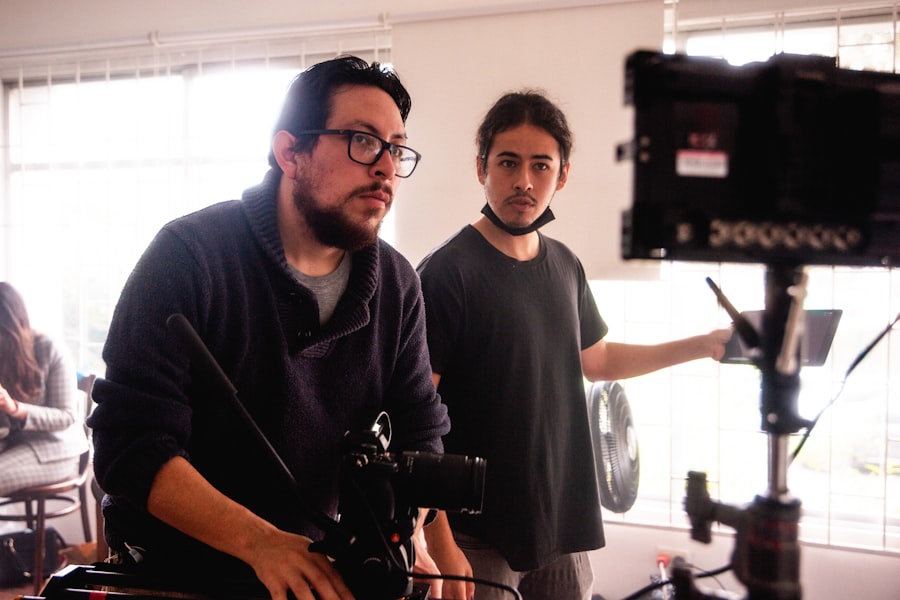
When investigating the claim of CIA collaboration with filmmakers for authentic spy thrillers, the absence of verifiable, recent news makes it difficult to substantiate. The vast majority of information pertains to fictional portrayals and speculative connections.
Recent News and Public Statements
As of the latest available information, there are no confirmed reports or announcements detailing recent, direct collaborations between the CIA and filmmakers for the express purpose of creating authentic spy thrillers. The public discourse often relies on speculation or draws parallels from older, less substantiated anecdotes.
The Nature of Information Leaks and Disclosures
Given the classified nature of intelligence work, any direct collaboration would likely be exceptionally discreet. The very concept of “collaboration” in this context would need to be defined very carefully to distinguish it from general research or the sharing of publicly available information.
The collaboration between the CIA and filmmakers has sparked considerable interest, particularly in how such partnerships shape public perception of intelligence operations. A fascinating article that delves into this topic can be found at this link, where it explores the nuances of storytelling in relation to national security narratives. This relationship between Hollywood and intelligence agencies reveals the complexities of portraying real-life espionage while maintaining a level of authenticity and intrigue.
Independent Exploration of Spy Themes in Media
| Year | Filmmaker/Production | Type of Collaboration | Purpose | Outcome/Impact |
|---|---|---|---|---|
| 2012 | Ben Affleck – “Argo” | Consultation and Access to CIA Archives | Ensure accuracy in depicting CIA operations during the Iran Hostage Crisis | Academy Award for Best Picture; increased public awareness of CIA covert operations |
| 2014 | Netflix – “The Spy” | Advisory Role and Script Review | Portrayal of espionage activities and intelligence gathering | Positive reception for realistic depiction of intelligence work |
| 2017 | Paramount Pictures – “American Assassin” | Technical Guidance and Training | Authentic representation of CIA training and tactics | Enhanced credibility of action sequences and CIA portrayal |
| 2019 | Showtime – “Homeland” | Ongoing Consultation | Accurate depiction of intelligence operations and counterterrorism | Critical acclaim for realism; increased viewer engagement |
| 2021 | Apple TV+ – “Tehran” | Information Sharing and Script Input | Depiction of cyber espionage and Middle East intelligence dynamics | Praised for nuanced portrayal of intelligence challenges |
Even without direct CIA collaboration, filmmakers are adept at creating compelling spy narratives. Their creativity is often fueled by a variety of sources, allowing them to craft stories that resonate with audiences seeking a taste of the clandestine world.
The Role of Intelligence Consultants
A more common, and verifiable, practice in Hollywood involves the hiring of former intelligence officers or security experts as consultants. These individuals can lend their real-world experience to ensure the accuracy of technical details, operational procedures, and the general milieu of espionage. This is distinct from a direct agency collaboration.
Fictionalized Accounts and Speculative Narratives
Many spy thrillers are built upon speculative narratives, drawing inspiration from declassified historical events or general knowledge of intelligence practices. These fictionalized accounts, while entertaining, are not necessarily direct reflections of current intelligence operations or directly sanctioned by the agencies they portray.
The Impact of Societal Events on Storytelling
Real-world events, shifts in global politics, and advancements in technology inevitably influence the types of spy stories that are told. Filmmakers often react to these broader currents, weaving them into their narratives to create a sense of relevance and immediacy.
Looking Ahead: The Future of Fictional Espionage
The desire for authentic spy thrillers is likely to persist, and filmmakers will continue to seek ways to imbue their stories with a sense of grounded reality. While direct CIA collaboration remains unconfirmed as a widespread practice, the pursuit of verisimilitude will undoubtedly continue to drive innovation in the genre.
The Ongoing Quest for Realism
Audiences are increasingly sophisticated and can often discern a lack of authenticity. This demand for realism will continue to push filmmakers to invest in thorough research and expert consultation.
Emerging Trends in Intelligence-Themed Media
As the world of espionage evolves, so too will the narratives that explore it. Future spy thrillers may incorporate new technologies, emerging geopolitical threats, and a more nuanced understanding of the human element in intelligence operations. While the direct hand of the CIA may not be visible, the pursuit of believable storytelling will remain a cornerstone of the spy thriller genre. The journey of crafting these narratives is, in itself, a fascinating case study in how real-world complexities are translated into compelling entertainment.
FAQs
What is the nature of the CIA’s collaboration with filmmakers?
The CIA collaborates with filmmakers by providing technical advice, declassified information, and sometimes access to facilities or experts to ensure accurate portrayals of intelligence work in movies and television.
Why does the CIA work with the film industry?
The CIA works with filmmakers to promote a realistic image of the agency, influence public perception, and sometimes to subtly communicate messages about national security and intelligence operations.
Are there any restrictions imposed by the CIA on filmmakers?
Yes, the CIA may request script reviews and suggest changes to protect classified information or operational methods, but they do not have final approval authority over the content.
Can filmmakers depict the CIA negatively when collaborating with the agency?
While the CIA encourages accurate portrayals, filmmakers are free to depict the agency in a positive or negative light; the agency’s involvement does not guarantee a favorable portrayal.
What are some notable films that involved CIA collaboration?
Films such as “Argo,” “Zero Dark Thirty,” and “The Recruit” are examples where the CIA provided consultation to enhance authenticity in depicting intelligence activities.