China’s Provincial Flood Control Budget Gaps
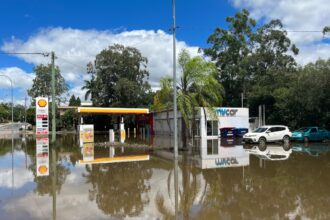
Flood disasters in China are a recurring and significant threat, exacerbated by its extensive river systems, diverse topography, and increasing susceptibility to extreme weather events. While the central government allocates substantial resources towards national flood control efforts, a persistent challenge lies in the considerable budget gaps that emerge at the provincial and local levels. These disparities in funding directly impact the effectiveness of flood prevention and emergency response, leaving many regions vulnerable to devastating consequences. Understanding the nature and extent of these provincial funding shortfalls is crucial for developing more resilient flood management strategies across the nation.
The scale of flood risk in China is immense, necessitating continuous investment in infrastructure, monitoring systems, emergency preparedness, and post-disaster recovery. While national blueprints and overarching policies are established, the granular execution of these plans relies heavily on provincial and municipal budgets. Frequently, the allocated funds from higher administrative levels, combined with provincial revenue, fall short of the actual financial requirements for robust flood control.
Disparity Between Perceived Risk and Fiscal Capacity
Provinces with a high incidence of flood-related disasters or those located in particularly vulnerable geographical areas often face the greatest financial strain. Coastal provinces, for example, must contend with storm surges, while inland provinces grapple with riverine floods and landslides. The economic capacity of these provinces, however, varies significantly. Less developed regions, which are frequently more exposed to flood risks due to historical settlement patterns and limited infrastructure, often possess a weaker tax base and less fiscal autonomy. This creates a structural imbalance where the need for flood control investment is highest, but the ability to generate sufficient funding is lowest.
Strain of Competing Development Priorities
Provincial governments are tasked with balancing a multitude of development priorities, including economic growth, poverty alleviation, public health, education, and environmental protection. Flood control, while critical, sometimes finds itself in competition with immediate economic returns or more visible social programs. The long-term, preventative nature of flood control investments can make them appear less urgent than immediate development needs, leading to under-prioritization in budget allocations, especially when fiscal resources are constrained.
The Impact of Central Government Transfers
While the central government plays a vital role in supporting flood control efforts through direct funding and subsidies, these transfers are not always sufficient to bridge the entire gap at the provincial level. The allocation of these central funds often follows specific guidelines and may not fully account for the unique, localized needs or the cumulative impact of multiple extreme weather events. Furthermore, the timing and predictability of these transfers can also be a factor, sometimes creating uncertainty for provincial planning.
Recent discussions surrounding China’s provincial flood control budget gaps have highlighted the urgent need for improved infrastructure and financial planning. An insightful article that delves into the implications of these budgetary shortfalls can be found at In The War Room. This piece examines the challenges faced by various provinces in managing flood risks and the potential consequences of inadequate funding for disaster preparedness and response.
Contributing Factors to Provincial Budget Gaps
Several interconnected factors contribute to the persistent provincial flood control budget gaps, ranging from the nature of fiscal federalism in China to the increasing costs associated with climate change.
Fiscal Federalism and Revenue Sharing
China’s fiscal system, while evolving, still involves complex revenue sharing arrangements between central and provincial governments. The distribution of tax revenue and the extent of fiscal autonomy granted to provinces can influence their capacity to fund essential services, including flood control. If a significant portion of buoyant tax revenues are centralized, provinces may have limited discretionary funds for essential yet costly infrastructure projects like flood defenses.
Inadequate Local Tax Bases and Reliance on Transfers
Many provincial governments heavily rely on fiscal transfers from the central government to balance their budgets. This reliance can render them susceptible to fluctuations in central government spending priorities or macroeconomic conditions. When central transfers do not fully cover the estimated needs for flood control, or when provincial-level revenue generation mechanisms are insufficient, a deficit inevitably emerges. The absence of robust local tax bases, particularly in less industrialized provinces, exacerbates this dependency.
The Costly Nature of Flood Control Infrastructure
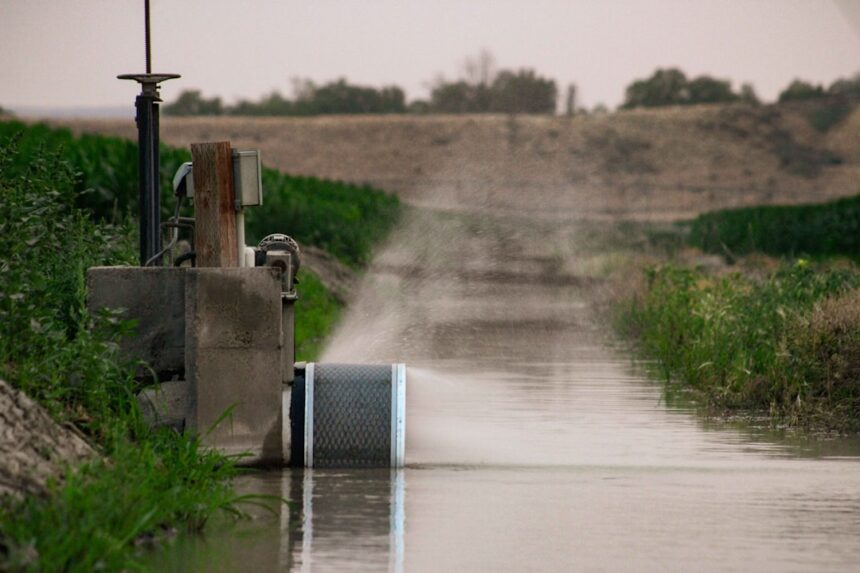
Effective flood control requires substantial and ongoing investment in physical infrastructure. This includes the construction and maintenance of dikes, dams, reservoirs, pumping stations, and improved drainage systems. These are capital-intensive projects with long lifespans but require significant upfront and continuous expenditures for operation, maintenance, and upgrades. The sheer scale of these requirements often overwhelms the available provincial budgets.
The Rising Threat of Climate Change and Extreme Weather
The intensification of climate change is leading to more frequent and severe extreme weather events, including heavy rainfall, typhoons, and prolonged droughts followed by intense floods. This escalating threat necessitates a corresponding increase in flood control capacity and emergency response resources. Provinces are often compelled to adapt and upgrade their existing defenses, a process that incurs substantial, often unforeseen, costs that were not originally factored into their budgets. This proactive adaptation spending, necessary for resilience, contributes directly to budget shortfalls.
Post-Disaster Recovery and Reconstruction Demands
Beyond prevention, provinces are responsible for the immediate aftermath of floods, including rescue operations, temporary housing, and the reconstruction of damaged infrastructure and homes. These post-disaster recovery efforts are enormously costly and can place an immense strain on provincial finances, often diverting funds that would otherwise be allocated to preventative measures. The cycle of disaster, recovery, and the need for enhanced prevention creates a continuous drain on limited resources.
Specific Provincial Vulnerabilities and Funding Disparities
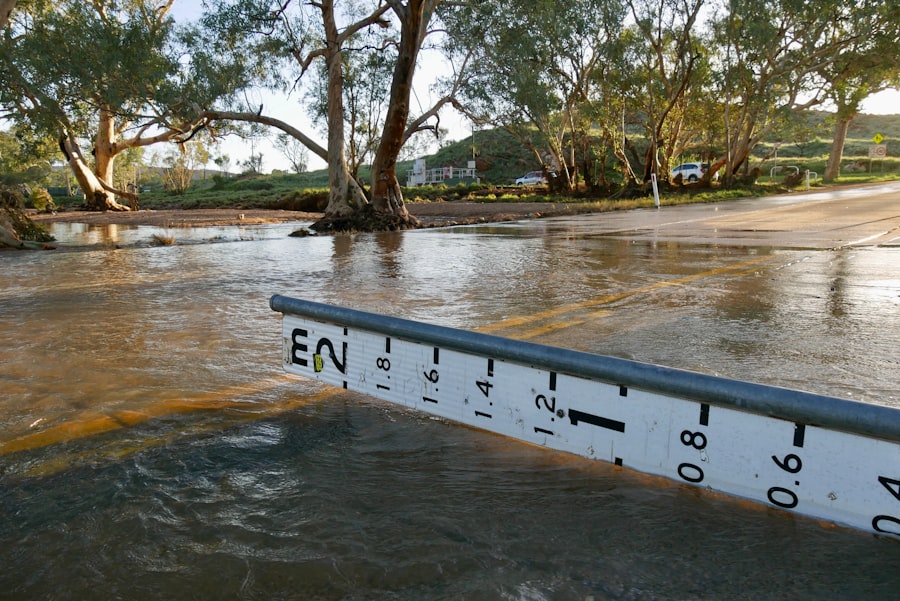
The budget gaps do not manifest uniformly across China. Certain provinces and regions are more acutely affected due to their geographical location, economic development status, and historical flood exposure.
Lower-Income Provinces and Flood Prone Regions
Provinces with lower per capita incomes and a weak industrial base often possess the most vulnerable populations and infrastructure to flooding. These regions are frequently situated in historically flood-prone areas, such as along major river basins like the Yangtze and Yellow Rivers, or in low-lying coastal zones. Their limited tax revenues and smaller contribution to national GDP can result in a disproportionately smaller share of central government allocations, and a greater reliance on their own slender resources, thus widening the funding gap.
Provinces Experiencing Rapid Urbanization
Rapid urbanization, while a driver of economic growth, also presents new flood management challenges. As urban areas expand, natural floodplains are often encroached upon, increasing the risk of inundation. The development of impervious surfaces in cities intensifies stormwater runoff, overwhelming existing drainage systems. Provinces undergoing rapid urban growth often struggle to keep pace with the necessary investment in urban flood control infrastructure, leading to significant budget deficits in this area. The demand for new housing, transportation, and commercial development can overshadow the need for flood resilience.
Regions Affected by Transboundary Water Issues
Provinces that share river basins with neighboring countries or other Chinese provinces may face complex water management challenges. Coordinating flood control efforts across administrative or national borders can be difficult and may require additional investment in data sharing, joint monitoring, and collaborative infrastructure projects. The lack of a unified and adequately funded provincial strategy to address these transboundary issues can contribute to budget shortfalls in specific regions.
The Consequences of Underfunded Flood Control
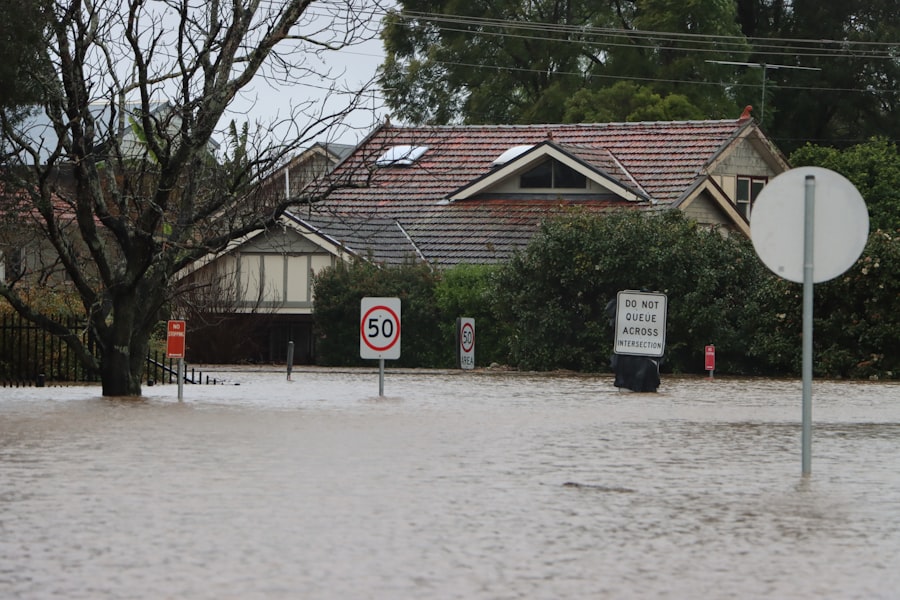
The persistent budget gaps at the provincial level have tangible and detrimental consequences for both immediate safety and long-term resilience.
Compromised Infrastructure Integrity and Effectiveness
Insufficient funding directly impacts the quality and maintenance of flood control infrastructure. Dikes may be inadequately reinforced, drainage systems may not be regularly desilted, and early warning systems may be outdated or non-existent. This leads to a compromised ability to withstand flood events, increasing the risk of breaches and catastrophic failures even during moderate rainfall. The long-term cost of repairing damaged infrastructure after a flood often far exceeds the cost of regular maintenance and proactive upgrades.
Inadequate Emergency Preparedness and Response
Flood control budgets not only fund infrastructure but also critical aspects of emergency preparedness and response. When funding is scarce, provinces may struggle to maintain adequate stockpiles of relief supplies, train sufficient emergency personnel, or conduct regular evacuation drills. This can lead to delayed or ineffective responses during flood events, resulting in higher casualties, greater property damage, and prolonged recovery periods. The inability to preposition resources or establish robust communication networks due to budget constraints is a significant vulnerability.
Increased Economic Losses and Stunted Development
Floods cause widespread economic disruption. They damage agricultural land, destroy businesses, disrupt transportation networks, and displace populations, leading to significant economic losses. When flood control measures are inadequate due to budget limitations, the frequency and severity of these impacts are amplified. This can create a vicious cycle where disaster recovery diverts resources from development, further hindering economic progress in affected provinces. The perception of vulnerability can also deter investment.
Social Disruption and Displacement of Populations
The human cost of inadequate flood control is immense. Floods can lead to the forced displacement of communities, loss of livelihoods, and significant social disruption. Without adequate funding for resilient infrastructure and effective resettlement programs, these communities can become trapped in a cycle of vulnerability and repeated displacement. The psychological toll on affected populations, coupled with the loss of homes and personal belongings, is a significant consequence that is difficult to quantify in monetary terms but represents a profound societal cost.
In recent discussions surrounding China’s provincial flood control efforts, significant budget gaps have emerged, raising concerns about the effectiveness of disaster preparedness. A related article highlights the challenges faced by local governments in allocating sufficient funds for infrastructure improvements and emergency response measures. For further insights on this topic, you can read more in the article found here, which delves into the implications of these financial shortfalls on public safety and environmental resilience.
Addressing the Provincial Budget Gaps: Potential Solutions and Strategies
| Province | Budget Gap (in millions) |
|---|---|
| Anhui | 200 |
| Fujian | 150 |
| Guangdong | 300 |
| Guangxi | 100 |
| Guizhou | 120 |
Mitigating the provincial flood control budget gaps requires a multi-pronged approach involving fiscal reforms, policy adjustments, and enhanced collaboration.
Reforming Fiscal Transfer Mechanisms
The central government could explore reforms to its fiscal transfer mechanisms to better align allocations with provincial flood risk exposure and demonstrated need. This might involve developing more sophisticated formulas that account for factors like historical flood data, climate vulnerability assessments, and the capacity of provincial governments to raise their own revenue. Greater flexibility in the use of transfer funds could also empower provinces to address their specific localized needs more effectively.
Enhancing Provincial Revenue Generation and Fiscal Autonomy
Empowering provinces to generate more of their own revenue is crucial. This could involve devolving more taxing powers, particularly for local-level services, or introducing targeted taxes that can contribute to flood control funding. Strengthening the capacity of provincial tax administrations and exploring innovative financing mechanisms, such as green bonds specifically for climate resilience projects, could also be explored. Increasing fiscal autonomy ensures that provinces have a greater stake and more direct control over the funding of essential services.
Strengthening Public-Private Partnerships and Social Capital
Encouraging private sector involvement in flood control infrastructure development through public-private partnerships (PPPs) can help leverage private capital and expertise. This could involve investments in constructing and maintaining flood defenses, early warning systems, or urban drainage solutions. Furthermore, fostering social capital and community engagement in flood preparedness and response can reduce the burden on government resources and enhance local resilience. This includes raising public awareness, promoting volunteerism, and integrating local knowledge into flood management plans.
Promoting Inter-Provincial Cooperation and Knowledge Sharing
Flood risks often transcend provincial boundaries. Encouraging and facilitating greater inter-provincial cooperation on flood management is essential. This could involve establishing joint funding mechanisms for shared river basin management, developing standardized flood risk assessment protocols, and sharing best practices and technological innovations in flood control. Collaborative efforts can lead to more efficient resource allocation and a more integrated approach to tackling shared flood challenges.
Integrating Climate Change Adaptation into Fiscal Planning
Provinces must proactively integrate climate change adaptation strategies into their long-term fiscal planning. This means anticipating increased costs associated with climate-related extreme weather events and planning for the necessary investments in resilient infrastructure and adaptive capacity. This requires a shift from reactive disaster response to proactive risk reduction and resilience building, ensuring that flood control is not an afterthought but a core component of sustainable development planning.
In conclusion, the issue of provincial flood control budget gaps in China is a complex and persistent challenge with far-reaching implications. Addressing this requires a nuanced understanding of the underlying fiscal, economic, and environmental factors. While the central government’s commitment to flood control is evident, bridging the funding divide at the provincial level necessitates a combination of fiscal reforms, empowerment of local governments, innovative financing, and robust inter-provincial cooperation. Only through sustained and strategic efforts can China hope to build a more resilient future against the pervasive threat of floods.
FAQs
What is the current situation of flood control budget gaps in China’s provincial areas?
As of the latest reports, many provincial areas in China are facing significant budget gaps in their flood control efforts. This has raised concerns about the ability to effectively manage and mitigate the impact of floods in these regions.
What are the potential consequences of these budget gaps on flood control in China?
The potential consequences of the budget gaps on flood control in China include reduced capacity for infrastructure improvements, limited resources for emergency response and relief efforts, and increased vulnerability of communities to the impact of flooding.
Which provinces in China are particularly affected by the flood control budget gaps?
Several provinces in China, including but not limited to Hunan, Jiangxi, and Anhui, have been reported to be particularly affected by the budget gaps in flood control. These provinces are known for their susceptibility to flooding and are in need of adequate resources for effective mitigation.
What measures are being taken to address the flood control budget gaps in China’s provincial areas?
Efforts are being made at both the provincial and national levels to address the flood control budget gaps in China. This includes seeking additional funding from the central government, exploring public-private partnerships, and prioritizing allocation of existing resources to areas most in need.
What are the long-term implications of the flood control budget gaps in China?
The long-term implications of the flood control budget gaps in China may include increased risk of infrastructure damage, economic losses, and threats to public safety. It is crucial for sustainable solutions to be implemented to address these budget gaps and enhance flood resilience in the affected areas.