Chernobyl’s nuclear command systems were designed to ensure reactor safety and operational management. These systems incorporated various technologies and protocols for monitoring reactor performance, controlling operational parameters, and emergency response. The command infrastructure consisted of hardware and software components that provided operators with real-time data on critical conditions including temperature, pressure, and radiation levels.
The underlying design philosophy assumed that a comprehensive monitoring and control framework would prevent accidents and enable rapid response to abnormalities. Despite these intentions, the systems contained inherent vulnerabilities. The critical dependence on human operators to interpret data and make decisions meant that judgment errors or misinterpretations could result in severe consequences.
These command systems reflected not only technical specifications but also the prevailing Soviet organizational culture and operational practices. This environment typically emphasized strict protocol adherence over adaptive problem-solving and critical thinking—a factor that would later contribute significantly to the disaster.
Key Takeaways
- Chernobyl’s nuclear command systems were designed with specific safety protocols that were compromised during the disaster.
- Failures in the command systems and human errors contributed significantly to the events leading up to the Chernobyl disaster.
- The disaster exposed critical vulnerabilities in nuclear command systems, prompting immediate and long-term reforms.
- Global nuclear safety standards and command system designs were heavily influenced by lessons learned from Chernobyl.
- Remembering Chernobyl’s nuclear command systems is essential for ongoing improvements and discussions in nuclear safety.
The Events Leading Up to the Chernobyl Disaster
In the months leading up to the Chernobyl disaster, a series of operational decisions and external pressures set the stage for the catastrophic event. The reactor was undergoing a safety test designed to assess its ability to maintain cooling in the event of a power outage. However, this test was conducted under conditions that were not only risky but also poorly understood by the operators.
The reactor’s design flaws, combined with inadequate training and a lack of comprehensive safety protocols, created a precarious situation. As the test commenced on April 25, 1986, operators made a series of critical errors that would ultimately lead to an uncontrolled reaction. They disabled several safety systems and allowed the reactor to operate at dangerously low power levels.
This decision was compounded by a lack of communication among team members and an overarching culture that discouraged questioning authority. The culmination of these factors created an environment ripe for disaster, as the operators were ill-prepared to handle the rapidly deteriorating conditions within the reactor.
The Role of the Nuclear Command Systems in the Chernobyl Disaster
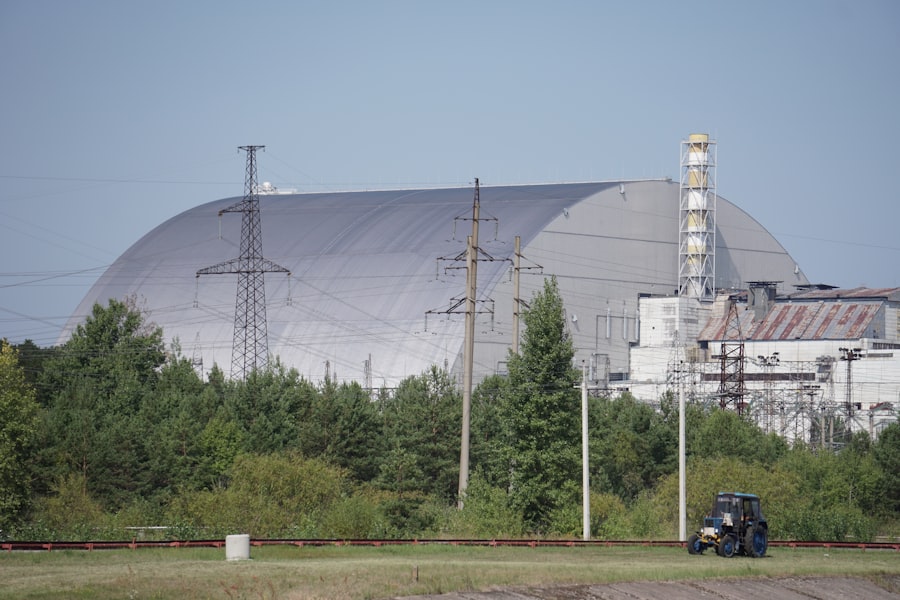
The nuclear command systems at Chernobyl played a pivotal role in both the lead-up to and the execution of the disaster. As operators attempted to conduct the safety test, they relied heavily on the command systems to provide them with critical information about reactor performance. However, due to design flaws and inadequate training, these systems failed to deliver accurate data when it was most needed.
The operators misinterpreted readings and did not fully grasp the implications of their actions, leading to a series of miscalculations that exacerbated the situation. Moreover, the command systems were not equipped to handle the rapid escalation of events once the reactor began to destabilize. As power levels surged uncontrollably, alarms sounded, but many operators were either unaware of their significance or unable to respond effectively due to confusion and panic.
The failure of these systems to provide clear guidance during a crisis highlighted significant deficiencies in both technology and human factors, ultimately contributing to one of the worst nuclear disasters in history.
The Immediate Impact of the Chernobyl Disaster on the Nuclear Command Systems
In the immediate aftermath of the Chernobyl disaster, the nuclear command systems were rendered ineffective as chaos ensued within the control room. The explosion and subsequent fire released massive amounts of radioactive material into the atmosphere, leading to widespread panic and confusion among plant personnel. The command systems, which were supposed to facilitate decision-making and ensure safety, became overwhelmed by the scale of the crisis.
Operators struggled to comprehend the magnitude of what had occurred, and many were left without clear instructions on how to proceed. The failure of communication within the command systems further exacerbated the situation. As information flowed erratically between different departments and levels of management, critical decisions regarding evacuation and containment were delayed.
The lack of a cohesive response plan highlighted significant weaknesses in emergency protocols, leaving operators ill-equipped to manage the unfolding disaster. This breakdown in command not only affected those on-site but also had far-reaching implications for emergency responders and government officials tasked with addressing the crisis.
The Long-Term Effects of the Chernobyl Disaster on the Nuclear Command Systems
| Metric | Description | Value | Unit |
|---|---|---|---|
| Reactor Type | Type of nuclear reactor used at Chernobyl | RBMK-1000 | N/A |
| Control Rods | Number of control rods in the reactor core | 211 | Units |
| Command System Type | Type of command and control system used | Analog and early digital hybrid | N/A |
| Reactor Power Output | Maximum electrical power output of the reactor | 1000 | MW |
| Emergency Shutdown Time | Time taken to initiate emergency shutdown (SCRAM) | 2-3 | Seconds |
| Radiation Monitoring Systems | Number of radiation sensors in the control system | 50+ | Units |
| Operator Stations | Number of control room operator stations | 4 | Units |
| Data Logging Frequency | Frequency of data recording in command systems | 1 | Second intervals |
The long-term effects of the Chernobyl disaster on nuclear command systems were profound and far-reaching.
Many countries recognized that their own nuclear facilities could be vulnerable to similar failures if they did not address systemic issues within their command systems.
As a result, international organizations began advocating for more stringent safety regulations and improved training for operators. Additionally, Chernobyl prompted significant advancements in technology aimed at enhancing nuclear command systems. New designs incorporated more robust safety features, automated monitoring capabilities, and improved human-machine interfaces.
These changes sought to minimize human error and ensure that operators had access to accurate information during emergencies. The lessons learned from Chernobyl became foundational in shaping modern nuclear safety practices worldwide.
Efforts to Improve and Safeguard Nuclear Command Systems in the Wake of Chernobyl
In response to the lessons learned from Chernobyl, numerous efforts were initiated globally to improve and safeguard nuclear command systems. Regulatory bodies across various nations implemented stricter oversight measures for nuclear facilities, emphasizing transparency and accountability in operations. These measures included regular safety audits, mandatory training programs for personnel, and enhanced communication protocols among staff members.
Furthermore, international collaboration became a cornerstone of efforts to bolster nuclear safety. Countries began sharing best practices and lessons learned from their own experiences with nuclear energy. Organizations such as the International Atomic Energy Agency (IAEA) played a crucial role in facilitating this exchange of information, promoting a culture of safety that transcended national borders.
These collaborative efforts aimed not only to prevent future disasters but also to restore public trust in nuclear energy as a viable power source.
Lessons Learned from the Chernobyl Disaster for Nuclear Command Systems
The Chernobyl disaster imparted several critical lessons regarding nuclear command systems that continue to resonate today.
The disaster underscored that even with advanced technology, human error could lead to catastrophic consequences if operators were not adequately trained or if organizational culture discouraged open communication.
Another lesson was the necessity for robust emergency preparedness plans that account for worst-case scenarios. The failure of Chernobyl’s command systems highlighted that relying solely on technology is insufficient; comprehensive training and clear protocols must be established to guide personnel during crises. This realization has led many organizations to prioritize simulation exercises and drills that prepare staff for potential emergencies, ensuring they can respond effectively when faced with real-life challenges.
The Global Implications of the Chernobyl Disaster on Nuclear Command Systems
Chernobyl’s impact extended far beyond its immediate vicinity, influencing global perspectives on nuclear energy and command systems. Countries around the world reassessed their own nuclear programs in light of the disaster, leading some to halt or abandon their nuclear ambitions altogether. Public fear surrounding radiation exposure grew significantly, prompting widespread protests against nuclear energy initiatives.
Moreover, Chernobyl catalyzed international dialogue about nuclear safety standards and regulations. Nations recognized that collaboration was essential for preventing future disasters; thus, they began working together to establish more rigorous safety frameworks. This shift marked a turning point in how countries approached nuclear energy, emphasizing shared responsibility for ensuring safe operations across borders.
The Future of Nuclear Command Systems in the Shadow of Chernobyl
As nations continue to navigate the complexities of nuclear energy production, the shadow of Chernobyl looms large over future developments in nuclear command systems. While advancements in technology have improved safety measures significantly since 1986, challenges remain in ensuring that human factors are adequately addressed within these systems. The ongoing evolution of nuclear energy necessitates a commitment to continuous improvement in both technology and training.
Looking ahead, there is an increasing focus on integrating artificial intelligence and machine learning into nuclear command systems. These technologies hold promise for enhancing decision-making processes by providing real-time data analysis and predictive modeling capabilities. However, as history has shown, reliance on technology must be balanced with an understanding of human behavior and organizational dynamics to create truly resilient command systems.
The Ongoing Legacy of Chernobyl’s Nuclear Command Systems
The legacy of Chernobyl’s nuclear command systems continues to shape discussions around nuclear safety today. The disaster serves as a stark reminder of what can happen when systemic flaws go unaddressed and when human factors are overlooked in high-stakes environments. As new generations enter fields related to nuclear energy, they carry with them an awareness of Chernobyl’s lessons—an understanding that safety is not merely a technical issue but also a cultural one.
In many ways, Chernobyl has become synonymous with cautionary tales about technological hubris and complacency. Its legacy prompts ongoing reflection on how societies engage with nuclear energy—encouraging vigilance in oversight while fostering innovation in safety practices.
The Importance of Remembering Chernobyl’s Nuclear Command Systems in Nuclear Safety Discussions
Remembering Chernobyl’s nuclear command systems is crucial for informing contemporary discussions about nuclear safety. By examining past failures and successes, stakeholders can better understand how to create resilient frameworks that prioritize both technological advancement and human factors. This historical perspective serves as a foundation for developing policies that mitigate risks associated with nuclear energy while promoting public trust.
As nations continue to grapple with energy demands and environmental concerns, it is imperative that they do not lose sight of Chernobyl’s lessons. Engaging in open dialogue about past mistakes fosters a culture of transparency and accountability—essential components for ensuring safe operations in an industry where mistakes can have far-reaching consequences. Ultimately, remembering Chernobyl is not just about reflecting on history; it is about shaping a safer future for generations to come.
The Chernobyl disaster not only highlighted the catastrophic potential of nuclear power but also exposed significant flaws in the command systems governing nuclear facilities. For a deeper understanding of the implications of such command systems in military contexts, you can read the article on nuclear strategy and command structures at In The War Room. This resource provides valuable insights into how command systems can influence decision-making in high-stakes environments, drawing parallels to the failures observed during the Chernobyl incident.
WATCH THIS 🎬 DEAD HAND: The Soviet Doomsday Machine That’s Still Listening
FAQs
What was the role of the command systems at the Chernobyl nuclear power plant?
The command systems at the Chernobyl nuclear power plant were responsible for monitoring and controlling the reactor’s operations, including regulating power output, cooling systems, and safety mechanisms to ensure stable and safe functioning of the nuclear reactor.
How did the command systems contribute to the Chernobyl disaster?
The command systems themselves did not directly cause the disaster, but a combination of design flaws, operator errors, and inadequate safety protocols within the control and command systems contributed to the reactor’s instability, leading to the explosion and meltdown in 1986.
What type of technology was used in the Chernobyl nuclear command systems?
The Chernobyl plant used analog control systems typical of Soviet-era nuclear reactors, including manual controls, mechanical indicators, and early electronic instrumentation, which lacked modern digital safety features and automated shutdown capabilities.
Were there any safety features in the Chernobyl command systems?
Yes, the command systems included safety features such as emergency shutdown mechanisms (SCRAM), control rods to absorb neutrons and halt the reaction, and cooling system controls. However, these features were insufficiently robust or improperly managed during the accident.
How have nuclear command systems improved since the Chernobyl disaster?
Since Chernobyl, nuclear command systems have been significantly upgraded with digital controls, automated safety protocols, real-time monitoring, redundant fail-safes, and enhanced operator training to prevent similar accidents and improve reactor safety worldwide.
Is the Chernobyl nuclear command system still in use today?
No, the Chernobyl nuclear power plant was permanently shut down in 2000. The original command systems are no longer operational, and the site is now managed primarily for containment, decommissioning, and environmental monitoring purposes.
What lessons were learned about command systems from the Chernobyl accident?
Key lessons include the importance of reliable and fail-safe control systems, the need for comprehensive operator training, the dangers of bypassing safety protocols, and the critical role of transparent communication and oversight in nuclear plant operations.