The Three Gorges Dam, a monumental feat of engineering spanning the Yangtze River, was conceived with ambitious goals: flood control, power generation, and improved navigation. Its construction, however, has presented a complex array of unforeseen and enduring challenges, among the most significant being the management of sediment accumulation. This article will explore the multifaceted problems arising from sediment deposition within the reservoir and the Yangtze River system due to the dam’s presence, examining its impact on the dam’s functionality, the river’s ecology, and the surrounding environment.
The Three Gorges Dam’s vast reservoir, extending over 600 kilometers, has fundamentally altered the natural flow of the Yangtze and its sediment transport. Prior to the dam’s construction, the river flowed more freely, carrying a significant load of sediment eroded from the upper reaches and tributaries down to the sea. The dam’s primary function involves storing and releasing water for power generation and flood control, which inherently slows the water flow within the reservoir. This deceleration is the principal driver of sediment deposition.
The Mechanics of Sediment Trapping
The slowing of water velocity within the enormous reservoir creates an environment conducive to sedimentation. As the water moves sluggishly, its capacity to suspend and transport particulate matter diminishes. Heavier and coarser sediments, such as sand and gravel, begin to settle out of the water column relatively close to the dam’s upstream face. Finer silts and clays, which are carried further, also eventually settle as the water continues to slow and spread across the vast expanse of the reservoir. This process of sediment trapping is not a uniform phenomenon; it varies depending on factors such as the upstream sediment load, water flow rates, and the reservoir’s bathymetry. Tributary inflows, which introduce their own sediment loads, further contribute to the complex deposition patterns.
Reservoir Silting and Storage Capacity Depletion
The most direct consequence of sediment trapping is the gradual reduction of the reservoir’s storage capacity. Over time, the accumulated sediment forms a solid mass, effectively reducing the volume of water the reservoir can hold. This has significant implications for the dam’s primary functions. Flood control relies heavily on the reservoir’s ability to absorb excess water during periods of heavy rainfall. As storage capacity is lost, the dam’s effectiveness in mitigating downstream flooding is diminished, potentially leading to increased flood risk for communities along the Yangtze. Similarly, the reduced water volume impacts the dam’s hydroelectric power generation potential. The turbines require a certain head of water to operate efficiently, and a lower water level directly translates to lower power output.
Sedimentation Rates and Projections
Estimates regarding the rate of sedimentation have varied, but it is clear that the phenomenon is significant and ongoing. Studies and monitoring have indicated that a substantial amount of sediment is being trapped annually. While precise figures are subject to ongoing research and measurement methodologies, the consensus is that the rate of silting is in line with, and in some areas exceeding, initial projections. Concerns have been raised that if current trends continue unabated, the reservoir could face significant operational limitations within decades, necessitating costly and complex dredging operations or potentially impacting its long-term viability. The accumulation of sediment is a dynamic process, influenced by changing climatic conditions and land-use practices in the upstream catchment areas.
The sediment load problems associated with the Three Gorges Dam have raised significant concerns regarding its long-term sustainability and ecological impact. A related article that delves deeper into these issues can be found at this link: Three Gorges Dam Sediment Management Challenges. This article discusses the implications of sediment accumulation and erosion on the dam’s operational efficiency and the surrounding environment, highlighting the need for effective management strategies to mitigate these challenges.
Impact on Dam Operations and Infrastructure
The physical deposition of sediment within the Three Gorges Reservoir presents a direct challenge to the dam’s operational efficiency and the longevity of its infrastructure. Sediment is not merely inert matter filling space; it is an abrasive, erosive force that can undermine critical components of the dam and its associated power generation facilities.
Turbines and Power Generation Efficiency
The turbines within the Three Gorges Dam are sophisticated pieces of machinery designed to harness the kinetic energy of flowing water. The presence of abrasive sediment particles in the water supply can cause significant wear and tear on the turbine blades, seals, and other components. This abrasion leads to a gradual increase in friction, a decrease in operational efficiency, and an eventual need for costly maintenance and replacement. Reduced efficiency directly impacts the amount of electricity generated, potentially affecting regional power supply and the economic viability of the dam’s power generation mandate. Moreover, the sediment can clog intake screens, further impeding water flow to the turbines and requiring frequent cleaning.
Navigational Challenges in the Reservoir
One of the stated benefits of the Three Gorges Dam was the improvement of navigation on the Yangtze River, creating a deeper waterway capable of handling larger vessels upstream of the dam. However, sediment deposition has created a counteracting problem. Islands of sediment have begun to form within the reservoir, and the water depth in certain areas has decreased. This can create navigational hazards, requiring careful charting and potentially limiting the size and type of vessels that can safely transit the reservoir. Dredging operations are periodically necessary to maintain navigable channels, adding to the operational costs and complexities of the dam. The deposition also affects the performance of navigation locks, which are crucial for allowing ships to pass the dam.
Spillway and Outlet Works Efficiency
The dam’s spillways and outlet works are designed to release excess water during flood events or for operational purposes. Sediment accumulation in and around these structures can impede their functionality. The presence of sediment can affect the free flow of water through spillway gates and outlet conduits, potentially compromising the dam’s ability to rapidly discharge large volumes of water. This could, in a worst-case scenario, reduce the dam’s effectiveness during extreme flood events, increasing the risk of overtopping or structural damage. Regular inspection and maintenance of these critical components are essential to ensure their proper operation, a task made more challenging by the presence of accumulated silt.
Downstream Ecological and Environmental Consequences
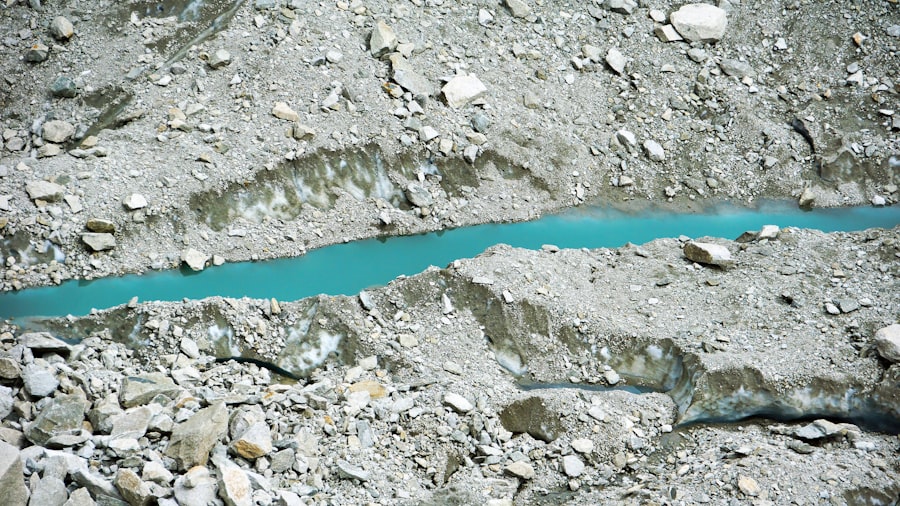
The Three Gorges Dam’s influence extends far beyond its immediate vicinity, with profound ecological and environmental consequences for the downstream Yangtze River ecosystem and the wider coastal region. The trapping of sediment has fundamentally altered the river’s natural sediment budget, impacting habitats, nutrient cycles, and the very geography of the delta.
Nutrient Depletion and Food Web Disruption
Sediments carried by rivers are not merely inorganic particles; they are rich in nutrients that support aquatic life. By trapping a significant portion of this sediment, the Three Gorges Dam effectively acts as a barrier to nutrient flow downstream. This nutrient depletion can have a cascading effect throughout the food web. Phytoplankton, the base of the aquatic food chain, are reliant on dissolved nutrients for growth. Reduced nutrient availability can lead to a decrease in phytoplankton populations, which in turn affects zooplankton, fish, and ultimately, the larger predators that depend on them. This disruption can lead to declines in fish stocks and impact the biodiversity of the Yangtze River ecosystem.
Coastal Erosion and Delta Subsidence
Historically, the Yangtze River has delivered vast amounts of sediment to the East China Sea, contributing to the formation and sustenance of the Yangtze River Delta. This delta is a crucial ecological zone, supporting diverse habitats and acting as a natural buffer against coastal erosion and storm surges. The reduction in sediment discharge caused by the Three Gorges Dam has significantly curtailed this supply. Without the continuous replenishment of sediment, the delta is experiencing increased rates of erosion. The land is effectively subsiding, making it more vulnerable to rising sea levels and coastal flooding. This phenomenon poses a threat to coastal communities and vital agricultural land in the region. The loss of sediment also impacts sediment transport processes in the East China Sea, with implications for marine ecosystems.
Changes in Aquatic Habitats and Biodiversity
The altered flow regime and the reduced sediment and nutrient load have led to significant changes in aquatic habitats downstream of the dam. Tributaries that once fed into the main river with sediment and nutrients now contribute less, altering the character of their flows and the habitats they support. The overall sediment transport capacity of the river has been reduced, leading to clearer water in some sections, which can favor different species and alter competitive dynamics between existing populations. The impact on biodiversity is complex and multifaceted, with some species potentially benefiting from altered conditions while others, particularly those adapted to historically higher sediment loads or specific flow regimes, face significant challenges to their survival. Monitoring efforts are highlighting shifts in species composition and population dynamics.
Strategies for Sediment Management and Mitigation
Addressing the challenges posed by sediment accumulation at the Three Gorges Dam requires a multifaceted approach, involving engineered solutions, revised operational strategies, and enhanced environmental monitoring and management in the upstream catchment. No single solution is likely to be a panacea, and a combination of interventions will be necessary.
Dredging and Sediment Removal
One of the most direct, albeit costly and logistically challenging, approaches to managing accumulated sediment is through dredging. This involves using specialized equipment to excavate sediment from the reservoir and critical navigational channels. Regular dredging operations can help to maintain storage capacity and ensure the navigability of the waterway. However, the sheer volume of sediment involved makes comprehensive dredging a monumental undertaking. Furthermore, the disposal of dredged material presents its own environmental challenges, requiring careful planning to avoid re-suspension of pollutants or the disruption of new habitats. The economic feasibility of large-scale, continuous dredging is also a significant consideration.
Operational Adjustments for Sediment Flushing
Engineers and operators continuously explore operational adjustments that might help in managing sediment. One such strategy is “sediment flushing,” which involves temporarily increasing the dam’s discharge during periods of high upstream flow and sediment load. The idea is to use the increased flow to scour and transport some of the accumulated sediment downstream. This can be a delicate balancing act. Insufficient flushing may have little effect, while excessive or poorly timed flushing could exacerbate downstream erosion or negatively impact power generation. The effectiveness of flushing is also dependent on the size and distribution of sediment particles. Coarser sediments are more difficult to resuspend and transport.
Upstream Catchment Management and Erosion Control
A crucial, long-term strategy for mitigating sediment problems at the Three Gorges Dam involves addressing the sources of sediment in the upstream catchment areas. This encompasses a range of measures aimed at reducing soil erosion from agricultural lands, deforested areas, and construction sites. Afforestation and reforestation programs, sustainable agricultural practices, and improved land-use planning can significantly reduce the amount of sediment entering the Yangtze River system. While these measures may not immediately reduce existing sediment loads in the reservoir, they are essential for slowing the rate of future accumulation and for the long-term health of the river basin. The effectiveness of these upstream measures is dependent on widespread implementation and sustained political will.
The sediment load problems associated with the Three Gorges Dam have raised significant environmental concerns, impacting both the dam’s efficiency and the surrounding ecosystems. For a deeper understanding of these challenges, you can explore a related article that discusses the implications of sediment management in large-scale dam projects. This article provides valuable insights into the ongoing debates surrounding the Three Gorges Dam and its long-term sustainability. To read more, visit this informative piece.
Future Prospects and Long-Term Sustainability
| Issue | Impact | Solution |
|---|---|---|
| Sediment Accumulation | Reduces reservoir capacity, affects water quality | Regular sediment flushing, dredging |
| Downstream Erosion | Threatens riverbanks and infrastructure | Implementing erosion control measures |
| Ecological Impact | Affects aquatic habitats and biodiversity | Implementing environmental mitigation measures |
The Three Gorges Dam represents a significant intervention in the natural environment, and the challenges posed by sediment accumulation are intrinsically linked to its ongoing operation and the long-term sustainability of the Yangtze River ecosystem. The management of sediment will continue to evolve, requiring ongoing research, adaptation, and a commitment to integrated basin management.
Research and Technological Advancements
Continuous research into sediment transport dynamics, reservoir geomorphology, and the environmental impacts of sedimentation is vital. Advancements in remote sensing technologies, numerical modeling, and sediment characterization techniques can provide more accurate data for predictive analysis and informed decision-making. The development of new technologies for sediment removal, sediment utilization (e.g., in construction materials), and more efficient operational strategies will be crucial for addressing the evolving challenges. Collaborative international research efforts can also bring valuable insights and expertise to bear on these complex issues.
Integrated River Basin Management
Effective management of the Three Gorges Dam’s sediment challenges necessitates an integrated approach to river basin management. This means considering the interconnectedness of upstream land use, water flow, sediment transport, power generation, flood control, navigation, and downstream ecological health. Policies and practices developed for one aspect of the system must be evaluated for their impact on others. This requires strong inter-agency coordination and collaboration among various government departments, research institutions, and local communities. A holistic perspective is essential for developing sustainable solutions that balance economic development with environmental protection.
The Dilemma of Dam Decommissioning or Modification
Looking far into the future, the persistent challenge of sediment accumulation raises questions about the long-term viability of the Three Gorges Dam in its current form. While decommissioning such a massive structure is an extraordinarily complex and practically unfeasible prospect in the foreseeable future, the ongoing challenges may necessitate significant modifications to its operation or even consideration of alternative, less impactful, water management strategies in the distant future. The ongoing debate and research surrounding these issues highlight the lasting legacy of large-scale infrastructure projects and the critical importance of anticipating and managing their long-term environmental consequences. The ultimate aim is to find a path towards sustainable water resource management for the Yangtze River, balancing human needs with the imperative of ecological integrity.
FAQs
What is the Three Gorges Dam?
The Three Gorges Dam is a hydroelectric dam located on the Yangtze River in China. It is the world’s largest power station in terms of installed capacity and is designed to generate clean energy for the region.
What are sediment load problems at the Three Gorges Dam?
The sediment load problems at the Three Gorges Dam refer to the accumulation of silt and sediment in the reservoir behind the dam. This can lead to reduced storage capacity, decreased power generation, and increased risk of flooding downstream.
How does the sediment load affect the dam’s operation?
The accumulation of sediment in the reservoir reduces the amount of water that can be stored, which in turn affects the dam’s ability to generate electricity. Additionally, the sediment can cause damage to the turbines and other equipment, leading to increased maintenance costs.
What are the environmental impacts of sediment load at the Three Gorges Dam?
The sediment load can have negative environmental impacts, such as altering the river’s ecosystem, affecting fish migration, and reducing water quality. It can also lead to increased erosion downstream and impact the livelihoods of communities that rely on the river for agriculture and transportation.
What measures are being taken to address the sediment load problems?
To address the sediment load problems, the Chinese government has implemented measures such as sediment flushing and dredging to remove accumulated silt from the reservoir. Additionally, they are exploring ways to manage sedimentation in the long term, such as through the construction of smaller dams upstream.