Camp Century, a once-secret military installation, is nestled within the icy expanse of Greenland. Established during the Cold War, this site was not merely a base; it represented a strategic endeavor by the United States to assert its presence in the Arctic region. The camp was designed to be a self-sufficient community, complete with living quarters, a power plant, and even a chapel, all buried beneath the thick layers of ice.
Its existence was shrouded in secrecy, reflecting the geopolitical tensions of the era and the lengths to which nations would go to secure their interests. The allure of Camp Century lies not only in its military significance but also in its unique construction and the challenges posed by its environment. Built in 1959, the camp was intended to be a temporary facility, yet it became a symbol of Cold War ambitions and technological prowess.
As time has passed, the camp has transformed from a bustling military outpost into a site of historical intrigue and environmental concern. The story of Camp Century is one of innovation, ambition, and ultimately, the consequences of human activity on fragile ecosystems.
Key Takeaways
- Camp Century was a secret Cold War military base built by the US in Greenland in the 1950s.
- The purpose of Camp Century was to test the feasibility of deploying nuclear missiles from the Arctic ice.
- The discovery of environmental hazards at Camp Century, including radioactive waste and pollutants, has raised concerns about its impact on the surrounding environment.
- Efforts to decommission Camp Century have been complicated by the challenges of removing hazardous materials from the site.
- The legacy of Camp Century serves as a reminder of the long-term environmental consequences of military activities in remote locations.
History of Camp Century
The history of Camp Century is deeply intertwined with the geopolitical climate of the late 1950s. As tensions escalated between the United States and the Soviet Union, the Arctic became a focal point for military strategy. The U.S. Army Corps of Engineers initiated the construction of Camp Century as part of a broader initiative known as Project Iceworm, which aimed to establish a network of mobile nuclear missile bases beneath the Greenland ice sheet. This ambitious project was predicated on the belief that the ice would provide natural camouflage and protection from enemy detection. Over the years, Camp Century evolved into a fully operational facility, housing around 200 personnel at its peak. The camp featured advanced technology for its time, including a nuclear reactor for power generation and sophisticated communication systems. However, as the Cold War progressed and military strategies shifted, the relevance of Camp Century diminished.
Purpose and function of Camp Century
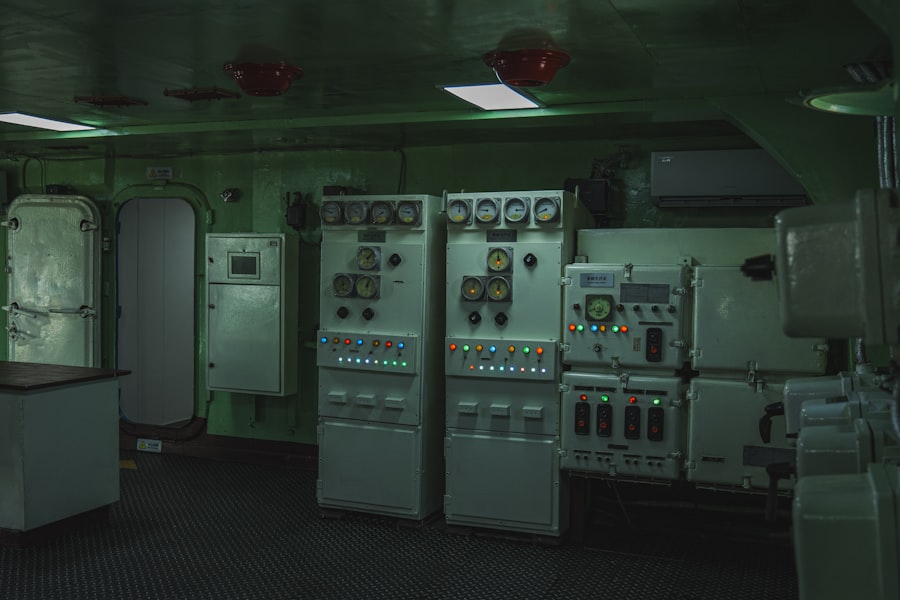
The primary purpose of Camp Century was to serve as a military outpost capable of supporting operations in the Arctic region. It was envisioned as a base for launching nuclear missiles and conducting research on ice and climate conditions. The camp’s design included various facilities to support daily life for its inhabitants, such as sleeping quarters, dining areas, and recreational spaces.
This self-sufficiency was crucial given the remote location and harsh weather conditions that characterized Greenland. In addition to its military functions, Camp Century also served as a research facility. Scientists conducted studies on glaciology and climate change, utilizing the unique environment to gather data that would contribute to understanding global climate patterns.
The dual purpose of Camp Century—military readiness and scientific inquiry—reflected the complexities of Cold War-era priorities, where defense strategies often intersected with advancements in scientific knowledge.
Controversies surrounding Camp Century
| Controversy | Details |
|---|---|
| Environmental Impact | Concerns about the potential release of pollutants and radioactive waste due to melting ice. |
| Legal Issues | Debate over the ownership and responsibility for the cleanup of Camp Century. |
| Geopolitical Tensions | Disputes between Denmark, the US, and Greenland over the future of the site. |
The establishment and operation of Camp Century were not without controversy. Critics raised ethical concerns regarding the militarization of the Arctic and the potential environmental impact of such activities. The idea of burying nuclear missiles beneath ice raised alarms about safety and long-term consequences for the delicate ecosystem.
Furthermore, the secrecy surrounding Camp Century fueled speculation and distrust among both local populations and international observers. As time passed, revelations about the camp’s true purpose and its implications for Greenland’s environment sparked further debate. The notion that military interests could overshadow ecological considerations became a focal point for environmental activists and indigenous communities alike.
The controversies surrounding Camp Century highlighted broader issues related to national security, environmental stewardship, and the rights of local populations in decision-making processes.
Discovery of environmental hazards at Camp Century
In recent years, attention has shifted toward the environmental hazards associated with Camp Century’s legacy. As climate change accelerates and glaciers begin to melt at unprecedented rates, concerns have arisen regarding potential contamination from materials left behind at the site. Reports indicate that hazardous substances, including polychlorinated biphenyls (PCBs) and other toxic chemicals used in construction and maintenance, may pose risks to both local ecosystems and human health.
The discovery of these environmental hazards has prompted calls for urgent action to address the potential consequences of Camp Century’s decommissioning. Scientists have warned that as ice melts, these contaminants could be released into surrounding waters, affecting marine life and potentially entering the food chain. The urgency of addressing these issues underscores the need for comprehensive assessments and remediation efforts to mitigate any adverse effects on Greenland’s fragile environment.
Efforts to decommission Camp Century
Efforts to decommission Camp Century have gained momentum in light of growing environmental concerns. In recent years, various stakeholders—including government agencies, environmental organizations, and scientific communities—have collaborated to develop strategies for addressing the legacy of this military installation. The primary goal is to safely remove hazardous materials and restore the site to a condition that minimizes risks to both people and wildlife.
Decommissioning efforts have involved extensive research and planning to assess the extent of contamination and determine appropriate remediation techniques. This process includes monitoring ice melt patterns, evaluating soil samples, and identifying potential pathways for contaminants to spread. By taking a proactive approach to decommissioning, stakeholders aim to ensure that future generations can learn from Camp Century’s history while safeguarding Greenland’s unique environment.
Challenges in decommissioning Camp Century
Despite concerted efforts to decommission Camp Century, numerous challenges persist. One significant hurdle is the remote location of the site, which complicates logistics for transporting equipment and personnel needed for remediation work. The harsh Arctic climate further exacerbates these challenges, with extreme weather conditions limiting access during certain times of the year.
Additionally, there are financial constraints associated with decommissioning efforts. Securing funding for comprehensive remediation projects can be difficult, especially when competing priorities arise within governmental budgets. Balancing environmental concerns with economic considerations poses an ongoing challenge for stakeholders involved in addressing Camp Century’s legacy.
Impact of Camp Century on the surrounding environment
The impact of Camp Century on its surrounding environment is multifaceted and continues to unfold as climate change progresses. The camp’s construction involved significant alterations to the natural landscape, including disturbances to local ecosystems that may have long-lasting effects. Moreover, as ice melts due to rising temperatures, previously buried materials may become exposed, leading to potential contamination of soil and water sources.
The ecological ramifications extend beyond immediate contamination concerns; they also encompass broader implications for biodiversity in Greenland’s fragile Arctic ecosystems. Changes in temperature and habitat conditions can disrupt migratory patterns for wildlife and alter food webs within these ecosystems. Understanding these impacts is crucial for developing effective conservation strategies that address both historical legacies like Camp Century and ongoing environmental challenges.
Future plans for the site of Camp Century
Looking ahead, future plans for the site of Camp Century involve a combination of remediation efforts and ongoing research initiatives aimed at understanding climate change impacts in the Arctic region. Stakeholders are exploring options for restoring the site while ensuring that any remaining hazards are effectively managed. This may include monitoring programs designed to track changes in environmental conditions over time.
Additionally, there is an emphasis on fostering collaboration between scientists, local communities, and policymakers to create sustainable solutions that honor both historical lessons and contemporary environmental needs. Engaging indigenous populations in decision-making processes is particularly important, as they possess valuable knowledge about local ecosystems and can contribute to more effective conservation strategies.
Lessons learned from the decommissioning of Camp Century
The decommissioning of Camp Century offers several critical lessons that extend beyond this specific site. One key takeaway is the importance of integrating environmental considerations into military planning and operations. The legacy of Camp Century serves as a reminder that short-term strategic goals must be balanced with long-term ecological stewardship to prevent detrimental impacts on vulnerable ecosystems.
Furthermore, transparency in decision-making processes is essential for building trust among stakeholders. Engaging local communities in discussions about remediation efforts fosters collaboration and ensures that diverse perspectives are considered when addressing complex environmental challenges. Ultimately, learning from Camp Century’s history can inform future policies aimed at mitigating similar issues arising from military installations worldwide.
the legacy of Camp Century
The legacy of Camp Century is one marked by ambition, innovation, and cautionary tales about human impact on fragile environments. As a symbol of Cold War-era military strategy, it reflects both technological advancements and ethical dilemmas surrounding national security interests versus ecological preservation. The ongoing efforts to decommission this site highlight the complexities involved in reconciling historical legacies with contemporary environmental responsibilities.
As stakeholders work toward addressing the challenges posed by Camp Century’s legacy, they are reminded that lessons learned from this experience can shape future approaches to military operations in sensitive environments. By prioritizing ecological integrity alongside strategic objectives, society can strive for a more sustainable future—one that honors both history and nature’s delicate balance.
Camp Century, a former U.S.
For a deeper understanding of the implications of such military installations, you can read a related article on this topic at In the War Room. This article explores the broader context of military operations in sensitive environments and the long-term consequences of such activities.
WATCH THIS! Inside Iceworm: America’s Secret Nuclear City Built Under Greenland
FAQs
What is Camp Century?
Camp Century was a military base located in Greenland, built by the United States Army Corps of Engineers in 1959. It was primarily used for scientific research and as a cover for the deployment of ballistic missiles during the Cold War.
Why was Camp Century decommissioned?
Camp Century was decommissioned due to concerns about the environmental impact of the base. The melting ice in Greenland posed a risk of exposing the base’s waste, including diesel fuel, sewage, and radioactive coolant, which could potentially contaminate the surrounding environment.
When was the final decommissioning of Camp Century completed?
The final decommissioning of Camp Century was completed in 1967. The base was officially abandoned and the remaining structures and equipment were left in place.
What was the process of decommissioning Camp Century?
The process of decommissioning Camp Century involved removing all valuable equipment and structures, such as the nuclear reactor and scientific instruments, and leaving the remaining waste and debris in place. The base was then abandoned and left to be covered by snow and ice.
What are the long-term concerns about Camp Century?
The long-term concerns about Camp Century revolve around the potential environmental impact of the abandoned base as the ice continues to melt in Greenland. There is a risk of exposing the waste and contaminants left behind, which could have detrimental effects on the surrounding ecosystem and local communities.