The path to California’s statehood was not a paved highway of democratic decree but a winding, often muddy trail marked by ambition, unintended consequences, and ultimately, a pivotal moment known as the Bear Flag Revolt. This chapter in California’s history, a brief but potent rebellion, served as a crucial domino that tipped the scales towards American control, setting the stage for its eventual incorporation into the United States.
California in the mid-19th century was a land in flux, a geographic canvas rapidly being painted with new influences. For centuries, its destiny had been tied to the Spanish Crown, then to independent Mexico. However, by the 1840s, the winds of change were blowing strongly from the east, carrying with them the ambitions of a burgeoning United States.
The Mexican Era and its Enduring Grip
Before the Bear Flag Revolt, California was a peripheral province of Mexico. Its governance was characterized by a distant capital and a reliance on local Californio leaders, primarily wealthy landowners known as rancheros. The Mexican government’s grip was often tenuous, and the vast distances and developing infrastructure meant that local autonomy was, in practice, quite significant. This period, though under Mexican rule, had cultivated a distinct Californio culture, a blend of Spanish heritage, indigenous traditions, and the rugged realities of frontier life.
Growing American Presence and Influence
Simultaneously, the trickle of American settlers into California began to swell into a steady stream. Drawn by rumors of fertile land, economic opportunity, and the perceived promise of a manifest destiny, these immigrants, often without clear legal standing, started to establish a burgeoning American subculture within the existing Mexican framework. This presence was not inherently hostile, but it introduced a different set of expectations, a different legal philosophy, and a different vision for the future of the territory.
The Shadow of the Mexican-American War
The broader geopolitical landscape played a critical role in the unfolding drama. The United States and Mexico were on a collision course, their territorial disputes culminating in the Mexican-American War, which officially commenced in 1846. While the war’s primary theaters were elsewhere, the specter of conflict loomed large over California, creating an environment of uncertainty and fueling anxieties on all sides. The American naval presence in the Pacific, for instance, was a constant reminder of the growing power dynamics at play.
The Bear Flag Revolt of 1846 played a crucial role in the history of California, ultimately leading to its statehood in 1850. This uprising was fueled by a desire for independence from Mexican rule and was characterized by the establishment of the short-lived California Republic. For a deeper understanding of the events surrounding the Bear Flag Revolt and its impact on California’s journey to statehood, you can read a related article at In The War Room.
The Spark Ignites: The Bear Flag Revolt
It was against this backdrop of political instability and growing external pressure that a small band of American settlers, acting with a sense of urgency and perhaps a touch of recklessness, decided to force the issue. The Bear Flag Revolt, though short-lived, was a dramatic declaration of intent, an act of defiance against Mexican authority that reverberated through the territory.
The Arrival of Freemont and the Rumors of War
Key figures, most notably John C. Frémont, a charismatic American explorer and military officer, played a significant, albeit debated, role. Frémont’s movements in California in 1846, ostensibly engaged in geographic surveying, were viewed with suspicion by Mexican authorities and with hope by many American settlers. Rumors of impending war between the United States and Mexico fueled the perception that an American takeover was not only possible but imminent. This created fertile ground for preemptive action.
The Seizure of Sonoma
On June 14, 1846, a group of approximately thirty American settlers, acting with little to no official sanction from the U.S. government, marched on the small Mexican garrison town of Sonoma. Their aim was to seize control of the region and declare an independent California Republic. This was akin to a spark landing on dry tinder, igniting a fire that many believed would consume the old order.
The Creation of the Bear Flag Republic
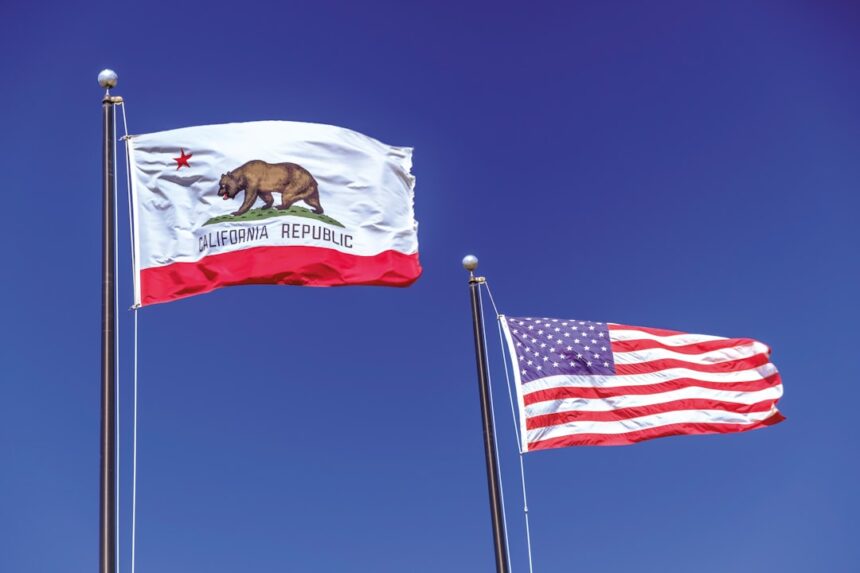
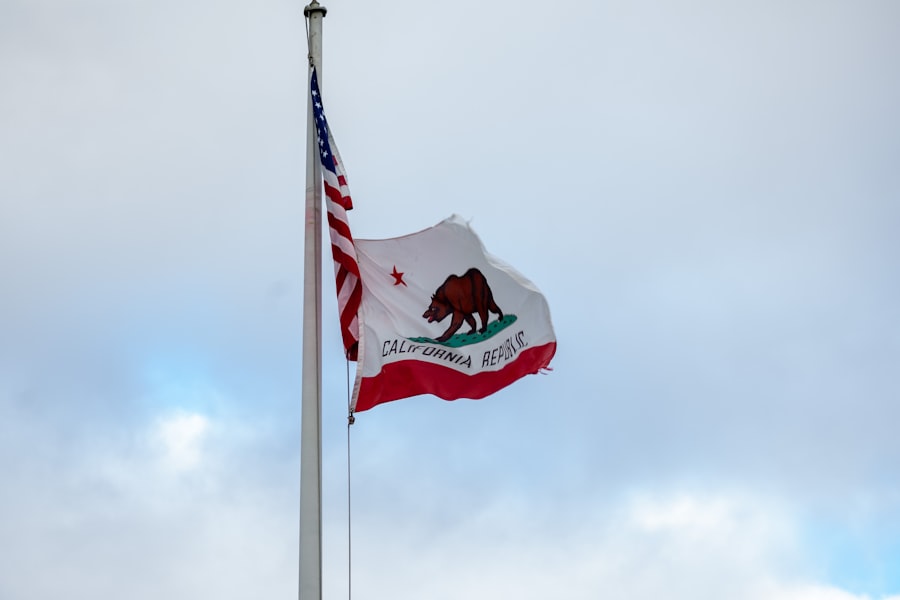
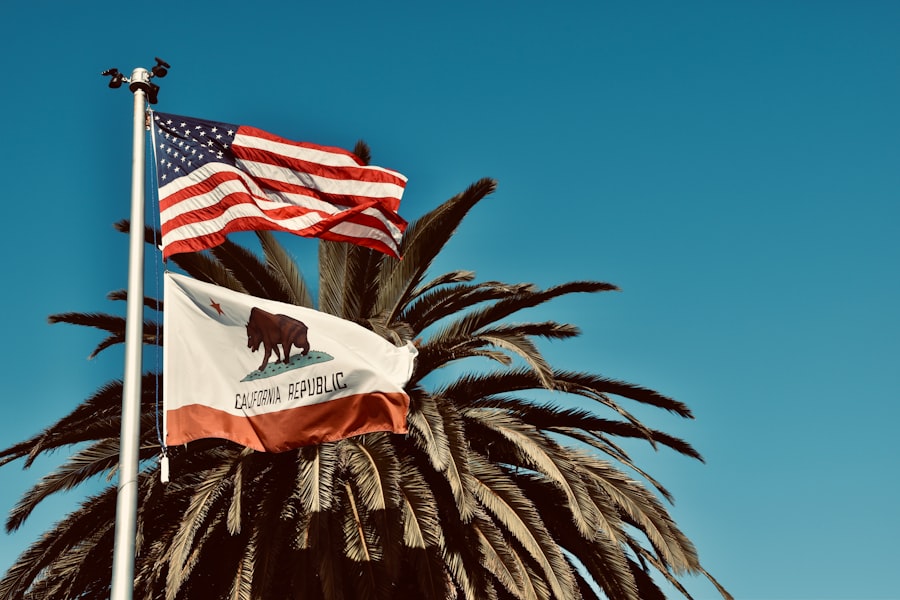
The revolutionaries, after a relatively bloodless takeover of Sonoma, proclaimed the “California Republic.” The symbol of this nascent republic, prominently displayed, was a crudely drawn flag depicting a star, a stripe, and most famously, a grizzly bear. The bear, a powerful symbol of California’s wild nature, became the rallying emblem of this short-lived rebellion. This flag, a vivid testament to their aspirations, was a defiant banner raised against the existing political sky.
Aftermath and Dissolution: A Fleeting Independence
The Bear Flag Republic, as a truly independent entity, proved to be remarkably short-lived. The very forces that had enabled its creation also contributed to its swift demise, as the larger context of the Mexican-American War continued to dictate events.
The Arrival of U.S. Military Forces
The rebellion coincided with the increasing presence of United States military forces in California. Commodore John D. Sloat, commanding the U.S. Navy’s Pacific squadron, had already raised the American flag in Monterey a few days before the Sonoma incident, acting on orders to seize California in the event of war. Sloat’s actions, though not directly coordinating with the Bear Flag rebels, effectively preempted any long-term viability for an independent Bear Flag Republic. The revolt, in essence, became an ante-chamber for American annexation.
The U.S. Military Assumes Control
Soon after, U.S. Army forces under the command of Colonel Stephen Kearny arrived, consolidating American control over California. The Bear Flag rebels, having served their immediate purpose of fomenting unrest and signaling American intent, were largely absorbed into the larger American military effort. Their bold, albeit unauthorized, actions had created a fait accompli, making it significantly easier for the United States to assert its claim.
The Ambiguity of American Support
The extent of direct U.S. government support for the Bear Flag Revolt remains a subject of historical debate. While Frémont’s proximity and actions suggest a degree of tacit endorsement, the official stance was one of deniability. The revolt was, for the most part, an initiative of private citizens, a complex tapestry woven with individual ambition and unfolding geopolitical necessity.
The Path to Statehood: A New Era Dawns
The Bear Flag Revolt, though a fleeting chapter in the grand narrative of U.S. expansion, played a crucial role in paving the way for California’s eventual statehood. It accelerated the process of American control and highlighted the territory’s strategic importance.
The Mexican-American War Concludes
The Mexican-American War officially ended with the Treaty of Guadalupe Hidalgo in 1848. This treaty ceded vast territories to the United States, including California. The American flag, hoisted during the revolt and reaffirmed by military action, now had the legal backing of international treaty to solidify its presence.
The Discovery of Gold: A Game Changer
Just as the political landscape was shifting, a seismic economic event occurred that would forever alter California’s destiny. The discovery of gold at Sutter’s Mill in January 1848, mere days before the signing of the treaty, unleashed a tidal wave of humanity. The California Gold Rush transformed the territory from a sparsely populated frontier into a rapidly growing, diverse, and increasingly prosperous region. This influx of people created an undeniable impetus for more formal governance and a desire for representation.
The Demand for Statehood Intensifies
The explosion of population and economic activity fueled an overwhelming demand for statehood. The existing military governance, established under the terms of the treaty, was no longer adequate for the burgeoning population and its complex needs. The presence of a large, predominantly American populace created a strong desire for self-governance and integration into the United States as a fully recognized state.
The Bear Flag Revolt was a pivotal moment in California’s history, marking a significant step toward its eventual statehood. This rebellion, which took place in 1846, was fueled by a desire for independence from Mexican rule and laid the groundwork for California’s integration into the United States. For a deeper understanding of the events leading up to this revolt and its implications for California’s future, you can explore a related article that delves into the complexities of this period. To read more about the historical context and outcomes, visit this article.
California Becomes the 31st State: The Golden State’s Entry
| Event | Date | Location | Key Figures | Outcome | Significance |
|---|---|---|---|---|---|
| Bear Flag Revolt | June 14 – July 9, 1846 | California (primarily Sonoma) | William B. Ide, Ezekiel Merritt, John C. Frémont | Short-lived California Republic established; U.S. military took control | Marked the beginning of U.S. control over California during the Mexican-American War |
| California Statehood | September 9, 1850 | California | John C. Frémont (first governor), U.S. Congress | California admitted as the 31st state of the United States | Accelerated westward expansion and influenced the balance of free and slave states |
The culmination of these factors – the American military takeover, the Treaty of Guadalupe Hidalgo, the Gold Rush, and the popular demand for self-governance – led inexorably to California’s admission into the Union.
The Constitutional Convention of 1849
In response to the burgeoning population and the urgent need for a coherent government, a Californian Constitutional Convention was held in Monterey in 1849. Delegates from across the territory convened to draft a state constitution, laying the groundwork for its future governance. This convention was a microcosm of the territory’s transformation, bringing together Californios, American settlers, and individuals from diverse backgrounds.
Debates over Slavery and Boundaries
Key to the statehood process were contentious debates, most notably concerning the issue of slavery. California, as a free territory, had a significant impact on the delicate balance of power in the U.S. Senate at the time. Discussions also centered on the precise boundaries of the new state, shaping its geographic identity.
Admittance into the Union
After navigating these complex political waters, California was officially admitted to the Union as the 31st state on September 9, 1850, as part of the Compromise of 1850. This was not a simple decree; it was the result of a lengthy and often fraught legislative process in Washington D.C. Thus, the Bear Flag Revolt, a bold but ultimately subordinate action, had served its purpose, marking the initial ripple of a seismic shift that would eventually see a new star added to the American flag, a star that symbolized a land rich in gold and opportunity. The dream, however imperfectly realized and however complex its origins, had found its place within the larger American union.
FAQs
What was the Bear Flag Revolt?
The Bear Flag Revolt was a short-lived rebellion in 1846 by American settlers in California against Mexican rule. The insurgents declared California an independent republic, symbolized by the Bear Flag, before the territory was taken over by the United States during the Mexican-American War.
When did the Bear Flag Revolt take place?
The Bear Flag Revolt occurred in June 1846. It lasted for about a month before U.S. military forces took control of California.
What was the significance of the Bear Flag?
The Bear Flag was a symbol of the California Republic declared by the American settlers during the revolt. It featured a grizzly bear and a star, representing strength and sovereignty, and later inspired the design of the modern California state flag.
How did the Bear Flag Revolt influence California’s statehood?
The Bear Flag Revolt helped accelerate the U.S. annexation of California. After the revolt and the subsequent U.S. military occupation, California was admitted as the 31st state of the United States in 1850.
Who were the main participants in the Bear Flag Revolt?
The revolt was led primarily by American settlers and immigrants in California, including figures like William B. Ide and Ezekiel Merritt. They opposed Mexican governance and sought to establish an independent or U.S.-aligned California.