
In the realm of intelligence operations, data serves as the backbone of informed decision-making and strategic planning. The significance of data cannot be overstated; it is the raw material from which insights are derived, enabling analysts to identify patterns, predict trends, and make recommendations. In an age where information is abundant yet often fragmented, the ability to harness and interpret data effectively can mean the difference between success and failure in intelligence missions.
The reliance on data has transformed traditional intelligence methodologies, shifting the focus from intuition-based assessments to evidence-based conclusions. Moreover, the dynamic nature of global threats necessitates a robust data-driven approach. Intelligence agencies must navigate a complex landscape filled with rapidly evolving challenges, from cyber threats to geopolitical tensions.
By leveraging comprehensive datasets, agencies can enhance their situational awareness and respond proactively to emerging threats. This reliance on data not only improves operational efficiency but also fosters a culture of accountability, as decisions are grounded in verifiable information rather than conjecture. Thus, understanding the importance of data in intelligence operations is crucial for any agency aiming to maintain relevance and effectiveness in a fast-paced world.
Key Takeaways
- Data quality and source reliability are crucial for effective intelligence operations.
- Legal and ethical guidelines must be strictly followed when acquiring data.
- Strategic planning and budgeting ensure efficient and cost-effective data acquisition.
- Advanced technology and proper training enhance data processing and analysis capabilities.
- Continuous evaluation of data impact improves overall intelligence operation outcomes.
Identifying the Right Sources for Data Acquisition
The process of acquiring data for intelligence operations begins with identifying the right sources. This task is multifaceted, as it involves evaluating various types of data sources, including open-source intelligence (OSINT), human intelligence (HUMINT), signals intelligence (SIGINT), and geospatial intelligence (GEOINT). Each source offers unique advantages and challenges, making it essential for intelligence professionals to discern which sources align best with their operational objectives.
For instance, OSINT can provide valuable insights from publicly available information, while HUMINT can offer nuanced perspectives that are often unavailable through other means. In addition to traditional sources, the rise of digital platforms has opened new avenues for data acquisition. Social media, online forums, and other digital communication channels can serve as rich reservoirs of information.
However, the challenge lies in sifting through vast amounts of data to extract relevant insights. Intelligence agencies must develop strategies to identify credible sources within these platforms while remaining vigilant against misinformation and disinformation campaigns. By employing a diverse array of data sources, agencies can create a more comprehensive picture of the operational landscape, ultimately enhancing their analytical capabilities.
Assessing the Quality and Reliability of Data

Once potential data sources have been identified, the next critical step is assessing the quality and reliability of the information obtained. Not all data is created equal; some may be outdated, biased, or inaccurate. Therefore, intelligence professionals must implement rigorous evaluation criteria to determine the credibility of their data sources.
Factors such as the origin of the data, the methodology used to collect it, and any potential biases must be scrutinized to ensure that the information is trustworthy. Furthermore, establishing a framework for continuous validation is essential in maintaining data integrity over time. This may involve cross-referencing information from multiple sources or employing advanced analytical techniques to identify inconsistencies.
By prioritizing quality over quantity, intelligence agencies can avoid the pitfalls of relying on flawed data that could lead to misguided conclusions. Ultimately, a commitment to rigorous assessment processes not only enhances the reliability of intelligence outputs but also bolsters the agency’s reputation as a credible source of information.
Legal and Ethical Considerations in Buying Data for Intelligence Operations
| Consideration | Description | Potential Risks | Mitigation Strategies |
|---|---|---|---|
| Data Privacy Compliance | Ensuring purchased data complies with laws like GDPR, CCPA, etc. | Legal penalties, reputational damage | Conduct thorough legal review, use compliant vendors |
| Consent and Transparency | Data subjects must have consented to data collection and use | Violation of privacy rights, lawsuits | Verify vendor’s consent mechanisms, audit data sources |
| Data Accuracy and Integrity | Ensuring data is accurate, up-to-date, and unaltered | Faulty intelligence, operational errors | Implement validation processes, cross-check data |
| Source Legitimacy | Confirming data is obtained from lawful and ethical sources | Association with illicit activities, legal consequences | Vet suppliers, require certifications or proof of legality |
| Data Security | Protecting purchased data from unauthorized access or breaches | Data leaks, compromise of intelligence operations | Use encryption, access controls, and secure storage |
| Use Limitations | Adhering to contractual and legal restrictions on data use | Contract breaches, legal disputes | Review contracts carefully, train staff on compliance |
| Ethical Considerations | Respecting human rights and avoiding harm through data use | Public backlash, ethical violations | Establish ethical guidelines, conduct impact assessments |
The acquisition of data for intelligence operations is fraught with legal and ethical considerations that must be navigated carefully. As agencies seek to enhance their capabilities through data purchases, they must remain cognizant of privacy laws, regulations governing data use, and ethical standards that guide their operations. The potential for overreach or misuse of data can lead to significant legal repercussions and damage public trust in intelligence agencies.
Moreover, ethical considerations extend beyond compliance with laws; they encompass broader societal implications as well. Intelligence agencies must grapple with questions about consent, transparency, and the potential impact on individuals’ rights. Striking a balance between operational effectiveness and ethical responsibility is paramount.
Agencies should establish clear guidelines for data acquisition that prioritize respect for privacy while still enabling them to fulfill their mission objectives. By fostering a culture of ethical awareness within their ranks, intelligence organizations can navigate these complex issues more effectively.
Budgeting and Cost Analysis for Data Acquisition
Budgeting for data acquisition is a critical aspect of intelligence operations that requires careful planning and analysis. As agencies seek to expand their data capabilities, they must assess the financial implications of various acquisition strategies. This involves not only evaluating the costs associated with purchasing data but also considering ongoing expenses related to data management, storage, and analysis tools.
A comprehensive cost analysis allows agencies to allocate resources effectively while ensuring that they remain within budgetary constraints. Additionally, agencies should explore innovative funding models that can support their data acquisition efforts. This may include partnerships with private sector organizations or leveraging grants from governmental bodies focused on enhancing national security.
By diversifying funding sources and adopting a strategic approach to budgeting, intelligence agencies can maximize their investment in data acquisition while minimizing financial risks. Ultimately, sound financial planning is essential for sustaining long-term operational effectiveness in an increasingly data-driven environment.
Developing a Strategic Plan for Data Acquisition
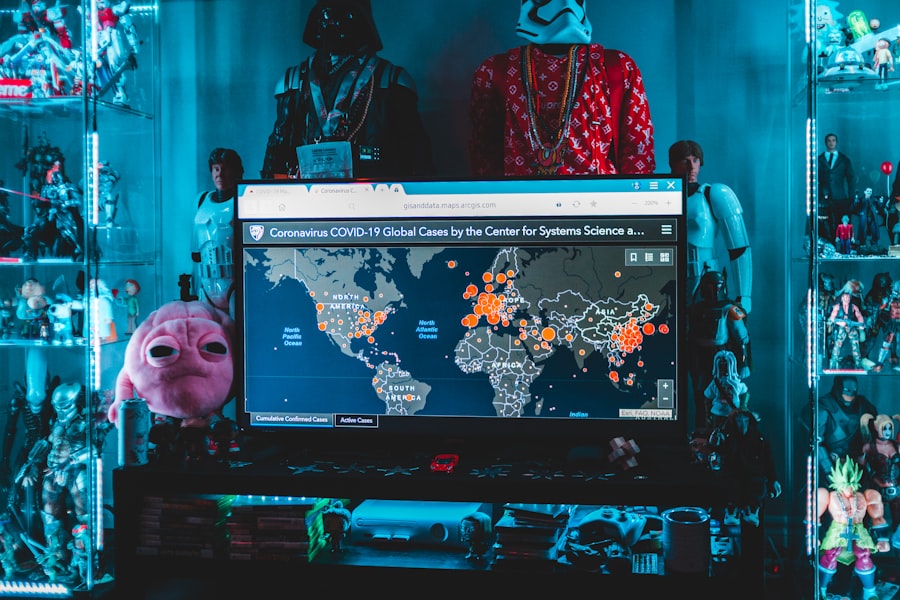
A well-defined strategic plan for data acquisition is essential for guiding intelligence operations toward success. Such a plan should outline clear objectives, identify key stakeholders, and establish timelines for implementation. By setting specific goals related to data acquisition—such as enhancing situational awareness or improving predictive analytics—agencies can create a roadmap that aligns with their overall mission objectives.
Moreover, collaboration among various departments within an agency is crucial for developing a cohesive strategy. Intelligence professionals from different backgrounds can contribute unique perspectives on data needs and potential sources. Regular communication and feedback loops can help refine the strategic plan over time, ensuring that it remains responsive to changing operational requirements.
By fostering a collaborative environment and maintaining flexibility in their approach, intelligence agencies can enhance their ability to acquire and utilize data effectively.
Establishing Protocols for Data Management and Security
Once data has been acquired, establishing robust protocols for management and security becomes paramount. Intelligence agencies handle sensitive information that requires stringent safeguards to prevent unauthorized access or breaches.
Additionally, training personnel on best practices for data handling is essential in fostering a culture of security awareness within the agency. Regular audits and assessments should be conducted to evaluate compliance with established protocols and identify areas for improvement. By prioritizing data management and security protocols, intelligence agencies can mitigate risks associated with data breaches while ensuring that they maintain the integrity of their operations.
Integrating Data into Intelligence Analysis and Reporting
The successful integration of acquired data into intelligence analysis and reporting processes is crucial for deriving actionable insights. Analysts must be equipped with tools and methodologies that enable them to synthesize diverse datasets effectively. This may involve employing advanced analytical techniques such as machine learning or predictive modeling to uncover hidden patterns within the data.
Furthermore, clear communication of findings is essential in translating complex analyses into actionable recommendations for decision-makers. Intelligence reports should be tailored to meet the needs of various stakeholders, ensuring that key insights are presented in a manner that facilitates understanding and informed decision-making. By prioritizing integration efforts and enhancing reporting capabilities, intelligence agencies can maximize the value derived from their data acquisition initiatives.
Leveraging Technology for Data Processing and Analysis
In an era characterized by rapid technological advancements, leveraging technology for data processing and analysis has become indispensable for intelligence operations. The sheer volume of data available necessitates sophisticated tools capable of automating processes and extracting meaningful insights efficiently. Technologies such as artificial intelligence (AI), big data analytics, and cloud computing have revolutionized how intelligence agencies approach data analysis.
AI-powered algorithms can sift through vast datasets at unprecedented speeds, identifying trends and anomalies that may elude human analysts. Additionally, cloud computing offers scalable solutions for storing and processing large volumes of information securely. By embracing these technological innovations, intelligence agencies can enhance their analytical capabilities while freeing up personnel to focus on higher-level strategic tasks.
Ultimately, leveraging technology not only improves operational efficiency but also positions agencies at the forefront of modern intelligence practices.
Training and Skill Development for Data Utilization in Intelligence Operations
As intelligence operations increasingly rely on data-driven approaches, training and skill development become critical components of workforce readiness. Agencies must invest in ongoing education programs that equip personnel with the necessary skills to navigate complex datasets effectively. This includes training in analytical techniques, familiarity with emerging technologies, and an understanding of ethical considerations surrounding data use.
Moreover, fostering a culture of continuous learning encourages personnel to stay abreast of industry trends and best practices.
By prioritizing training initiatives focused on data utilization, intelligence organizations can cultivate a skilled workforce capable of adapting to evolving challenges in an increasingly complex operational landscape.
Evaluating the Impact of Data Acquisition on Intelligence Operations
Finally, evaluating the impact of data acquisition on intelligence operations is essential for measuring success and identifying areas for improvement. Agencies should establish metrics that assess how effectively acquired data contributes to operational outcomes—such as enhanced situational awareness or improved threat detection capabilities. Regular evaluations allow organizations to gauge the return on investment associated with their data acquisition efforts while informing future strategies.
Additionally, feedback mechanisms should be implemented to gather insights from analysts regarding the usability and relevance of acquired datasets. This iterative process fosters a culture of continuous improvement within the agency while ensuring that data acquisition strategies remain aligned with evolving operational needs. By prioritizing evaluation efforts, intelligence agencies can refine their approaches over time, ultimately enhancing their effectiveness in an increasingly complex global landscape.
In conclusion, navigating the complexities of data acquisition in intelligence operations requires a multifaceted approach that encompasses understanding its importance, identifying reliable sources, assessing quality, adhering to legal standards, budgeting effectively, developing strategic plans, establishing robust protocols for management and security, integrating findings into analysis and reporting processes, leveraging technology advancements, investing in training initiatives, and evaluating impact regularly. By addressing these critical areas comprehensively, intelligence agencies can position themselves at the forefront of modern intelligence practices while effectively safeguarding national security interests.
For those interested in the intricacies of acquiring data for intelligence operations, a valuable resource can be found in the article on In The War Room. This site offers insights into the methodologies and ethical considerations involved in data procurement, which are crucial for effective intelligence gathering.
WATCH THIS! The Shadow Spies: How Private Intel Agencies Took Over Global Conflict
FAQs
What is buying data for intelligence operations?
Buying data for intelligence operations involves purchasing information from various sources to support decision-making, analysis, and strategic planning in intelligence activities. This data can include commercial databases, social media information, geospatial data, and other relevant datasets.
Why do intelligence agencies buy data?
Intelligence agencies buy data to supplement their own collection efforts, gain access to specialized or hard-to-collect information, enhance situational awareness, and improve the accuracy and timeliness of their analyses.
What types of data are commonly purchased for intelligence purposes?
Commonly purchased data types include satellite imagery, telecommunications metadata, financial transaction records, social media content, commercial databases, geolocation data, and open-source intelligence (OSINT).
Are there legal considerations when buying data for intelligence operations?
Yes, purchasing data must comply with national and international laws, including privacy regulations, data protection laws, and export controls. Intelligence agencies typically follow strict legal frameworks to ensure the data acquisition is lawful.
How do intelligence agencies verify the quality of purchased data?
Agencies use validation techniques such as cross-referencing with other data sources, assessing the credibility of the data provider, and employing analytical tools to verify accuracy, reliability, and relevance.
What are the risks associated with buying data for intelligence operations?
Risks include acquiring inaccurate or outdated information, potential exposure to misinformation or disinformation, legal liabilities, and ethical concerns related to privacy and data protection.
Can private companies sell data to intelligence agencies?
Yes, many private companies specialize in collecting and selling data to government agencies, including intelligence organizations. These companies provide various types of data and analytical services tailored to intelligence needs.
How is purchased data integrated into intelligence workflows?
Purchased data is typically ingested into intelligence databases and analytical platforms, where it is processed, analyzed, and combined with other intelligence sources to produce actionable insights.
Is buying data a common practice in intelligence operations worldwide?
Yes, buying data is a common and growing practice among intelligence agencies globally, as it provides access to diverse and timely information that may not be available through traditional collection methods.
What measures are taken to protect the confidentiality of purchased data?
Intelligence agencies implement strict security protocols, including encryption, access controls, and secure storage, to protect the confidentiality and integrity of purchased data.