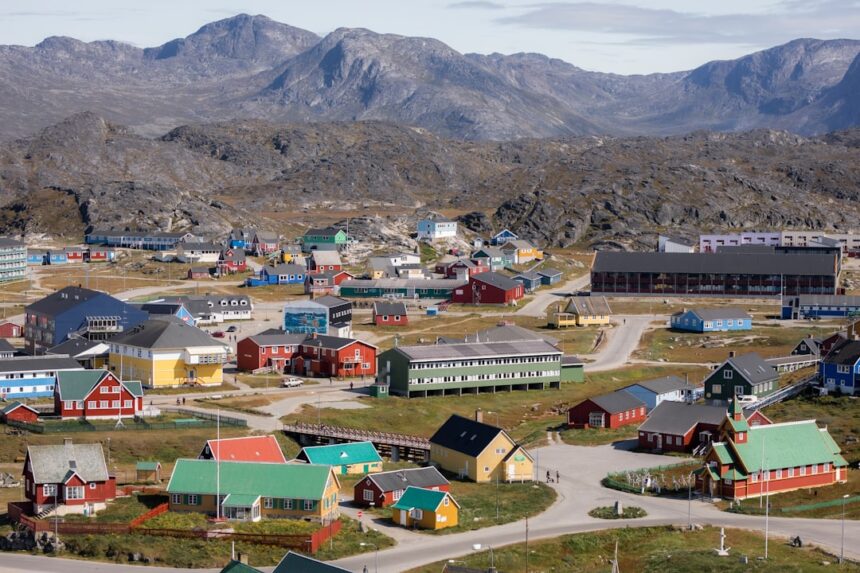
The issue of buried nuclear waste in Greenland has emerged as a significant concern, drawing attention from environmentalists, scientists, and policymakers alike. This remote Arctic territory, known for its stunning landscapes and indigenous cultures, has become an unexpected focal point in the global discourse on nuclear waste management. The discovery of nuclear waste buried beneath its icy surface raises critical questions about safety, environmental integrity, and the long-term implications for both local communities and the planet.
As the world grapples with the challenges of nuclear energy and its byproducts, Greenland’s situation serves as a stark reminder of the complexities involved in managing hazardous materials. Greenland’s unique geographical and climatic conditions add layers of complexity to the issue. The melting ice due to climate change poses a potential risk of exposing buried waste, which could lead to contamination of land and water sources.
This situation not only threatens the delicate Arctic ecosystem but also endangers the health and livelihoods of the indigenous populations who have lived in harmony with their environment for centuries. As the global community seeks sustainable solutions to energy production, the lessons learned from Greenland’s buried nuclear waste could inform broader strategies for nuclear waste disposal worldwide.
Key Takeaways
- Buried nuclear waste in Greenland poses potential risks and dangers to the environment and public health.
- The discovery of nuclear waste in Greenland has raised concerns about its historical context and the environmental impact.
- Current efforts to address the nuclear waste issue in Greenland include monitoring and managing the buried waste.
- International involvement and collaboration are crucial in dealing with nuclear waste in Greenland to ensure effective solutions.
- The discovery of buried nuclear waste in Greenland calls for a call to action to address global nuclear waste disposal issues and implement better management and monitoring practices.
Discovery of Nuclear Waste in Greenland
The discovery of nuclear waste in Greenland can be traced back to a series of military operations conducted during the Cold War era. In the 1950s and 1960s, the United States established a presence in Greenland, primarily for strategic military purposes. During this time, various nuclear materials were transported to the island, some of which were disposed of improperly.
The revelation of these buried materials has sparked renewed interest in understanding the extent and implications of this hidden legacy. Recent investigations have uncovered several sites where nuclear waste was buried, often without adequate documentation or consideration for future consequences. The lack of transparency surrounding these operations has compounded the challenges faced by researchers and local authorities in assessing the current state of the waste.
As more information comes to light, it becomes increasingly clear that addressing this issue requires a comprehensive approach that takes into account both historical context and contemporary environmental concerns.
Potential Risks and Dangers of Buried Nuclear Waste
The potential risks associated with buried nuclear waste are multifaceted and alarming. One of the primary concerns is the possibility of radioactive contamination leaching into the surrounding environment. As climate change accelerates the melting of ice and permafrost, there is a heightened risk that buried waste could be exposed, leading to the release of harmful substances into soil and water systems.
This contamination poses serious health risks not only to local wildlife but also to human populations who rely on these natural resources for sustenance. Moreover, the long-term stability of buried nuclear waste is uncertain. Many of these materials have half-lives that span thousands of years, meaning they will remain hazardous for generations to come.
The potential for natural disasters, such as earthquakes or flooding, further complicates the situation, as these events could disrupt containment measures and exacerbate contamination risks. The combination of these factors underscores the urgent need for effective monitoring and management strategies to mitigate potential dangers associated with buried nuclear waste in Greenland.
Historical Context of Nuclear Waste Disposal in Greenland
| Year | Event |
|---|---|
| 1968 | Denmark begins storing nuclear waste in Greenland |
| 1985 | Greenlandic government bans the storage of nuclear waste |
| 2003 | Denmark agrees to remove nuclear waste from Greenland |
| 2016 | Greenlandic government and Denmark sign agreement for the clean-up of nuclear waste |
To fully understand the current situation regarding buried nuclear waste in Greenland, it is essential to consider its historical context. The Cold War era marked a period of heightened military activity in the Arctic region, with Greenland serving as a strategic location for U.S. military operations. During this time, various nuclear tests and experiments were conducted, leading to the disposal of radioactive materials in unregulated sites across the island. The lack of foresight regarding the long-term implications of these actions has left a legacy that continues to impact Greenland today. As awareness of environmental issues has grown over the decades, so too has scrutiny over past practices related to nuclear waste disposal. The historical negligence surrounding these operations has prompted calls for accountability and transparency from both local communities and international organizations.
Environmental Impact of Buried Nuclear Waste
The environmental impact of buried nuclear waste in Greenland is profound and far-reaching. The Arctic ecosystem is particularly sensitive to changes in temperature and landscape, making it vulnerable to disturbances caused by climate change and human activity. As ice melts and permafrost thaws, there is an increasing risk that buried radioactive materials could be released into the environment, leading to contamination of soil, water sources, and marine ecosystems.
Furthermore, the presence of nuclear waste can disrupt local flora and fauna, affecting biodiversity and ecological balance. Indigenous communities that depend on hunting, fishing, and gathering for their livelihoods face significant threats as their traditional food sources become compromised by contamination. The potential for long-term ecological damage necessitates immediate action to assess and address the environmental risks associated with buried nuclear waste in Greenland.
Current Efforts to Address the Nuclear Waste Issue in Greenland
In response to the growing concerns surrounding buried nuclear waste, various efforts are underway to address this pressing issue in Greenland. Local authorities, alongside international organizations, are working to conduct comprehensive assessments of known burial sites to determine the extent of contamination and develop strategies for remediation. These assessments involve collaboration with scientists, environmental experts, and indigenous communities to ensure that all perspectives are considered.
Additionally, there is a push for increased transparency regarding past military operations and their consequences. By documenting historical practices related to nuclear waste disposal, stakeholders aim to create a clearer picture of the challenges at hand and foster accountability among those responsible for past actions. This collaborative approach is essential for developing effective solutions that prioritize both environmental protection and community well-being.
International Involvement and Collaboration in Dealing with Nuclear Waste in Greenland
The issue of buried nuclear waste in Greenland has garnered international attention, prompting collaboration among various countries and organizations dedicated to addressing nuclear safety concerns. The Arctic Council, an intergovernmental forum comprising eight Arctic states, has taken an active role in facilitating discussions on environmental protection and sustainable development in the region. International partnerships have also been established to share knowledge and resources related to nuclear waste management.
By fostering a spirit of cooperation, stakeholders hope to develop comprehensive strategies that address both immediate concerns and long-term sustainability.
Public Health Concerns and Community Responses to the Discovery of Nuclear Waste
The discovery of buried nuclear waste has raised significant public health concerns among local communities in Greenland. Residents worry about potential exposure to radioactive materials and the implications for their health and well-being. The uncertainty surrounding contamination risks has led to increased anxiety among indigenous populations who have historically relied on their environment for sustenance.
In response to these concerns, community members have mobilized to advocate for greater awareness and action regarding nuclear waste issues. Local organizations have emerged to educate residents about potential risks while pushing for government accountability in addressing past negligence. This grassroots activism highlights the importance of community engagement in shaping policies that prioritize public health and environmental safety.
Future Plans for Monitoring and Managing Buried Nuclear Waste in Greenland
Looking ahead, there is a pressing need for comprehensive plans to monitor and manage buried nuclear waste in Greenland effectively.
Developing robust monitoring systems will enable authorities to detect any signs of contamination early on and implement necessary remediation measures.
Moreover, future management strategies must prioritize collaboration with indigenous communities to ensure that their knowledge and perspectives inform decision-making processes. By integrating traditional ecological knowledge with scientific research, stakeholders can develop more effective approaches that respect cultural values while addressing environmental concerns.
Lessons Learned from the Discovery of Buried Nuclear Waste in Greenland
The discovery of buried nuclear waste in Greenland offers valuable lessons that extend beyond its borders. It underscores the importance of responsible waste management practices when dealing with hazardous materials, particularly in sensitive environments like the Arctic. The historical negligence surrounding past disposal practices serves as a cautionary tale about the long-term consequences of prioritizing short-term military or economic interests over environmental stewardship.
Furthermore, this situation highlights the need for transparency and accountability in decision-making processes related to nuclear waste disposal. Engaging local communities and incorporating their voices into discussions can lead to more equitable outcomes that prioritize public health and environmental protection. As nations around the world grapple with their own nuclear waste challenges, the lessons learned from Greenland’s experience can inform more sustainable practices moving forward.
Conclusion and Call to Action for Addressing Global Nuclear Waste Disposal Issues
In conclusion, the issue of buried nuclear waste in Greenland serves as a critical reminder of the complexities surrounding nuclear energy production and its byproducts. As climate change exacerbates risks associated with buried materials, it is imperative that stakeholders take immediate action to address this pressing concern. Collaborative efforts involving local communities, international organizations, and governments are essential for developing effective monitoring and management strategies that prioritize both environmental integrity and public health.
The lessons learned from Greenland’s experience should resonate globally as nations confront their own challenges related to nuclear waste disposal. A collective commitment to transparency, accountability, and community engagement can pave the way for more sustainable practices that protect both people and the planet. As discussions around energy production continue to evolve, it is crucial that stakeholders prioritize responsible management of hazardous materials to ensure a safer future for generations to come.
Concerns about nuclear waste management have been brought to the forefront with recent discussions surrounding the burial of nuclear waste in Greenland. This controversial practice raises questions about environmental safety and the long-term implications for local ecosystems. For more insights on related topics, you can read an article on this subject [here](https://www.inthewarroom.com/sample-page/).
WATCH THIS! Inside Iceworm: America’s Secret Nuclear City Built Under Greenland
FAQs
What is nuclear waste?
Nuclear waste is the byproduct of nuclear power generation and other nuclear applications. It is highly radioactive and poses a significant threat to human health and the environment.
Why is nuclear waste buried in Greenland?
Greenland was chosen as a burial site for nuclear waste due to its remote location and thick ice sheet, which was believed to provide a stable and secure environment for long-term storage of the waste.
What are the potential risks of burying nuclear waste in Greenland?
The potential risks of burying nuclear waste in Greenland include the possibility of radioactive contamination of the surrounding environment, as well as the potential for the waste to be released into the ocean as a result of melting ice caused by climate change.
What are the concerns of local residents and environmental groups about nuclear waste burial in Greenland?
Local residents and environmental groups are concerned about the potential risks of radioactive contamination and the long-term impact on the environment and human health. They are also worried about the lack of transparency and public consultation in the decision-making process.
What are the current plans for nuclear waste burial in Greenland?
There are currently no active plans for nuclear waste burial in Greenland. The Danish government, which has jurisdiction over Greenland, has stated that it will not allow the burial of nuclear waste on the island.