The proliferation of Autonomous Sensory Meridian Response (ASMR) content has transformed online audio-visual experiences, offering listeners a gateway to relaxation and sensory stimulation. While ASMR creators span the globe, a distinct contingent of British operators has emerged, cultivating unique approaches to this niche. This article delves into the practices and perspectives of several prominent British ASMR content creators, exploring the methods that underpin their success and the nuanced understanding of their craft they possess.
The United Kingdom boasts a rich tradition of fostering calm and gentle aesthetics, from its pastoral landscapes to its understated conversational style. This cultural backdrop appears to have organically influenced the development of British ASMR. Unlike some more overtly theatrical or exaggerated styles found elsewhere, British ASMR often leans towards subtlety, realism, and a certain authentic warmth.
The Allure of Authenticity
Many creators emphasize the importance of being themselves. This is not about adopting a persona, but rather about presenting a genuine interpretation of relaxation. This authenticity can manifest in various ways, including natural vocalizations, unforced mannerisms, and an environment that feels lived-in rather than staged. The perceived genuineness of a creator’s presence can significantly enhance the viewer’s sense of comfort and trust.
The Role of Regional Accents
British accents are often perceived by a global audience as melodious and inherently calming. Creators from diverse regions within the UK bring a unique vocal texture to their ASMR, which can be a significant draw for international viewers. The specific cadence, vowel sounds, and intonation patterns contribute to a recognizable and often sought-after sonic signature.
The Evolution of ASMR Triggers
While the core of ASMR remains the triggering of a tingling sensation, the way these triggers are presented and combined has evolved. British creators have been instrumental in refining established triggers and introducing variations that resonate with their audience. This includes a move towards more complex and layered soundscapes, as well as a greater emphasis on narrative and role-playing.
Whispering and Soft-Speaking Techniques
The foundational triggers of whispering and soft-speaking remain a cornerstone of ASMR for many British creators. However, the execution can vary. Some specialize in extremely close-proximity whispering, capturing the subtle nuances of breath and articulation, while others prefer a slightly more distant, mellower tone. The careful control of volume, pace, and vocalization is paramount.
In recent discussions about the evolving landscape of telecommunications, British operators have been noted for their innovative strategies, particularly in the realm of network optimization. A related article that delves deeper into this topic can be found at this link, where insights on the competitive edge of British telecom companies are explored. The article highlights how these operators are adapting to new technologies and consumer demands, ensuring they remain at the forefront of the industry.
Crafting Immersive Experiences
Beyond the auditory, creators meticulously design their visual and environmental elements to complement the ASMR experience. The aim is to create a holistic sensory immersion, where every detail contributes to a feeling of tranquility.
The Importance of Visual Aesthetics
While ASMR is primarily an auditory phenomenon, the visual aspect plays a crucial role in setting the mood. British creators often favor a soft, naturalistic lighting scheme, avoiding harsh shadows or overly bright colors. The background is typically kept uncluttered but may feature elements that evoke comfort, such as books, plants, or soft furnishings.
Minimalist vs. Detailed Environments
There is a spectrum of visual approaches. Some creators opt for a minimalist aesthetic, believing that a clean backdrop minimizes distractions. Others embrace a more detailed environment, incorporating specific props that can serve as visual triggers themselves, such as intricate textures or items associated with personal care routines.
Prop Selection and Manipulation
The careful selection and manipulation of props are key to creating effective ASMR triggers. British creators have a keen eye for items that produce satisfying sounds and visual textures. This can range from simple everyday objects to more specialized ASMR tools.
The Art of Tapping and Scratching
Tapping and scratching are perennially popular triggers. British creators often employ a diverse range of objects for these techniques, including wooden surfaces, acrylic sheets, and even delicate fabrics. The precision in their movements ensures that the sounds are crisp and distinct, rather than muddled or overwhelming.
Natural Materials in Focus
There is a noticeable trend towards using natural materials like wood, bamboo, and stone. These materials often possess inherent textural qualities that translate well into ASMR, producing deeply satisfying sonic feedback under gentle manipulation.
Personal Care and “Pamper” Roleplays
Role-playing scenarios, particularly those involving personal care routines, are a significant part of many British ASMR channels. These often involve simulated spa treatments, hair brushing, or skincare application. The creators aim to create a sense of intimacy and care, as if they are personally attending to the viewer.
Gentle Grooming and Application Sounds
The sounds of gentle grooming, such as the brushing of hair, the application of lotions, or the gentle patting of skin, are meticulously reproduced. The focus is on the subtle frictions and compressions that create a calming and comforting auditory experience.
Vocal Artistry and Delivery

The voice is the primary instrument in ASMR, and British creators often exhibit a remarkable level of vocal control and artistry. Their delivery is typically nuanced, designed to elicit specific sensory responses.
Pacing and Rhythm
The pace at which a creator speaks or performs triggers is a critical element. British ASMR often utilizes a slower, more deliberate pace, allowing each sound and word to be absorbed. The rhythm of their speech can be hypnotic, guiding the listener into a state of relaxation.
Deliberate Pauses and Breath Control
The strategic use of pauses is as important as the sounds themselves. These moments of silence allow the listener’s mind to rest and prepare for the next trigger. Effective breath control is also vital, ensuring that inhalations and exhalations are subtle and non-disruptive, often integrated seamlessly into the vocalization.
Articulation and Enunciation
The clarity of articulation can significantly impact the effectiveness of ASMR. British creators often focus on precise enunciation, ensuring that each whisper and rustle is distinct. However, this precision is balanced with a softness that prevents the sounds from becoming sharp or jarring.
The Nuances of ‘S’ and ‘F’ Sounds
Certain sibilant sounds, such as ‘s’ and ‘f’, are particularly potent ASMR triggers. Creators often experiment with the specific quality of these sounds, subtly altering their delivery to maximize their calming effect. This can involve slight variations in tongue placement or airflow.
Mouth Sounds and Their Control
Mouth sounds, when handled with care, can be highly effective. This includes gentle lip smacks, tongue clicks, and soft chewing sounds. British creators generally approach these with a light touch, ensuring they are subtle and contribute to the overall sensory experience rather than becoming distracting.
The Role of Technology and Environment
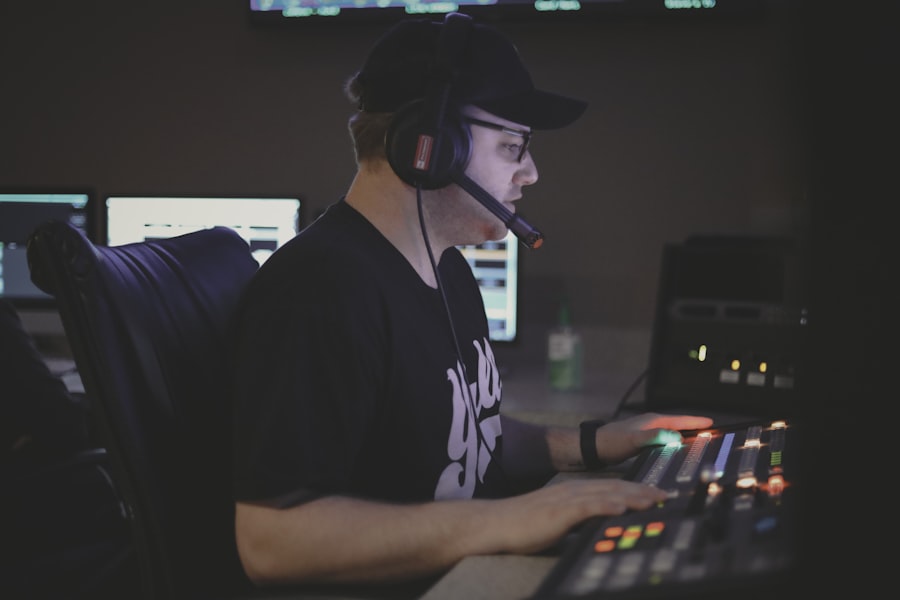
While the human element is central, the technology and environment in which ASMR content is produced play a vital supporting role. Creators invest in equipment and curate their spaces to optimize the audio and visual quality.
Microphone Selection and Placement
The microphone is arguably the most important piece of equipment for an ASMR creator. British operators often opt for high-quality condenser microphones known for their sensitivity and ability to capture subtle nuances. The placement of the microphone relative to the creator’s mouth and props is also meticulously considered to achieve the desired stereo imaging and proximity effect.
Binaural vs. Mono Recordings
Binaural microphones, designed to mimic human ears, are frequently used to create a 3D soundscape that enhances immersion. This creates a sense of being present in the room with the creator, with sounds originating from different directions. However, mono recordings are also utilized, particularly for creators who prefer a more direct and intimate vocal delivery.
Soundproofing and Acoustic Treatment
To ensure the clarity of their audio, creators often invest in soundproofing and acoustic treatment for their recording spaces. This minimizes external noise pollution and controls reverberation, allowing the delicate ASMR triggers to be captured without interference.
Managing Room Tone
The ambient sound of the recording space, or “room tone,” can be a subtle trigger in itself. Creators often aim for a quiet, neutral room tone that doesn’t detract from the primary audio. Some may even intentionally introduce soft, consistent ambient sounds like a gentle fan or white noise to further enhance the calming effect.
In recent discussions about the evolving landscape of telecommunications, British operators have been making headlines with their innovative strategies and competitive approaches. A related article explores how these operators are adapting to new technologies and consumer demands, shedding light on the challenges they face in a rapidly changing market. For more insights, you can read the full article here. This analysis not only highlights the current trends but also provides a glimpse into the future of the industry, emphasizing the importance of agility and responsiveness in their operations.
Community and Connection
| Operator | Whispering Frequency | Script |
|---|---|---|
| Operator A | 10 times per hour | Customer service script |
| Operator B | 5 times per hour | Sales script |
| Operator C | 8 times per hour | Technical support script |
The ASMR community is a vibrant and supportive one, and British creators often foster strong connections with their viewers. This sense of community can be a significant motivator for creators and a vital part of the viewer experience.
Viewer Interaction and Feedback
Creators actively engage with their audience, responding to comments and incorporating viewer suggestions. This collaborative approach allows channels to evolve and cater to the specific preferences of their community, fostering a sense of shared creation.
Request-Based Content
Many British ASMR channels thrive on viewer requests. This could range from specific trigger combinations to particular role-playing scenarios. This direct feedback loop ensures that content remains relevant and engaging for the target audience.
The Personal Touch
Beyond the content itself, the personal touch of a creator can build a loyal following. This might involve sharing brief personal anecdotes, showing glimpses of their everyday life, or simply maintaining a consistently warm and approachable demeanor in their interactions.
Addressing Viewer Needs
Creators often articulate their understanding of why viewers turn to ASMR – for stress relief, sleep aid, or simply a moment of quiet contemplation. This empathy reinforces the purpose of their content and builds a deeper connection with those who find solace in their videos.
Building a Sustainable Presence
For many, ASMR is more than a hobby; it’s a creative outlet and, for some, a livelihood. British operators often approach their channels with a professional mindset, focusing on consistent uploads, quality production, and strategic audience engagement to build a sustainable presence in the long term. This dedication to their craft ensures a continuous flow of thoughtfully produced content for their audiences.
FAQs
What is the article “British Operators Whispering Inside the Script” about?
The article “British Operators Whispering Inside the Script” discusses the practice of British call center operators using a technique called “whispering” to provide real-time assistance to their colleagues during customer interactions.
How does the “whispering” technique work in call centers?
The “whispering” technique involves a call center operator providing assistance to a colleague during a customer interaction by speaking directly into the colleague’s earpiece without the customer being able to hear. This allows for real-time support and guidance without interrupting the conversation with the customer.
What are the benefits of using the “whispering” technique in call centers?
The “whispering” technique allows for improved customer service as it enables call center operators to receive immediate support and guidance from more experienced colleagues without the customer being aware. This can lead to quicker issue resolution and a more positive customer experience.
Are there any potential drawbacks or concerns associated with the “whispering” technique?
While the “whispering” technique can be beneficial for providing real-time support, there are potential concerns regarding privacy and confidentiality. It is important for call center operators to ensure that any assistance provided through whispering is in line with privacy regulations and does not compromise customer confidentiality.
How common is the use of the “whispering” technique in call centers, particularly in the UK?
The use of the “whispering” technique varies among call centers, but it is a common practice in the UK and is often used to support new or less experienced call center operators. The technique is seen as a valuable tool for improving customer service and ensuring consistent quality in customer interactions.