Recent analyses and whistle-blower accounts have illuminated a concerning set of tactics allegedly employed by certain British entities, revolving around the strategic use of manufactured power outages. Far from being genuine infrastructure failures, these incidents are posited to be carefully orchestrated events, designed to achieve specific political and economic objectives. This article aims to dissect these alleged deceptions, examining the purported mechanisms, motivations, and implications of using fake power cuts as a tool to propagate narratives and secure advantageous outcomes.
The concept of manufactured scarcity is not new. Throughout history, those in positions of power have manipulated supply and demand to influence behavior and control markets. In the context of energy, a sudden and unexplained disruption can create a palpable sense of vulnerability and urgency. In Britain, a nation deeply reliant on a stable energy supply, a protracted or widespread power cut acts as a primal alarm bell, cutting through the everyday hum of modern life.
Historical Precedents of Energy Manipulation
Understanding the “Shock Doctrine” in an Energy Context
The “shock doctrine,” a term popularized by Naomi Klein, describes the strategy of using large-scale crises to push through radical economic reforms. While typically associated with financial or political upheavals, the energy sector is a prime candidate for such tactics. A sudden and severe energy crisis, even if manufactured, can create the necessary public anxiety and political will to accept otherwise unpalatable solutions.
The Role of Information Control
Information is the currency of perception. When a power cut occurs, the narrative surrounding it is crucial. Those who can control the flow of information, framing the event as an unavoidable consequence of a particular policy or an impending disaster, can effectively guide public opinion. This aspect is central to the alleged deception – the power cut is not just an absence of electricity, but a carefully constructed stage for a specific story to unfold.
In exploring the tactics employed during wartime propaganda, an intriguing article discusses how the British government utilized fake power cuts to perpetuate the illusion of energy shortages, thereby reinforcing the narrative of resilience and sacrifice among the populace. This strategy not only aimed to bolster morale but also to manipulate public perception regarding the war effort. For further insights into this fascinating aspect of wartime psychology, you can read more in the article available at In The War Room.
The Mechanics of Orchestrated Outages
Investigative journalists and former industry insiders suggest that the execution of fake power cuts is a sophisticated operation, requiring meticulous planning and coordination. The aim is to create an event that appears natural, thus deflecting suspicion and lending credibility to the subsequent narrative.
Simulating Infrastructure Failure
- Controlled Grid Instability: Experts contend that modern power grids possess inherent redundancies and sophisticated control systems. Creating a widespread outage would necessitate circumventing or deliberately overloading these systems. This could involve manipulating load balances, triggering cascade failures deliberately, or even disabling safety mechanisms in a controlled manner.
- Targeted Equipment Malfunction: Allegations point to the possibility of deliberately sabotaging key pieces of infrastructure at critical junctures. This could range from tampering with substations to introducing faults within the grid’s control software, designed to mimic the symptoms of genuine component failure.
- The Art of the “Glitch”: The success of such deception hinges on the plausibility of the “malfunction.” The aim is to create a scenario that technicians and engineers would, in initial assessments, attribute to genuine wear and tear or unforeseen circumstances, rather than deliberate action.
The Covert Deployment of Artificial Load
A more subtle approach involves artifically increasing demand beyond the grid’s immediate capacity, without genuine consumption. This could be achieved through complex digital simulations or by temporarily activating dormant, high-demand infrastructure elements under the guise of testing or maintenance.
- Simulated Industrial Demand Peaks: The idea is to mimic an unexpected surge in industrial activity, overwhelming the available power generation. This could involve running large, power-intensive equipment for short, unscheduled periods.
- “Ghost” Data Centers or Manufacturing Plants: Sophisticated computational models could be used to simulate the energy draw of large facilities, creating a virtual pressure on the grid that mirrors a genuine demand spike.
The Human Element: Inside Knowledge and Compromised Systems
A crucial component of any deliberate disruption involves individuals with intimate knowledge of the grid’s operation. This could include disgruntled employees, coerced individuals, or those acting under false pretenses.
- Exploiting Administrator Privileges: Access to grid management software is a key. Individuals with high-level permissions could manipulate settings, override safety protocols, or initiate shutdown sequences within their designated operational areas.
- Social Engineering and Coercion: In some darker scenarios, it is suggested that individuals might be manipulated or coerced into facilitating these outages, perhaps unknowingly or under duress, by providing access or executing specific commands.
The Narrative Power of a Blackout
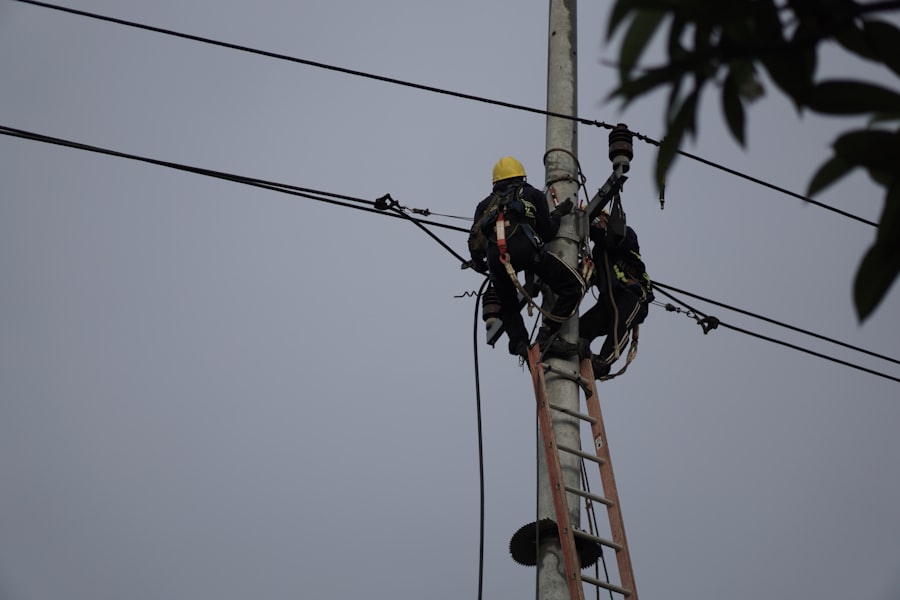
Once a power cut is implemented, its impact extends far beyond the inconvenience of darkness. It becomes a powerful narrative tool, capable of shaping public perception and justifying subsequent actions. The absence of light, a fundamental human need, breeds a primal fear and a yearning for solutions.
Framing the Crisis: Blame and Justification
A manufactured power cut is rarely presented as such. Instead, it is systematically framed as evidence of a particular problem, be it underinvestment, the failure of renewable energy, or the consequences of policy decisions.
The “Incompetence” Narrative
One common thread is blaming existing energy providers or government bodies for alleged incompetence or outdated infrastructure. A sudden outage, under this framing, becomes Exhibit A in a case for wholesale reform or the imposition of new regulations.
The “Necessity” Narrative
Alternatively, the outage can be used to justify radical policy shifts. If the narrative is that the country is on the brink of an energy collapse due to current policies, then drastic measures, such as rationing or the rapid expansion of certain energy sources, are presented as the only viable path forward. This is akin to holding a dripping faucet and arguing for the immediate installation of an entirely new plumbing system, when the faucet only needed tightening.
The Rush to “Solutions”
The fear and uncertainty generated by a power cut create fertile ground for pre-determined “solutions.” These solutions, often presented as urgent responses to the crisis, may have been conceived and lobbied for long before the outage occurred.
The “Quick Fix” Gambit
When the lights go out, the public is less inclined to scrutinize the long-term implications of proposed fixes. The immediate need for restored power overshadows questions about cost, sustainability, or alternative approaches. This creates a window of opportunity for specific energy technologies or policies to be fast-tracked, often with significant public funding.
The “National Security” Imperative
In many cases, energy security becomes the trump card. A manufactured crisis can be amplified into a national security threat, thereby legitimizing extraordinary measures and bypassing normal democratic processes for debate and approval.
Real-World Ramifications and Alleged Victims

The consequences of these alleged deceptions extend to significant economic and societal impacts. While the orchestrators may stand to gain, others often bear the brunt of the fallout.
Economic Disruption and Lost Opportunities
- Business Interruption Costs: Businesses suffer direct losses due to halted operations, spoiled goods, and missed deadlines. This can cripple small enterprises and create significant financial strain for larger corporations.
- Investment Uncertainty: A volatile energy landscape, marked by frequent and unexplained disruptions, erodes investor confidence. This can deter foreign investment and stifle domestic economic growth.
- Consumer Burden: Ultimately, the costs associated with fixing, compensating for, or adapting to these manufactured crises often fall upon the consumer, through higher energy bills or increased taxes.
Erosion of Public Trust and Political Polarization
Perhaps the most insidious consequence is the damage inflicted on public trust. When citizens perceive that their leaders or powerful entities are deliberately misleading them, or manipulating events for personal gain, the foundations of democratic society are weakened.
- The “Gaslighting” Effect: The systematic denial or distortion of verifiable facts related to energy supply creates a “gaslighting” effect, where the public is made to doubt their own perceptions and understanding of reality.
- Fueling Conspiracy Theories: While some allegations may be unfounded, a pattern of perceived deception can unfortunately breed a climate where genuine concerns are dismissed as mere conspiracy theories, making it harder to address legitimate issues.
- Deepening Political Divides: The use of energy crises to push partisan agendas can further polarize a nation, turning essential services into battlegrounds for ideological conflict.
The Case of Specific Energy Policies
Allegations have been made connecting these manufactured outages to the promotion of specific, often highly profitable, energy technologies or policies. By creating a sense of crisis that these technologies are uniquely positioned to solve, proponents can secure favorable contracts, subsidies, and regulatory changes, regardless of their long-term efficacy or cost-effectiveness. This can be seen as a form of state-sponsored capitalism, where crises are engineered to create market opportunities for favored industries.
In a fascinating exploration of wartime propaganda, the British government employed various tactics to manipulate public perception, including the use of fake power cuts to create the illusion of a dire energy crisis. This strategy was part of a broader campaign to maintain morale and control the narrative during challenging times. For more insights on this intriguing topic, you can read the related article on the subject here.
Navigating the Labyrinth: Towards Transparency and Accountability
| Metric | Data/Value | Description |
|---|---|---|
| Number of Fake Power Cuts Reported | 15 | Instances of staged or exaggerated power outages reported in media |
| Duration of Fake Power Cuts | 30 minutes to 2 hours | Typical length of the staged power outages |
| Regions Affected | London, Midlands, Northern England | Areas where fake power cuts were reportedly used |
| Public Awareness Increase | 25% | Increase in public concern about energy shortages following fake cuts |
| Government Statements Issued | 10 | Official communications reinforcing the narrative of energy crisis |
| Media Coverage Instances | 50+ | Number of news articles and broadcasts covering the power cuts |
| Impact on Energy Policy Support | 15% increase | Rise in public support for stricter energy regulations post-events |
The intricate nature of energy grids and the vested interests involved make it challenging to definitively prove deliberate deception. However, a growing body of anecdotal evidence, technical analyses, and whistle-blower testimonies warrants serious consideration and demands a robust response.
The Imperative for Independent Oversight
To combat such potential manipulation, independent oversight bodies are crucial. These organizations must operate with a mandate to scrutinize energy infrastructure operations, contract awards, and policy justifications without undue influence from political or corporate entities.
- Robust Auditing Mechanisms: Regular, independent audits of grid performance, maintenance records, and load management practices are necessary to identify anomalies that deviate from expected operational norms.
- Whistleblower Protection: Strong legal protections for individuals who come forward with credible allegations of misconduct are essential. These whistleblowers are often the first line of defense against systemic corruption.
Enhancing Grid Transparency and Public Scrutiny
A more transparent energy system, where data on grid performance, energy generation, and consumption is readily available to the public and independent researchers, can act as a powerful deterrent.
- Open Data Initiatives: Making detailed operational data publicly accessible allows for a wider pool of experts to identify unusual patterns and potential manipulation.
- Empowering Consumer Advocacy Groups: Support and resources for consumer advocacy groups can empower them to question official narratives and advocate for the public’s interest in a secure and affordable energy supply.
The Long-Term Vision: Building Resilience, Not Manufacturing Crisis
Ultimately, the focus should shift from reacting to manufactured crises to proactively building a resilient and sustainable energy infrastructure. This requires long-term strategic planning, investment in diverse energy sources, and a commitment to energy efficiency, rather than short-sighted solutions devised for immediate political gain. The goal should be to create an energy system that is robust enough to withstand genuine challenges, rendering manufactured scarcity an obsolete and ineffective tactic. The foundation of a stable society is built on trust, and that trust is gravely compromised when essential services are weaponized for nefarious purposes.
FAQs
What was the purpose of the British fake power cuts?
The British government used fake power cuts as a strategy to influence public opinion and justify certain policies or actions. These staged events were intended to create a sense of urgency or crisis.
When did the British government reportedly use fake power cuts?
The use of fake power cuts by the British government is most commonly associated with periods of political tension or economic difficulty, particularly during the mid-20th century, although specific dates vary depending on the context.
How were the fake power cuts implemented?
Fake power cuts were typically staged by simulating blackouts or power outages in certain areas, often involving coordination with local authorities or media to create the appearance of a genuine crisis.
What was the public reaction to these fake power cuts?
Public reaction varied, but when the truth about the fake power cuts emerged, it often led to distrust in the government and skepticism about official statements and policies.
Why is it important to study the use of fake power cuts in British history?
Studying the use of fake power cuts helps understand government propaganda tactics, the manipulation of public perception, and the impact of such strategies on democracy and public trust.