Submarine cables serve as the backbone of global communication, facilitating the transfer of data across vast oceans and connecting continents. These undersea cables, often spanning thousands of miles, carry approximately 95% of international data traffic, including internet, telephone, and television signals. Their significance cannot be overstated; they enable everything from personal communications to critical business transactions and global financial systems.
Without these cables, the modern world would face severe limitations in connectivity, leading to a fragmented digital landscape. The intricate network of submarine cables is essential for maintaining the flow of information in an increasingly interconnected world. As societies become more reliant on digital communication, the demand for robust and reliable connectivity continues to grow.
Submarine cables not only support everyday activities such as streaming and social media but also underpin vital services like cloud computing and e-commerce. Their role in ensuring seamless communication across borders highlights their importance in fostering international collaboration and economic growth.
Key Takeaways
- Submarine cables are critical for global internet connectivity and data transmission.
- Major technology companies are heavily investing in and driving the expansion of submarine cable networks.
- Laying and maintaining submarine cables involves significant technical and environmental challenges.
- Submarine cables play a vital role in economic development by enabling faster and more reliable communication.
- Ensuring the security, reliability, and proper regulation of submarine cables is essential for global digital infrastructure.
Big Tech’s Role in Submarine Cable Development
In recent years, major technology companies have taken a proactive stance in the development and deployment of submarine cable systems. Companies like Google, Facebook, Amazon, and Microsoft have recognized the strategic importance of these cables in enhancing their services and expanding their global reach. By investing in submarine cable projects, these tech giants aim to improve the speed and reliability of their networks while also addressing the growing demand for data capacity driven by their user bases.
Big Tech’s involvement in submarine cable development has led to innovative partnerships and collaborations. These companies often join forces with telecommunications providers and other stakeholders to fund and construct new cable systems.
As these tech giants continue to expand their influence, their role in shaping the future of global connectivity becomes increasingly significant.
The Expansion of Submarine Cable Networks

The expansion of submarine cable networks has been driven by the exponential growth of internet usage and the increasing demand for high-speed data transmission. As more people come online and businesses rely on digital platforms, the need for additional capacity has become paramount. New submarine cable projects are being initiated worldwide, with many aimed at connecting underserved regions to the global internet infrastructure.
This expansion not only enhances connectivity but also promotes digital inclusion, allowing more individuals and communities to access online resources. Moreover, advancements in technology have made it possible to lay cables that can carry significantly more data than their predecessors. Innovations such as optical fiber technology and wavelength division multiplexing have revolutionized submarine cable design, enabling higher bandwidth capabilities.
As a result, new cables are being laid to meet the demands of modern applications like 5G networks, cloud computing, and streaming services. The ongoing expansion of submarine cable networks is a testament to the relentless pursuit of improved connectivity in an ever-evolving digital landscape.
The Impact of Submarine Cables on Global Communication
The impact of submarine cables on global communication is profound and far-reaching. They have transformed how people interact, conduct business, and access information across the globe. By providing a reliable means of transmitting data over long distances, submarine cables have effectively shrunk the world, making it easier for individuals and organizations to connect regardless of geographical barriers.
This transformation has fostered a more interconnected global community where ideas, cultures, and innovations can flow freely. Furthermore, submarine cables play a crucial role in supporting economic activities by enabling businesses to operate efficiently across borders. They facilitate real-time communication between companies and their clients, suppliers, and partners worldwide.
This capability is particularly vital for industries such as finance, where instantaneous data transfer can significantly impact market dynamics. The ability to communicate seamlessly has not only enhanced productivity but has also opened up new opportunities for collaboration and growth on a global scale.
Big Tech’s Investment in Submarine Cable Infrastructure
| Company | Submarine Cable Name | Length (km) | Capacity (Tbps) | Regions Connected | Year Launched |
|---|---|---|---|---|---|
| Grace Hopper | 6,250 | 340 | USA – UK – Spain | 2022 | |
| Facebook (Meta) | Marea | 6,600 | 160 | USA – Spain | 2017 |
| Microsoft | MAREA (partnered with Facebook) | 6,600 | 160 | USA – Spain | 2017 |
| Equiano | 15,000 | 20 | Portugal – West Africa | 2022 | |
| Facebook (Meta) | 2Africa | 37,000 | 180 | Europe – Africa – Middle East | 2023 (planned) |
| Firmina | 11,600 | 240 | USA – Brazil – Uruguay | 2020 |
Big Tech’s investment in submarine cable infrastructure reflects a strategic move to secure their position in an increasingly competitive digital landscape. By funding new cable projects, these companies can ensure that they have the necessary bandwidth to support their services while also gaining a competitive edge over rivals. This investment is not merely about enhancing their own operations; it also contributes to the overall improvement of global internet infrastructure.
In addition to direct investments, Big Tech companies often engage in partnerships with telecommunications firms and other stakeholders to share costs and resources. This collaborative approach allows for more extensive coverage and faster deployment of new cable systems. As these companies continue to invest heavily in submarine cable infrastructure, they are not only shaping the future of global connectivity but also influencing regulatory frameworks and industry standards that govern this critical sector.
The Challenges of Laying Submarine Cables

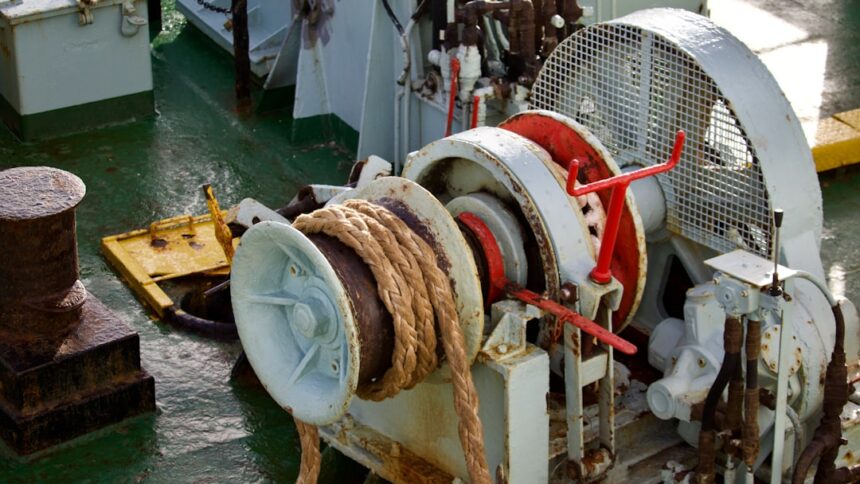
Despite their importance, laying submarine cables is fraught with challenges that can complicate the process significantly. One of the primary obstacles is the technical complexity involved in deploying these cables across vast oceanic distances. The installation process requires specialized ships equipped with advanced technology to ensure that cables are laid accurately on the ocean floor without incurring damage.
Additionally, navigating underwater terrain can be challenging due to varying depths, geological formations, and potential hazards such as shipwrecks or underwater wildlife. Environmental considerations also pose challenges during the laying of submarine cables. The potential impact on marine ecosystems must be carefully assessed before any installation begins.
Environmental regulations often require extensive studies to evaluate how cable laying might affect local wildlife and habitats. Balancing the need for improved connectivity with environmental stewardship is a critical aspect of planning and executing submarine cable projects.
The Environmental Impact of Submarine Cables
The environmental impact of submarine cables is a topic of growing concern as more cables are laid across oceans and seas. While these cables are essential for global connectivity, their installation can disrupt marine ecosystems and habitats. The process of laying cables can disturb seabed environments, potentially harming sensitive species and altering natural habitats.
As such, it is crucial for companies involved in submarine cable projects to conduct thorough environmental assessments before proceeding with installations. Moreover, once installed, submarine cables can have long-term effects on marine life. For instance, they may create artificial reefs that attract certain species while displacing others.
The presence of cables can also interfere with natural migration patterns for some marine animals. As awareness of these environmental issues increases, there is a growing push for sustainable practices in the deployment and maintenance of submarine cables to minimize their ecological footprint.
The Role of Submarine Cables in Economic Development
Submarine cables play a pivotal role in economic development by providing essential infrastructure that supports digital economies worldwide. Regions with robust submarine cable networks tend to experience increased investment opportunities as businesses seek reliable connectivity for their operations. This connectivity enables local entrepreneurs to access global markets, fostering innovation and economic growth within communities that were previously underserved.
Furthermore, improved internet access through submarine cables can lead to job creation and enhanced educational opportunities. As more individuals gain access to online resources, they can acquire new skills and knowledge that contribute to workforce development. This ripple effect underscores the importance of submarine cables not only as conduits for data but also as catalysts for economic empowerment and social progress.
The Future of Submarine Cable Technology
The future of submarine cable technology is poised for exciting advancements as demand for data continues to surge. Innovations in materials science and engineering are leading to the development of faster and more efficient cables capable of transmitting vast amounts of data over long distances with minimal latency. Emerging technologies such as space-based internet systems may also complement existing submarine cable networks by providing additional bandwidth options.
Moreover, as global connectivity becomes increasingly critical, there is a growing emphasis on enhancing the resilience and security of submarine cable systems. Future developments may include advanced monitoring systems that can detect potential threats or disruptions in real-time, ensuring that these vital infrastructures remain operational even in challenging conditions. The ongoing evolution of submarine cable technology will undoubtedly shape the future landscape of global communication.
The Security and Reliability of Submarine Cables
The security and reliability of submarine cables are paramount concerns for governments, businesses, and consumers alike. Given their critical role in facilitating global communication, any disruption or compromise could have far-reaching consequences for economies and societies worldwide. As such, ensuring the integrity of these systems is essential for maintaining trust in digital communications.
To address security concerns, stakeholders are increasingly investing in protective measures for submarine cables. This includes implementing advanced monitoring technologies that can detect potential threats or vulnerabilities along cable routes. Additionally, collaboration between governments and private entities is essential for establishing protocols that safeguard these infrastructures from physical damage or cyberattacks.
By prioritizing security measures, stakeholders can enhance the resilience of submarine cables against emerging threats.
The Role of Government in Regulating Submarine Cable Networks
Governments play a crucial role in regulating submarine cable networks to ensure fair competition, protect national interests, and promote sustainable practices within the industry. Regulatory frameworks often govern aspects such as licensing requirements for cable operators, environmental assessments prior to installation, and compliance with international treaties related to undersea infrastructure. Moreover, governments must balance the need for robust connectivity with national security concerns.
By establishing clear guidelines and fostering collaboration between public and private sectors, governments can help create an environment conducive to responsible development while safeguarding national interests in an increasingly interconnected world. In conclusion, submarine cables are indispensable components of global connectivity that facilitate communication across vast distances while supporting economic development and technological advancement.
As Big Tech continues to invest in this infrastructure, it becomes evident that the future of global communication hinges on these undersea networks’ resilience and reliability. Addressing environmental concerns and regulatory challenges will be crucial as society navigates this complex landscape toward a more connected future.
In recent years, the expansion of big tech companies into the realm of private submarine cables has sparked significant interest and debate. These undersea cables are crucial for global internet connectivity, and their deployment by major corporations raises questions about data privacy and control. For a deeper understanding of the implications of this trend, you can read more in the article available at this link.
FAQs
What are private submarine cables owned by big tech companies?
Private submarine cables are undersea fiber optic cables that are owned and operated by large technology companies rather than traditional telecommunications providers. These cables enable direct, high-speed data transmission between continents and regions.
Why do big tech companies invest in private submarine cables?
Big tech companies invest in private submarine cables to improve the speed, reliability, and security of their global internet infrastructure. Owning these cables allows them to control data traffic, reduce latency, and support growing demand for cloud services and content delivery.
Which big tech companies have their own submarine cables?
Companies such as Google, Facebook (Meta), Microsoft, Amazon, and Apple have invested in or own private submarine cables. These companies often collaborate on cable projects or build their own to connect data centers and major markets worldwide.
How do private submarine cables differ from traditional telecom cables?
Traditional submarine cables are typically owned by consortia of telecom operators and are used to provide internet and communication services to multiple customers. Private cables are owned by a single company or a small group of companies and are primarily used to support their own data traffic and services.
What are the benefits of private submarine cables for end users?
Private submarine cables can lead to faster internet speeds, lower latency, and more reliable connections for end users accessing services from big tech companies. They also enhance the resilience of global internet infrastructure by providing additional routes for data transmission.
Are private submarine cables secure?
Private submarine cables offer enhanced security because the owning company controls the infrastructure and can implement strict access and monitoring protocols. However, like all undersea cables, they remain vulnerable to physical damage and require ongoing maintenance and protection.
How long do submarine cables typically last?
Submarine cables generally have a lifespan of about 25 years. After this period, they may be upgraded or replaced to accommodate advances in technology and increased data capacity requirements.
Where are private submarine cables typically laid?
Private submarine cables are laid along ocean floors connecting major data centers and internet hubs across continents. Routes are carefully planned to avoid hazards and optimize connectivity between key markets.
What challenges are involved in deploying private submarine cables?
Challenges include high costs, complex engineering, regulatory approvals, environmental concerns, and geopolitical considerations. Laying cables requires specialized ships and equipment to install and maintain the infrastructure under the ocean.
How do private submarine cables impact global internet infrastructure?
Private submarine cables contribute to the expansion and diversification of global internet infrastructure, increasing capacity and redundancy. They help big tech companies meet growing data demands and improve the overall performance and resilience of the internet.