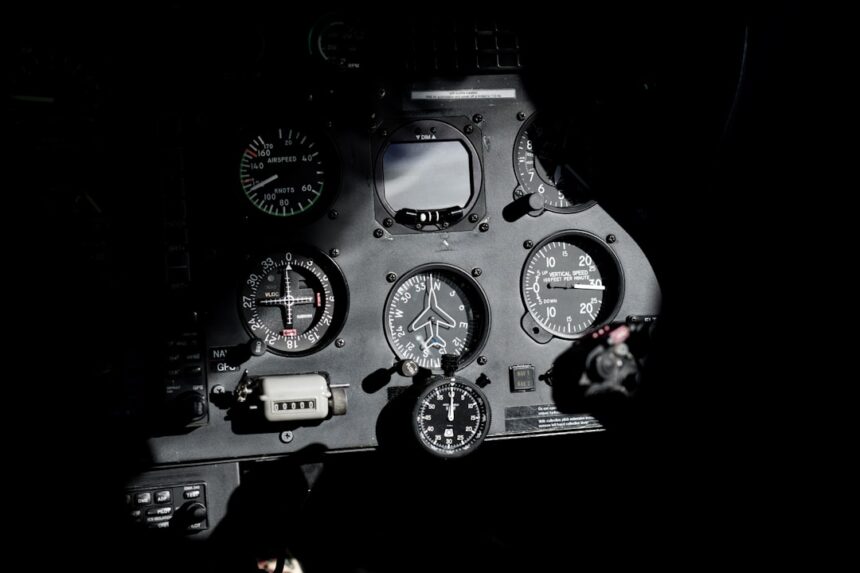
Aviation operations depend fundamentally on human expertise across multiple roles.
Although technological advances have improved aviation efficiency and safety metrics, human operators perform critical functions that automated systems cannot replicate.
These include rapid decision-making under time constraints, analysis of complex operational data, and coordination between team members during normal and emergency procedures. Human competencies in aviation extend beyond technical proficiency to include cognitive and interpersonal skills. Key capabilities include emotional regulation under stress, comprehensive situational awareness, and effective team coordination.
Research demonstrates that pilot performance during emergency situations directly correlates with successful incident resolution rates. A pilot’s ability to maintain operational focus during high-stress scenarios significantly influences outcome severity and passenger safety. The aviation industry continues to integrate advanced technologies while maintaining emphasis on human skill development.
Current safety protocols and operational standards incorporate human factors as primary components rather than secondary considerations. Training programs focus on developing both technical competencies and cognitive skills necessary for complex operational environments.
Key Takeaways
- Human skills remain crucial in aviation despite rapid technological advancements.
- Automation enhances safety but can impact pilot manual flying abilities.
- Effective pilot training must balance technology use with hands-on flying practice.
- Integrating new technology poses operational and human factors challenges.
- Collaboration between technology and human expertise is key to future aviation success.
Advancements in Aviation Technology
The aviation industry has witnessed remarkable advancements in technology over the past few decades. Innovations such as fly-by-wire systems, advanced navigation tools, and real-time data analytics have transformed how aircraft are designed and operated. These technologies have not only improved flight safety but have also enhanced fuel efficiency and reduced operational costs.
For example, modern aircraft are equipped with sophisticated autopilot systems that can handle various flight phases with minimal human intervention, allowing pilots to focus on strategic decision-making rather than routine tasks. Additionally, the integration of artificial intelligence (AI) and machine learning into aviation has opened new avenues for operational efficiency. Predictive maintenance systems can analyze data from aircraft sensors to anticipate mechanical issues before they arise, thereby minimizing downtime and enhancing safety.
Furthermore, advancements in communication technology have facilitated seamless coordination between pilots and air traffic control, ensuring that flights are managed more effectively. As these technologies continue to evolve, they promise to reshape the landscape of aviation in ways that were once unimaginable.
The Role of Technology in Modern Aviation
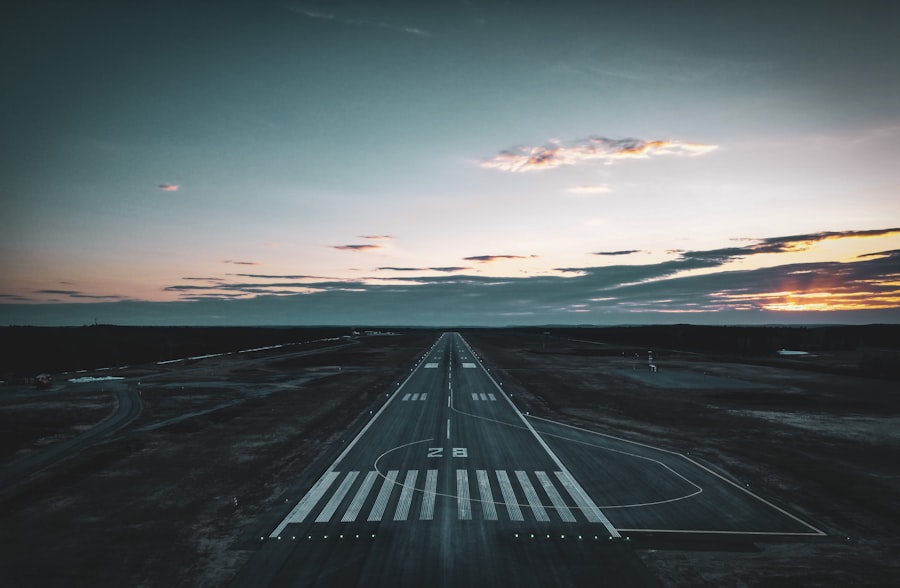
In contemporary aviation, technology plays a multifaceted role that extends beyond mere automation. It serves as a critical enabler of safety, efficiency, and innovation. For instance, modern cockpit displays provide pilots with comprehensive information about flight parameters, weather conditions, and system statuses in real-time.
This wealth of data empowers pilots to make informed decisions quickly, enhancing situational awareness and reducing the likelihood of errors. Moreover, technology facilitates improved training methodologies for pilots and crew members. Virtual reality (VR) and simulation technologies allow for immersive training experiences that replicate real-world scenarios without the associated risks.
This approach not only enhances skill acquisition but also fosters confidence among trainees as they prepare for actual flight operations. As technology continues to advance, its role in aviation will likely expand further, creating new opportunities for enhancing both safety and operational effectiveness.
The Impact of Automation on Pilot Skills
While automation has undoubtedly streamlined many aspects of aviation, it has also raised concerns about the potential erosion of pilot skills. As aircraft become increasingly automated, there is a risk that pilots may become overly reliant on technology, leading to a decline in manual flying proficiency.
Furthermore, the challenge lies in maintaining a balance between leveraging automation and ensuring that pilots retain their core competencies. The ability to manually control an aircraft in emergencies or unexpected situations remains a fundamental requirement for pilots. As automation continues to evolve, it is essential for training programs to adapt accordingly, emphasizing the importance of manual flying skills alongside automated systems.
This dual focus will help ensure that pilots remain adept at handling both automated and manual operations.
Balancing Automation and Manual Control in Aircraft
| Aspect | Technology | Human Skill | Impact on Aviation |
|---|---|---|---|
| Navigation | GPS, Inertial Navigation Systems, Autopilot | Pilot’s situational awareness, manual navigation skills | Technology improves accuracy and reduces workload; human skill essential for decision-making in unexpected situations |
| Flight Control | Fly-by-wire systems, automated flight control | Manual control, handling emergencies, manual override | Technology enhances precision and safety; human skill critical during system failures |
| Communication | Radio communication, data link systems | Clear verbal communication, interpretation of instructions | Technology enables reliable communication; human skill ensures clarity and understanding |
| Decision Making | Flight management systems, AI-based decision support | Experience-based judgment, crisis management | Technology assists with data analysis; human skill vital for complex, dynamic decisions |
| Safety | Collision avoidance systems, automated alerts | Risk assessment, emergency response | Technology reduces human error; human skill necessary for effective response to emergencies |
| Training | Flight simulators, virtual reality | Skill acquisition, adaptability, experience | Technology provides realistic practice; human skill develops through experience and adaptability |
Striking a balance between automation and manual control is a critical consideration in modern aviation. While automation enhances efficiency and reduces pilot workload during routine operations, there are instances where manual control becomes indispensable. For example, adverse weather conditions or system malfunctions may necessitate a pilot’s immediate intervention to ensure safe flight operations.
To achieve this balance, aviation authorities and training organizations must prioritize comprehensive training programs that emphasize both automated systems and manual flying skills. Pilots should be encouraged to engage with their aircraft actively, even when automation is available. This approach not only reinforces their flying abilities but also fosters a deeper understanding of the aircraft’s systems and performance characteristics.
By cultivating this balance, the aviation industry can harness the benefits of automation while ensuring that pilots remain proficient in manual control.
Training and Education for Pilots in a Technology-Driven Industry
In an era defined by rapid technological advancements, the training and education of pilots must evolve to meet new challenges. Traditional training methods are being supplemented with innovative approaches that incorporate technology into the learning process. Flight simulators equipped with advanced graphics and realistic scenarios provide aspiring pilots with invaluable hands-on experience without the risks associated with actual flight.
Moreover, ongoing education is essential for current pilots to stay abreast of technological developments and regulatory changes. Continuous professional development programs can help pilots refine their skills and adapt to new systems as they are introduced into the industry. By fostering a culture of lifelong learning, aviation organizations can ensure that their personnel remain competent and confident in their abilities to operate advanced aircraft safely.
Human Factors in Aviation Safety
Human factors play a pivotal role in aviation safety, influencing how individuals interact with technology and each other within the operational environment. Understanding these factors is crucial for identifying potential risks and implementing effective safety measures. For instance, cognitive overload can impair decision-making during high-stress situations, leading to errors that compromise safety.
To mitigate these risks, aviation organizations must prioritize human factors training as part of their safety protocols. This training should encompass topics such as communication skills, teamwork dynamics, and stress management techniques. By equipping personnel with the tools to navigate complex situations effectively, organizations can enhance overall safety outcomes in aviation operations.
Challenges of Integrating New Technology into Aviation Operations
The integration of new technology into aviation operations presents several challenges that must be addressed to ensure successful implementation. One significant hurdle is the need for comprehensive testing and validation of new systems before they are deployed in live environments. Rigorous evaluation processes are essential to identify potential issues that could impact safety or operational efficiency.
Additionally, there is often resistance to change within established organizations. Personnel may be hesitant to adopt new technologies due to concerns about job security or the perceived complexity of new systems. To overcome these challenges, effective change management strategies must be employed.
Engaging stakeholders throughout the integration process can foster a sense of ownership and collaboration, ultimately leading to smoother transitions and greater acceptance of new technologies.
The Future of Human Skill in Aviation
As aviation continues to evolve alongside technological advancements, the future of human skill will likely take on new dimensions. While automation will undoubtedly play an increasingly prominent role in flight operations, the need for skilled human operators will remain paramount. The ability to adapt to changing circumstances, think critically under pressure, and collaborate effectively with others will be essential attributes for future pilots.
Moreover, as new technologies emerge—such as electric vertical takeoff and landing (eVTOL) aircraft or urban air mobility solutions—the skill sets required for pilots may shift accordingly. Embracing this evolution will necessitate ongoing investment in training programs that prepare individuals for the demands of tomorrow’s aviation landscape. By prioritizing human skill development alongside technological innovation, the industry can ensure a safe and efficient future for air travel.
Strategies for Maintaining Pilot Proficiency in a High-Tech Environment
To maintain pilot proficiency in an increasingly high-tech environment, several strategies can be employed by aviation organizations. First and foremost is the implementation of regular proficiency checks that assess both manual flying skills and familiarity with automated systems. These checks should be designed to simulate real-world scenarios that pilots may encounter during their careers.
Additionally, fostering a culture of continuous learning is vital for keeping pilots engaged and informed about emerging technologies. Encouraging participation in workshops, seminars, and online courses can help pilots stay current with industry trends while reinforcing their core competencies. By prioritizing ongoing education and proficiency assessments, organizations can ensure that their pilots remain skilled operators capable of navigating both automated systems and manual controls effectively.
The Collaborative Approach to Technology and Human Skill in Aviation
A collaborative approach that integrates technology with human skill is essential for advancing aviation safety and efficiency. This synergy allows for the strengths of both elements to complement one another—technology streamlining operations while human operators provide critical oversight and decision-making capabilities. By fostering collaboration between engineers who design technological solutions and pilots who operate them, the industry can create systems that enhance overall performance.
Furthermore, involving pilots in the development process of new technologies can lead to more user-friendly designs that align with their needs and workflows. This collaborative mindset not only improves operational efficiency but also enhances safety by ensuring that human factors are considered during technological advancements. As aviation continues to progress into an era defined by innovation, embracing this collaborative approach will be key to achieving optimal outcomes for both technology and human skill in the industry.
In the ongoing debate about technology versus human skill in aviation, a thought-provoking article can be found on In The War Room, which explores the implications of automation in the cockpit and its impact on pilot training and decision-making. For more insights on this topic, you can read the article [here](https://www.inthewarroom.com/).
WATCH THIS! 🎬 The Day Speed Died: How One Jet Changed Air Combat Forever
FAQs
What is the role of technology in aviation?
Technology in aviation includes advanced navigation systems, autopilot, radar, communication tools, and aircraft design improvements that enhance safety, efficiency, and performance.
How important are human skills in aviation?
Human skills such as decision-making, situational awareness, problem-solving, and manual flying abilities remain critical for pilots to manage unexpected situations and ensure safe flight operations.
Can technology replace human pilots in aviation?
While automation and AI have advanced significantly, technology cannot fully replace human pilots due to the need for judgment, adaptability, and handling complex emergencies that require human intuition.
What are some examples of technology assisting pilots?
Examples include autopilot systems, flight management systems (FMS), weather radar, terrain awareness and warning systems (TAWS), and electronic flight bags (EFBs) that provide real-time data and reduce pilot workload.
How do pilots and technology work together in modern aviation?
Pilots use technology to enhance navigation, communication, and aircraft control, while maintaining oversight and readiness to intervene manually when necessary, ensuring a balance between automation and human skill.
What are the risks of over-reliance on technology in aviation?
Over-reliance can lead to skill degradation, reduced situational awareness, and delayed response to emergencies if pilots become too dependent on automated systems without maintaining manual flying proficiency.
How has technology improved aviation safety?
Technology has reduced human error through better monitoring, automated alerts, collision avoidance systems, and improved aircraft design, contributing to a significant decline in aviation accidents over time.
Are there training programs to balance technology use and human skills?
Yes, pilot training programs emphasize both technical knowledge of automated systems and manual flying skills, including simulator sessions that prepare pilots for handling system failures and emergencies.