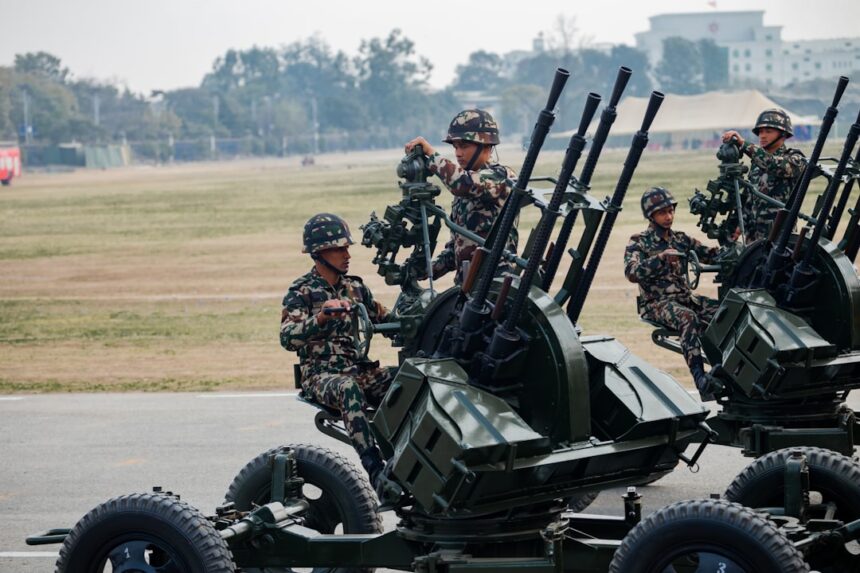
Military readiness is a cornerstone of national security, serving as the foundation upon which a nation’s defense capabilities are built. It encompasses the ability of armed forces to respond effectively to threats, whether they arise from conventional warfare, terrorism, or cyber-attacks. A well-prepared military ensures that a country can protect its interests, deter adversaries, and respond swiftly to crises.
The significance of military readiness extends beyond mere preparedness; it reflects a nation’s commitment to safeguarding its sovereignty and maintaining peace in an increasingly volatile global landscape. Moreover, military readiness is not solely about having advanced technology or a large number of troops. It involves comprehensive training, strategic planning, and the maintenance of equipment and infrastructure.
The interplay between these elements determines how effectively a military can operate in times of conflict. As geopolitical tensions rise and new threats emerge, the importance of maintaining a state of readiness becomes even more pronounced. Nations that prioritize military readiness are better positioned to navigate complex international relations and respond to unforeseen challenges.
Key Takeaways
- Military readiness is crucial for national security and requires consistent funding and support.
- Budget politics often complicate the allocation of resources necessary for maintaining military preparedness.
- Balancing fiscal responsibility with the need for a strong military demands careful prioritization and efficiency.
- Congressional decisions play a significant role in shaping military budgets and readiness levels.
- Underfunding military readiness can lead to degraded training, outdated equipment, and weakened personnel capabilities, threatening long-term security.
The Impact of Budget Politics on Military Readiness
Budget politics play a critical role in shaping military readiness, often leading to contentious debates among lawmakers and stakeholders. The allocation of funds for defense is frequently influenced by political agendas, resulting in fluctuations that can undermine the stability of military operations.
Insufficient funding can lead to delays in procurement, reduced training opportunities, and an overall decline in operational effectiveness. Additionally, the political landscape can create an environment where military priorities are overshadowed by domestic issues. Lawmakers may prioritize funding for social programs or infrastructure projects over defense spending, believing that these areas will yield more immediate benefits for their constituents.
This short-sighted approach can jeopardize long-term military readiness, as resources are diverted away from essential programs that ensure the armed forces remain capable and prepared for any eventuality.
Balancing the Need for Military Preparedness with Fiscal Responsibility
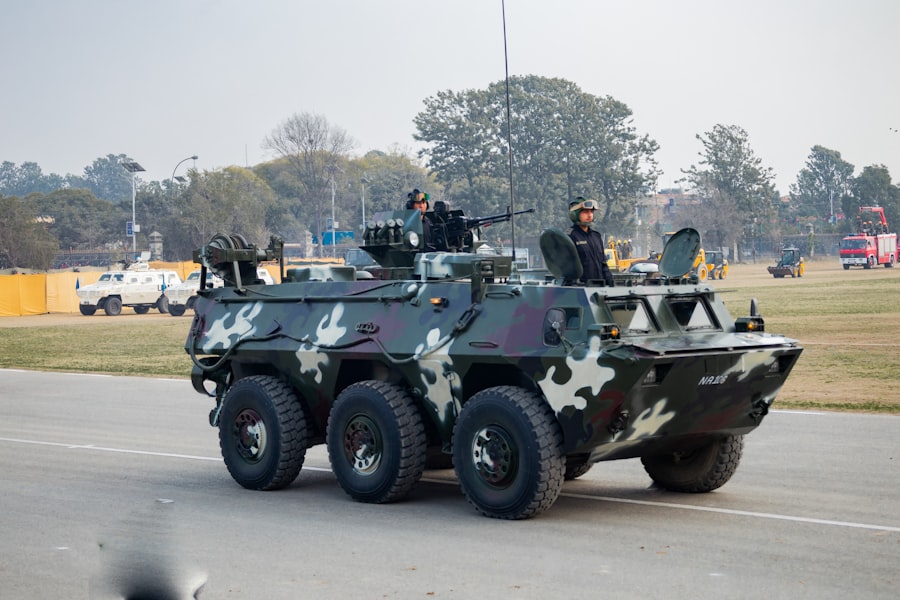
Striking a balance between military preparedness and fiscal responsibility is a complex challenge that requires careful consideration and strategic planning. On one hand, a robust military is essential for national security; on the other hand, excessive defense spending can strain public resources and divert funds from critical domestic programs. Policymakers must navigate this delicate balance by prioritizing investments that enhance military capabilities while ensuring that fiscal constraints are respected.
One approach to achieving this balance is through comprehensive assessments of military needs and capabilities. By conducting thorough evaluations of existing resources and identifying areas for improvement, military leaders can advocate for targeted investments that yield the greatest return on investment. This data-driven approach allows for informed decision-making that aligns military objectives with budgetary realities, ultimately fostering a more sustainable model of defense spending.
The Role of Congress in Military Budgeting and Readiness
Congress plays a pivotal role in shaping military budgeting and ensuring readiness through its legislative authority over defense appropriations. As the body responsible for approving the federal budget, Congress has the power to allocate funds to various branches of the military, influencing their operational capabilities. This responsibility comes with significant implications for national security, as lawmakers must weigh competing priorities while considering the long-term implications of their decisions.
Moreover, congressional oversight is essential for maintaining accountability within the defense sector. By conducting hearings, investigations, and reviews, Congress can ensure that funds are being utilized effectively and that military leaders are held accountable for their spending decisions. This oversight function not only promotes transparency but also fosters a culture of responsibility within the armed forces, ultimately contributing to enhanced military readiness.
Finding Efficiency in Military Spending without Compromising Readiness
| Metric | Military Readiness | Budget Politics Impact |
|---|---|---|
| Annual Defense Budget Allocation | Determines funding for training, equipment, and personnel | Political debates can delay or reduce budget approval |
| Training Hours per Soldier | Directly affects combat preparedness and skill levels | Budget cuts may reduce available training time and resources |
| Equipment Modernization Rate | Ensures forces have up-to-date technology and capabilities | Political priorities influence procurement decisions and timelines |
| Force Deployment Readiness | Measures ability to mobilize and deploy forces quickly | Funding uncertainties can impact maintenance and logistics support |
| Personnel Retention Rate | Reflects morale and stability within the military ranks | Budget constraints may affect pay, benefits, and career development |
| Research and Development Investment | Supports innovation in defense technologies | Political agendas can prioritize or deprioritize R&D funding |
In an era of tightening budgets and increasing demands on military resources, finding efficiency in spending has become paramount. Military leaders are tasked with identifying ways to optimize operations without compromising readiness. This often involves reevaluating existing programs, streamlining processes, and leveraging technology to enhance efficiency.
By adopting innovative practices and embracing modernization efforts, the military can achieve significant cost savings while maintaining its operational capabilities. One effective strategy for enhancing efficiency is through collaboration with private industry. Public-private partnerships can facilitate access to cutting-edge technologies and best practices that improve operational effectiveness.
By working alongside civilian contractors and technology firms, the military can harness external expertise to drive innovation and reduce costs. This collaborative approach not only enhances readiness but also fosters a culture of continuous improvement within the defense sector.
The Consequences of Underfunding Military Readiness
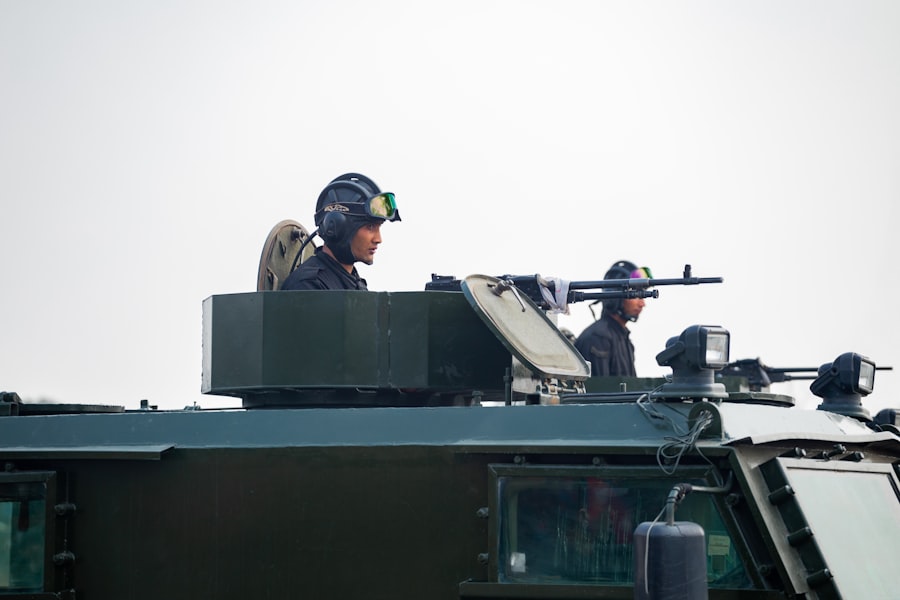
Underfunding military readiness can have far-reaching consequences that extend beyond immediate operational challenges. When resources are insufficient to support training, maintenance, and personnel needs, the overall effectiveness of the armed forces is compromised.
Furthermore, the repercussions of underfunding can manifest in strategic miscalculations on the global stage. Adversaries may perceive a weakened military as an opportunity to exploit vulnerabilities, leading to escalated tensions or conflicts. In this context, neglecting military readiness not only jeopardizes national security but also undermines diplomatic efforts aimed at maintaining peace and stability in volatile regions.
Prioritizing Military Readiness in Budget Allocations
To ensure national security in an unpredictable world, prioritizing military readiness in budget allocations is essential. Policymakers must recognize that a well-funded military is not merely an expense but an investment in the safety and security of the nation. By allocating sufficient resources to training, equipment maintenance, and personnel support, lawmakers can foster a state of readiness that deters potential adversaries and reassures allies.
Moreover, prioritizing military readiness requires a long-term vision that transcends political cycles. Short-term budgetary decisions driven by electoral considerations can undermine strategic planning and lead to inconsistent funding levels. By adopting a more holistic approach to defense budgeting—one that considers both immediate needs and future challenges—policymakers can create a sustainable framework for military readiness that endures beyond individual administrations.
The Role of Military Leaders in Advocating for Readiness Funding
Military leaders play a crucial role in advocating for funding that supports readiness initiatives. Their firsthand experience and understanding of operational requirements position them as key voices in discussions surrounding defense budgets. By articulating the specific needs of their branches and providing data-driven justifications for funding requests, military leaders can effectively influence policymakers’ decisions.
Additionally, effective advocacy requires building strong relationships with congressional representatives and other stakeholders involved in the budgeting process. By engaging in open dialogue and fostering collaboration between military leadership and lawmakers, advocates can create a shared understanding of the importance of readiness funding. This collaborative approach not only enhances transparency but also strengthens the case for sustained investment in military capabilities.
The Impact of Budget Cuts on Training, Equipment, and Personnel
Budget cuts can have immediate and profound effects on training programs, equipment procurement, and personnel retention within the military. Reduced funding often leads to scaled-back training exercises, limiting service members’ opportunities to hone their skills and maintain operational proficiency. This decline in training can erode readiness levels over time, leaving armed forces ill-prepared to respond effectively to crises.
Moreover, budget cuts can hinder efforts to modernize equipment and maintain existing assets. Aging technology may become increasingly unreliable without adequate funding for maintenance and upgrades, further compromising operational effectiveness. Additionally, financial constraints may lead to challenges in attracting and retaining qualified personnel, as competitive salaries and benefits become difficult to sustain.
The cumulative impact of these factors can create a cycle of declining readiness that is difficult to reverse.
Strategies for Mitigating the Effects of Budget Politics on Military Readiness
Mitigating the effects of budget politics on military readiness requires proactive strategies that emphasize collaboration and transparency among stakeholders. One effective approach is fostering bipartisan support for defense initiatives by highlighting shared national security interests. By framing military readiness as a nonpartisan issue that transcends political divides, advocates can build coalitions that promote sustained investment in defense capabilities.
Additionally, engaging with the public to raise awareness about the importance of military readiness can create pressure on lawmakers to prioritize defense spending. Public campaigns that emphasize the role of a prepared military in safeguarding national interests can galvanize support for increased funding. By cultivating a well-informed electorate that understands the implications of budgetary decisions on national security, advocates can influence policymakers’ priorities.
The Long-Term Implications of Neglecting Military Readiness for National Security
Neglecting military readiness has profound long-term implications for national security that extend beyond immediate operational challenges. A decline in readiness can embolden adversaries who may perceive an opportunity to exploit perceived weaknesses in a nation’s defense posture. This shift in power dynamics can lead to increased geopolitical tensions and instability, ultimately jeopardizing global peace.
Furthermore, neglecting military readiness undermines alliances and partnerships with other nations that rely on U.S. support for their own security needs. As allies witness a decline in U.S.
military capabilities, they may question their reliance on American support or seek alternative partnerships with other powers. This erosion of trust can have cascading effects on international relations and diminish the United States’ influence on the global stage. In conclusion, maintaining military readiness is essential for safeguarding national security in an increasingly complex world.
Policymakers must navigate budget politics carefully while prioritizing investments that enhance preparedness without compromising fiscal responsibility. Through collaboration between military leaders and Congress, as well as public engagement efforts, advocates can work towards ensuring sustained funding for defense initiatives that protect national interests both now and into the future.
In the ongoing debate surrounding military readiness and budget politics, the article on military funding challenges provides valuable insights into how financial constraints can impact national defense strategies. The discussion highlights the delicate balance policymakers must strike between ensuring adequate military preparedness and addressing the competing demands of budgetary pressures.
FAQs
What is military readiness?
Military readiness refers to the ability of armed forces to perform their assigned missions effectively and promptly. It encompasses personnel training, equipment maintenance, logistical support, and overall preparedness to respond to threats or conflicts.
How does budget politics affect military readiness?
Budget politics influence military readiness by determining the allocation of financial resources to defense programs. Political debates and decisions on defense spending can lead to increases or cuts in funding, which directly impact training, equipment procurement, maintenance, and personnel levels.
Why is there often tension between military readiness and budget constraints?
Tension arises because maintaining high military readiness requires substantial and consistent funding, while budget constraints and competing national priorities may limit available resources. Policymakers must balance defense needs with other public spending demands, leading to difficult trade-offs.
What are the consequences of underfunding military readiness?
Underfunding can result in outdated equipment, insufficient training, reduced personnel morale, and decreased operational capabilities. This can compromise national security and the military’s ability to respond effectively to crises.
How do governments typically address the balance between military readiness and budget politics?
Governments address this balance through defense budget planning, prioritizing critical programs, seeking efficiency improvements, and sometimes making strategic compromises. Congressional oversight and defense reviews also play roles in shaping funding decisions.
Can political changes impact military readiness?
Yes, changes in political leadership or policy priorities can lead to shifts in defense spending and strategic focus, which may enhance or diminish military readiness depending on the new direction.
What role do military leaders play in budget discussions?
Military leaders provide assessments of readiness needs, advise policymakers on the implications of funding levels, and advocate for resources necessary to maintain operational capabilities.
Are there examples of budget politics affecting military readiness in history?
Yes, historical examples include periods of defense budget cuts after major conflicts, such as post-Cold War drawdowns, which led to reduced readiness levels and required subsequent rebuilding efforts.
How can military readiness be measured?
Readiness can be measured through metrics such as personnel strength, training proficiency, equipment availability, maintenance status, and the ability to deploy forces rapidly.
What is the importance of maintaining a balance between military readiness and budget politics?
Maintaining this balance ensures that the military remains capable of defending national interests without overspending or neglecting other critical areas of government responsibility. It supports sustainable defense policies and national security.