The Airborne Warning and Control System (AWACS) is a military surveillance and command aircraft system that provides early warning detection and tactical control capabilities. These aircraft utilize rotating radar domes mounted above the fuselage to conduct 360-degree surveillance of airspace, capable of detecting aircraft and missiles at ranges exceeding 250 nautical miles. The system operates through integration of radar technology, electronic warfare equipment, and secure communication networks.
AWACS platforms typically operate at altitudes between 28,000 and 40,000 feet, allowing extended radar coverage over approximately 120,000 square miles of territory. The aircraft serve multiple functions including air traffic control in combat zones, coordination of fighter aircraft intercepts, surveillance of ground targets, and communication relay between military units. Primary operators include the United States Air Force with the E-3 Sentry, NATO forces, and several allied nations including the United Kingdom, France, and Saudi Arabia.
The system’s operational capabilities include simultaneous tracking of hundreds of airborne targets, identification of friend-or-foe aircraft, and real-time data transmission to command centers and combat aircraft. Modern AWACS variants incorporate digital processing systems, satellite communication links, and electronic countermeasures to maintain effectiveness in contested environments.
Key Takeaways
- AWACS provides critical airborne surveillance and early warning capabilities for air defense.
- It enhances coordination between ground and air forces through effective communication and command control.
- AWACS tactics focus on monitoring, tracking, and rapid interception of airborne threats.
- Operators require specialized training to maximize the system’s effectiveness in airspace management.
- Future advancements aim to improve AWACS technology and tactical integration for enhanced defense readiness.
The Role of AWACS in Surveillance and Response
AWACS plays a crucial role in surveillance by providing a bird’s-eye view of the battlefield. Its radar systems can detect aircraft, missiles, and other airborne objects, allowing military commanders to assess potential threats before they become imminent dangers. This capability is particularly vital in modern warfare, where the speed of engagement can determine the outcome of conflicts.
By maintaining constant vigilance over designated airspace, AWACS ensures that military forces are prepared to respond swiftly to any emerging threats. In addition to surveillance, AWACS is instrumental in coordinating responses to detected threats. The system’s advanced communication capabilities enable it to relay critical information to ground and air units, facilitating a unified response strategy.
This integration of data allows for more effective decision-making, ensuring that military assets are deployed efficiently and effectively. The ability to respond rapidly to threats is essential in maintaining air superiority and protecting national interests. Learn about the fascinating story of a Soviet radar engineer espionage Cold War operation that changed history.
Understanding the Capabilities of AWACS

The capabilities of AWACS extend beyond mere surveillance; they encompass a wide range of functions that enhance overall mission effectiveness. One of the most notable features of AWACS is its powerful radar system, which can detect and track multiple targets simultaneously. This capability allows operators to monitor a vast area, providing a comprehensive picture of the airspace.
Additionally, AWACS can identify the type and altitude of detected aircraft, offering valuable intelligence for tactical planning. Moreover, AWACS is equipped with sophisticated communication systems that facilitate real-time data sharing among various military branches. This interoperability is crucial for joint operations, as it allows different units to work together seamlessly.
The ability to integrate information from multiple sources enhances situational awareness and enables commanders to make informed decisions quickly. As a result, AWACS serves as a force multiplier, significantly increasing the effectiveness of military operations.
Utilizing AWACS for Early Warning and Detection
Early warning is one of the primary functions of the AWACS system, providing military forces with critical information about potential threats before they materialize. The system’s radar capabilities allow it to detect incoming aircraft or missiles at considerable distances, giving commanders valuable time to prepare defensive measures. This early detection is essential in modern warfare, where the speed of engagement can be incredibly rapid.
In addition to detecting threats, AWACS can also assess the nature of these threats. By analyzing radar signatures and flight patterns, operators can determine whether an incoming object is hostile or benign. This capability allows for more nuanced responses, as military forces can prioritize their actions based on the level of threat posed by detected objects.
The combination of early warning and threat assessment significantly enhances a military’s ability to protect its assets and personnel.
Coordination and Integration with Ground and Air Forces
| Metric | Description | Typical Value/Range | Relevance to AWACS Tactics |
|---|---|---|---|
| Radar Detection Range | Maximum distance at which AWACS radar can detect airborne targets | 250-400 nautical miles | Determines early warning and tracking capability |
| Altitude Operating Range | Typical operational altitude of AWACS aircraft | 25,000 – 30,000 feet | Optimizes radar horizon and coverage area |
| Number of Targets Tracked Simultaneously | Maximum number of airborne targets AWACS can monitor at once | Up to 600 targets | Enables comprehensive situational awareness |
| Data Link Range | Distance over which AWACS can communicate with friendly units | Up to 300 nautical miles | Supports real-time coordination and command |
| Response Time | Time from target detection to threat assessment and communication | Less than 30 seconds | Critical for timely interception and defense |
| Coverage Area | Geographical area monitored by AWACS radar | Approximately 200,000 square nautical miles | Defines the airspace under surveillance |
| Electronic Counter-Countermeasures (ECCM) | Techniques used to resist enemy jamming and deception | Advanced frequency hopping, signal processing | Ensures radar reliability in contested environments |
| Number of AWACS Aircraft per Squadron | Typical number of AWACS planes deployed in a unit | 4-6 aircraft | Provides continuous coverage and redundancy |
| Integration with Fighter Interceptors | Coordination level between AWACS and fighter aircraft | Real-time vectoring and target assignment | Enhances interception efficiency and mission success |
The effectiveness of AWACS is amplified through its ability to coordinate and integrate with both ground and air forces. This integration is vital for ensuring that all military units operate in concert, maximizing their collective capabilities.
This coordination extends beyond mere communication; it involves strategic planning and execution of operations. For instance, when an airborne threat is detected, AWACS can direct fighter jets to intercept while simultaneously informing ground forces of potential risks. This level of integration ensures that all branches of the military are aligned in their objectives, enhancing overall mission success.
The synergy created by this collaboration is a hallmark of modern military operations.
AWACS Tactics for Monitoring and Tracking Airborne Threats
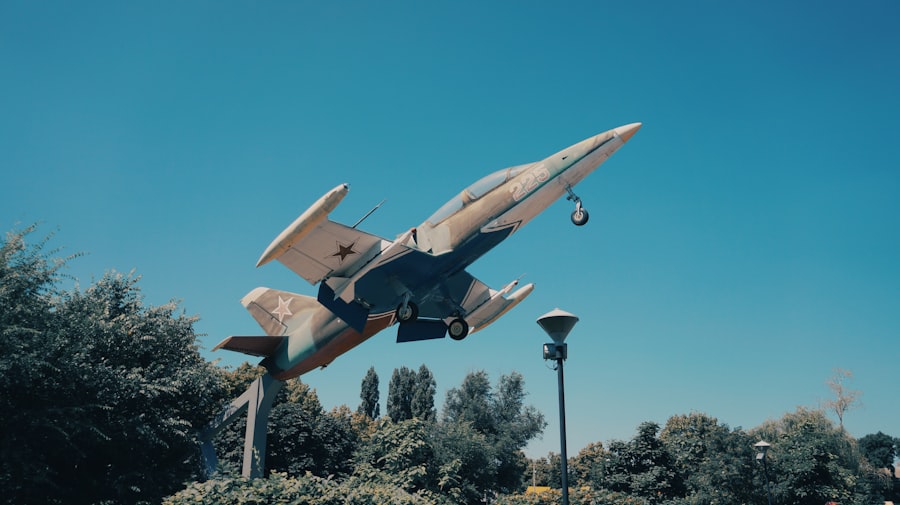
Monitoring and tracking airborne threats is a fundamental aspect of AWACS operations. The system employs various tactics to ensure that it maintains continuous surveillance over designated areas. One such tactic involves establishing a network of patrol routes that allow AWACS aircraft to cover vast expanses of airspace efficiently.
By rotating through these routes, AWACS can ensure that no area remains unmonitored for extended periods. Additionally, AWACS utilizes advanced tracking algorithms that enhance its ability to follow multiple targets simultaneously. These algorithms analyze data from the radar system to predict the trajectory of detected objects, allowing operators to anticipate their movements.
This predictive capability is crucial for intercepting hostile aircraft or missiles before they reach their intended targets. By employing these tactics, AWACS significantly enhances its effectiveness in monitoring and tracking airborne threats.
Effective Communication and Command and Control with AWACS
Effective communication is at the heart of AWACS operations, enabling seamless command and control across various military units. The system’s advanced communication technologies facilitate real-time data sharing among ground forces, air units, and command centers.
AWACS also plays a vital role in establishing command hierarchies during missions. By serving as a central command node, it can relay orders from higher command levels directly to operational units in the field. This streamlined communication process reduces response times and enhances coordination among different branches of the military.
The ability to maintain clear lines of communication is essential for successful mission execution in complex operational environments.
AWACS Tactics for Rapid Response and Interception
In scenarios where rapid response is necessary, AWACS employs specific tactics designed to facilitate quick interception of airborne threats. One such tactic involves pre-positioning fighter jets based on intelligence gathered by the AWACS system. By having aircraft ready for immediate takeoff in response to detected threats, military forces can significantly reduce reaction times.
Furthermore, AWACS utilizes real-time data analysis to prioritize threats based on their potential impact. This prioritization allows commanders to allocate resources effectively, ensuring that the most pressing threats are addressed first. The combination of pre-positioning assets and prioritizing responses enables military forces to maintain an agile posture in the face of evolving threats.
Utilizing AWACS for Airspace Management and Control
Airspace management is another critical function performed by AWACS, ensuring that military operations proceed smoothly without interference from friendly or enemy aircraft. The system’s comprehensive surveillance capabilities allow it to monitor all aircraft within a designated airspace, providing commanders with a clear picture of aerial activity. AWACS also plays a vital role in deconflicting airspace usage among various military units.
By coordinating flight paths and altitudes for different aircraft, it minimizes the risk of mid-air collisions while maximizing operational efficiency. This management capability is particularly important during joint operations involving multiple branches or allied forces, where coordination is essential for mission success.
Training and Skill Development for AWACS Operators
The effectiveness of the AWACS system relies heavily on the proficiency of its operators. Training programs are designed to equip personnel with the necessary skills to operate complex radar systems and interpret data accurately. These programs often include simulations that replicate real-world scenarios, allowing operators to practice their skills in a controlled environment.
Continuous skill development is also essential for AWACS operators due to the rapid advancements in technology and tactics within military aviation. Regular training updates ensure that personnel remain proficient in using new systems and adapting to evolving operational requirements. By investing in training and skill development, military forces can maximize the effectiveness of their AWACS capabilities.
Future Developments and Advancements in AWACS Tactics
As technology continues to evolve, so too will the tactics employed by AWACS systems. Future developments may include enhanced radar capabilities that utilize artificial intelligence for improved target recognition and tracking accuracy. These advancements could further streamline data analysis processes, allowing operators to focus on strategic decision-making rather than manual data interpretation.
Additionally, advancements in communication technologies may enhance interoperability between AWACS and other military assets even further. As joint operations become increasingly common in modern warfare, ensuring seamless communication across different platforms will be crucial for mission success. The future of AWACS promises exciting developments that will continue to shape air defense strategies around the world.
In conclusion, the Airborne Warning and Control System stands as a cornerstone of modern military aviation, providing unparalleled surveillance, command, and control capabilities. Its role in early warning detection, coordination with ground forces, and effective communication underscores its importance in contemporary warfare. As technology advances and new challenges emerge, AWACS will undoubtedly continue to evolve, adapting its tactics and capabilities to meet the demands of future conflicts.
The AWACS (Airborne Warning and Control System) plays a crucial role in modern air defense tactics, providing real-time surveillance and command capabilities. For a deeper understanding of how these systems integrate into broader military strategies, you can read more in this related article on air defense systems at In The War Room. This resource offers insights into the operational effectiveness and tactical applications of AWACS in various combat scenarios.
WATCH THIS! 🕵️ HE CHOSE BETRAYAL—And His Wife Paid the Price | The Billion Dollar Spy
FAQs
What does AWACS stand for?
AWACS stands for Airborne Warning and Control System. It is a radar system mounted on an aircraft designed to detect and track enemy aircraft and provide command and control in air defense operations.
What is the primary role of the AWACS air defense system?
The primary role of the AWACS system is to provide early warning, surveillance, and command and control for air defense forces. It detects incoming threats at long ranges and coordinates the response of fighter aircraft and missile systems.
How does the AWACS system enhance air defense tactics?
AWACS enhances air defense tactics by offering real-time situational awareness, enabling coordinated interception of enemy aircraft, managing airspace, and directing friendly forces efficiently. It acts as a force multiplier by extending radar coverage beyond ground-based systems.
What type of aircraft typically carries the AWACS system?
AWACS systems are typically installed on large, specially modified aircraft such as the Boeing E-3 Sentry or the Northrop Grumman E-2 Hawkeye, which have the range and payload capacity to carry the radar and communication equipment.
How does AWACS contribute to network-centric warfare?
AWACS serves as a central node in network-centric warfare by linking various air, land, and sea assets through secure communications, sharing real-time data, and enabling coordinated operations across multiple domains.
What are some common tactics used with AWACS in air defense?
Common tactics include using AWACS to detect and track enemy aircraft at long range, vectoring interceptors to optimal engagement positions, managing air patrols, coordinating surface-to-air missile deployments, and providing continuous battle management.
Can AWACS systems operate in contested or electronic warfare environments?
Yes, modern AWACS systems are equipped with electronic counter-countermeasures (ECCM) to operate in contested environments. They use advanced radar and communication technologies to resist jamming and deception attempts.
How does AWACS improve the effectiveness of fighter aircraft?
AWACS provides fighter pilots with early warning of threats, target tracking, and vectoring information, allowing them to engage enemies more effectively and conserve fuel and weapons by optimizing interception paths.
Is AWACS used only for military purposes?
Primarily, AWACS is a military asset used for air defense and command and control. However, similar airborne radar systems are sometimes used for civilian air traffic control and surveillance in specialized roles.
What countries operate AWACS systems?
Several countries operate AWACS systems, including the United States, NATO member states, the United Kingdom, France, Saudi Arabia, and others, often using variants of the Boeing E-3 Sentry or indigenous platforms.