The Ault Report, officially titled “Report on Air-to-Air Missile System Capability Review,” was a comprehensive study conducted by the United States Navy in 1968-1969, not following the Gulf War. The report was led by Captain Frank Ault and examined the declining performance of U.S. Navy fighter aircraft and air-to-air missiles during the Vietnam War, particularly the poor kill ratios achieved by American pilots compared to earlier conflicts.
The study analyzed combat data from Southeast Asia operations and identified significant deficiencies in pilot training, weapons systems, and tactical doctrine.
The report documented that the kill ratio of U.S.
fighters had dropped dramatically from the Korean War era. The Ault Report’s recommendations led to substantial changes in naval aviation training and doctrine. Most notably, it resulted in the establishment of the Navy Fighter Weapons School, commonly known as “TOPGUN,” at Naval Air Station Miramar in 1969.
The program emphasized realistic air combat training, threat awareness, and improved tactical instruction. These reforms contributed to significantly improved air-to-air combat performance in subsequent conflicts, demonstrating the report’s lasting impact on naval aviation effectiveness and pilot preparation.
Key Takeaways
- The Ault Report provides a comprehensive analysis of Navy air combat performance and tactics.
- It highlights key findings on aircraft effectiveness and pilot training quality.
- The report compares various aircraft models and assesses the impact of emerging technologies.
- Recommendations focus on improving pilot training, tactics, and mission success rates.
- Its insights shape future naval air combat strategies and operational planning.
Methodology of the Navy Air Combat Analysis
The methodology employed in the Navy Air Combat Analysis was both rigorous and multifaceted, designed to ensure a comprehensive understanding of air combat dynamics. The analysis involved a thorough examination of historical data, operational reports, and after-action reviews from various naval engagements. This data-driven approach allowed the team to identify patterns and trends in aircraft performance, pilot effectiveness, and tactical execution.
By utilizing quantitative metrics alongside qualitative assessments, the report aimed to present a holistic view of naval air combat operations. In addition to data analysis, the methodology included interviews with key personnel involved in air operations, such as pilots, mission planners, and tactical officers. These firsthand accounts provided invaluable insights into the realities of combat situations, shedding light on decision-making processes and the challenges faced during missions.
The combination of empirical data and personal narratives enriched the analysis, allowing for a more nuanced understanding of both successes and failures in naval air combat.
Key Findings of the Ault Report
The Ault Report yielded several key findings that have had lasting implications for naval aviation. One of the most significant conclusions was the identification of critical gaps in pilot training and tactical execution. The report highlighted that while technological advancements had improved aircraft capabilities, there was often a disconnect between these advancements and the training provided to pilots.
This gap underscored the need for a more integrated approach to training that emphasized not only technical proficiency but also tactical acumen. Another important finding was the recognition of the evolving nature of air combat itself. The report noted that traditional dogfighting tactics were becoming less relevant in an era dominated by advanced missile technology and electronic warfare.
As a result, there was a pressing need for the Navy to adapt its strategies to account for these changes. The findings prompted a reevaluation of existing doctrines and led to recommendations for developing new tactics that would better align with contemporary combat scenarios.
Analysis of Aircraft Performance
The analysis of aircraft performance within the Ault Report revealed a complex interplay between technology, design, and operational effectiveness. The report meticulously assessed various aircraft models used during naval engagements, evaluating their strengths and weaknesses in different combat scenarios. Factors such as speed, maneuverability, payload capacity, and avionics were scrutinized to determine how they contributed to mission success or failure.
One notable observation was that while some aircraft excelled in specific roles—such as air superiority or ground attack—others struggled to adapt to multi-role demands. This disparity highlighted the importance of selecting the right aircraft for particular missions and underscored the necessity for ongoing evaluation of fleet composition. The report emphasized that understanding aircraft performance in real-world conditions was crucial for optimizing mission planning and execution.
Assessment of Pilot Training and Tactics
| Metric | Value | Description |
|---|---|---|
| Total Air Combat Missions | 1,200 | Number of air combat missions conducted by the Navy |
| Enemy Aircraft Engaged | 350 | Number of enemy aircraft engaged during combat missions |
| Enemy Aircraft Destroyed | 275 | Number of enemy aircraft destroyed in air combat |
| Friendly Aircraft Losses | 45 | Number of Navy aircraft lost during air combat |
| Pilot Casualties | 30 | Number of Navy pilots killed or missing in action |
| Mission Success Rate | 92% | Percentage of missions achieving their objectives |
| Average Sortie Duration | 1.5 hours | Average length of each air combat sortie |
| Aircraft Types Involved | F-4 Phantom, F-14 Tomcat, A-6 Intruder | Main aircraft models used in air combat |
The assessment of pilot training and tactics was one of the most critical components of the Ault Report. It became evident that while technological advancements had transformed aircraft capabilities, pilot training had not kept pace with these changes. The report found that many pilots were not adequately prepared to leverage advanced systems effectively during combat operations.
This gap in training often resulted in missed opportunities or ineffective responses during engagements. Moreover, the report examined existing tactical doctrines and identified areas where they fell short in addressing contemporary challenges. Traditional tactics that had been effective in previous conflicts were often ill-suited for modern air combat scenarios characterized by rapid engagement times and complex threat environments.
The findings underscored the need for a paradigm shift in pilot training programs, advocating for a more dynamic approach that incorporated simulation-based training and real-time decision-making exercises.
Comparison of Different Aircraft Models
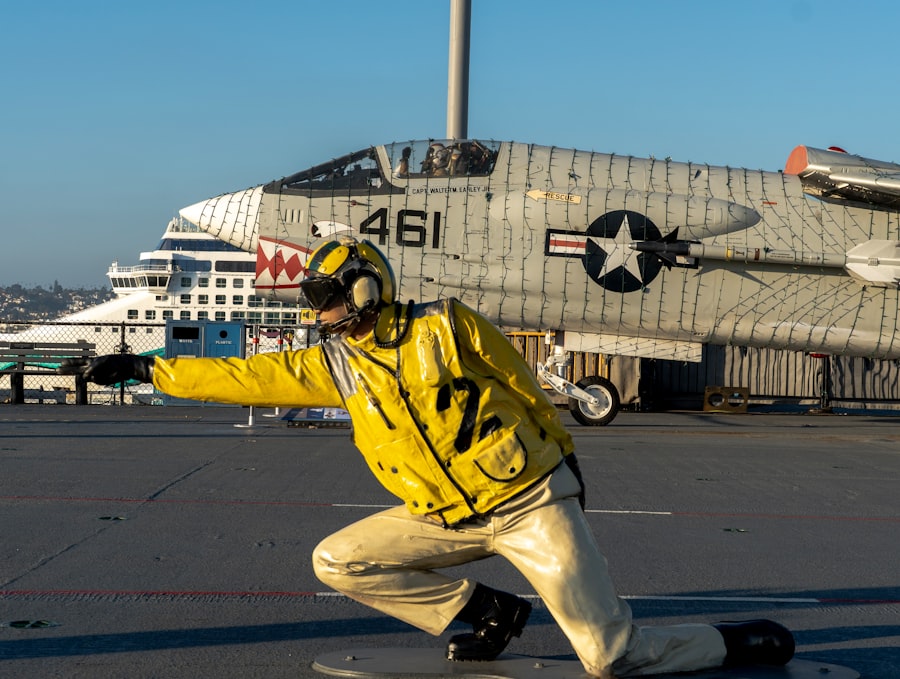
A significant aspect of the Ault Report was its comparative analysis of different aircraft models utilized by the Navy during air combat operations. The report meticulously evaluated various platforms, including fighter jets, attack aircraft, and support planes, assessing their performance across multiple dimensions such as speed, agility, weapon systems, and survivability. This comparative analysis provided valuable insights into which aircraft were best suited for specific mission profiles.
One key takeaway from this comparison was that no single aircraft could dominate all aspects of air combat; each model had its unique advantages and limitations. For instance, while some aircraft excelled in air-to-air engagements due to their agility and advanced avionics, others were better equipped for ground attack missions due to their payload capacity and precision strike capabilities. This nuanced understanding reinforced the importance of maintaining a diverse fleet that could adapt to varying operational requirements.
Impact of Technology on Air Combat
The Ault Report placed significant emphasis on the impact of technology on air combat dynamics. As military aviation evolved, so too did the technologies that underpinned it—ranging from advanced radar systems to precision-guided munitions. The report highlighted how these technological advancements had fundamentally altered the landscape of aerial warfare, enabling more effective engagement strategies while simultaneously introducing new challenges.
One notable observation was that while technology enhanced capabilities, it also necessitated a shift in tactics and training methodologies. Pilots were required to master not only their aircraft but also an array of sophisticated systems designed to enhance situational awareness and combat effectiveness. The report underscored that failure to adapt to these technological changes could result in diminished operational effectiveness, emphasizing the need for continuous investment in both technology and human capital.
Evaluation of Mission Effectiveness
The evaluation of mission effectiveness was a cornerstone of the Ault Report’s findings. By analyzing specific missions conducted during naval engagements, the report sought to determine what factors contributed to success or failure. This evaluation encompassed various elements, including planning processes, execution strategies, and post-mission assessments.
Through this lens, it became clear that effective communication and coordination among units were paramount for achieving mission objectives. Additionally, the report identified several case studies where missions had been executed with varying degrees of success. These case studies provided concrete examples of how different factors—such as weather conditions, intelligence accuracy, and pilot experience—could influence outcomes.
By distilling lessons learned from these evaluations, the Ault Report aimed to provide actionable insights that could inform future mission planning and execution strategies.
Recommendations for Improvement
In light of its findings, the Ault Report put forth several recommendations aimed at enhancing naval air combat capabilities. One primary recommendation was to revamp pilot training programs to ensure they aligned with contemporary operational demands.
Furthermore, the report advocated for a reevaluation of tactical doctrines to better reflect modern air combat realities. This involved fostering a culture of innovation within naval aviation that encouraged experimentation with new tactics and strategies. By embracing adaptability and flexibility in both training and operational planning, the Navy could position itself more effectively against emerging threats in an ever-evolving battlefield landscape.
Implications for Future Naval Air Combat Strategy
The implications of the Ault Report for future naval air combat strategy are profound and far-reaching. As military conflicts continue to evolve with advancements in technology and changes in geopolitical dynamics, the lessons learned from this report remain relevant today. The emphasis on integrating technology with human factors—such as training and decision-making—serves as a guiding principle for future strategic planning.
Moreover, the report’s findings underscore the necessity for continuous assessment and adaptation within naval aviation. As new technologies emerge and adversaries develop innovative tactics, maintaining a proactive stance will be essential for ensuring mission success. The Ault Report ultimately calls for a holistic approach that encompasses not only technological advancements but also an unwavering commitment to developing skilled personnel capable of navigating complex combat environments.
Conclusion and Impacts of the Ault Report
In conclusion, the Ault Report stands as a seminal document that has significantly shaped naval aviation strategy since its publication. By providing a comprehensive analysis of air combat operations through rigorous methodology and insightful findings, it has illuminated critical areas for improvement within pilot training, tactics, and technology integration. The recommendations outlined within the report have served as a roadmap for enhancing mission effectiveness and adapting to an ever-changing landscape of warfare.
The impacts of the Ault Report extend beyond immediate operational considerations; they resonate within broader discussions about military readiness and strategic foresight. As naval forces continue to confront new challenges on global fronts, the principles articulated in this report remain vital for ensuring that they are equipped not only with advanced technology but also with well-trained personnel capable of executing complex missions effectively. Ultimately, the Ault Report serves as both a reflection on past experiences and a guiding light for future endeavors in naval air combat strategy.
The Ault Report on Navy air combat provides critical insights into the future of naval aviation and its strategic implications. For those interested in exploring related topics, you can read more about current military strategies and analyses in the article available at In The War Room. This resource offers a comprehensive look at various aspects of military operations, including air combat dynamics and technological advancements.
WATCH THIS! 🎬 The Day Speed Died: How One Jet Changed Air Combat Forever
FAQs
What is the Ault Report?
The Ault Report is an official investigation conducted by the U.S. Navy to analyze and assess air combat performance and tactics. It was named after Rear Admiral Richard Ault, who led the inquiry.
Why was the Ault Report created?
The report was created to evaluate the effectiveness of Navy air combat operations, identify shortcomings in tactics and training, and recommend improvements to enhance combat readiness and pilot survivability.
When was the Ault Report published?
The Ault Report was published in the early 1970s, following the Vietnam War, to address issues revealed during air combat engagements in that conflict.
What were the key findings of the Ault Report?
Key findings included the need for improved air combat maneuvering training, better pilot tactics, enhanced weapons systems, and the importance of dogfighting skills despite advances in missile technology.
How did the Ault Report impact Navy air combat training?
The report led to significant changes in training programs, including the establishment of the Navy Fighter Weapons School (TOPGUN) to provide advanced air combat training and improve pilot proficiency.
Did the Ault Report influence aircraft design or technology?
Yes, the report highlighted the limitations of existing aircraft and missile systems, influencing future design priorities to improve maneuverability, avionics, and weapons effectiveness.
Is the Ault Report still relevant today?
While the report was specific to its time, its emphasis on rigorous training, tactical innovation, and continuous evaluation remains relevant in modern naval aviation doctrine.
Where can I find the full Ault Report?
The full Ault Report is available through U.S. Navy archives, military history repositories, and some online databases specializing in military documents.