Assessing Artillery Effectiveness in the Battle of Palo Alto
The Battle of Palo Alto, fought on May 8, 1846, stands as the inaugural engagement of the Mexican-American War. This clash between a significantly outnumbered Mexican force and a larger, better-equipped U.S. Army under Zachary Taylor offered a stark illustration of how artillery, in this historical context, could serve as a decisive force multiplier. The effectiveness of artillery on this arid Texas prairie was not solely a matter of raw firepower; it was intricately linked to factors such as deployment, observation, maneuver, and the psychological impact it wielded upon the opposing force. To truly understand the performance of artillery at Palo Alto, it is essential to dissect its various facets with a dispassionate, analytical lens.
The battlefield itself, the sun-baked plains near Palo Alto, was a crucial element influencing artillery operations. The open terrain provided unobstructed fields of fire for both armies, a stark contrast to the more confined landscapes often encountered in European warfare of the era. This openness, while beneficial for observation and long-range engagements, also meant that artillery pieces were more exposed to enemy fire.
Terrain’s Influence on Artillery Placement
The relative flatness of the Palo Alto area meant that elevated positions, normally advantageous for artillery, were scarce. Commanders were therefore compelled to select their firing emplacements based on factors such as the proximity of cover for their crews and the ability to achieve enfilading fire against enemy formations. The dry, firm ground also facilitated the movement of artillery pieces, though this mobility was still largely dependent on the strength of the horses and the skill of the artillerymen.
Visibility and Long-Range Engagements
The vast, unobstructed vistas of Palo Alto were a double-edged sword for artillery. While it allowed for excellent observation of enemy movements and the potential for effective long-range bombardment, it also meant that artillery positions were highly visible targets for enemy artillery and skirmishers. The U.S. Army, with its superior optics and more systematic approach to reconnaissance, was better positioned to exploit the visibility of the landscape to its advantage.
The Battle of Palo Alto, fought on May 8, 1846, marked a significant moment in military history, particularly in terms of artillery effectiveness. For an in-depth analysis of the strategies employed during this battle and the impact of artillery on its outcome, you can refer to a related article that explores these themes in detail. To read more, visit this article.
American Artillery: The Spearhead of Taylor’s Offensive
The U.S. Army’s artillery arm at Palo Alto proved to be a highly professional and effectively deployed force. Its performance was not merely a testament to the quality of the guns or the ammunition, but a reflection of improved tactical doctrine and the skilled leadership of officers like Captain Samuel Ringgold. The U.S. guns acted as a persistent hammer, shaping the battlefield and creating opportunities for the infantry and cavalry.
Ringgold’s Flying Artillery: A Masterstroke of Maneuver
The innovation of “flying artillery” by Captain Samuel Ringgold was perhaps the most significant factor contributing to the U.S. artillery’s success. This doctrine emphasized the rapid deployment and redeployment of light artillery pieces, allowing them to quickly support advancing infantry or engage enemy flanks. At Palo Alto, Ringgold’s batteries were instrumental in shifting their positions to meet emerging threats and to maximize their impact.
The Psychological Impact of Mobile Guns
The sight of artillery pieces moving rapidly across the battlefield, delivering concentrated fire where it was most needed, had a profound psychological effect on the Mexican ranks. Unlike static batteries, the mobile nature of Ringgold’s artillery suggested an active, aggressive force that was difficult to pin down. This constant threat of sudden, accurate bombardment could sow confusion and disrupt enemy formations before they could effectively organize a defense or counter-attack.
The Role of Observation and Targeting
The U.S. artillery officers demonstrated a keen understanding of observation and targeting. They were able to accurately assess distances and target enemy formations with sustained fire. This was facilitated by the open terrain and, crucially, by the effective use of observers accompanying the infantry and cavalry, who could relay vital information back to the artillery commanders.
Beyond Direct Fire: The Indirect Impact of Artillery
It is crucial to recognize that the effectiveness of artillery extended beyond its direct battlefield impact. The constant threat of bombardment kept Mexican soldiers unnerved and less inclined to advance boldly. The noise and concussion of the cannon fire, while not necessarily causing mass casualties, could undoubtedly contribute to a general sense of disorder and disorientation within the Mexican ranks. This psychological attrition is an often-overlooked aspect of artillery’s battlefield influence.
Mexican Artillery: Obstacles and Limitations
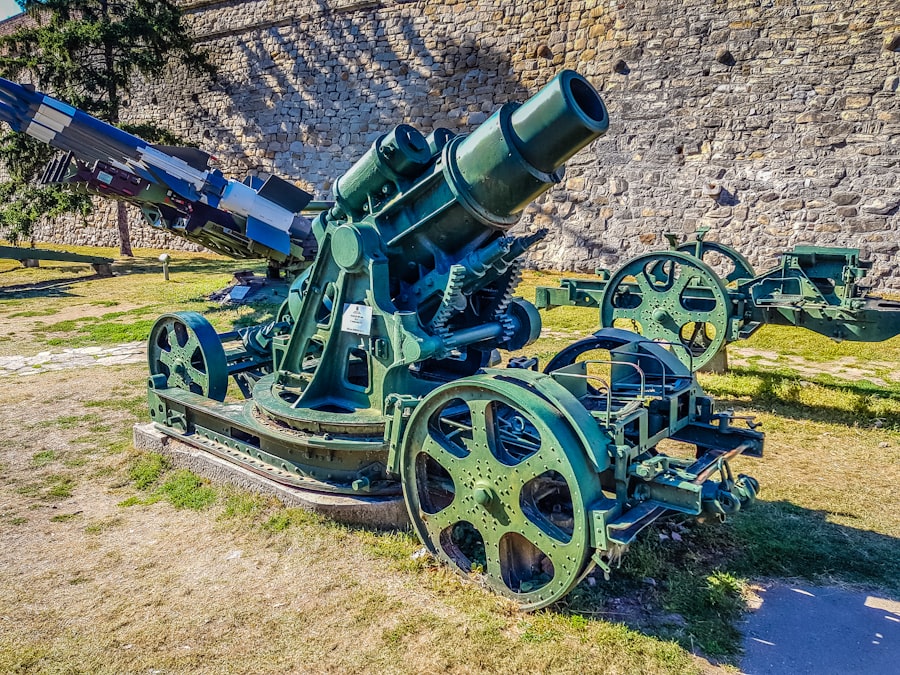
The Mexican artillery at Palo Alto faced significant challenges, both in terms of equipment and tactical application. While they possessed guns, their deployment, effectiveness, and integration with the overall battle plan fell short of the U.S. standards, limiting their potential to influence the outcome.
Inferior Equipment and Ammunition
A recurring theme in the Mexican-American War was the disparity in equipment. The Mexican artillery, while present, often consisted of older pieces and, more critically, of inferior quality ammunition. This meant that their projectiles might be less accurate, prone to duds, or simply less destructive upon impact. The U.S. Army, benefiting from advancements in artillery technology and manufacturing, generally had a qualitative edge.
The Unreliable Projectile as a Fickle Friend
Imagine a craftsman trying to build a sturdy house with poorly made tools and brittle nails. This was the predicament of the Mexican artillerymen. If their cannonballs were not properly engineered, they could either fail to explode or shatter upon impact, rendering them less effective as destructive agents. This unreliability turned their own power into a somewhat fickle friend, diminishing their capacity to inflict significant damage.
Deployment and Tactical Inflexibility
Unlike the fluid deployment of Ringgold’s flying artillery, the Mexican artillery appeared to be more fixed in its positions. This inflexibility made them vulnerable to flanking maneuvers and prevented them from responding effectively to the shifting contours of the battle. Their guns were, in essence, anchored to the ground, more easily neutralized by a mobile and adaptable enemy.
The Static Gun: A Stationary Target
When artillery is deployed in a static manner, it becomes a predictable and fixed target. The U.S. forces, with their superior tactical awareness, could systematically target these emplacements, concentrating their fire to silence them one by one. The Mexican artillery’s inability to shift and adapt meant they were often fighting a defensive battle against an offensive artillery arm.
The Interplay of Artillery and Other Arms
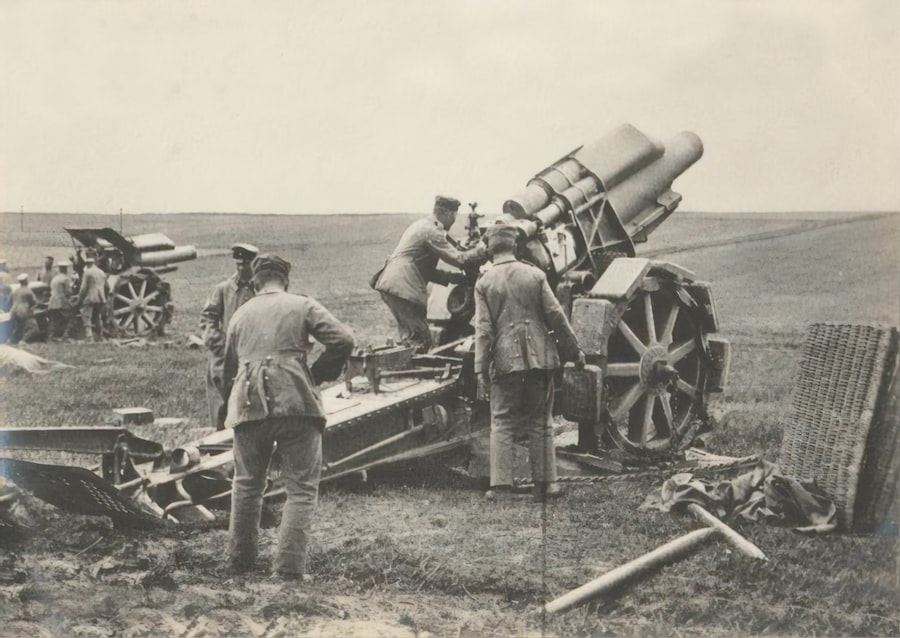
The effectiveness of artillery is rarely independent of the other military branches. At Palo Alto, the successful integration of U.S. artillery with its infantry and cavalry was a key differentiator. Conversely, the Mexican army struggled to achieve this synergy, leaving their artillery isolated and less impactful.
Infantry Support and Covering Fire
The U.S. infantry provided crucial support for their artillery by suppressing enemy skirmishers and providing covering fire. This allowed the artillery crews to operate more freely and effectively. The ability of the U.S. artillery to maneuver and engage enemy flanks also drew Mexican attention away from the infantry, allowing the foot soldiers to advance with greater confidence.
Artillery as the Shepherd of the Infantry Column
The U.S. artillery acted as a shepherd guiding its flock. With well-placed volleys, they could clear the path for advancing infantry, suppress enemy fire that might have otherwise decimated the attacking lines, and create breaches in enemy formations. This cooperative dance between cannon and bayonet was a fundamental element of U.S. tactical success.
Cavalry’s Role in Artillery Protection and Harassment
The U.S. cavalry played a vital role in protecting the flanks of the artillery, preventing Mexican attempts to outflank and overrun the guns. They also acted as a mobile screen, harassing enemy units that might attempt to close with the artillery. This freedom of movement for the cavalry extended the effective defense of the artillery beyond its immediate vicinity.
The Cavalry’s Sword and the Artillery’s Roar: A Combined Symphony
When the U.S. cavalry charged, their thunderous hooves would often coincide with the roar of their own artillery. This combined offensive created a terrifying symphony for the Mexican defenders. The cavalry forced the enemy to break ranks, making them easier targets for the artillery, while the artillery softened up enemy positions, making them more vulnerable to the cavalry’s decisive blows.
The Battle of Palo Alto marked a significant moment in military history, particularly in terms of artillery effectiveness, which played a crucial role in the outcome of the conflict. For a deeper understanding of how artillery tactics evolved during this period, you can explore a related article that discusses the strategic implications of these advancements. The insights provided in this piece shed light on the broader context of the battle and its impact on future military engagements. To read more about this fascinating topic, visit this article.
Conclusion: Artillery as a Decisive Factor
| Metric | Value | Notes |
|---|---|---|
| Number of Artillery Pieces | 12 | Mexican forces had approximately 12 artillery pieces |
| Effective Range | 1,200 yards | Average effective range of artillery used |
| Rate of Fire | 2 rounds per minute | Typical firing rate for smoothbore cannons of the era |
| Casualties Attributed to Artillery | ~50 | Estimated number of casualties caused by artillery fire |
| Accuracy | Moderate | Artillery was effective but limited by terrain and technology |
| Impact on Battle Outcome | Significant | Artillery fire helped U.S. forces maintain advantage |
The Battle of Palo Alto clearly demonstrated the decisive potential of well-employed artillery. The U.S. Army’s superiority in artillery technology, tactical doctrine, and integration with other arms allowed them to exert significant control over the battlefield. The Mexican artillery, hampered by equipment limitations and inflexibility, could not match this performance.
A Blueprint for Future Engagements
The lessons learned at Palo Alto regarding artillery deployment, mobility, and coordination would serve as a blueprint for subsequent engagements in the Mexican-American War. The battle underscored the evolution of warfare, where artillery was no longer merely a supporting arm but a primary offensive tool capable of dictating the pace and outcome of conflict.
The Echo of the Cannon: Shaping the Narrative of War
The booming echoes of the cannons at Palo Alto reverberated far beyond the battlefield itself. They carried the weight of strategic advantage, demonstrating to both combatants and observers alike that the mastery of artillery was becoming a prerequisite for military success. This battle served as a stark, factual testament to the growing power of gunpowder and iron in shaping the grand, often brutal, narrative of war.
FAQs
What was the significance of artillery in the Battle of Palo Alto?
Artillery played a crucial role in the Battle of Palo Alto, as it provided the U.S. forces with a significant advantage in firepower. The effective use of artillery helped to disrupt Mexican troop formations and contributed to the American victory.
What types of artillery were used during the Battle of Palo Alto?
The U.S. forces primarily used light artillery pieces, including 6-pounder field guns and 12-pounder howitzers. These were mobile and could be rapidly deployed on the battlefield, allowing for effective bombardment and support of infantry movements.
How did artillery tactics impact the outcome of the battle?
The U.S. artillery was positioned strategically to maximize its range and accuracy, enabling continuous bombardment of Mexican forces. This disrupted enemy advances and lowered Mexican morale, which was a key factor in the American victory at Palo Alto.
Were there any limitations to the artillery effectiveness in the battle?
While effective, the artillery had limitations such as the difficulty of moving heavier guns across rough terrain and the limited ammunition supply. Additionally, the Mexican forces also had artillery, but it was less effectively deployed compared to the U.S. artillery.
What lessons were learned about artillery use from the Battle of Palo Alto?
The battle demonstrated the importance of mobility, positioning, and coordination of artillery with infantry. It highlighted that well-managed artillery could decisively influence the outcome of a battle, shaping future U.S. military tactics and artillery deployment.