Arctic weather warfare presents unique challenges that require a deep understanding of the environment and its impact on military operations. The Arctic region is characterized by extreme cold, unpredictable weather patterns, and vast, inhospitable landscapes. These conditions can severely affect troop mobility, equipment functionality, and overall mission success.
The harsh climate can lead to frostbite, hypothermia, and other cold-related injuries, making it imperative for military personnel to be well-versed in the intricacies of Arctic warfare. Moreover, the Arctic’s geographical features, such as ice floes, glaciers, and tundra, create additional obstacles for military operations. The terrain can be treacherous, with hidden crevasses and unstable ice posing significant risks.
Understanding these elements is crucial for planning effective strategies and ensuring the safety of personnel. As nations increasingly recognize the strategic importance of the Arctic, the need for specialized knowledge in Arctic weather warfare becomes ever more critical.
Key Takeaways
- Arctic warfare requires specialized knowledge of extreme weather and terrain conditions.
- Proper equipment, navigation, and communication tools are essential for survival and operational success.
- Survival tactics and morale maintenance are critical in harsh, isolated Arctic environments.
- Offensive and defensive strategies must leverage the unique Arctic environment for tactical advantage.
- International cooperation enhances effectiveness and safety in Arctic military operations.
Preparing for Extreme Arctic Conditions
Preparation for extreme Arctic conditions involves meticulous planning and training. Military units must acclimatize to the cold and learn to operate effectively in sub-zero temperatures. This preparation includes physical conditioning to enhance endurance and resilience against the elements.
Troops are often required to undergo rigorous training exercises that simulate Arctic conditions, allowing them to develop the necessary skills to navigate and survive in such an unforgiving environment. In addition to physical readiness, psychological preparation is equally important. The isolation and harshness of the Arctic can take a toll on mental health, making it essential for soldiers to be equipped with coping strategies.
Building camaraderie among troops can help mitigate feelings of loneliness and despair that may arise during extended deployments in remote areas. By fostering a strong sense of teamwork and support, military units can enhance their overall effectiveness in extreme Arctic conditions.
Equipment and Gear for Arctic Warfare
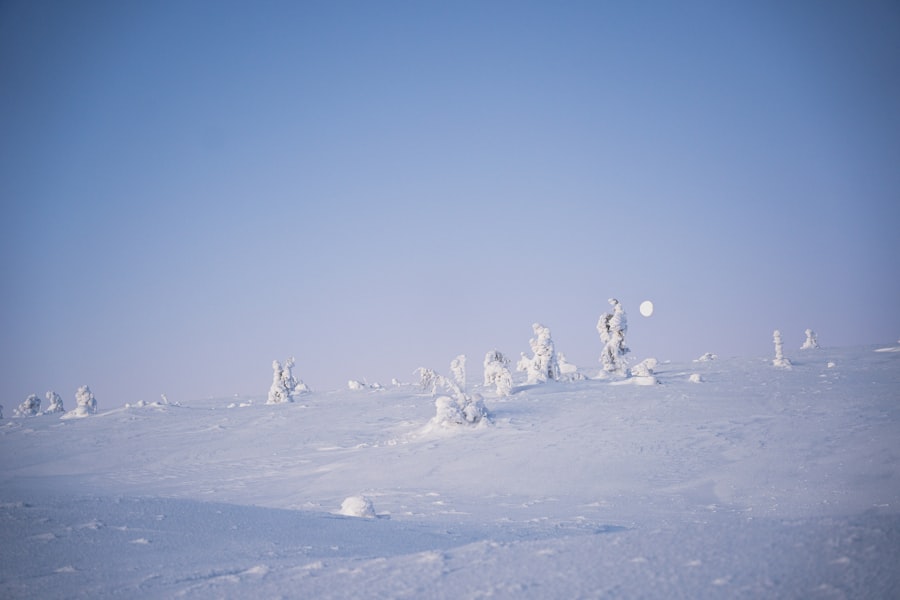
The right equipment and gear are vital for success in Arctic warfare. Military forces must invest in specialized clothing designed to provide insulation while allowing for mobility. Layering is a key principle; soldiers typically wear moisture-wicking base layers, insulating mid-layers, and waterproof outer shells to protect against wind and snow.
Footwear is equally critical, with insulated boots designed to keep feet warm and dry while providing traction on icy surfaces. In addition to personal gear, military equipment must also be adapted for Arctic conditions. Vehicles, weapons, and communication devices need to function reliably in extreme cold.
For instance, engines may require special lubricants that remain effective at low temperatures, while batteries must be designed to withstand freezing conditions. The integration of technology that can operate in these environments is essential for maintaining operational readiness and ensuring mission success.
Navigation and Communication in Arctic Environments
Navigating the vast expanses of the Arctic presents unique challenges due to limited visibility and the absence of recognizable landmarks. Traditional navigation methods may prove ineffective in this environment, necessitating the use of advanced technologies such as GPS systems and satellite communications. However, reliance on technology can be risky; harsh weather conditions can disrupt signals or render devices inoperable.
Therefore, military personnel must also be proficient in traditional navigation techniques, such as using compasses and celestial navigation. Communication in Arctic environments is equally challenging. The cold can affect radio equipment, leading to potential failures during critical operations.
To mitigate these risks, military units often employ redundant communication systems and ensure that personnel are trained to operate effectively under adverse conditions. Establishing clear communication protocols is essential for coordinating movements and maintaining situational awareness among troops dispersed across vast distances.
Survival Tactics in the Arctic
| Metric | Description | Typical Values | Relevance to Arctic Weather Warfare Tactics |
|---|---|---|---|
| Temperature Range (°C) | Ambient temperature variations in Arctic regions | -50 to 0 | Critical for planning operations and deploying weather modification technologies |
| Wind Speed (km/h) | Average and peak wind speeds during Arctic storms | 10 to 90 | Influences dispersal of weather modification agents and tactical movement |
| Sea Ice Coverage (%) | Extent of sea ice in operational areas | 50 to 100 | Determines accessibility and effectiveness of weather warfare tactics |
| Precipitation Type | Forms of precipitation common in Arctic weather | Snow, Sleet, Freezing Rain | Used to manipulate visibility and terrain conditions |
| Cloud Cover (%) | Average cloud density in Arctic skies | 60 to 90 | Impacts satellite and aerial reconnaissance and weather modification efforts |
| Humidity (%) | Relative humidity levels in Arctic atmosphere | 50 to 90 | Affects formation of fog and ice crystals used in tactical weather manipulation |
| Storm Frequency (per month) | Number of significant Arctic storms | 2 to 5 | Opportunities for leveraging natural weather events in warfare tactics |
Survival tactics in the Arctic are crucial for ensuring the safety and well-being of military personnel operating in this harsh environment. Soldiers must be trained in essential survival skills, including building shelters from snow and ice, finding food sources, and purifying water. Knowledge of local wildlife can also be beneficial; understanding which animals are dangerous and which can provide sustenance is vital for survival.
In addition to practical skills, mental resilience plays a significant role in survival situations. Soldiers must learn to remain calm under pressure and make rational decisions despite the overwhelming challenges posed by the environment. Training exercises often include scenarios that test both physical endurance and mental fortitude, preparing troops for the unpredictable nature of Arctic warfare.
Offensive and Defensive Strategies in Arctic Warfare
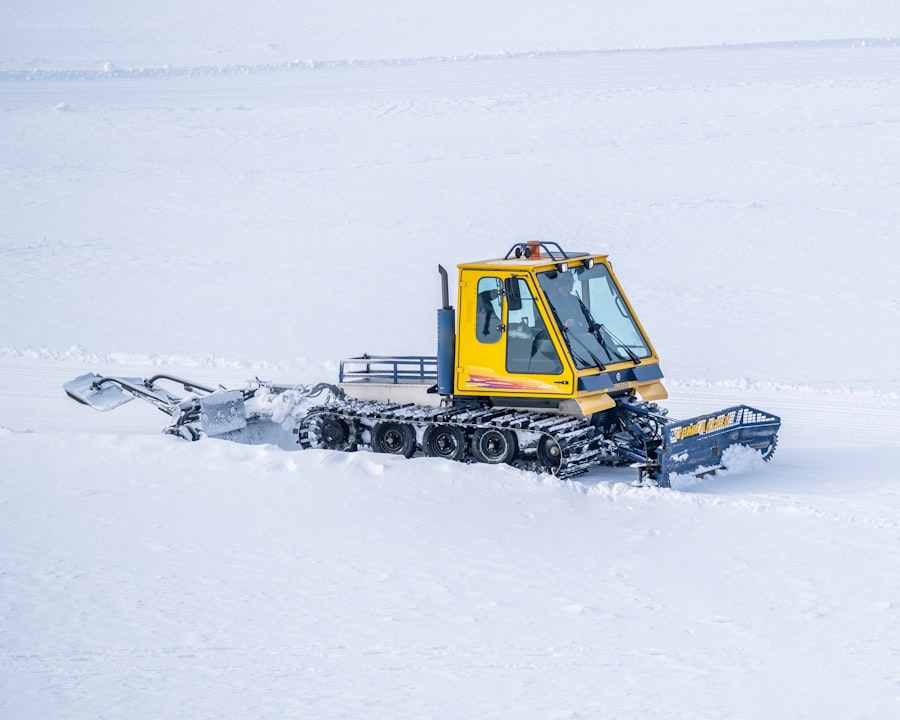
Developing effective offensive and defensive strategies in Arctic warfare requires a nuanced understanding of the terrain and weather conditions. Offensive operations may involve rapid maneuvers across ice-covered landscapes or utilizing natural features for cover during assaults. Military planners must consider factors such as visibility, mobility, and the potential for ambushes when devising strategies for engaging enemy forces.
Defensive strategies are equally complex; establishing secure positions in the Arctic requires careful consideration of environmental factors. Troops may need to dig in or create fortified positions that blend into the landscape to avoid detection. Additionally, maintaining supply lines in such a remote area poses logistical challenges that must be addressed through careful planning and resource management.
Utilizing the Environment to Your Advantage
In Arctic warfare, understanding how to utilize the environment can provide a significant tactical advantage. The vastness of the landscape can serve as both a barrier and an opportunity; military units can leverage natural features such as mountains or ice formations for concealment or strategic positioning. Additionally, knowledge of local weather patterns can inform decision-making regarding troop movements or timing for offensive actions.
Camouflage techniques are also essential in this environment. Troops must adapt their appearance to blend into the snowy surroundings effectively. This may involve using white or light-colored gear and employing natural materials from the environment to enhance concealment.
By mastering these techniques, military forces can increase their chances of success while minimizing their visibility to adversaries.
Specialized Training for Arctic Warfare
Specialized training is paramount for preparing military personnel for the unique challenges of Arctic warfare. This training encompasses a wide range of skills, from survival tactics to advanced navigation techniques tailored specifically for cold-weather operations. Military units often conduct joint exercises with other branches or allied forces to enhance interoperability and share best practices.
Moreover, training programs may include simulations that replicate real-world scenarios encountered in Arctic environments. These exercises allow troops to practice decision-making under pressure while adapting to rapidly changing conditions.
Maintaining Morale in Extreme Arctic Conditions
Maintaining morale among troops deployed in extreme Arctic conditions is a critical aspect of operational success. The isolation and harshness of the environment can lead to feelings of despair or hopelessness if not addressed proactively. Military leaders play a vital role in fostering a positive atmosphere by encouraging open communication and providing support systems for personnel.
Activities that promote camaraderie can also help boost morale during long deployments. Team-building exercises, recreational activities, or even simple social gatherings can create a sense of community among soldiers facing similar challenges. By prioritizing mental health and well-being, military units can enhance resilience and maintain high levels of motivation even in the most difficult circumstances.
Adapting to Changing Arctic Weather Patterns
As climate change continues to impact global weather patterns, military forces must adapt their strategies to account for changing conditions in the Arctic. Warmer temperatures may lead to altered ice formations or increased accessibility to previously unreachable areas, presenting both opportunities and challenges for military operations. Understanding these shifts is essential for effective planning and execution of missions.
Additionally, adapting training programs to reflect new realities is crucial for ensuring that personnel remain prepared for evolving conditions. This may involve incorporating new technologies or tactics that address emerging threats associated with climate change. By staying ahead of these changes, military forces can maintain operational effectiveness while navigating an increasingly dynamic environment.
International Cooperation in Arctic Warfare Operations
International cooperation is becoming increasingly important as nations recognize the strategic significance of the Arctic region. Collaborative efforts among allied forces can enhance capabilities while promoting stability in this sensitive area. Joint training exercises and information sharing are essential components of building strong partnerships that can address common challenges related to Arctic warfare.
Furthermore, diplomatic engagement plays a crucial role in fostering cooperation among nations with interests in the Arctic. Establishing frameworks for collaboration can help mitigate tensions while promoting mutual understanding among countries operating in this region. By working together, military forces can enhance their preparedness for potential conflicts while ensuring that they are equipped to respond effectively to emerging threats in the Arctic landscape.
In conclusion, mastering the complexities of Arctic warfare requires a multifaceted approach that encompasses understanding environmental challenges, specialized training, effective communication strategies, and international cooperation. As geopolitical interests continue to shift towards this critical region, military forces must remain vigilant and adaptable to ensure success in one of the most demanding operational theaters on Earth.
Arctic weather warfare tactics have become increasingly relevant as nations seek to leverage extreme environmental conditions for strategic advantage.