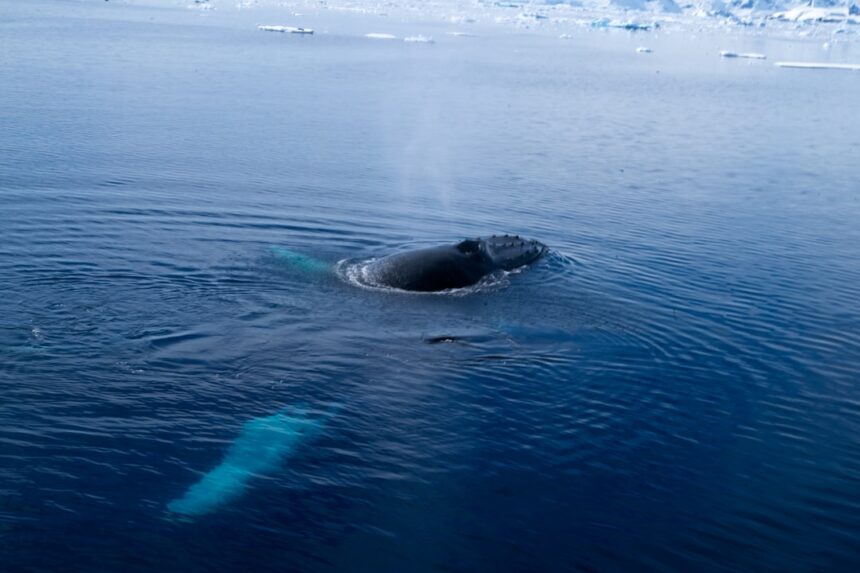
Arctic submarine operations constitute a sophisticated element of naval strategy, involving advanced technology, environmental challenges, and geopolitical dynamics. With increasing recognition of the Arctic’s strategic value, submarines play crucial roles in territorial assertion, surveillance, and national security. The Arctic’s extensive and hazardous waters create both strategic opportunities and operational difficulties, making this region important for military operations and scientific research.
The importance of Arctic submarine activities transcends military power, encompassing environmental protection, international legal frameworks, and collaborative security arrangements. Climate change’s transformation of the Arctic—creating new maritime routes and resource access—heightens the strategic necessity for effective submarine capabilities. Arctic submarine operations remain vital for national security interests and international diplomatic engagement as the region continues to evolve geopolitically.
Key Takeaways
- Arctic submarine operations require specialized technology and training to navigate extreme environmental challenges.
- Historically, submarines have played a strategic role in Arctic exploration and military presence.
- Submarines contribute significantly to national security and defense in the increasingly contested Arctic region.
- Environmental concerns are critical, prompting efforts to minimize the ecological impact of underwater missions.
- International cooperation is essential for safe and effective Arctic submarine operations amid evolving geopolitical interests.
History of Submarine Operations in the Arctic
The history of submarine operations in the Arctic is rich and multifaceted, tracing back to the early 20th century when submarines first emerged as a formidable component of naval warfare. During World War II, both Allied and Axis powers recognized the strategic value of the Arctic region, leading to increased submarine activity in these icy waters.
The introduction of nuclear-powered submarines revolutionized Arctic operations, enabling sustained underwater presence without the need for frequent surfacing. This era marked a significant shift in how submarines were deployed in the Arctic, transitioning from short-term missions to long-duration patrols that could last months.
The historical context of these operations underscores their evolution from rudimentary explorations to sophisticated military strategies that continue to shape Arctic geopolitics today.
Challenges of Navigating the Arctic Environment
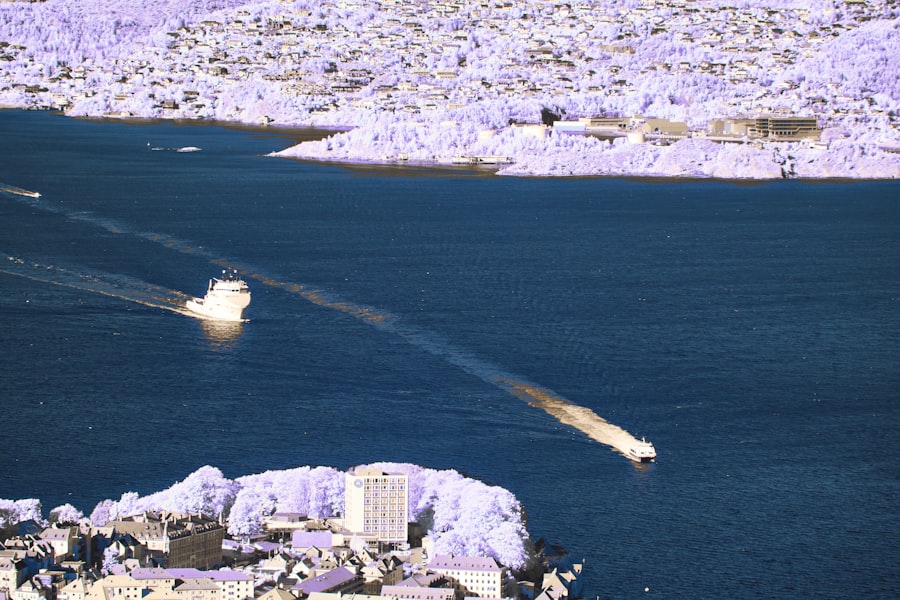
Navigating the Arctic environment poses a myriad of challenges that can complicate submarine operations. The extreme cold temperatures can affect both the mechanical systems of submarines and the physical endurance of crew members. Ice coverage can obstruct navigation routes, necessitating advanced ice-breaking capabilities or alternative strategies to ensure safe passage.
Additionally, the unpredictable nature of ice movement can create hazards that require constant vigilance and adaptability from submarine crews. Moreover, the remoteness of the Arctic region complicates logistical support for submarines. Resupply missions are often hampered by harsh weather conditions and limited infrastructure, making it difficult to provide necessary maintenance or personnel changes during extended deployments.
Communication systems can also be unreliable in such isolated areas, which can hinder coordination with other naval forces or command centers. These challenges necessitate a high level of preparedness and resilience from submariners operating in this unforgiving environment.
Technology and Equipment Used in Arctic Submarine Operations
The technological advancements in submarine design and equipment have significantly enhanced operational capabilities in the Arctic. Modern submarines are equipped with sophisticated sonar systems that allow for precise navigation and target detection even in icy waters. These systems are crucial for avoiding underwater obstacles and ensuring safe maneuvering through challenging ice formations.
Additionally, advancements in hull design have improved ice resistance, enabling submarines to operate effectively beneath thick ice sheets. Furthermore, the integration of advanced communication technologies has transformed how submarines operate in the Arctic. Satellite communications allow for real-time data sharing with command centers and allied forces, enhancing situational awareness and operational coordination.
The development of autonomous underwater vehicles (AUVs) has also expanded operational capabilities, enabling submarines to conduct reconnaissance missions or gather environmental data without exposing themselves to potential threats. This technological evolution underscores the importance of innovation in maintaining a strategic advantage in Arctic submarine operations.
Training and Preparation for Arctic Submarine Missions
| Metric | Description | Typical Values / Notes |
|---|---|---|
| Ice Thickness | Average thickness of Arctic sea ice encountered during operations | 1 to 3 meters (seasonal variation) |
| Submarine Hull Strength | Pressure hull rating to withstand ice pressure and water depth | Up to 600 meters depth; reinforced for ice impact |
| Navigation Systems | Technologies used for under-ice navigation | Inertial navigation, sonar, upward-looking sonar |
| Communication Methods | Techniques for maintaining contact under ice | Extremely low frequency (ELF) radio, buoyant antennae |
| Operational Duration | Typical mission length in Arctic conditions | Several weeks to months |
| Surface Access Points | Methods to surface through ice | Ice-breaking capability, locating polynyas or thin ice |
| Temperature Range | Environmental temperatures during operations | -40°C to 0°C |
| Ice Detection Range | Range of sonar systems to detect ice thickness and obstacles | Up to 100 meters |
| Submarine Speed Under Ice | Average cruising speed beneath Arctic ice | 5 to 15 knots |
| Number of Arctic Submarine Bases | Known bases supporting Arctic submarine operations | Approximately 3 to 5 globally |
Training for Arctic submarine missions is rigorous and multifaceted, designed to prepare crews for the unique challenges posed by this environment. Submariners undergo extensive simulations that replicate Arctic conditions, allowing them to practice navigation techniques and emergency procedures in a controlled setting. This training is essential for developing the skills necessary to operate effectively under extreme cold and limited visibility.
In addition to technical training, psychological preparation is equally important. Crews must be equipped to handle the isolation and confinement that come with extended deployments in remote areas. Team-building exercises and stress management techniques are integral components of training programs, fostering camaraderie and resilience among crew members.
This comprehensive approach ensures that submariners are not only technically proficient but also mentally prepared for the demands of Arctic operations.
Role of Submarines in Arctic Security and Defense
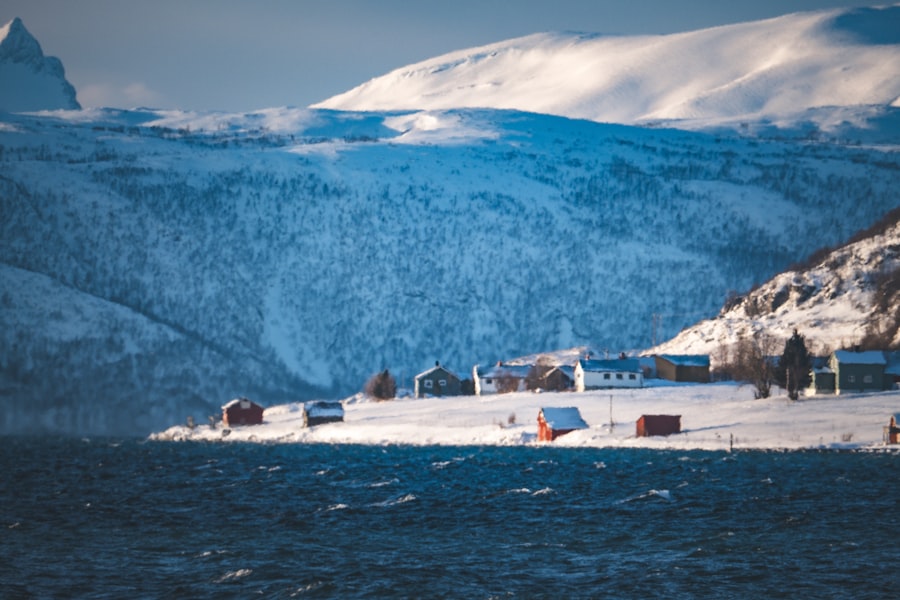
Submarines play a pivotal role in ensuring security and defense in the Arctic region. Their stealth capabilities allow them to conduct surveillance missions undetected, gathering critical intelligence on potential threats or adversarial activities. This capability is particularly important given the increasing military presence of various nations in the Arctic as they seek to assert their interests in this strategically significant area.
Moreover, submarines serve as a deterrent against potential aggression from rival states. The ability to launch precision strikes from underwater positions enhances a nation’s defensive posture while providing a credible threat to adversaries considering hostile actions in the region. As geopolitical tensions rise over territorial claims and resource competition in the Arctic, submarines will continue to be a vital component of national defense strategies aimed at safeguarding sovereignty and maintaining stability.
Environmental Impact of Submarine Operations in the Arctic
While submarine operations are essential for national security, they also raise concerns about their environmental impact on the fragile Arctic ecosystem. The introduction of noise pollution from submarines can disrupt marine life, particularly species that rely on echolocation for navigation and communication. Additionally, potential oil spills or accidents during operations pose significant risks to the pristine waters and wildlife habitats found in this region.
Efforts are being made to mitigate these environmental impacts through improved operational practices and adherence to international regulations. Submarine fleets are increasingly adopting measures to minimize noise emissions and reduce their ecological footprint during missions. Furthermore, collaboration with environmental organizations and scientific communities is fostering a greater understanding of how submarine activities affect the Arctic environment, paving the way for more sustainable practices in future operations.
International Cooperation in Arctic Submarine Operations
International cooperation is crucial for effective submarine operations in the Arctic, given the shared interests among nations regarding security, environmental protection, and resource management. Collaborative efforts among Arctic nations have led to agreements aimed at promoting transparency and reducing tensions in military activities within this sensitive region. Joint exercises and information-sharing initiatives enhance mutual understanding and foster trust among nations operating in close proximity.
Organizations such as the Arctic Council play a vital role in facilitating dialogue among member states on issues related to security and environmental stewardship. By working together on common challenges, nations can develop strategies that balance military readiness with ecological preservation. This cooperative approach not only strengthens regional stability but also underscores the importance of diplomacy in addressing complex issues arising from increased submarine activity in the Arctic.
Future Trends and Developments in Arctic Submarine Operations
As geopolitical dynamics evolve and climate change continues to reshape the Arctic landscape, future trends in submarine operations are likely to reflect these changes. The melting ice caps are expected to open new shipping routes and access to previously unreachable resources, prompting nations to enhance their naval capabilities in response. This shift may lead to an increase in submarine patrols as countries seek to assert their claims over emerging trade routes.
Technological advancements will also play a significant role in shaping future operations. Innovations such as artificial intelligence (AI) and machine learning are expected to enhance decision-making processes during missions, improving situational awareness and operational efficiency. Additionally, developments in unmanned systems may allow for more extensive reconnaissance capabilities while reducing risks to human crews.
As these trends unfold, they will undoubtedly influence how nations approach submarine operations in the Arctic.
Importance of Arctic Submarine Operations for National Security
The importance of Arctic submarine operations for national security cannot be overstated. As global interest in the region intensifies due to its strategic significance and resource potential, maintaining a robust submarine presence becomes essential for safeguarding national interests. Submarines provide a critical deterrent against potential adversaries while enabling nations to monitor developments within their maritime domains effectively.
Moreover, as climate change continues to alter geopolitical landscapes, nations must adapt their defense strategies accordingly. The ability to operate effectively in the Arctic will be paramount for ensuring sovereignty over territorial waters and resources while contributing to broader regional stability. In this context, submarine operations serve as a cornerstone of national security strategies aimed at navigating an increasingly complex geopolitical environment.
The Future of Submarine Operations in the Arctic
In conclusion, submarine operations in the Arctic represent a dynamic intersection of military strategy, technological innovation, environmental stewardship, and international cooperation. As nations navigate the challenges posed by this unique environment while seeking to assert their interests, submarines will remain a vital asset for ensuring security and stability in the region. The evolution of these operations will be shaped by ongoing advancements in technology, changing geopolitical dynamics, and a growing awareness of environmental impacts.
Looking ahead, it is imperative that nations prioritize collaboration over competition in addressing shared challenges within the Arctic. By fostering dialogue and cooperation among stakeholders, countries can work towards sustainable practices that balance military readiness with ecological preservation. Ultimately, the future of submarine operations in the Arctic will depend on a collective commitment to navigating this complex landscape responsibly while safeguarding both national interests and the fragile environment that defines this remarkable region.
Arctic submarine operations have become increasingly critical as nations seek to assert their presence in this strategically important region. For a deeper understanding of the challenges and strategies involved in these operations, you can read the article on this topic at In the War Room. This resource provides valuable insights into the evolving dynamics of military activities in the Arctic and the implications for global security.
FAQs
What are Arctic submarine operations?
Arctic submarine operations refer to the deployment and maneuvering of submarines in the Arctic region, which includes navigating under the ice-covered waters of the Arctic Ocean. These operations involve specialized techniques and equipment to handle the unique challenges posed by the extreme cold, ice cover, and remote environment.
Why are submarines used in the Arctic?
Submarines are used in the Arctic for strategic military purposes, scientific research, and surveillance. Their ability to operate underwater allows them to navigate beneath the ice, conduct reconnaissance, gather intelligence, and maintain a presence in a region that is difficult to access by surface ships or aircraft.
What challenges do submarines face in Arctic operations?
Submarines operating in the Arctic face challenges such as thick ice cover, extreme cold temperatures, limited communication capabilities, and navigation difficulties due to magnetic anomalies near the poles. Ice can also pose risks when surfacing, requiring submarines to find or create openings in the ice.
How do submarines navigate under the Arctic ice?
Submarines use inertial navigation systems, sonar, and under-ice mapping to navigate beneath the Arctic ice. They may also rely on satellite data and ice reconnaissance to identify thinner ice areas or polynyas (open water) for surfacing.
What types of submarines are used in Arctic operations?
Both nuclear-powered and diesel-electric submarines can be used in Arctic operations, but nuclear submarines are preferred for their greater endurance and ability to remain submerged for extended periods. Military submarines, particularly those from countries with Arctic interests, are commonly involved in these operations.
How do submarines surface through Arctic ice?
Submarines can surface through thin ice by breaking it with their reinforced sails (the vertical structure on top of the submarine). In areas with thicker ice, they may locate natural openings or polynyas to surface safely.
Which countries conduct Arctic submarine operations?
Countries with Arctic coastlines and strategic interests in the region, such as the United States, Russia, Canada, Norway, and the United Kingdom, conduct Arctic submarine operations. Russia, in particular, has a significant presence and capability in Arctic submarine activities.
What is the strategic importance of Arctic submarine operations?
The Arctic is strategically important due to its natural resources, shipping routes, and military significance. Submarine operations in the region enable countries to monitor activities, assert sovereignty, and maintain a strategic military advantage in a geopolitically sensitive area.
Are there environmental concerns related to Arctic submarine operations?
Yes, there are environmental concerns including potential disturbances to marine life, risks of accidents or leaks in a fragile ecosystem, and the impact of noise pollution. However, submarines generally operate with minimal surface disturbance compared to other vessels.
How has technology advanced Arctic submarine operations?
Advancements include improved sonar systems for under-ice navigation, enhanced ice detection and breaking capabilities, better communication technologies, and more robust hull designs to withstand ice pressure. These improvements have increased the safety and effectiveness of Arctic submarine missions.