The Barents Sea, a critical expanse of water located in the Arctic region, has emerged as a focal point for submarine operations in recent years. As nations seek to assert their influence and secure their interests in this strategically significant area, the role of submarines has become increasingly vital. The unique geographical and environmental conditions of the Arctic present both opportunities and challenges for naval operations, making the Barents Sea a key theater for modern military strategy.
The interplay of geopolitical tensions, resource exploration, and environmental concerns underscores the importance of understanding submarine operations in this region. Submarine operations in the Barents Sea are not merely a matter of military strategy; they also reflect broader geopolitical dynamics. The Arctic is witnessing a resurgence of interest from various nations, each vying for control over its resources and shipping routes.
As climate change continues to alter the landscape, previously inaccessible areas are becoming navigable, prompting a reevaluation of national security strategies. In this context, submarines serve as both deterrents and instruments of power projection, capable of operating stealthily beneath the ice-covered waters while gathering intelligence and conducting surveillance.
Key Takeaways
- The Barents Sea is a strategically vital area for Arctic submarine operations due to its geographic location and security importance.
- Submarine operations in the Arctic face unique challenges such as extreme cold, ice cover, and navigation difficulties.
- Advanced technology and specialized equipment are essential for effective and safe submarine missions in Arctic conditions.
- International cooperation plays a key role in managing risks and enhancing security in Arctic submarine activities.
- Environmental protection and rigorous training are critical components in sustaining responsible and successful Arctic submarine operations.
Historical Background of Submarine Operations in the Arctic
The history of submarine operations in the Arctic is rich and complex, dating back to the early 20th century. During World War II, submarines played a crucial role in the naval strategies of both the Allies and Axis powers, with the Arctic serving as a theater for various operations. The Soviet Union, in particular, recognized the strategic importance of the Barents Sea and established a formidable submarine fleet to protect its northern borders.
This period marked the beginning of a long-standing tradition of submarine operations in the region, which would evolve significantly during the Cold War. Throughout the Cold War, the Barents Sea became a battleground for submarine warfare between NATO and Soviet forces. The development of advanced submarine technology, including nuclear-powered vessels, transformed naval capabilities and tactics.
The Arctic waters were often characterized by intense cat-and-mouse games between submarines, with both sides seeking to gain an advantage over their adversaries. This historical backdrop laid the foundation for contemporary submarine operations, as lessons learned from past engagements continue to inform current strategies and technologies.
Importance of the Barents Sea for Submarine Operations
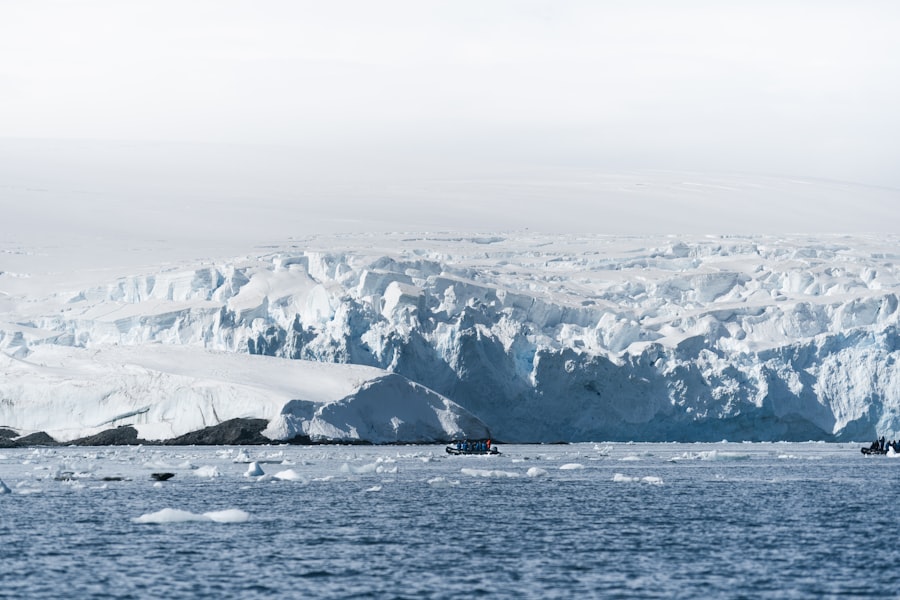
The Barents Sea holds immense strategic significance for several reasons. First and foremost, it serves as a gateway to the Arctic Ocean, providing access to vital shipping routes that are becoming increasingly navigable due to melting ice. This shift not only facilitates trade but also opens up new opportunities for resource exploration, including oil and gas reserves that lie beneath the seabed.
As nations seek to secure these resources, submarines play a crucial role in asserting territorial claims and protecting national interests. Moreover, the Barents Sea is home to critical military installations and naval bases that support submarine operations. The proximity of these facilities allows for rapid deployment and resupply of submarines, enhancing operational readiness.
Additionally, the region’s geographical features, such as underwater canyons and ridges, provide natural concealment for submarines, enabling them to operate undetected. This combination of strategic access and operational advantages makes the Barents Sea an essential area for modern naval forces.
Challenges and Risks of Submarine Operations in the Arctic
Despite its strategic advantages, conducting submarine operations in the Arctic presents numerous challenges and risks. The harsh environmental conditions, characterized by extreme cold, ice cover, and limited visibility, pose significant obstacles to navigation and operational effectiveness. Submarines must be equipped to withstand these conditions while maintaining their stealth capabilities.
Ice can also create hazards for submarines, potentially leading to collisions or entrapment. Additionally, the remoteness of the Arctic region complicates logistics and support for submarine operations. Resupply missions can be challenging due to unpredictable weather patterns and ice conditions that can hinder access to ports.
Furthermore, the limited infrastructure in the Arctic means that submarines may have to operate for extended periods without direct support or maintenance. These factors contribute to an elevated level of risk for submarines operating in this unforgiving environment.
Role of Submarines in Arctic Security and Defense
| Metric | Value | Unit | Notes |
|---|---|---|---|
| Number of Submarine Patrols | 15 | Patrols per year | Estimated annual patrols in Barents Sea region |
| Average Patrol Duration | 30 | Days | Typical length of a single Arctic submarine operation |
| Operational Depth | 300-500 | Meters | Common depth range for Arctic submarine operations |
| Ice Thickness Encountered | 1.5 | Meters | Average sea ice thickness in operational areas |
| Communication Blackout Duration | 12 | Hours | Typical time without surface communication during under-ice operations |
| Number of Submarines Deployed | 5 | Units | Submarines regularly assigned to Barents Sea Arctic operations |
| Surface Temperature Range | -2 to 2 | °C | Typical sea surface temperature during operations |
Submarines play a pivotal role in ensuring security and defense in the Arctic region. Their stealthy nature allows them to conduct surveillance and intelligence-gathering missions without detection, providing valuable information on potential threats or adversarial activities. This capability is particularly important in an era where geopolitical tensions are rising, and nations are increasingly concerned about their security interests in the Arctic.
Moreover, submarines serve as a deterrent against potential aggression from rival states. The presence of a capable submarine fleet can dissuade adversaries from taking hostile actions by signaling that any aggression will be met with a swift and decisive response. This deterrent effect is amplified by the advanced weaponry that modern submarines carry, including cruise missiles capable of striking targets far beyond their immediate vicinity.
As such, submarines are integral to maintaining stability and security in the Arctic.
Technology and Equipment Used in Arctic Submarine Operations
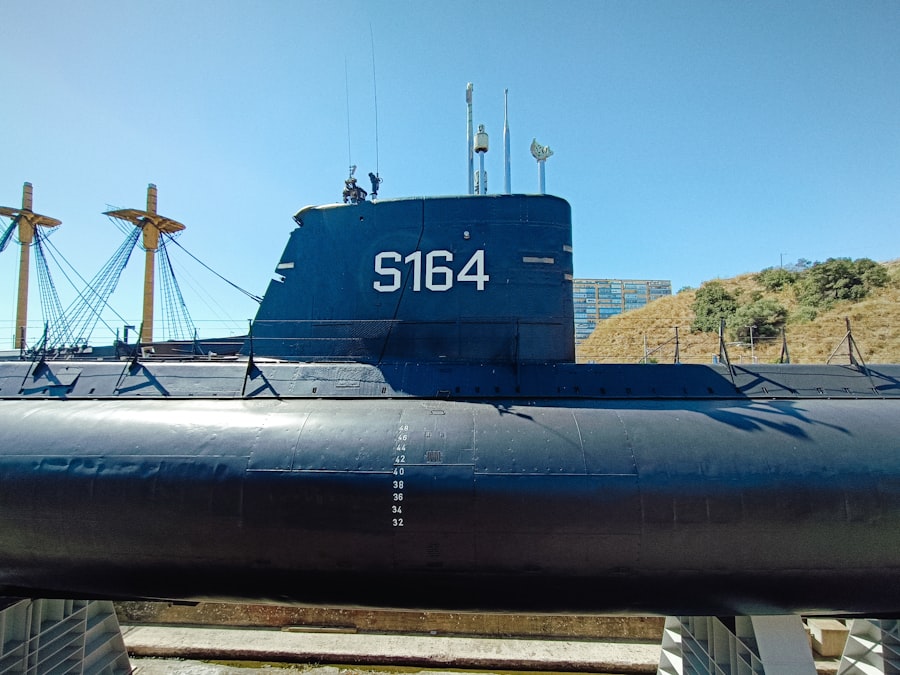
The technological advancements in submarine design and equipment have significantly enhanced operational capabilities in the Arctic. Modern submarines are equipped with cutting-edge sonar systems that allow them to detect other vessels and underwater obstacles even in challenging conditions. These systems are crucial for navigating through ice-covered waters where traditional navigation methods may be compromised.
In addition to sonar technology, submarines operating in the Arctic are often outfitted with advanced communication systems that enable secure data transmission even in remote areas. This capability is essential for maintaining situational awareness and coordinating operations with other naval assets.
International Cooperation in Arctic Submarine Operations
International cooperation is increasingly recognized as essential for effective submarine operations in the Arctic. Given the shared challenges posed by environmental changes and geopolitical tensions, nations are beginning to collaborate on various aspects of submarine operations. Joint exercises and training programs allow countries to enhance interoperability among their naval forces while sharing best practices for operating in Arctic conditions.
Moreover, international agreements aimed at promoting safety and security in the Arctic are gaining traction. These agreements facilitate information sharing regarding maritime activities and enhance collective responses to potential threats or incidents involving submarines. By fostering collaboration among Arctic nations, these initiatives contribute to a more stable security environment while addressing common challenges related to navigation and resource management.
Environmental Considerations in Arctic Submarine Operations
As nations intensify their submarine operations in the Arctic, environmental considerations have become increasingly important. The fragile ecosystem of the Arctic is vulnerable to disturbances caused by military activities, including noise pollution from submarines that can impact marine life. Recognizing this reality, many navies are adopting measures to minimize their environmental footprint while conducting operations.
Additionally, there is growing awareness of the need for sustainable practices in resource exploration and extraction activities associated with submarine operations. As countries seek to tap into Arctic resources, they must balance economic interests with environmental stewardship. This includes implementing stringent regulations on oil spills and other potential hazards that could arise from military or commercial activities in this sensitive region.
Training and Preparation for Arctic Submarine Operations
Effective training is paramount for ensuring that submariners are prepared to operate in the challenging conditions of the Arctic. Specialized training programs focus on developing skills necessary for navigating icy waters, conducting surveillance missions, and responding to emergencies unique to this environment. Simulated exercises that replicate real-world scenarios help crews build confidence and proficiency while enhancing their ability to work as cohesive units.
Moreover, training often includes collaboration with other branches of the military and allied forces to ensure comprehensive preparedness for joint operations. This approach fosters interoperability among different naval forces while allowing personnel to share insights gained from their respective experiences operating in Arctic conditions. By investing in rigorous training programs, navies can enhance their operational readiness and effectiveness in this strategically significant region.
Future Outlook for Arctic Submarine Operations
The future of submarine operations in the Arctic appears poised for significant evolution as geopolitical dynamics continue to shift. With climate change leading to increased accessibility of previously unreachable areas, nations are likely to expand their naval presence in the region further. This trend may result in heightened competition among states seeking to assert their influence over emerging shipping routes and resource-rich territories.
Technological advancements will also play a crucial role in shaping future submarine operations. Innovations such as unmanned underwater vehicles (UUVs) may complement traditional submarines by conducting reconnaissance missions or performing tasks that would be too risky for manned vessels. As navies adapt to these changes, they will need to prioritize collaboration with international partners while addressing environmental concerns associated with increased military activity in the Arctic.
The Strategic Significance of the Barents Sea for Submarine Operations
In conclusion, the Barents Sea stands as a linchpin for submarine operations within the broader context of Arctic security and defense. Its strategic importance is underscored by its role as a gateway to vital shipping routes and resource-rich areas that nations are eager to explore and protect. While historical precedents have shaped current operational strategies, contemporary challenges such as environmental considerations and geopolitical tensions necessitate a nuanced approach to submarine operations.
As nations navigate this complex landscape, cooperation among allies will be essential for ensuring stability while addressing shared challenges posed by climate change and resource management. The future of submarine operations in the Barents Sea will undoubtedly be influenced by technological advancements that enhance operational capabilities while minimizing environmental impacts. Ultimately, understanding the strategic significance of this region will be crucial for shaping effective policies that balance national interests with global responsibilities in an increasingly interconnected world.
Arctic submarine operations in the Barents Sea have become increasingly significant due to the region’s strategic importance and the evolving geopolitical landscape. For a deeper understanding of the challenges and developments in this area, you can read a related article on submarine operations at In The War Room. This resource provides insights into the operational dynamics and the implications for national security in the Arctic region.
WATCH THIS! 🎬 America’s Nuclear City Was a Lie: The Russian Base That Made Iceworm Obsolete
FAQs
What are Arctic submarine operations in the Barents Sea?
Arctic submarine operations in the Barents Sea involve the deployment and maneuvering of submarines beneath the ice-covered waters of the Arctic region, specifically in the Barents Sea area. These operations are conducted for strategic military purposes, scientific research, and surveillance.
Why is the Barents Sea important for submarine operations?
The Barents Sea is strategically significant due to its location near the Arctic Circle, proximity to Russia and NATO countries, and its role as a key route for naval access to the Arctic Ocean. It provides a challenging environment for submarine operations because of its ice cover, cold temperatures, and unique underwater topography.
What challenges do submarines face during Arctic operations in the Barents Sea?
Submarines operating in the Barents Sea face challenges such as thick sea ice, extreme cold, limited communication capabilities, navigation difficulties under ice, and the need for specialized equipment to detect and avoid icebergs and underwater obstacles.
Which countries conduct submarine operations in the Barents Sea?
Primarily, Russia and NATO member countries, including Norway and the United States, conduct submarine operations in the Barents Sea. Russia maintains a significant submarine presence in the region due to its Northern Fleet bases located nearby.
What types of submarines are used in Arctic operations?
Both nuclear-powered and diesel-electric submarines are used in Arctic operations. Nuclear submarines are favored for their endurance and ability to operate under thick ice for extended periods, while diesel-electric submarines may be used for coastal defense and shorter missions.
How do submarines navigate under the ice in the Barents Sea?
Submarines use a combination of inertial navigation systems, sonar, and under-ice mapping to navigate beneath the ice. They may also use upward-looking sonar to detect ice thickness and find suitable locations to surface if necessary.
What is the strategic significance of Arctic submarine operations in the Barents Sea?
Arctic submarine operations in the Barents Sea are strategically important for national security, deterrence, and control of Arctic maritime routes. The region’s increasing geopolitical importance due to natural resources and new shipping lanes has heightened military interest.
Are there environmental concerns related to submarine operations in the Barents Sea?
Yes, there are environmental concerns including potential disturbances to marine life, risks of accidents or leaks from nuclear-powered submarines, and the impact of sonar on Arctic ecosystems. Strict protocols and environmental monitoring are typically in place to mitigate these risks.
How do Arctic conditions affect submarine crew and equipment?
Extreme cold and prolonged darkness can impact crew health and operational efficiency. Equipment must be specially designed or adapted to function reliably in low temperatures and icy conditions, including reinforced hulls and heating systems.
What advancements have been made in Arctic submarine technology?
Advancements include improved ice-penetrating sonar, enhanced navigation systems, quieter propulsion technologies, and hull designs optimized for icebreaking or under-ice operations. These improvements increase the safety and effectiveness of Arctic submarine missions.