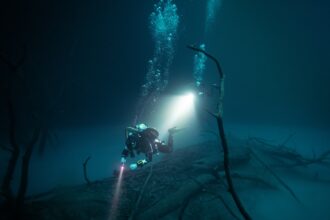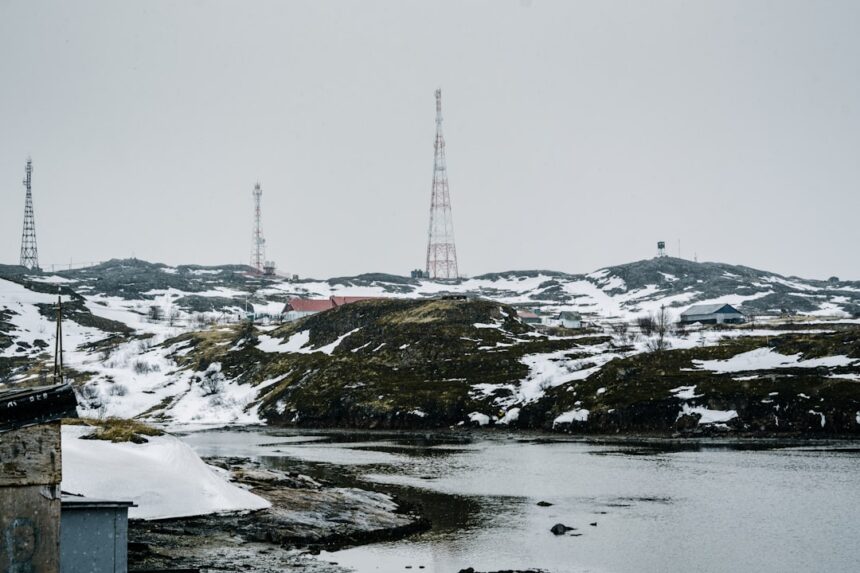
The Arctic region, characterized by its vast ice-covered expanses and rich natural resources, has become a focal point of geopolitical tension in recent years. As climate change accelerates the melting of polar ice, previously inaccessible areas are now opening up, revealing untapped reserves of oil, gas, and minerals. This newfound accessibility has ignited a scramble among Arctic nations to assert their sovereignty over these territories.
The disputes surrounding Arctic sovereignty are not merely about territorial claims; they encompass issues of national security, environmental protection, and the rights of indigenous peoples. As nations vie for control, the Arctic is transforming into a battleground for competing interests, with Russia playing a particularly prominent role. Russia’s historical ties to the Arctic region date back centuries, and its strategic interests have only intensified in the face of global warming.
The melting ice caps have not only opened new shipping routes but have also heightened the stakes for energy exploration and military positioning. As the Arctic becomes increasingly significant on the world stage, understanding the complexities of Russia’s claims and actions is essential for grasping the broader implications for international relations and environmental stewardship in this fragile ecosystem.
Key Takeaways
- Russia asserts strong historical and legal claims to Arctic territories, underpinning its sovereignty disputes.
- The country maintains a significant military presence to secure its Arctic interests and assert control.
- Economic motivations, including resource extraction, drive Russia’s active engagement in the Arctic region.
- Russia plays a key role in international Arctic governance but faces disputes with other Arctic nations over territory.
- Environmental concerns and strategic policies shape Russia’s future approach to Arctic sovereignty and expansion.
Russia’s Historical Claims in the Arctic
Russia’s historical claims in the Arctic are deeply rooted in its imperial past and subsequent developments throughout the 20th century. The Russian Empire was one of the first to explore the Arctic extensively, establishing settlements and conducting scientific research in the region. Following the Bolshevik Revolution, the Soviet Union continued this legacy, asserting control over vast territories and conducting significant scientific expeditions.
The Soviet era saw the establishment of military bases and research stations, further solidifying Russia’s presence in the Arctic. In contemporary times, Russia has sought to reinforce its historical claims through various means, including scientific research and international diplomacy. The country has submitted multiple claims to the United Nations Commission on the Limits of the Continental Shelf (CLCS), arguing that its continental shelf extends beyond the standard 200 nautical miles due to geological features such as the Lomonosov Ridge.
This assertion is based on extensive geological studies and mapping efforts that Russia has undertaken over the years, showcasing its commitment to establishing a legal basis for its claims.
Russia’s Military Presence in the Arctic
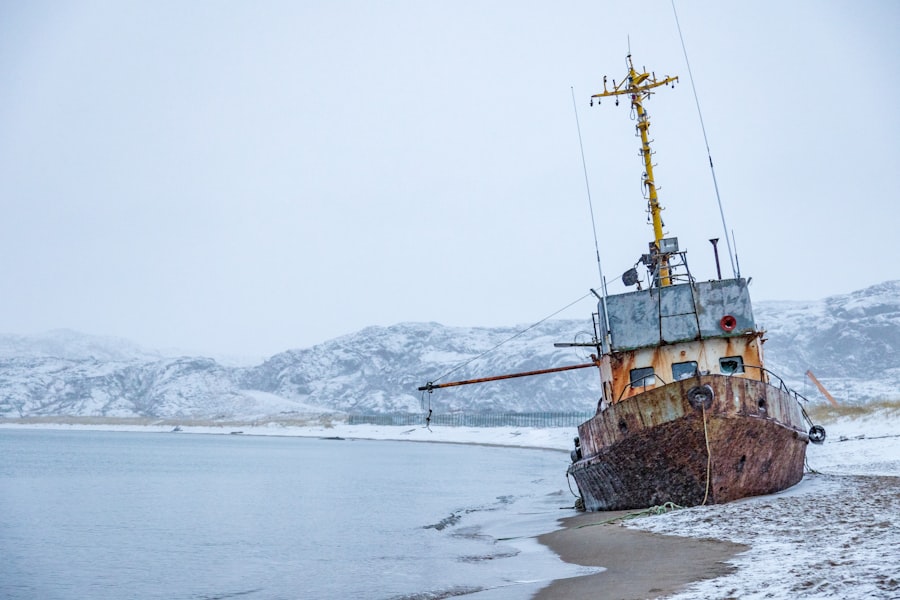
In recent years, Russia has significantly bolstered its military presence in the Arctic, viewing it as a critical area for national security and defense. The Kremlin has invested heavily in modernizing its Arctic military capabilities, establishing new bases and enhancing existing infrastructure. This military buildup includes deploying advanced weaponry, conducting regular military exercises, and increasing naval patrols in Arctic waters.
Such actions are often framed as necessary measures to protect Russia’s sovereignty and interests in a region that is becoming increasingly contested. The establishment of new military installations along Russia’s northern coast underscores the strategic importance that Moscow places on the Arctic. These bases serve not only as operational hubs for military activities but also as centers for scientific research and resource exploration.
By asserting a strong military presence, Russia aims to deter potential encroachments by other nations while simultaneously signaling its commitment to maintaining control over its Arctic territories.
Russia’s Economic Interests in the Arctic
The economic potential of the Arctic is a driving force behind Russia’s assertive policies in the region. With vast reserves of oil and natural gas lying beneath the Arctic seabed, Russia views this area as crucial for its energy security and economic growth. The Russian government has prioritized investments in Arctic exploration and extraction, seeking to capitalize on the region’s resources as global demand for energy continues to rise.
In addition to fossil fuels, the Arctic is rich in minerals such as nickel, cobalt, and rare earth elements, which are essential for modern technology. As countries transition towards greener energy solutions, these resources are becoming increasingly valuable.
Russia’s economic strategy in the Arctic encompasses not only resource extraction but also infrastructure development to support transportation and logistics in this challenging environment. The Northern Sea Route, which runs along Russia’s coast, is being promoted as a viable shipping lane that could significantly reduce transit times between Europe and Asia.
Russia’s Legal Claims in the Arctic
| Country | Claimed Area (sq km) | Key Disputed Regions | Basis of Claim | Current Status |
|---|---|---|---|---|
| Russia | 1,200,000+ | Lomonosov Ridge, North Pole | Extended continental shelf under UNCLOS | Submitted claim to UN, ongoing negotiations |
| Canada | 1,200,000+ | Lomonosov Ridge, Northwest Passage | Geological data, historic usage | Disputes with Russia and Denmark ongoing |
| Denmark (via Greenland) | 1,000,000+ | Lomonosov Ridge, North Pole | Extended continental shelf, geological evidence | Submitted claim to UN, negotiations ongoing |
| Norway | 200,000+ | Barents Sea, Svalbard region | UNCLOS, bilateral agreements | Resolved some disputes, others ongoing |
Russia’s legal claims in the Arctic are grounded in international law, particularly under the United Nations Convention on the Law of the Sea (UNCLOS). This framework allows coastal states to claim an extended continental shelf beyond their territorial waters if they can provide scientific evidence supporting their assertions. Russia has made several submissions to the CLCS, arguing that geological features such as underwater ridges justify its claims to a larger portion of the Arctic continental shelf.
The legal complexities surrounding these claims are significant, as they involve not only scientific data but also diplomatic negotiations with other Arctic nations. While Russia has been proactive in presenting its case to international bodies, it faces challenges from countries like Canada and Denmark, which also have competing claims based on their own interpretations of UNCLOS. The outcome of these legal disputes will have far-reaching implications for resource management and territorial sovereignty in the Arctic.
Russia’s Role in International Arctic Governance
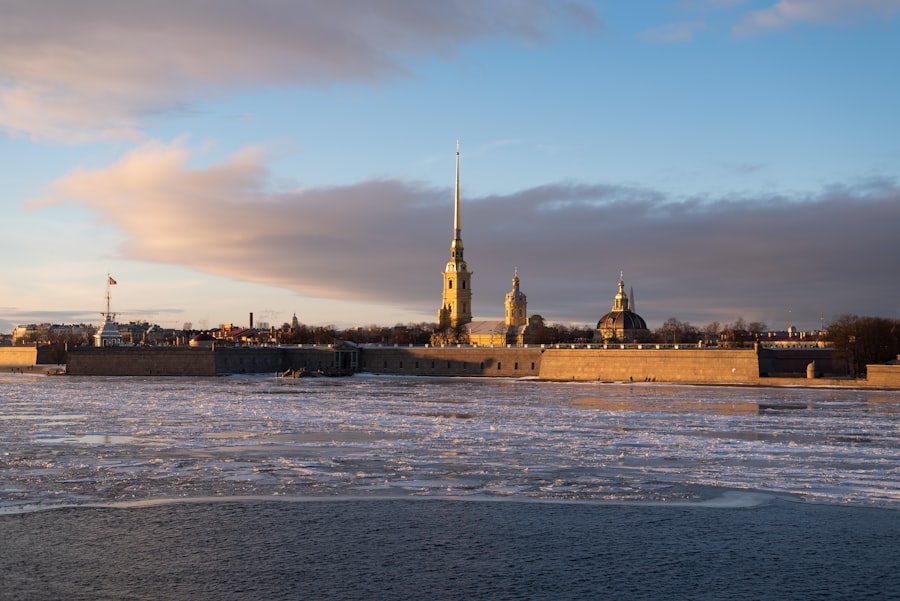
Russia plays a pivotal role in international governance concerning Arctic affairs, participating actively in various multilateral forums aimed at addressing regional challenges. The Arctic Council, which includes eight member states—Canada, Denmark, Finland, Iceland, Norway, Russia, Sweden, and the United States—serves as a primary platform for cooperation on issues such as environmental protection and sustainable development. Through its participation in this council, Russia seeks to assert its influence while also engaging with other nations on shared concerns.
However, Russia’s approach to international governance is often characterized by a dual strategy: promoting collaboration while simultaneously pursuing its national interests assertively. This balancing act can lead to tensions with other Arctic nations that may perceive Russia’s military buildup and resource ambitions as aggressive posturing. As climate change continues to reshape the geopolitical landscape of the Arctic, Russia’s role in international governance will be crucial in determining how effectively nations can work together to address emerging challenges.
Russia’s Disputes with Other Arctic Nations
The competition for resources and territorial claims has led to disputes between Russia and other Arctic nations. One notable area of contention is the status of maritime boundaries in the Barents Sea and the Chukchi Sea. These waters are rich in hydrocarbons and have been subject to negotiations between Russia and Norway, as well as between Russia and the United States.
While some agreements have been reached—such as the 2010 treaty with Norway that delineated maritime boundaries—other disputes remain unresolved. Additionally, Russia’s assertive military posture has raised concerns among neighboring countries about potential encroachments on their territorial waters. The increased frequency of military exercises and naval patrols by Russia has prompted responses from NATO member states, leading to heightened tensions in an already volatile region.
These disputes underscore the delicate balance between cooperation and competition among Arctic nations as they navigate their respective interests.
Russia’s Efforts to Expand its Territory in the Arctic
In pursuit of expanding its territorial claims in the Arctic, Russia has undertaken various initiatives aimed at solidifying its presence and asserting sovereignty over disputed areas. This includes conducting extensive scientific research expeditions to gather data supporting its claims under UNCLOS. By mapping underwater features and conducting geological surveys, Russia aims to bolster its arguments for an extended continental shelf.
Moreover, Russia has engaged in diplomatic efforts to garner support for its claims from other countries while simultaneously countering opposing assertions from rival nations. This multifaceted approach reflects a strategic understanding that territorial expansion requires both scientific validation and political backing on the international stage. As competition intensifies among Arctic nations, Russia’s efforts to expand its territory will likely continue to be a focal point of geopolitical discourse.
Russia’s Environmental Impact in the Arctic
While pursuing economic interests in the Arctic, Russia faces significant challenges related to environmental sustainability. The extraction of natural resources poses risks not only to local ecosystems but also to global climate stability. Oil spills, habitat destruction, and increased shipping traffic threaten fragile environments that are already vulnerable due to climate change.
As one of the largest players in Arctic resource extraction, Russia bears a responsibility to mitigate these impacts while balancing economic growth with environmental stewardship. In response to growing concerns about environmental degradation, Russia has initiated various measures aimed at promoting sustainable practices in its Arctic operations. This includes implementing stricter regulations on resource extraction activities and investing in technologies designed to minimize ecological footprints.
However, critics argue that these efforts often fall short of addressing the broader implications of climate change and resource exploitation in a region that is experiencing rapid transformation.
Russia’s Arctic Policy and Strategy
Russia’s Arctic policy is characterized by a comprehensive strategy that encompasses economic development, military readiness, environmental protection, and international cooperation. The Russian government has articulated its vision for the Arctic through various policy documents that outline priorities for resource management and infrastructure development. Central to this strategy is the goal of establishing Russia as a leading power in the Arctic while ensuring national security against perceived threats from other nations.
The emphasis on developing transportation routes such as the Northern Sea Route reflects Russia’s ambition to enhance trade connectivity while capitalizing on emerging opportunities presented by climate change. Additionally, Moscow seeks to position itself as a responsible steward of Arctic resources by promoting sustainable practices within its industries. However, balancing these diverse objectives remains a complex challenge as geopolitical dynamics continue to evolve.
Future Outlook for Russia’s Role in Arctic Sovereignty Disputes
Looking ahead, Russia’s role in Arctic sovereignty disputes is likely to remain contentious as competing interests among nations intensify. The ongoing effects of climate change will continue to reshape geopolitical dynamics in the region, prompting further exploration and competition for resources.
However, opportunities for cooperation also exist within this complex landscape. Multilateral forums such as the Arctic Council provide platforms for dialogue and collaboration on shared challenges such as climate change adaptation and environmental protection. As global attention turns towards sustainable development practices in fragile ecosystems like the Arctic, there may be avenues for constructive engagement among nations despite underlying rivalries.
In conclusion, while Russia’s historical claims and strategic interests position it as a key player in Arctic sovereignty disputes, navigating this multifaceted landscape will require careful diplomacy and a commitment to balancing national interests with global responsibilities. The future of Arctic governance will depend on how effectively nations can collaborate amidst competing ambitions while safeguarding one of Earth’s most vulnerable regions.
Arctic sovereignty disputes have become increasingly prominent as nations vie for control over the region’s vast resources and strategic shipping routes. A related article that delves into the complexities of these disputes, particularly focusing on Russia’s assertive claims, can be found at this link. This article provides valuable insights into the geopolitical tensions and the implications for international relations in the Arctic.
WATCH THIS! 🎬 America’s Nuclear City Was a Lie: The Russian Base That Made Iceworm Obsolete
FAQs
What is Arctic sovereignty?
Arctic sovereignty refers to the authority and control a country claims over parts of the Arctic region, including land, sea, and airspace. It involves rights to natural resources, navigation routes, and environmental management within the Arctic Circle.
Why is Russia involved in Arctic sovereignty disputes?
Russia is involved in Arctic sovereignty disputes because it has the longest Arctic coastline and seeks to expand its territorial claims to access natural resources, strategic shipping routes, and military advantages in the region.
What are the main areas of dispute in the Arctic involving Russia?
The main areas of dispute include the Lomonosov Ridge, the North Pole, and parts of the continental shelf where Russia, Canada, Denmark (via Greenland), Norway, and the United States have overlapping claims.
How does international law govern Arctic sovereignty claims?
International law, particularly the United Nations Convention on the Law of the Sea (UNCLOS), governs Arctic sovereignty claims by allowing countries to extend their continental shelf claims beyond 200 nautical miles if they provide scientific evidence supporting their claims.
Has Russia made any formal claims in the Arctic?
Yes, Russia has submitted formal claims to the UN Commission on the Limits of the Continental Shelf to extend its Arctic continental shelf, including a notable 2007 expedition where a Russian submarine planted a flag on the seabed at the North Pole.
Are there any conflicts or military tensions related to Arctic sovereignty disputes?
While there have been increased military activities and patrols by Russia and other Arctic nations, most disputes are managed through diplomatic and legal channels, with no direct armed conflicts reported.
What role do other Arctic nations play in disputes with Russia?
Other Arctic nations like Canada, Denmark, Norway, and the United States also assert their own territorial claims and work through international bodies to resolve disputes, often cooperating on scientific research and environmental protection despite competing interests.
How does climate change impact Arctic sovereignty disputes?
Climate change is melting Arctic ice, opening new shipping routes and access to untapped natural resources, which intensifies sovereignty disputes as countries seek to control these emerging opportunities.
What mechanisms exist to resolve Arctic sovereignty disputes?
Disputes are primarily resolved through diplomatic negotiations, scientific submissions to the UN, and adherence to international law frameworks like UNCLOS, with some cooperation through the Arctic Council, which promotes peaceful collaboration among Arctic states.
Why is the Arctic strategically important to Russia?
The Arctic is strategically important to Russia for its vast natural resources (oil, gas, minerals), control over the Northern Sea Route shipping lane, and military positioning, which enhances Russia’s influence in global geopolitics.