Arctic runway operations represent a unique and complex facet of aviation that demands specialized knowledge and skills. The Arctic region, characterized by its extreme weather conditions and remote locations, poses significant challenges for both aircraft and ground personnel. As air travel becomes increasingly vital for connecting remote communities and supporting scientific research, understanding the intricacies of operating in this frigid environment is essential.
The operational landscape is not only defined by the harsh climate but also by the logistical hurdles that come with limited infrastructure and resources. In recent years, the importance of Arctic operations has grown, driven by increased interest in the region for tourism, resource exploration, and scientific endeavors. This surge in activity necessitates a comprehensive understanding of the unique challenges faced by aviation professionals in the Arctic.
From runway maintenance to aircraft performance in sub-zero temperatures, every aspect of Arctic runway operations requires meticulous planning and execution to ensure safety and efficiency.
Key Takeaways
- Arctic runway operations face unique challenges such as extreme cold, low visibility, and difficult weather conditions.
- Proper aircraft de-icing and anti-icing procedures are critical to ensure safe winter operations.
- Maintaining runway safety requires specialized techniques to handle ice, snow, and freezing temperatures.
- Advanced navigation systems and effective communication between air traffic control and operators enhance operational safety.
- Continuous training and preparedness for pilots and ground crews are essential for successful Arctic operations.
Understanding the Unique Challenges of Winter Operations in the Arctic
Winter operations in the Arctic are fraught with challenges that can significantly impact flight safety and efficiency. One of the most pressing issues is the extreme cold, which can lead to mechanical failures in aircraft systems and affect fuel performance. The frigid temperatures can cause materials to become brittle, increasing the risk of structural damage during operations.
Additionally, the cold can lead to the formation of ice on runways and taxiways, creating hazardous conditions for takeoff and landing. Another challenge is the limited daylight during winter months, which can restrict operational hours and complicate maintenance activities. The low angle of the sun can create long shadows, making it difficult for ground crews to assess runway conditions accurately.
Furthermore, the remoteness of many Arctic airstrips means that emergency response resources may be limited, necessitating thorough pre-flight planning and risk assessment to ensure that all potential hazards are accounted for.
The Importance of Proper Aircraft De-icing and Anti-icing Procedures
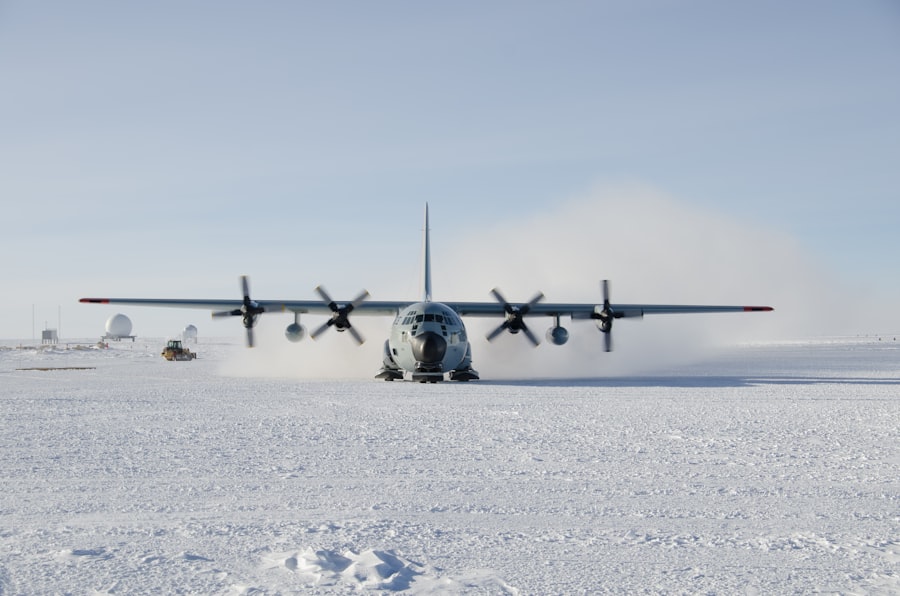
Proper de-icing and anti-icing procedures are critical components of safe Arctic runway operations. Ice accumulation on aircraft surfaces can severely impair performance, affecting lift, drag, and overall aerodynamics. To mitigate these risks, ground crews must employ effective de-icing techniques that remove ice and snow from critical surfaces such as wings, tail sections, and control surfaces.
This process often involves the use of specialized fluids that lower the freezing point of water, ensuring that ice does not re-form during flight. In addition to de-icing, anti-icing measures are equally important. These procedures involve applying protective coatings to aircraft surfaces to prevent ice from forming in the first place.
Ground crews must be well-trained in these techniques, as improper application can lead to dangerous situations during takeoff or landing. The importance of adhering to manufacturer guidelines and industry best practices cannot be overstated, as even minor deviations can have significant consequences in the unforgiving Arctic environment.
Navigating Low Visibility and Adverse Weather Conditions
Low visibility and adverse weather conditions are common challenges faced by pilots operating in the Arctic. Fog, snowstorms, and blizzards can drastically reduce visibility, making it difficult for pilots to navigate safely during takeoff and landing. In such conditions, reliance on advanced navigation systems becomes paramount.
Pilots must be adept at using instruments to guide their aircraft when visual references are obscured. Moreover, understanding weather patterns in the Arctic is crucial for flight planning. The region is known for its rapidly changing weather conditions, which can shift from clear skies to severe storms within a matter of hours.
Pilots must remain vigilant and adaptable, constantly monitoring weather updates and adjusting their flight plans accordingly. Effective communication with air traffic control is essential in these situations, as controllers can provide real-time information about weather conditions at various airports along a flight route.
Ensuring Runway Safety and Maintenance in Extreme Cold Temperatures
| Metric | Value | Unit | Notes |
|---|---|---|---|
| Average Temperature | -25 | °C | Typical winter temperature range |
| Runway Surface Type | Ice and Packed Snow | N/A | Requires regular maintenance |
| Runway Length | 1,800 | meters | Suitable for medium-sized aircraft |
| Daily Snowfall | 5 | cm | Average accumulation requiring clearing |
| Visibility | 500 | meters | Minimum operational visibility in fog/snow |
| Runway Friction Coefficient | 0.25 | Coefficient | Indicates slippery conditions |
| De-icing Frequency | 3 | times per day | To maintain safe operations |
| Aircraft Turnaround Time | 90 | minutes | Includes de-icing and refueling |
| Wind Speed Limit for Operations | 40 | km/h | Maximum safe wind speed for takeoff/landing |
| Runway Lighting | LED with Heated Fixtures | N/A | Prevents ice buildup on lights |
Runway safety and maintenance are critical components of successful Arctic operations. The extreme cold can lead to the formation of frost heaves and cracks in runway surfaces, which can pose significant hazards for aircraft during takeoff and landing. Regular inspections are necessary to identify these issues before they escalate into more serious problems.
Ground crews must be equipped with specialized tools and training to perform maintenance tasks effectively in harsh conditions. Additionally, snow removal is a vital aspect of runway maintenance in the Arctic. Snow accumulation can obstruct runways and taxiways, making them unusable for aircraft operations.
Ground crews must work diligently to clear snow using plows and other equipment while ensuring that they do not damage runway surfaces in the process. The coordination between ground personnel and pilots is essential to ensure that runways are safe for use before any aircraft attempts to land or take off.
The Role of Advanced Navigation Systems in Arctic Runway Operations
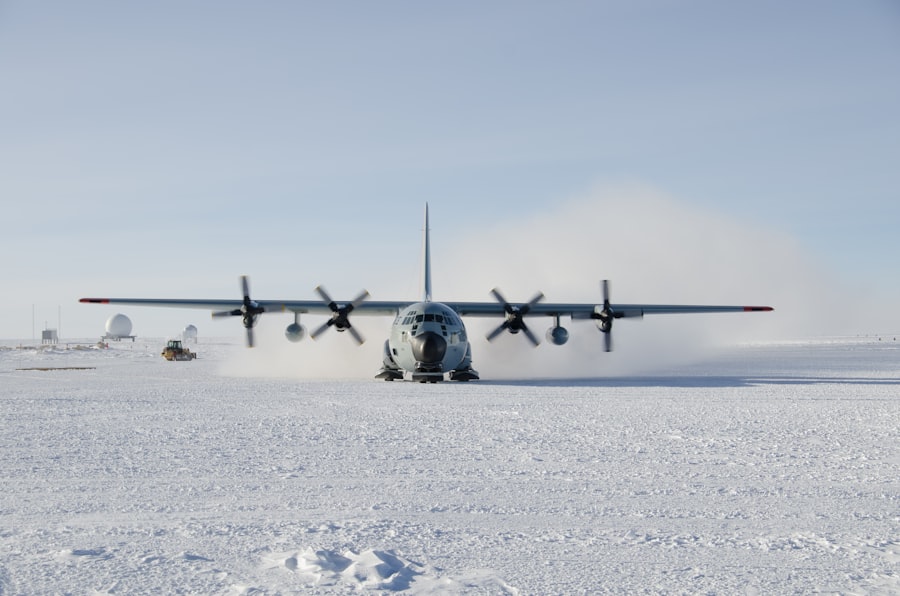
Advanced navigation systems play a pivotal role in enhancing safety and efficiency during Arctic runway operations. With low visibility often a concern due to weather conditions, pilots rely heavily on instruments such as GPS, radar, and inertial navigation systems to guide their aircraft accurately. These technologies provide critical information about an aircraft’s position, speed, and altitude, allowing pilots to make informed decisions even when visual references are limited.
These systems enable precise tracking of aircraft movements and facilitate communication with air traffic control, ensuring that pilots receive timely updates about changing weather conditions or potential hazards along their flight path. As technology continues to evolve, the integration of new navigation tools will further enhance safety standards in Arctic aviation.
Training and Preparedness for Pilots and Ground Crew in Arctic Environments
Training and preparedness are essential for both pilots and ground crew operating in Arctic environments. Given the unique challenges posed by extreme cold temperatures and adverse weather conditions, specialized training programs are necessary to equip personnel with the skills needed to navigate these complexities safely. Pilots must undergo rigorous training that includes simulations of low visibility scenarios, emergency procedures, and decision-making under pressure.
Familiarity with the specific challenges of Arctic operations ensures that all personnel are prepared to respond effectively to any situation that may arise during flight operations. Regular drills and refresher courses help maintain high levels of readiness among both pilots and ground crews.
Managing Fuel and Payload Restrictions in Cold Weather Operations
Managing fuel and payload restrictions is a critical consideration for Arctic runway operations due to the impact of cold temperatures on aircraft performance. In extremely low temperatures, fuel viscosity increases, which can affect engine performance and efficiency. As a result, operators must carefully calculate fuel loads based on temperature forecasts to ensure that aircraft have sufficient power for takeoff while remaining within weight limits.
Payload restrictions also come into play when operating in cold weather conditions. The weight of cargo must be balanced against fuel requirements to maintain optimal performance during flight. Operators must consider factors such as altitude, temperature fluctuations, and potential delays caused by adverse weather when determining payload limits.
Effective planning is essential to ensure that aircraft can operate safely while maximizing efficiency.
Collaboration and Communication Between Air Traffic Control and Aircraft Operators in the Arctic
Collaboration and communication between air traffic control (ATC) and aircraft operators are vital components of successful Arctic runway operations. Given the remote nature of many Arctic airstrips, effective communication ensures that pilots receive timely updates about weather conditions, runway status, and any potential hazards along their flight path. ATC plays a crucial role in coordinating flights within this challenging environment, providing guidance that enhances safety for all involved.
Moreover, establishing strong relationships between ATC personnel and aircraft operators fosters a culture of safety within Arctic aviation. Regular meetings and briefings allow both parties to share insights about operational challenges and best practices for navigating the unique conditions present in the region. This collaborative approach not only improves situational awareness but also enhances overall operational efficiency.
Case Studies and Lessons Learned from Arctic Runway Operations
Examining case studies from past Arctic runway operations provides valuable insights into best practices and lessons learned from real-world experiences. For instance, incidents involving runway incursions due to ice accumulation highlight the importance of proactive maintenance measures and effective communication between ground crews and pilots. Analyzing these cases allows aviation professionals to identify areas for improvement while reinforcing successful strategies that have proven effective in similar situations.
Additionally, lessons learned from emergency response scenarios underscore the need for thorough preparedness training among both pilots and ground crews. Instances where timely communication between ATC and aircraft operators prevented accidents serve as reminders of the critical role collaboration plays in ensuring safety during Arctic operations. By studying these case studies, aviation professionals can continuously refine their practices to enhance safety standards across the industry.
Future Developments and Technologies for Improving Arctic Runway Operations
As interest in Arctic aviation continues to grow, future developments and technologies hold promise for improving runway operations in this challenging environment. Innovations such as advanced de-icing systems that utilize heated surfaces or new materials designed to resist ice accumulation could significantly enhance safety during winter operations. Additionally, ongoing research into more efficient fuel formulations may help mitigate some of the performance issues associated with cold temperatures.
Furthermore, advancements in satellite technology may lead to improved navigation systems that provide even greater accuracy for pilots operating in remote areas. Enhanced data-sharing platforms could facilitate real-time communication between ATC and aircraft operators, allowing for more efficient coordination during adverse weather conditions. As technology evolves, it will play an increasingly vital role in shaping the future of Arctic runway operations while ensuring safety remains paramount amidst the challenges posed by this unique environment.
Arctic runway operations during winter present unique challenges that require specialized strategies and equipment to ensure safety and efficiency. For a deeper understanding of these operations, you can explore a related article that discusses the intricacies of conducting air missions in extreme cold environments. Check it out here: In the War Room.
WATCH THIS! 🎬 America’s Nuclear City Was a Lie: The Russian Base That Made Iceworm Obsolete
FAQs
What are the main challenges of operating runways in the Arctic during winter?
Operating runways in the Arctic during winter involves extreme cold temperatures, limited daylight, heavy snowfall, ice accumulation, and strong winds. These conditions can affect runway surface integrity, aircraft performance, and safety protocols.
How is snow and ice managed on Arctic runways in winter?
Snow and ice are managed through regular plowing, brushing, and the use of specialized de-icing chemicals or heated systems. Continuous monitoring and maintenance are essential to keep the runway surface safe and operational.
What materials are used to construct runways suitable for Arctic winter conditions?
Runways in the Arctic are often constructed with reinforced concrete or asphalt designed to withstand freeze-thaw cycles. In some cases, compacted gravel or ice runways are used, depending on the location and operational requirements.
How do low temperatures affect aircraft operations on Arctic runways?
Low temperatures can impact aircraft systems, fuel performance, and tire traction. Pre-flight procedures often include additional checks for frost, ice, and mechanical functionality to ensure safe takeoff and landing.
Are there special procedures for pilots landing on Arctic runways in winter?
Yes, pilots must be trained for Arctic conditions, including handling reduced visibility, icy surfaces, and cold weather emergencies. They follow specific approach and departure protocols tailored to the unique environment.
What role does lighting play in Arctic runway operations during winter?
Due to extended periods of darkness in Arctic winters, advanced runway lighting systems are critical. These include high-intensity runway lights, approach lighting, and sometimes infrared or LED systems to enhance visibility and safety.
How is runway safety ensured during Arctic winter operations?
Safety is ensured through rigorous maintenance schedules, real-time weather monitoring, use of specialized equipment, pilot training, and adherence to strict operational guidelines designed for extreme cold and snow conditions.
Can Arctic runways operate year-round despite harsh winter conditions?
Many Arctic runways are designed for year-round operation, but winter conditions require enhanced maintenance and operational adjustments. Some remote or seasonal runways may have limited accessibility during the harshest winter months.
What technologies assist in Arctic runway operations during winter?
Technologies include automated weather stations, runway surface condition sensors, GPS-based navigation aids, remote-controlled snow removal equipment, and advanced communication systems to support safe and efficient operations.
Why is Arctic runway operation important during winter?
Arctic runway operations during winter are vital for transportation, supply delivery, emergency services, scientific research, and supporting local communities in remote northern regions where other transport modes may be limited.