During the Cold War, the Arctic emerged as a region of significant strategic importance, primarily due to its geographical positioning and the geopolitical tensions between the United States and the Soviet Union. The Arctic served as a critical theater for military operations, intelligence gathering, and the projection of power. Its vast, icy expanses were not merely inhospitable terrains; they were viewed as potential battlegrounds where superpowers could assert dominance.
The Arctic’s proximity to both North America and Russia made it a focal point for military strategy, as control over this region could facilitate or hinder access to vital shipping routes and natural resources. Moreover, the Arctic was integral to the development of nuclear strategy during the Cold War. The region’s remote locations provided ideal sites for missile silos and early warning radar systems.
The establishment of military bases in the Arctic allowed for the monitoring of Soviet activities and the deployment of nuclear submarines, which could operate undetected beneath the ice. This strategic positioning underscored the importance of the Arctic not only as a military frontier but also as a critical component in the broader context of deterrence and defense strategies employed by both superpowers.
Key Takeaways
- The Arctic was a critical strategic region during the Cold War, influencing military and geopolitical dynamics.
- Military bases and operations in the Arctic played a key role in Cold War defense and conflict strategies.
- Arctic convoys were vital for supply routes and had significant impact on Cold War military engagements.
- Cold War activities in the Arctic led to advancements in warfare tactics and military technology testing.
- The legacy of Cold War conflict continues to shape Arctic military strategy and affects indigenous communities and the environment.
The Role of Arctic Military Bases in Cold War Conflict
Arctic military bases played a pivotal role in shaping the dynamics of Cold War conflict. These installations were strategically located to provide early warning systems against potential Soviet incursions and to facilitate rapid military responses if necessary. The United States established several key bases, such as Thule Air Base in Greenland and various installations in Alaska, which served as critical nodes in the North American defense network.
These bases were equipped with advanced radar systems and missile defense technologies, allowing for comprehensive surveillance of Soviet activities across the polar region. On the other hand, the Soviet Union also recognized the strategic value of Arctic military bases. They established their own network of installations along the northern coast, which enabled them to project power into the Arctic and monitor NATO activities.
The competition for dominance in this frigid expanse led to an arms race that extended beyond conventional weaponry to include nuclear capabilities.
The Arctic Convoys and their Impact on Cold War Conflict
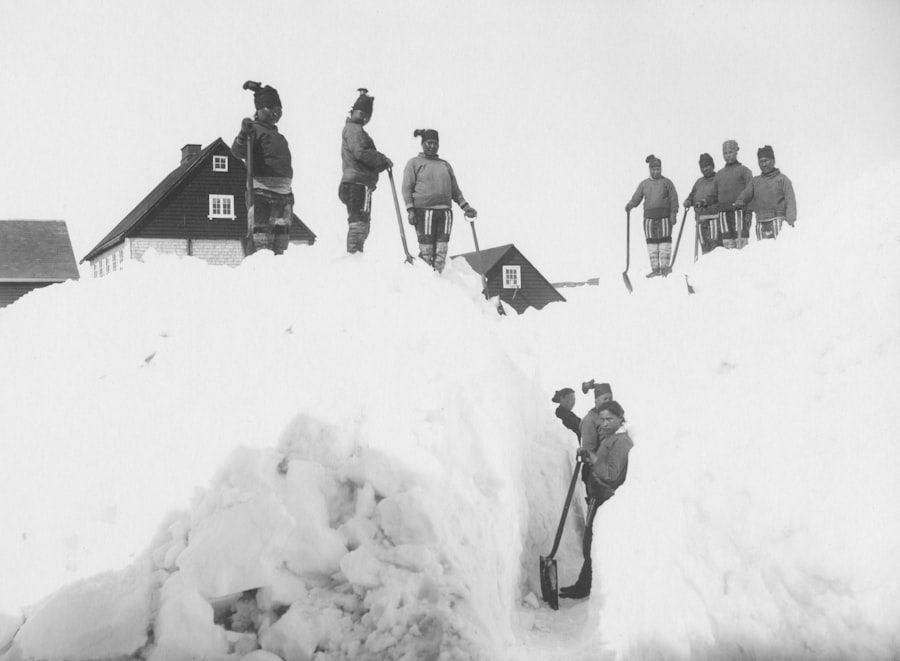
The Arctic convoys during World War II laid the groundwork for understanding logistical operations in extreme conditions, which continued to influence Cold War strategies. These convoys were essential for delivering supplies to Soviet forces fighting against Nazi Germany, navigating treacherous waters and facing harsh weather conditions. The lessons learned from these operations were invaluable during the Cold War, as they highlighted the importance of maintaining supply lines in hostile environments.
The legacy of these convoys also had a profound impact on Cold War conflict dynamics. The successful navigation of Arctic waters demonstrated that military operations could be conducted effectively even in extreme conditions, which encouraged both superpowers to invest in Arctic capabilities. The historical significance of these convoys served as a reminder of the strategic value of the Arctic, reinforcing its status as a critical area for military logistics and operations during the Cold War.
Arctic Military Operations and their Significance in Cold War History
Arctic military operations during the Cold War were not merely isolated incidents; they represented a broader strategy that encompassed reconnaissance, surveillance, and direct engagement. Both NATO and Warsaw Pact forces conducted exercises in the region, testing their capabilities in extreme cold weather and ice-covered terrains. These operations were crucial for developing tactics that would be employed in potential conflicts, showcasing how military planners adapted to the unique challenges posed by Arctic conditions.
The significance of these operations extended beyond immediate military objectives; they also served as a demonstration of resolve and capability to both domestic and international audiences. By conducting large-scale exercises in the Arctic, both superpowers aimed to project strength and deter adversaries from considering aggressive actions. This posturing was particularly important given the psychological dimensions of Cold War conflict, where perceptions often influenced decision-making processes.
The Development of Arctic Warfare Tactics during the Cold War
| Year | Event | Location | Significance | Military Assets Involved |
|---|---|---|---|---|
| 1950 | Establishment of Distant Early Warning (DEW) Line | Arctic Circle, North America | Early radar detection system to monitor Soviet bombers | Radar stations, US and Canadian Air Force personnel |
| 1955 | Operation Nanook | Greenland and Canadian Arctic | US and Canadian military exercise to test Arctic operations | Naval vessels, aircraft, ground troops |
| 1960 | Deployment of Soviet Northern Fleet Submarines | Barents Sea, Arctic Ocean | Expansion of Soviet underwater capabilities in Arctic waters | Nuclear submarines, surface ships |
| 1961 | USSR launches Arctic nuclear icebreaker “Lenin” | Soviet Arctic waters | First nuclear-powered icebreaker to support Arctic naval operations | Nuclear icebreaker vessel |
| 1965 | Operation Arctic Shield | Alaska and Canadian Arctic | US and Canadian joint military exercise focusing on Arctic defense | Air Force jets, naval ships, ground forces |
| 1970 | Introduction of Soviet SS-N-20 missile submarines | Arctic Ocean | Enhanced Soviet strategic nuclear deterrent capabilities in Arctic | Ballistic missile submarines |
| 1980 | US Air Force Arctic reconnaissance missions | Arctic region | Surveillance and intelligence gathering on Soviet activities | Reconnaissance aircraft (e.g., SR-71, U-2) |
| 1987 | US and USSR sign Arctic environmental and military cooperation agreements | Arctic Council meetings | Reduction of military tensions and promotion of environmental protection | Diplomatic and military representatives |
The harsh environment of the Arctic necessitated the development of specialized warfare tactics tailored to its unique challenges. As both superpowers engaged in military exercises in this region, they began to refine their approaches to combat in extreme cold weather conditions. This included training troops to operate effectively in sub-zero temperatures, utilizing specialized equipment designed for icy terrains, and developing strategies for mobility across snow-covered landscapes.
Additionally, innovations in technology played a crucial role in shaping Arctic warfare tactics. The introduction of snowmobiles, icebreakers, and advanced communication systems allowed for greater operational flexibility and efficiency. These advancements not only enhanced military capabilities but also influenced how forces interacted with one another during joint exercises or potential conflicts.
The emphasis on adaptability and resilience became hallmarks of Arctic warfare tactics that would resonate well beyond the Cold War era.
The Arctic as a Testing Ground for Cold War Military Technology
The Arctic served as an invaluable testing ground for military technology during the Cold War, providing an environment that challenged existing capabilities and spurred innovation. Both superpowers recognized that success in this unforgiving landscape required cutting-edge technology that could withstand extreme conditions. As a result, numerous experiments were conducted to develop equipment ranging from advanced aircraft to specialized vehicles capable of traversing ice and snow.
One notable example was the testing of nuclear submarines under polar ice caps, which demonstrated their ability to operate stealthily while remaining undetected by enemy forces. This capability not only enhanced naval power but also contributed to strategic deterrence by ensuring that both sides maintained a credible second-strike capability. The lessons learned from these technological trials had lasting implications for military strategy and operational planning throughout the Cold War.
The Impact of Cold War Conflict on Arctic Indigenous Communities
The Cold War had profound effects on indigenous communities residing in the Arctic region. As military activities intensified, many indigenous peoples found their traditional ways of life disrupted by increased militarization and environmental changes brought about by military operations. The establishment of bases and testing sites often encroached upon ancestral lands, leading to displacement and cultural erosion.
Moreover, indigenous communities faced challenges related to environmental degradation caused by military activities. Pollution from bases and testing sites contaminated local ecosystems, impacting traditional hunting and fishing practices that were vital for their sustenance. As these communities navigated the complexities of living in a militarized zone, they also sought to assert their rights and advocate for environmental protections, highlighting the intersection between indigenous sovereignty and Cold War geopolitics.
The Environmental Impact of Cold War Military Activities in the Arctic
The environmental consequences of Cold War military activities in the Arctic are significant and enduring. The establishment of military bases, testing sites, and logistical routes led to widespread ecological disruption in an already fragile environment. Oil spills, waste disposal issues, and habitat destruction became common byproducts of increased military presence in this pristine region.
Furthermore, the long-term effects of these activities continue to be felt today as climate change exacerbates existing vulnerabilities within Arctic ecosystems. Melting ice caps reveal remnants of past military operations, raising concerns about contamination and its impact on local wildlife. As awareness grows regarding environmental stewardship, there is an increasing call for accountability regarding past actions taken during the Cold War era.
The Role of Arctic Intelligence Operations in Cold War Conflict
Intelligence operations conducted in the Arctic were crucial components of Cold War strategies employed by both superpowers. The vastness of this region provided opportunities for covert surveillance and reconnaissance missions aimed at gathering information on enemy capabilities and intentions. Both sides utilized advanced technologies such as satellite imagery and aerial reconnaissance to monitor troop movements and assess potential threats.
These intelligence operations not only shaped military planning but also influenced diplomatic relations between nations involved in Arctic affairs. The information gathered through these efforts often informed policy decisions at higher levels, underscoring how intelligence played a pivotal role in shaping perceptions during this tense period. As such, Arctic intelligence operations became integral to understanding broader geopolitical dynamics throughout the Cold War.
The Legacy of Cold War Conflict in the Arctic Today
The legacy of Cold War conflict continues to resonate within contemporary discussions surrounding Arctic geopolitics. The militarization of this region has left an indelible mark on international relations, with ongoing territorial disputes and resource competition emerging as key issues among Arctic nations today. As climate change opens up new shipping routes and access to untapped resources, nations are increasingly vying for influence over this strategically significant area.
Moreover, historical grievances stemming from Cold War-era policies persist among indigenous communities who seek recognition and restitution for past injustices. As nations grapple with their responsibilities towards these communities while navigating complex geopolitical landscapes, it becomes evident that understanding this legacy is essential for fostering cooperation and sustainable development in the Arctic moving forward.
The Future of Arctic Military Strategy in the 21st Century
Looking ahead into the 21st century, Arctic military strategy is poised to evolve significantly amid changing geopolitical dynamics and environmental challenges. As climate change continues to reshape the landscape—melting ice caps revealing new shipping routes—nations are reassessing their strategic priorities within this region. Increased accessibility may lead to heightened competition over resources such as oil, gas, and minerals, prompting nations to bolster their military presence.
Furthermore, collaboration among Arctic nations may become increasingly important as they navigate shared challenges related to climate change and environmental protection.
Ultimately, how nations approach military strategy in this evolving context will shape not only regional stability but also global security dynamics well into the future.
The Cold War era was marked by intense military strategies and geopolitical maneuvering, particularly in the Arctic region, where both the United States and the Soviet Union sought to establish dominance. A fascinating exploration of this topic can be found in the article on Arctic military history, which delves into the strategic importance of the region during this tumultuous period. For more insights, you can read the article [here](https://www.inthewarroom.com/sample-page/).
WATCH THIS! 🎬 America’s Nuclear City Was a Lie: The Russian Base That Made Iceworm Obsolete
FAQs
What was the significance of the Arctic region during the Cold War?
The Arctic was strategically important during the Cold War because it provided the shortest route for intercontinental ballistic missiles (ICBMs) and bombers between the United States and the Soviet Union. Control and surveillance of the Arctic were crucial for early warning systems and military defense.
Which countries were primarily involved in Cold War Arctic military activities?
The primary countries involved were the United States, the Soviet Union, and Canada. These nations established military bases, radar stations, and conducted patrols to monitor each other’s activities in the Arctic region.
What types of military installations were established in the Arctic during the Cold War?
Military installations included radar stations such as the Distant Early Warning (DEW) Line, airbases, naval outposts, and missile sites. These facilities were designed to detect incoming attacks and to maintain a military presence in the region.
How did the Cold War impact Arctic exploration and technology?
The Cold War accelerated Arctic exploration and technological development, including advancements in icebreaker ships, long-range aircraft, and surveillance systems. It also led to improved understanding of Arctic weather and geography for military purposes.
Were there any notable military incidents in the Arctic during the Cold War?
Yes, there were several incidents, including reconnaissance flights, submarine encounters, and occasional airspace violations. These events heightened tensions but generally did not escalate into open conflict.
What role did submarines play in the Cold War Arctic military strategy?
Submarines were critical for stealthy patrols and nuclear deterrence. Both the U.S. and Soviet navies operated nuclear-powered submarines under the Arctic ice to avoid detection and to position themselves strategically.
How did the Cold War military presence affect indigenous peoples in the Arctic?
The increased military activity disrupted traditional lifestyles, led to environmental changes, and sometimes resulted in restricted access to lands. However, some indigenous communities also found employment opportunities related to military installations.
What happened to Cold War Arctic military sites after the conflict ended?
Many sites were decommissioned or repurposed for civilian use. Some radar stations were upgraded or integrated into modern defense systems, while others were abandoned and have since become subjects of environmental cleanup efforts.