
In recent years, the Arctic has emerged as a focal point for military strategy and operations, driven by geopolitical tensions, resource exploration, and climate change. As nations vie for influence in this remote region, the need for robust military connectivity has become increasingly critical. The harsh and unforgiving environment of the Arctic presents unique challenges that necessitate advanced communication systems to ensure operational effectiveness.
Military forces operating in this region require reliable and secure means of communication to coordinate activities, share intelligence, and maintain situational awareness. The introduction of fiber optic cables into the Arctic landscape represents a significant advancement in military connectivity. These cables offer high-speed data transmission capabilities that are essential for modern military operations.
As countries invest in their Arctic military infrastructure, the establishment of fiber optic networks is becoming a priority. This article explores the importance of fiber optic cables in Arctic military operations, the challenges associated with their installation and maintenance, and the broader implications for security and collaboration in the region.
Key Takeaways
- Fiber optic cables are crucial for reliable and high-speed communication in Arctic military operations.
- Installing and maintaining these cables in the Arctic faces extreme environmental and logistical challenges.
- Enhanced connectivity improves real-time data transmission, situational awareness, and operational efficiency.
- Security and environmental sustainability are key considerations in deploying Arctic fiber optic networks.
- Collaboration among nations and ongoing technological advancements drive the expansion of Arctic military connectivity.
The Importance of Fiber Optic Cables in Arctic Military Operations
Fiber optic cables play a pivotal role in enhancing military operations in the Arctic by providing high-speed, reliable communication channels. Unlike traditional copper cables, fiber optics transmit data as light signals, allowing for faster and more efficient data transfer over long distances. This capability is particularly crucial in the Arctic, where vast expanses of ice and remote locations can hinder traditional communication methods.
The ability to transmit large volumes of data quickly enables military forces to make informed decisions in real-time, which is vital for mission success. Moreover, fiber optic technology supports a range of applications essential for military operations, including secure voice communications, video conferencing, and data sharing among various units. The integration of advanced technologies such as artificial intelligence and drone operations further underscores the need for high-capacity communication networks.
As military strategies evolve to incorporate these technologies, the reliance on fiber optic cables will only increase, making them an indispensable asset for Arctic military operations.
Challenges of Installing and Maintaining Fiber Optic Cables in the Arctic
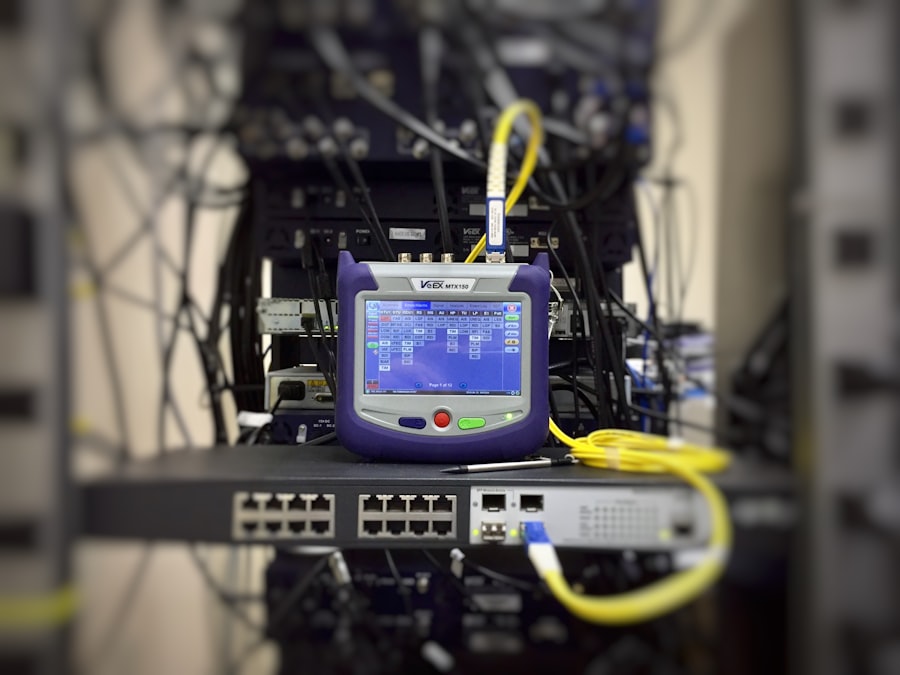
Despite their advantages, the installation and maintenance of fiber optic cables in the Arctic present significant challenges.
Additionally, the region’s unique geography, including ice floes and shifting terrain, poses logistical hurdles that must be navigated during installation.
These factors can lead to delays and increased costs, making it imperative for military planners to develop innovative solutions to overcome these obstacles. Maintenance of existing fiber optic networks is equally challenging. The harsh Arctic environment can cause wear and tear on cables, leading to potential outages that could disrupt critical communications.
Regular inspections and repairs are necessary to ensure the integrity of these networks, but accessing remote locations for maintenance can be difficult and time-consuming. As such, military forces must invest in specialized equipment and training to effectively manage these challenges while ensuring that their communication capabilities remain operational.
Advantages of Enhanced Connectivity for Arctic Military
The advantages of enhanced connectivity through fiber optic cables extend beyond mere communication; they fundamentally transform how military operations are conducted in the Arctic. Improved connectivity allows for better coordination among various branches of the military, facilitating joint operations that require seamless information sharing. This interconnectedness enhances situational awareness, enabling commanders to make timely decisions based on accurate data from multiple sources.
Furthermore, enhanced connectivity supports intelligence gathering and surveillance efforts in the Arctic. With real-time access to data from reconnaissance missions and sensor networks, military forces can monitor potential threats more effectively. This capability is particularly important given the increasing interest from various nations in Arctic resources and shipping routes.
By leveraging advanced communication technologies, military forces can assert their presence in the region while ensuring that they are prepared to respond to any emerging challenges.
Impact of Fiber Optic Cables on Communication and Data Transmission in the Arctic
| Metric | Value | Unit | Notes |
|---|---|---|---|
| Operating Temperature Range | -60 to 85 | °C | Designed for extreme Arctic conditions |
| Maximum Data Transmission Speed | 400 | Gbps | High-speed communication for military operations |
| Cable Length Deployed | 1500 | km | Estimated length of Arctic fiber optic network |
| Signal Attenuation | 0.2 | dB/km | Low loss for long-distance transmission |
| Armor Type | Steel Wire | – | Protection against ice and mechanical damage |
| Deployment Depth | Up to 1000 | meters | Submarine cable installation depth |
| Latency | 5 | ms per 1000 km | Low latency for real-time military communication |
| Power Supply Method | Remote Optical Amplifiers | – | Ensures signal strength over long distances |
The impact of fiber optic cables on communication and data transmission in the Arctic cannot be overstated. These cables enable high-bandwidth connections that facilitate rapid data exchange between military units stationed across vast distances. This capability is essential for maintaining operational readiness and ensuring that forces can respond swiftly to changing circumstances on the ground or at sea.
Moreover, fiber optic technology enhances the quality of communication by reducing latency and minimizing signal degradation over long distances. This improvement is particularly beneficial in a region where timely information can be a matter of life or death. The ability to transmit high-definition video feeds and large datasets allows military personnel to conduct thorough assessments of situations as they unfold, leading to more informed decision-making processes.
Security Considerations for Fiber Optic Cables in the Arctic
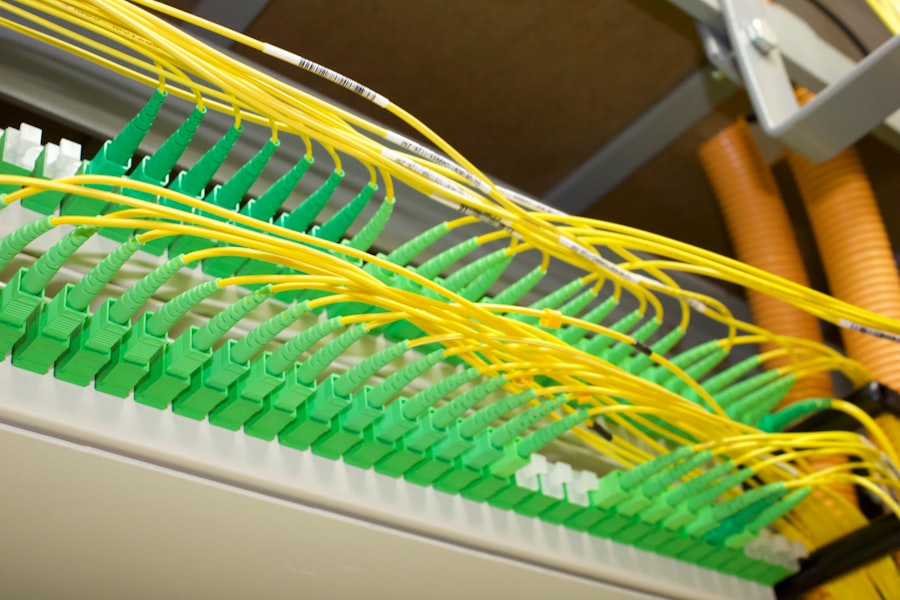
As with any critical infrastructure, security considerations surrounding fiber optic cables in the Arctic are paramount. The strategic importance of these networks makes them potential targets for adversaries seeking to disrupt military operations or gather intelligence. Protecting these cables from physical damage or cyber threats is essential to maintaining operational integrity.
Military planners must implement robust security measures to safeguard fiber optic networks from potential vulnerabilities. This includes physical protection against sabotage or accidental damage from ice movement or shipping activities. Additionally, cybersecurity protocols must be established to defend against potential hacking attempts that could compromise sensitive communications.
By prioritizing security in the design and implementation of fiber optic networks, military forces can ensure that their communication capabilities remain resilient against evolving threats.
Collaboration and Cooperation in Establishing Arctic Fiber Optic Networks
The establishment of fiber optic networks in the Arctic is not solely a national endeavor; it requires collaboration and cooperation among various stakeholders. Given the shared interests of multiple nations in the region, joint efforts can lead to more efficient use of resources and expertise in developing these critical infrastructures. Collaborative initiatives can also foster diplomatic relations among Arctic nations, promoting stability and peace in a region marked by competition.
International partnerships can take various forms, including joint research projects, shared funding initiatives, and coordinated efforts to address common challenges related to installation and maintenance. By working together, nations can leverage their respective strengths to create a more comprehensive and resilient network that benefits all parties involved. Such cooperation not only enhances military capabilities but also contributes to broader regional security efforts.
Environmental Concerns and Sustainability of Fiber Optic Cables in the Arctic
The installation of fiber optic cables in the pristine Arctic environment raises important environmental concerns that must be addressed.
As such, it is crucial for military planners to prioritize sustainability when developing fiber optic networks.
Efforts should be made to minimize environmental footprints during installation and maintenance processes. This includes conducting thorough environmental impact assessments before commencing projects and employing eco-friendly technologies wherever possible. Additionally, utilizing existing infrastructure or repurposing old cable routes can help reduce disturbances to sensitive areas.
By adopting sustainable practices, military forces can ensure that their connectivity initiatives do not come at the expense of the fragile Arctic environment.
Future Developments and Expansion of Arctic Military Connectivity
Looking ahead, the future of military connectivity in the Arctic is poised for significant developments as nations continue to invest in advanced technologies. The expansion of fiber optic networks will likely play a central role in enhancing operational capabilities across the region. As demand for high-speed communication grows, military planners will need to explore innovative solutions to expand existing networks while addressing logistical challenges.
Emerging technologies such as satellite communications may complement fiber optic systems by providing additional layers of connectivity in remote areas where terrestrial cables may not reach. The integration of these technologies could create a more resilient communication infrastructure capable of supporting diverse military operations across varying terrains and conditions. As nations adapt to evolving geopolitical dynamics in the Arctic, continued investment in connectivity will be essential for maintaining strategic advantages.
Case Studies of Successful Implementation of Fiber Optic Cables in the Arctic
Several case studies illustrate successful implementations of fiber optic cables in Arctic military contexts, showcasing their transformative impact on operations. For instance, recent projects undertaken by various nations have demonstrated how fiber optic networks can enhance surveillance capabilities along critical shipping routes or resource exploration areas. These initiatives have not only improved communication but also facilitated better coordination among different military branches.
Another notable example involves collaborative efforts between countries to establish shared fiber optic infrastructure that benefits multiple stakeholders while promoting regional stability. Such projects highlight the potential for joint ventures that leverage collective resources and expertise to address common challenges faced by nations operating in the Arctic. These case studies serve as valuable lessons for future endeavors aimed at enhancing military connectivity in this strategically important region.
The Role of Fiber Optic Cables in Strengthening Arctic Military Capabilities
In conclusion, fiber optic cables represent a cornerstone of modern military connectivity in the Arctic, offering unparalleled advantages for communication and data transmission. As nations navigate the complexities of operating in this challenging environment, the importance of reliable connectivity cannot be overstated. From enhancing situational awareness to facilitating joint operations among allied forces, fiber optics play a crucial role in strengthening military capabilities.
However, realizing the full potential of these networks requires addressing various challenges related to installation, maintenance, security, environmental sustainability, and international collaboration. By prioritizing these considerations, military planners can ensure that fiber optic infrastructure not only meets current operational needs but also supports future developments in Arctic military strategy. Ultimately, as geopolitical dynamics continue to evolve in this vital region, fiber optic cables will remain integral to maintaining a strategic edge for nations operating within the Arctic sphere.
Fiber optic cables are becoming increasingly vital for military operations in the Arctic, where reliable communication and data transfer are essential for strategic planning and coordination. The harsh conditions of the region pose unique challenges, making the deployment of advanced technology like fiber optics crucial for maintaining connectivity. For more insights on military strategies and technologies, you can read a related article on this topic at In the War Room.
WATCH THIS! 🎬 America’s Nuclear City Was a Lie: The Russian Base That Made Iceworm Obsolete
FAQs
What are fiber optic cables used for in the Arctic military?
Fiber optic cables in the Arctic military are primarily used for secure, high-speed communication and data transmission. They enable reliable connectivity in harsh Arctic conditions, supporting surveillance, command and control, and operational coordination.
Why are fiber optic cables important for military operations in the Arctic?
Fiber optic cables are crucial because they provide fast, secure, and interference-resistant communication channels. In the Arctic, where traditional communication methods can be unreliable due to extreme weather and remote locations, fiber optics ensure continuous and robust data links.
What challenges do fiber optic cables face in the Arctic environment?
The Arctic environment poses challenges such as extreme cold, ice movement, permafrost, and limited accessibility. These factors can affect cable installation, durability, and maintenance, requiring specialized materials and engineering solutions to ensure cable integrity.
How are fiber optic cables protected against Arctic conditions?
Fiber optic cables used in the Arctic are often armored and insulated to withstand low temperatures, ice abrasion, and mechanical stress. They may be buried underground or laid under the seabed to protect against environmental damage and physical disturbances.
Are fiber optic cables in the Arctic used for civilian purposes as well?
Yes, while the military uses fiber optic cables for secure communications, similar infrastructure is also deployed for civilian applications such as scientific research stations, telecommunications, and internet connectivity in Arctic communities.
How does the use of fiber optic cables enhance military capabilities in the Arctic?
Fiber optic cables enhance military capabilities by enabling real-time data exchange, improved situational awareness, and coordination across vast and remote Arctic regions. This supports surveillance, early warning systems, and rapid response to potential threats.
What technological advancements have improved fiber optic cable deployment in the Arctic?
Advancements include the development of more durable cable materials, improved installation techniques like directional drilling, and enhanced monitoring systems to detect and repair damage quickly. These innovations help maintain reliable communication networks in extreme Arctic conditions.
Can fiber optic cables be used for underwater military communication in the Arctic?
Yes, fiber optic cables are commonly used for underwater communication in the Arctic, connecting submarines, underwater sensors, and coastal military installations. Their resistance to electromagnetic interference and high bandwidth make them ideal for underwater applications.