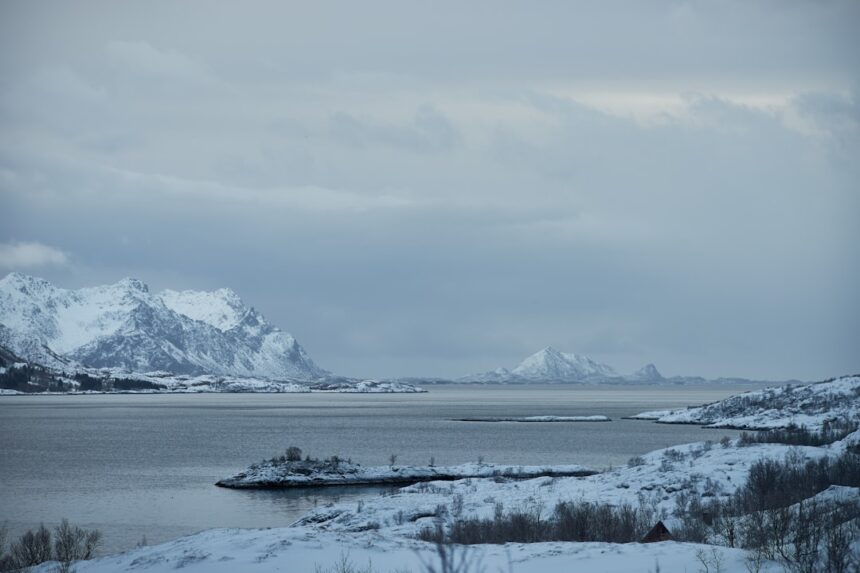
Arctic military bases have long been a focal point of geopolitical strategy, serving as critical outposts for nations seeking to assert their influence in one of the world’s most challenging environments. These bases, often located in remote and inhospitable regions, are not merely installations for military operations; they represent a complex interplay of national security, environmental considerations, and international relations. As the Arctic continues to gain prominence due to climate change and the melting of polar ice, the strategic significance of these bases has only intensified.
Nations are increasingly recognizing the need to secure their interests in this fragile yet resource-rich region. The Arctic is characterized by its unique geography and climate, which pose significant challenges for military operations. The harsh weather conditions, including extreme cold, ice, and limited daylight during winter months, require specialized equipment and training for personnel stationed at these bases.
Despite these challenges, the Arctic’s vast natural resources and potential shipping routes have made it an area of interest for many countries. As global warming alters the landscape, the strategic importance of Arctic military bases is likely to evolve, prompting nations to reassess their military presence and capabilities in the region.
Key Takeaways
- Arctic military bases played a crucial role during the Cold War, serving as strategic locations for surveillance and defense.
- The strategic importance of Arctic military bases lies in their ability to project power, control key waterways, and provide early warning systems for potential threats.
- The legacy of Arctic military bases in modern warfare is evident in the ongoing focus on maintaining and modernizing these facilities to ensure national security.
- The environmental impact of Arctic military bases is a growing concern, as melting ice and permafrost pose challenges for infrastructure and waste management.
- International relations and Arctic military bases are intertwined, as countries vie for control and access to the region’s valuable resources and shipping routes.
The Role of Arctic Military Bases During the Cold War
During the Cold War, Arctic military bases played a pivotal role in the geopolitical chess game between the United States and the Soviet Union. The Arctic served as a frontline in the ideological battle between capitalism and communism, with both superpowers establishing a network of bases to monitor each other’s activities and project military power. The strategic positioning of these bases allowed for rapid deployment of forces and surveillance capabilities over vast areas, making them essential for national defense strategies.
The establishment of bases such as Thule Air Base in Greenland and various installations in Alaska underscored the importance of the Arctic as a theater of military operations. These bases were equipped with advanced radar systems and missile defense technologies aimed at countering potential threats from Soviet bombers and submarines. The Cold War era saw an arms race that extended into the Arctic, with both sides investing heavily in infrastructure and technology to gain an upper hand.
This militarization of the region not only heightened tensions but also laid the groundwork for future conflicts and collaborations in Arctic affairs.
The Strategic Importance of Arctic Military Bases
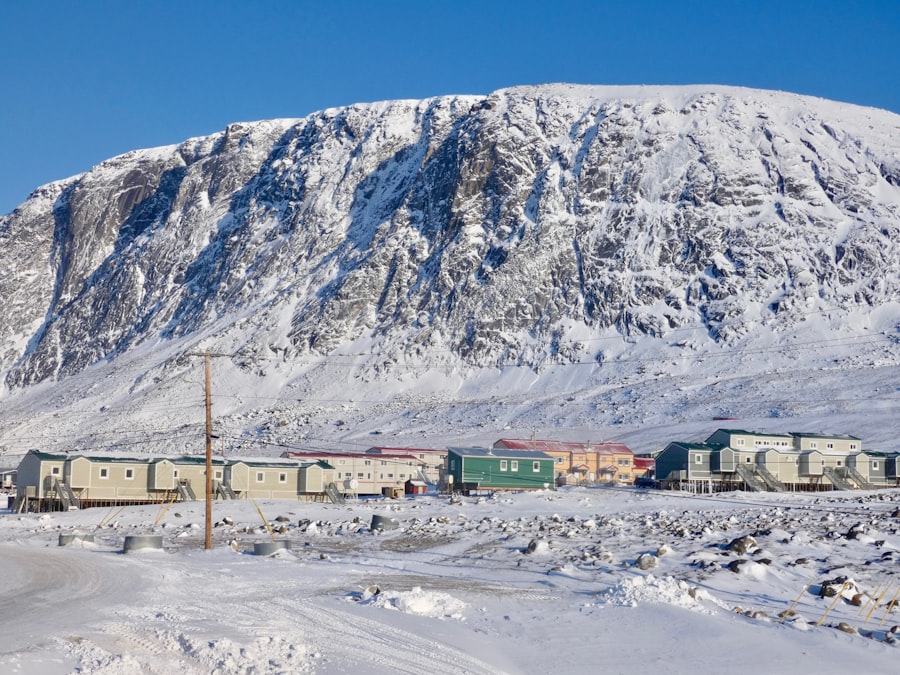
The strategic importance of Arctic military bases extends beyond their historical context; they are increasingly relevant in contemporary global politics. As nations vie for control over shipping routes and natural resources, these bases serve as critical assets for surveillance, reconnaissance, and rapid response capabilities.
Consequently, nations with a presence in the Arctic are better positioned to influence shipping traffic and secure economic interests. Moreover, Arctic military bases facilitate joint operations and collaborations among allied nations. The ability to conduct joint exercises and share intelligence enhances collective security efforts in a region that is becoming more contested.
As countries like Russia expand their military capabilities in the Arctic, other nations are compelled to bolster their own presence to deter potential aggression. This dynamic creates a complex security environment where military readiness is paramount, underscoring the ongoing relevance of Arctic military bases in maintaining stability and peace in the region.
The Legacy of Arctic Military Bases in Modern Warfare
| Arctic Military Bases | Modern Warfare Impact |
|---|---|
| Strategic Location | Provides control over Arctic shipping routes and access to natural resources |
| Surveillance Capabilities | Allows monitoring of potential adversaries and early warning systems |
| Training Grounds | Offers harsh climate training for military personnel |
| Logistical Support | Facilitates supply and maintenance operations in remote regions |
The legacy of Arctic military bases is evident in modern warfare strategies that emphasize adaptability and technological integration. The experiences gained during the Cold War have informed contemporary military doctrines that prioritize rapid deployment and logistical support in extreme environments. Modern Arctic bases are equipped with advanced technologies that enhance situational awareness and operational efficiency, allowing for swift responses to emerging threats.
Furthermore, the lessons learned from past conflicts have led to a greater emphasis on collaboration among allied forces. Joint training exercises conducted in Arctic conditions prepare troops for potential scenarios they may face in real-world operations. This legacy of cooperation extends beyond military alliances; it also encompasses partnerships with indigenous communities and environmental organizations to ensure that military activities are conducted responsibly and sustainably.
As nations navigate the complexities of modern warfare, the historical significance of Arctic military bases continues to shape their strategic approaches.
Environmental Impact of Arctic Military Bases
The establishment and operation of military bases in the Arctic come with significant environmental implications. The delicate ecosystems of the region are particularly vulnerable to disturbances caused by human activity. Construction projects, fuel spills, and waste disposal can have lasting effects on local wildlife and habitats.
As nations expand their military presence in response to geopolitical pressures, there is an urgent need to address these environmental concerns.
Many countries are now prioritizing eco-friendly construction methods and renewable energy sources to reduce their carbon footprint in this pristine environment.
Additionally, international agreements aimed at protecting the Arctic ecosystem emphasize the importance of responsible resource management and environmental stewardship. Balancing national security interests with ecological preservation remains a critical challenge for policymakers as they navigate the complexities of operating in this fragile region.
International Relations and Arctic Military Bases
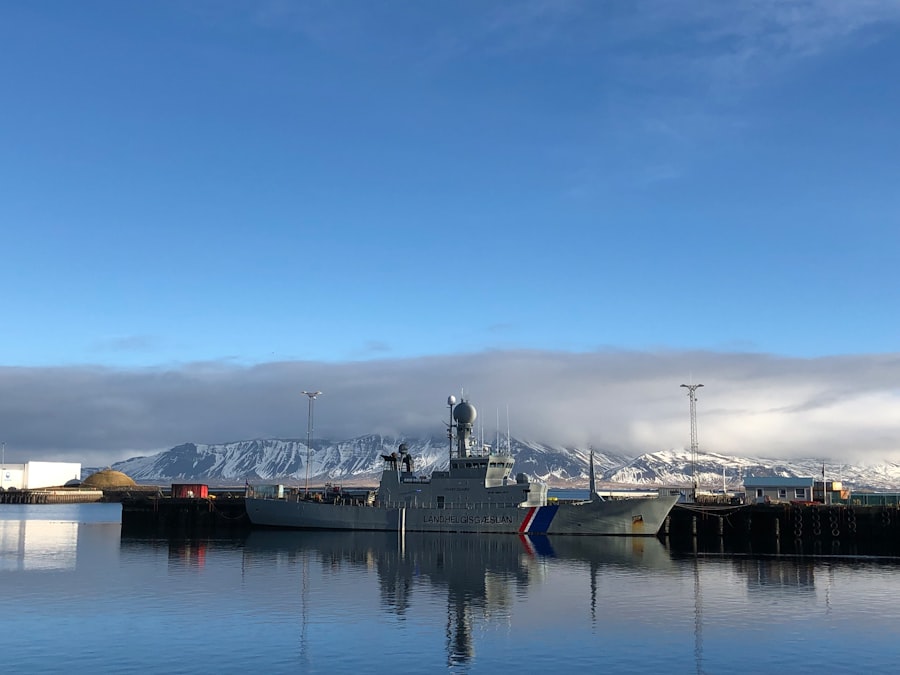
The presence of military bases in the Arctic has significant implications for international relations among Arctic nations and beyond. As countries assert their territorial claims and seek to secure access to resources, tensions can arise over overlapping interests. The Arctic Council, comprising eight member states, plays a crucial role in facilitating dialogue and cooperation among these nations.
However, military posturing can complicate diplomatic efforts, leading to an arms race that threatens regional stability. In recent years, there has been a noticeable increase in military activity in the Arctic, particularly from Russia, which has expanded its base infrastructure and conducted large-scale exercises. This has prompted responses from NATO members and other countries concerned about security dynamics in the region.
The interplay between military presence and diplomatic engagement is essential for maintaining peace and fostering collaboration on shared challenges such as climate change and search-and-rescue operations.
The Future of Arctic Military Bases
Looking ahead, the future of Arctic military bases will be shaped by a combination of geopolitical developments, environmental changes, and technological advancements. As climate change continues to alter the landscape, nations will need to adapt their strategies to address new challenges and opportunities that arise from a changing Arctic environment. This may involve re-evaluating existing infrastructure and investing in innovative solutions that enhance operational capabilities while minimizing environmental impact.
Moreover, as global interest in the Arctic grows, there may be increased calls for multilateral agreements that govern military activities in the region. Collaborative frameworks could help mitigate tensions while promoting responsible resource management and environmental protection. The future of Arctic military bases will likely hinge on finding a balance between national security imperatives and cooperative approaches that prioritize sustainability and peace.
Arctic Military Bases and National Security
National security considerations remain at the forefront of discussions surrounding Arctic military bases. As geopolitical rivalries intensify, countries recognize that maintaining a robust military presence is essential for safeguarding their interests in this strategically important region. The ability to monitor activities across vast expanses of territory is crucial for early warning systems and deterrence strategies.
In addition to traditional military roles, Arctic bases are increasingly being utilized for humanitarian missions and disaster response efforts. Their strategic locations enable rapid deployment of resources during emergencies such as oil spills or search-and-rescue operations. This dual role enhances national security by ensuring that countries are prepared not only for potential conflicts but also for addressing pressing humanitarian needs in an increasingly vulnerable environment.
Arctic Military Bases and Technological Advancements
Technological advancements play a pivotal role in shaping the capabilities of Arctic military bases. Innovations in communication systems, surveillance technologies, and transportation methods have transformed how nations operate in this challenging environment. Drones equipped with advanced sensors can conduct reconnaissance missions over vast areas without putting personnel at risk, while satellite systems provide real-time data on weather conditions and ice movements.
Furthermore, developments in icebreaker technology have enhanced access to remote areas previously deemed inaccessible. These advancements not only improve operational efficiency but also facilitate scientific research and environmental monitoring efforts. As nations invest in cutting-edge technologies for their Arctic operations, they must also consider how these innovations can be leveraged for collaborative purposes that benefit all stakeholders involved.
Challenges and Opportunities for Arctic Military Bases
While Arctic military bases present numerous opportunities for enhancing national security and fostering international cooperation, they also face significant challenges. The harsh climate poses logistical difficulties that can hinder operations, while budget constraints may limit investments in infrastructure upgrades or personnel training programs. Additionally, navigating complex legal frameworks regarding territorial claims can complicate military planning efforts.
Despite these challenges, there are opportunities for innovation and collaboration that can enhance the effectiveness of Arctic military bases. Engaging with indigenous communities can provide valuable insights into local knowledge systems that inform operational strategies while promoting goodwill among stakeholders. Furthermore, partnerships with environmental organizations can lead to sustainable practices that protect fragile ecosystems while ensuring national security objectives are met.
The Continued Relevance of Arctic Military Bases
In conclusion, Arctic military bases remain highly relevant in today’s geopolitical landscape as nations navigate complex security dynamics shaped by climate change, resource competition, and evolving technological capabilities. Their historical significance during the Cold War has laid a foundation for contemporary strategies that prioritize adaptability and collaboration among allied forces. As countries continue to assert their interests in this strategically important region, addressing environmental concerns while fostering international cooperation will be paramount.
The future of Arctic military bases will depend on how effectively nations balance national security imperatives with responsible stewardship of the environment. By embracing innovative technologies and engaging with diverse stakeholders, countries can ensure that their military presence contributes positively to regional stability while safeguarding one of the planet’s most vulnerable ecosystems. Ultimately, the continued relevance of Arctic military bases will hinge on their ability to adapt to changing circumstances while remaining committed to peace and cooperation in this critical part of the world.
The strategic importance of Arctic military bases during the Cold War has been a topic of significant interest, particularly in light of current geopolitical tensions. For a deeper understanding of this subject, you can read the article on military strategies in the Arctic at In the War Room. This resource provides valuable insights into how these bases were established and their implications for modern military operations in the region.
WATCH THIS! Inside Iceworm: America’s Secret Nuclear City Built Under Greenland
FAQs
What were the Arctic military bases used for during the Cold War?
During the Cold War, Arctic military bases were strategically important for both the United States and the Soviet Union. These bases were used for surveillance, early warning systems, and as a potential launching point for military operations.
How many Arctic military bases were established during the Cold War?
Both the United States and the Soviet Union established numerous military bases in the Arctic region during the Cold War. These bases were often located in remote and harsh environments to ensure strategic advantage.
What was the significance of Arctic military bases during the Cold War?
Arctic military bases played a crucial role in the Cold War as they provided a vantage point for monitoring each other’s activities, particularly in terms of nuclear capabilities and potential military threats. The Arctic region also served as a potential battleground for any conflict between the superpowers.
Did the Arctic military bases have any impact on the environment?
The establishment and operation of Arctic military bases during the Cold War had significant environmental impacts. These included pollution from military activities, disruption of local ecosystems, and the introduction of non-native species.
Are Arctic military bases still in use today?
Many of the Arctic military bases established during the Cold War are still in use today, albeit with different strategic priorities. The changing geopolitical landscape and advancements in technology have led to a shift in the role and importance of these bases.