Arctic maritime security has emerged as a critical area of concern in recent years, driven by the changing geopolitical landscape and the effects of climate change. As ice melts and new shipping routes open, the Arctic region is becoming increasingly accessible, leading to heightened interest from various nations. The strategic importance of the Arctic is underscored by its vast natural resources, including oil, gas, and minerals, as well as its potential for new trade routes that could significantly shorten shipping times between major global markets.
Consequently, the need for robust maritime security measures has never been more pressing. The Arctic is not only a region of environmental significance but also a geopolitical hotspot where national interests intersect. As countries vie for influence and control over these newly accessible areas, the potential for conflict increases.
This evolving dynamic necessitates a comprehensive understanding of the challenges and opportunities that lie within Arctic maritime security. NATO, as a key player in global security, has begun to reassess its role in this region, recognizing that stability in the Arctic is essential for broader international peace and security.
Key Takeaways
- The Arctic region is strategically important due to its natural resources and emerging maritime routes.
- Arctic maritime security faces challenges including harsh environmental conditions and geopolitical tensions.
- NATO plays a key role in maintaining stability and security through strategic policies and joint military exercises.
- Cooperation with the Arctic Council and partner countries enhances surveillance, monitoring, and response capabilities.
- NATO is preparing for future challenges by strengthening its Arctic strategy and focusing on humanitarian and environmental threats.
The Importance of the Arctic Region
The Arctic region holds immense strategic value for several reasons. First and foremost, it is rich in natural resources that are becoming increasingly vital as global demand rises. The melting ice caps have revealed untapped reserves of oil and natural gas, which are crucial for energy security in many countries.
Additionally, the region is home to significant mineral deposits, including rare earth elements that are essential for modern technology. As nations seek to secure their energy futures, the Arctic’s resources are likely to become a focal point of competition. Moreover, the Arctic serves as a critical transit route for international shipping.
The Northern Sea Route and the Northwest Passage offer shorter paths between Europe and Asia, potentially revolutionizing global trade. As these routes become more navigable due to climate change, they present both opportunities and challenges. While they can reduce shipping times and costs, they also raise concerns about environmental protection and maritime safety.
The strategic importance of the Arctic thus extends beyond its resources; it encompasses economic interests, environmental considerations, and geopolitical dynamics.
Challenges to Arctic Maritime Security
Despite its potential benefits, the Arctic region faces numerous challenges that threaten maritime security. One of the most pressing issues is the increasing militarization of the area by various nations. As countries assert their territorial claims and enhance their military presence, tensions can escalate, leading to potential conflicts over resources and navigation rights.
The lack of clear legal frameworks governing these disputes further complicates the situation, making it imperative for international cooperation to address these challenges. Environmental concerns also pose significant threats to Arctic maritime security. The fragile ecosystem is vulnerable to the impacts of increased shipping traffic, oil exploration, and climate change.
Oil spills and other environmental disasters could have catastrophic effects on local wildlife and indigenous communities that depend on these ecosystems for their livelihoods. Additionally, the changing climate itself presents challenges for navigation and safety, as unpredictable weather patterns can create hazardous conditions for vessels operating in the region.
NATO’s Involvement in Arctic Maritime Security
NATO’s involvement in Arctic maritime security has evolved in response to the changing geopolitical landscape and emerging threats in the region. Historically focused on collective defense in Europe and North America, NATO has recognized that the Arctic’s strategic significance requires a more proactive approach. The alliance has begun to engage with Arctic nations and other stakeholders to address security challenges collaboratively.
This shift reflects an understanding that stability in the Arctic is essential not only for regional actors but also for global security. NATO’s engagement in the Arctic is characterized by a commitment to dialogue and cooperation with both member states and non-member states. The alliance has sought to enhance its situational awareness in the region through increased surveillance and intelligence-sharing initiatives.
By fostering partnerships with Arctic nations, NATO aims to promote a rules-based order that can mitigate tensions and prevent conflicts over resources and territorial claims.
NATO’s Role in Ensuring Stability in the Arctic
| Metric | Value | Details |
|---|---|---|
| NATO Arctic Member States | 5 | Canada, Denmark, Iceland, Norway, United States |
| Number of NATO Arctic Maritime Exercises (2023) | 3 | Focused on interoperability and Arctic operational capabilities |
| Increase in Arctic Sea Traffic (2010-2023) | ~40% | Due to melting ice and new shipping routes |
| NATO Arctic Maritime Patrols per Year | 12+ | Includes joint patrols and surveillance missions |
| Investment in Arctic Maritime Security (2023) | Significant (exact figures classified) | Focus on ice-capable vessels and surveillance technology |
| Key Security Concerns | Increased Russian military activity, resource competition, new shipping lanes | Heightened geopolitical tensions in the Arctic region |
NATO plays a crucial role in ensuring stability in the Arctic through its collective defense framework and cooperative security initiatives. The alliance’s presence in the region serves as a deterrent against potential aggression while promoting dialogue among member states and partners. By reinforcing its commitment to collective defense, NATO helps to reassure its northern members that their security interests are being prioritized.
Furthermore, NATO’s emphasis on crisis management and cooperative security allows it to address emerging threats effectively. The alliance has engaged in various initiatives aimed at enhancing maritime security in the Arctic, including joint exercises and training programs that focus on interoperability among member states’ armed forces. These efforts not only strengthen military capabilities but also foster trust and collaboration among nations operating in the region.
NATO’s Arctic Strategy and Policies
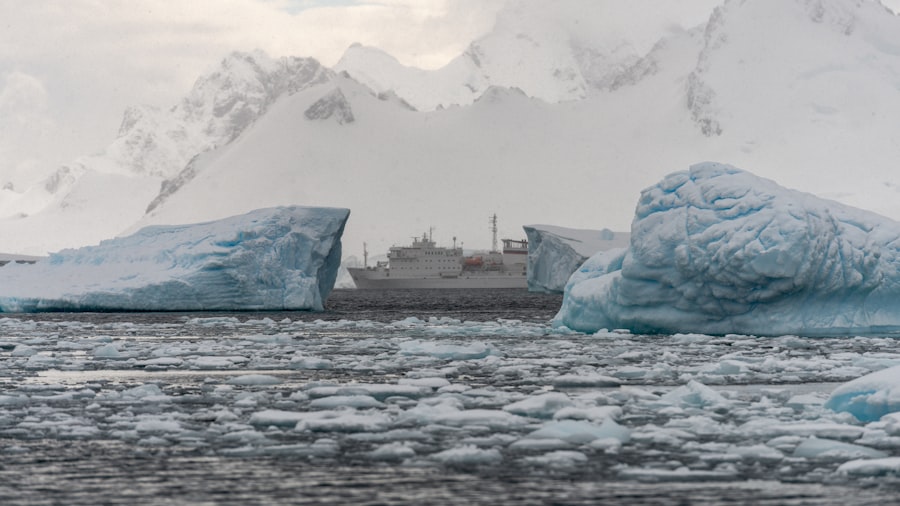
NATO’s Arctic strategy reflects a comprehensive approach to addressing the unique challenges posed by the region. The alliance recognizes that effective maritime security requires a multifaceted response that encompasses military readiness, environmental protection, and international cooperation. NATO’s policies emphasize the importance of maintaining freedom of navigation while safeguarding the environment and promoting sustainable development.
In recent years, NATO has developed specific guidelines aimed at enhancing its operational capabilities in the Arctic. These guidelines prioritize intelligence-sharing, surveillance operations, and joint training exercises designed to improve readiness for potential crises. By establishing clear objectives and frameworks for action, NATO seeks to ensure that it can respond effectively to any threats that may arise in this strategically important region.
Joint Military Exercises and Operations in the Arctic
Joint military exercises play a vital role in enhancing NATO’s operational capabilities in the Arctic. These exercises provide an opportunity for member states to practice coordinated responses to potential crises while improving interoperability among their forces. By simulating real-world scenarios, NATO can assess its readiness to address various challenges, from search-and-rescue operations to responding to environmental disasters.
They create an environment where participants can share best practices, learn from one another’s experiences, and build relationships that extend beyond military operations. This collaborative spirit is essential for addressing the complex security challenges facing the Arctic region.
Cooperation with Arctic Council and Partner Countries
NATO recognizes that effective maritime security in the Arctic cannot be achieved in isolation; it requires cooperation with other organizations and countries operating in the region. The Arctic Council plays a pivotal role in fostering dialogue among Arctic nations on issues related to environmental protection, sustainable development, and indigenous rights. By engaging with the Council and its member states, NATO can contribute to a more comprehensive approach to security that encompasses both military and non-military dimensions.
Cooperation with partner countries is also essential for addressing shared challenges in the Arctic. Nations such as Sweden, Finland, and Norway have significant interests in the region and possess valuable expertise in Arctic operations. By collaborating with these countries, NATO can enhance its understanding of local dynamics while promoting stability through joint initiatives aimed at addressing common threats.
Surveillance and Monitoring of Arctic Waters
Surveillance and monitoring are critical components of ensuring maritime security in the Arctic. As shipping traffic increases due to melting ice caps, there is a growing need for effective oversight of maritime activities to prevent illegal fishing, pollution, and other harmful practices. NATO has recognized this need and has taken steps to enhance its surveillance capabilities in the region.
Through advanced technologies such as satellite imagery and unmanned aerial vehicles (UAVs), NATO can monitor maritime activities more effectively than ever before. These tools enable real-time assessments of shipping routes, environmental conditions, and potential threats. By improving situational awareness, NATO can respond more swiftly to emerging challenges while promoting responsible stewardship of Arctic waters.
Response to Humanitarian and Environmental Threats
The Arctic region faces not only geopolitical challenges but also humanitarian and environmental threats that require coordinated responses from NATO and its partners. Climate change has led to increased vulnerability among indigenous communities who rely on traditional livelihoods tied to the land and sea. As these communities face displacement and resource scarcity, NATO’s role extends beyond military security to encompass humanitarian assistance.
NATO has recognized the importance of addressing environmental threats through collaborative initiatives aimed at disaster response and recovery efforts. By working with organizations focused on humanitarian aid and environmental protection, NATO can contribute to building resilience among vulnerable populations while promoting sustainable practices in resource management.
Future Outlook for NATO’s Role in Arctic Maritime Security
Looking ahead, NATO’s role in Arctic maritime security is likely to evolve further as geopolitical dynamics continue to shift.
As climate change continues to reshape the Arctic landscape, NATO must prioritize environmental considerations alongside traditional security concerns.
Moreover, strengthening partnerships with regional organizations such as the Arctic Council will be essential for promoting stability in this complex environment. By engaging with diverse stakeholders—ranging from indigenous communities to environmental organizations—NATO can develop comprehensive strategies that address both security needs and environmental sustainability. In conclusion, as the Arctic becomes increasingly significant on the global stage, NATO’s involvement will be crucial for ensuring maritime security while navigating the complexities of this unique region.
Through cooperation, preparedness, and a commitment to sustainable practices, NATO can play a pivotal role in shaping a secure future for the Arctic.
Arctic maritime security has become an increasingly critical issue as geopolitical tensions rise in the region. NATO’s strategic focus on enhancing its presence in the Arctic is essential for ensuring stability and security in these waters. For a deeper understanding of the challenges and strategies involved, you can read a related article on this topic at In the War Room. This resource provides valuable insights into the evolving dynamics of Arctic security and NATO’s role in addressing them.
WATCH THIS! 🎬 America’s Nuclear City Was a Lie: The Russian Base That Made Iceworm Obsolete
FAQs
What is Arctic maritime security?
Arctic maritime security refers to the measures and strategies implemented to ensure safe and secure navigation, protect sovereignty, and maintain stability in the Arctic region’s waters. This includes monitoring shipping routes, preventing illegal activities, and responding to emergencies in the Arctic Ocean and surrounding seas.
Why is NATO involved in Arctic maritime security?
NATO is involved in Arctic maritime security to promote stability, safeguard member states’ interests, and enhance cooperation among allies in the region. As the Arctic becomes more accessible due to melting ice, NATO aims to address emerging security challenges, including increased military activity and the protection of critical infrastructure.
What are the main security challenges in the Arctic maritime region?
Key security challenges in the Arctic maritime region include territorial disputes, increased military presence by various countries, environmental risks, search and rescue difficulties, and the potential for illegal activities such as smuggling or unregulated fishing. Climate change and the opening of new shipping routes also contribute to these challenges.
How does climate change impact Arctic maritime security?
Climate change leads to the melting of Arctic ice, opening new sea routes and increasing accessibility to natural resources. This results in heightened geopolitical interest, increased maritime traffic, and potential environmental hazards, all of which complicate security efforts and require enhanced monitoring and cooperation.
What role do NATO member countries play in Arctic maritime security?
NATO member countries contribute by conducting joint exercises, sharing intelligence, enhancing surveillance capabilities, and developing coordinated response strategies. Countries with Arctic coastlines, such as Canada, Norway, and the United States, play a particularly active role in securing the region.
Are there any international agreements related to Arctic maritime security?
Yes, several international agreements and organizations, such as the United Nations Convention on the Law of the Sea (UNCLOS) and the Arctic Council, provide frameworks for cooperation, dispute resolution, and environmental protection in the Arctic. NATO works alongside these bodies to support security and stability.
How does NATO coordinate with other Arctic stakeholders?
NATO coordinates with Arctic states, international organizations, and indigenous communities through dialogue, joint exercises, and information sharing. This collaborative approach helps address security challenges while respecting the sovereignty and interests of all parties involved.
What is the significance of the Northern Sea Route in Arctic maritime security?
The Northern Sea Route is a shipping lane along the Russian Arctic coast that significantly reduces travel time between Europe and Asia. Its increasing use raises security concerns related to navigation safety, environmental protection, and geopolitical competition, making it a focal point for Arctic maritime security efforts.
How does NATO address environmental concerns in the Arctic?
NATO incorporates environmental protection into its security strategies by promoting sustainable practices, supporting search and rescue operations, and preparing for potential environmental disasters such as oil spills. Protecting the fragile Arctic ecosystem is a key component of maintaining long-term security in the region.
What future developments are expected in Arctic maritime security?
Future developments may include enhanced surveillance technologies, increased military cooperation among NATO members, expanded search and rescue capabilities, and stronger international agreements to manage emerging challenges. The evolving geopolitical landscape and climate change will continue to shape Arctic maritime security priorities.