The Arctic region has become a focal point in discussions surrounding climate change, as the effects of global warming are felt more acutely in this fragile environment than in many other parts of the world. The melting of polar ice caps and glaciers is not merely an environmental concern; it has significant geopolitical implications. As ice recedes, new shipping routes open up, and previously inaccessible resources become available for exploration and extraction.
This transformation has led to a shift in power dynamics among Arctic nations, as countries like Russia, Canada, and the United States vie for control over these emerging opportunities. The changing landscape has prompted a reevaluation of national interests and strategies, as states seek to assert their sovereignty over vast areas of the Arctic. Moreover, the geopolitical landscape is further complicated by the presence of non-Arctic nations that are increasingly interested in the region.
Countries such as China have expressed ambitions to engage in Arctic affairs, framing their involvement as part of a broader initiative to promote global trade and economic development. This influx of external actors raises questions about the governance of the Arctic and the potential for conflict over resources and territorial claims. As climate change continues to reshape the Arctic, it is imperative for nations to navigate these complexities with a focus on cooperation and sustainable development.
Key Takeaways
- Climate change is reshaping Arctic geopolitics by opening new economic opportunities and strategic challenges.
- Resource extraction in the Arctic offers economic benefits but raises concerns about environmental and indigenous impacts.
- Indigenous rights and sovereignty remain central to Arctic governance and must be respected amid development pressures.
- International cooperation through bodies like the Arctic Council is crucial to managing conflicts and promoting sustainable policies.
- The Arctic serves as a critical indicator of global climate change, highlighting the need for robust legal frameworks and environmental protection.
Resource Extraction and Economic Opportunities in the Arctic
The Arctic is rich in natural resources, including oil, gas, minerals, and fish stocks, which have become increasingly accessible due to climate change. As ice melts, previously unreachable reserves are now within reach, prompting a surge in interest from both Arctic and non-Arctic nations. The potential for economic gain is substantial; estimates suggest that the Arctic holds about 13% of the world’s undiscovered oil reserves and 30% of its undiscovered natural gas reserves.
This has led to a race among countries to stake claims and secure rights to exploit these resources, raising concerns about environmental degradation and the sustainability of such activities. However, the pursuit of resource extraction is fraught with challenges. The harsh Arctic environment poses significant operational difficulties, and the potential for environmental disasters looms large.
Oil spills, habitat destruction, and overfishing are just a few of the risks associated with increased industrial activity in the region. Furthermore, the economic benefits of resource extraction must be weighed against the rights and livelihoods of Indigenous communities who have inhabited these lands for generations. Balancing economic opportunities with environmental stewardship and social responsibility is crucial for ensuring that the Arctic’s resources are managed sustainably.
Indigenous Rights and Sovereignty in the Arctic

Indigenous peoples have lived in the Arctic for thousands of years, developing rich cultures and deep connections to their land and resources. As climate change alters their environment and opens up new economic opportunities, Indigenous communities face unique challenges regarding their rights and sovereignty. The encroachment of resource extraction activities often threatens traditional ways of life, leading to conflicts over land use and access to resources.
Indigenous voices must be included in discussions about governance and development in the Arctic to ensure that their rights are respected and upheld. In recent years, there has been a growing recognition of Indigenous rights at both national and international levels. Frameworks such as the United Nations Declaration on the Rights of Indigenous Peoples (UNDRIP) emphasize the importance of free, prior, and informed consent when it comes to projects that affect Indigenous lands.
However, implementation remains inconsistent, and many Indigenous communities continue to struggle for recognition and protection of their rights. As geopolitical interests intensify in the Arctic, it is essential for governments and corporations to engage meaningfully with Indigenous peoples to foster equitable partnerships that honor their sovereignty.
International Cooperation and Conflict in the Arctic
The Arctic has historically been characterized by a spirit of cooperation among its nations, particularly through institutions like the Arctic Council. However, as climate change accelerates resource competition and geopolitical tensions rise, the potential for conflict increases. While countries like Canada, Norway, Russia, and the United States have engaged in collaborative efforts to address shared challenges, national interests often take precedence when it comes to resource claims and territorial disputes.
Despite these tensions, there remains a strong impetus for international cooperation in the Arctic. Issues such as climate change, search and rescue operations, and environmental protection require collaborative approaches that transcend national borders.
The Arctic Council serves as a platform for dialogue among Arctic states and Indigenous communities, facilitating discussions on pressing issues while promoting sustainable development. Strengthening this cooperative framework is essential for mitigating conflicts and ensuring that the Arctic remains a region where collaboration prevails over confrontation.
Environmental Protection and Conservation in the Arctic
| Metric | Value/Description | Relevance to Arctic Geopolitics & Climate Change |
|---|---|---|
| Arctic Temperature Increase (Last 50 years) | ~2.5°C (4.5°F) | Twice the global average warming, accelerating ice melt and opening new navigation routes |
| Sea Ice Extent Decline (September Minimum, 1979-2023) | ~40% decrease | Reduces natural barriers, enabling increased shipping and resource extraction |
| Estimated Untapped Oil Reserves | ~90 billion barrels | Drives geopolitical competition among Arctic nations for resource control |
| Estimated Natural Gas Reserves | ~1,669 trillion cubic feet | Potential energy resource influencing Arctic territorial claims and infrastructure development |
| Number of Arctic Council Member States | 8 | Key players in Arctic governance and cooperation on climate and security issues |
| New Shipping Routes Opened | 2 main routes (Northern Sea Route, Northwest Passage) | Shortens global shipping times, increasing strategic and economic interest |
| Annual Increase in Arctic Shipping Traffic (2010-2023) | ~10% per year | Heightens geopolitical tensions and environmental risks |
| Permafrost Thaw Rate | Up to 70 cm per year in some regions | Releases greenhouse gases, impacting global climate and local infrastructure |
| Military Presence Increase | Significant build-up by Russia, USA, Canada, and others | Reflects rising security concerns linked to resource access and territorial claims |
| Projected Arctic Ice-Free Summers | Possible by 2040-2050 | Will dramatically alter geopolitical dynamics and environmental conditions |
As climate change continues to impact the Arctic environment, the need for robust environmental protection measures has never been more urgent. The region’s ecosystems are highly sensitive to changes in temperature and ice cover, making them vulnerable to both natural and anthropogenic pressures. Increased shipping traffic, resource extraction activities, and tourism pose significant threats to biodiversity and habitat integrity.
Therefore, establishing effective conservation strategies is critical for safeguarding the unique flora and fauna that inhabit this region. International agreements play a vital role in promoting environmental protection in the Arctic. Initiatives such as the Agreement on Enhancing International Arctic Scientific Cooperation aim to foster collaboration among nations in conducting research on climate change impacts and developing strategies for conservation.
Additionally, protected areas such as national parks and marine reserves are essential for preserving critical habitats from industrial activities. By prioritizing environmental stewardship alongside economic development, Arctic nations can work towards a sustainable future that respects both nature and Indigenous rights.
Arctic Shipping Routes and Maritime Security

The melting ice in the Arctic has opened up new shipping routes that promise shorter transit times between major markets. The Northern Sea Route along Russia’s coast and the Northwest Passage through Canada are becoming increasingly navigable due to climate change. These routes not only offer economic advantages but also raise significant maritime security concerns.
As shipping traffic increases, so does the risk of accidents, oil spills, and illegal activities such as smuggling or unregulated fishing. To address these challenges, nations must enhance their maritime security capabilities while fostering cooperation among Arctic states. Joint exercises, information sharing, and coordinated responses to emergencies are essential components of a comprehensive maritime security strategy.
Additionally, establishing clear regulations governing shipping activities can help mitigate risks associated with increased traffic in this fragile environment. By prioritizing safety and security in Arctic waters, nations can protect both their economic interests and the delicate ecosystems that define this unique region.
Military Presence and Strategic Interests in the Arctic
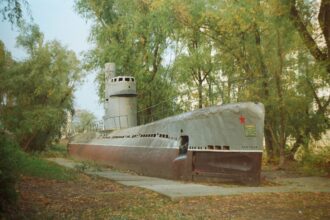
The strategic importance of the Arctic has not gone unnoticed by military planners around the world. As geopolitical tensions rise, countries are increasing their military presence in the region to assert their claims and protect their interests. Russia has been particularly active in expanding its military infrastructure along its northern coast, while NATO members have also ramped up their presence through joint exercises and patrols.
This militarization raises concerns about potential conflicts over territorial disputes or resource competition. However, military presence does not necessarily equate to conflict; it can also serve as a deterrent against aggression while providing security for shipping routes and resource exploration activities. The challenge lies in finding a balance between maintaining national security interests and fostering an environment conducive to cooperation among Arctic nations.
Diplomatic efforts must be prioritized to prevent misunderstandings or miscalculations that could escalate into confrontations.
The Role of Arctic Council in Addressing Climate Change Challenges
The Arctic Council plays a crucial role in addressing climate change challenges facing the region by providing a platform for dialogue among Arctic states and Indigenous communities. Established in 1996, this intergovernmental forum facilitates cooperation on issues such as environmental protection, sustainable development, and scientific research. By bringing together diverse stakeholders, including governments, Indigenous organizations, and scientific experts, the Council fosters collaborative approaches to tackle pressing challenges posed by climate change.
One of the Council’s key initiatives is its focus on enhancing scientific understanding of climate change impacts in the Arctic. Through collaborative research projects and data sharing, member states can better assess vulnerabilities within ecosystems while developing strategies for adaptation and mitigation. Additionally, the Council’s emphasis on Indigenous knowledge ensures that traditional ecological practices inform decision-making processes related to climate resilience.
By leveraging collective expertise and fostering partnerships across sectors, the Arctic Council is well-positioned to address climate change challenges effectively.
The Arctic as a Barometer for Global Climate Change
The Arctic serves as a critical barometer for global climate change due to its sensitivity to rising temperatures and shifting weather patterns. Observations indicate that temperatures in the Arctic are rising at nearly twice the global average rate—a phenomenon known as Arctic amplification. This accelerated warming not only impacts local ecosystems but also has far-reaching implications for global weather systems, sea-level rise, and carbon cycling.
As such, monitoring changes in the Arctic provides valuable insights into broader climate trends affecting the planet. Scientific research conducted in this region contributes significantly to understanding how climate change operates on a global scale while informing policy decisions aimed at mitigating its impacts. By recognizing the interconnectedness between local changes in the Arctic environment and global climate dynamics, stakeholders can better appreciate why protecting this region is essential for safeguarding planetary health.
Legal and Governance Frameworks for the Arctic Region
The legal landscape governing activities in the Arctic is complex due to overlapping national jurisdictions and international treaties. The United Nations Convention on the Law of the Sea (UNCLOS) provides a framework for establishing maritime boundaries while addressing issues related to navigation rights and resource management. However, disputes over territorial claims persist among Arctic nations—particularly concerning areas like the North Pole where multiple countries assert competing claims.
In addition to UNCLOS, regional agreements such as those established by the Arctic Council play an essential role in promoting cooperation among member states while addressing shared challenges related to environmental protection and sustainable development. Strengthening these legal frameworks is crucial for ensuring that activities conducted in the Arctic adhere to principles of sustainability while respecting Indigenous rights.
Future Scenarios for Arctic Geopolitics in a Changing Climate
Looking ahead, several scenarios could shape the future of Arctic geopolitics as climate change continues to unfold. One possibility is increased cooperation among Arctic nations driven by shared concerns over environmental degradation and resource management challenges. Collaborative efforts could lead to innovative solutions that prioritize sustainability while fostering economic growth—ultimately benefiting both local communities and national interests.
Conversely, heightened competition over resources could exacerbate tensions among states if diplomatic efforts fail or if misunderstandings arise regarding territorial claims or maritime boundaries. In this scenario, militarization may escalate as countries seek to assert control over contested areas—potentially leading to conflicts that threaten regional stability. Ultimately, navigating these complex dynamics will require proactive engagement from all stakeholders involved—governments must prioritize diplomacy while fostering inclusive decision-making processes that respect Indigenous rights alongside national interests.
By embracing collaboration rather than confrontation within this rapidly changing landscape shaped by climate change forces—Arctic nations can work towards a future characterized by peaceable coexistence amid shared challenges ahead.
In the context of Arctic geopolitics and the impacts of climate change, the article on In the War Room provides an insightful analysis of how melting ice is reshaping territorial claims and international relations in the region. As nations vie for access to new shipping routes and untapped resources, the geopolitical landscape is becoming increasingly complex, highlighting the urgent need for cooperative strategies to address both environmental and security challenges.
WATCH THIS! 🎬 America’s Nuclear City Was a Lie: The Russian Base That Made Iceworm Obsolete
FAQs
What is Arctic geopolitics?
Arctic geopolitics refers to the study and analysis of political, economic, and strategic interactions among countries and other actors in the Arctic region. It involves issues related to sovereignty, resource claims, security, environmental protection, and international cooperation in the Arctic.
How does climate change impact the Arctic region?
Climate change is causing rapid warming in the Arctic, leading to melting sea ice, thawing permafrost, and changes in ecosystems. These environmental changes affect local communities, wildlife, and global climate patterns, and they also open new opportunities and challenges for navigation, resource extraction, and geopolitical competition.
Which countries are involved in Arctic geopolitics?
The primary Arctic states are Canada, Denmark (via Greenland), Finland, Iceland, Norway, Russia, Sweden, and the United States. These countries have territorial claims and interests in the Arctic. Additionally, non-Arctic states and international organizations also play roles in Arctic governance and cooperation.
What role does the Arctic Council play in Arctic geopolitics?
The Arctic Council is an intergovernmental forum that promotes cooperation, coordination, and interaction among Arctic states, indigenous communities, and other Arctic inhabitants on common issues, particularly sustainable development and environmental protection. It is a key platform for dialogue but does not have regulatory or enforcement powers.
How is climate change influencing geopolitical competition in the Arctic?
As sea ice melts, new shipping routes become accessible, and previously unreachable natural resources like oil, gas, and minerals become exploitable. This has intensified competition among Arctic states and others for control, access, and economic benefits, raising concerns about security and environmental risks.
What are the environmental concerns related to increased Arctic activity?
Increased shipping, resource extraction, and infrastructure development in the Arctic pose risks such as oil spills, habitat disruption, pollution, and threats to indigenous ways of life. The fragile Arctic ecosystem is particularly vulnerable to disturbances, making environmental protection a critical issue in Arctic geopolitics.
How do indigenous peoples factor into Arctic geopolitics and climate change discussions?
Indigenous peoples are key stakeholders in the Arctic, with unique cultural, economic, and environmental ties to the region. Their knowledge and rights are increasingly recognized in policymaking and governance, and they are actively involved in discussions about sustainable development and climate adaptation.
What international laws govern the Arctic region?
The United Nations Convention on the Law of the Sea (UNCLOS) is the primary legal framework governing maritime rights and territorial claims in the Arctic. It sets rules for navigation, resource exploitation, and dispute resolution. Other agreements and bilateral treaties also contribute to Arctic governance.
Can climate change lead to conflicts in the Arctic?
While the Arctic has historically been a region of cooperation, the opening of new routes and resource opportunities due to climate change could increase tensions among states. However, many Arctic nations emphasize diplomacy and collaboration to manage disputes peacefully.
What future challenges does Arctic geopolitics face due to climate change?
Future challenges include balancing economic development with environmental protection, managing increased military presence, ensuring the rights and livelihoods of indigenous peoples, adapting to rapid environmental changes, and maintaining international cooperation amid shifting geopolitical interests.