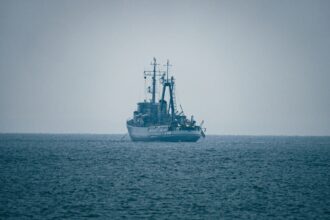
The Arctic, once a remote and largely ignored expanse, has progressively ascended the global geopolitical agenda. This recalibration of strategic interest is fueled by a confluence of factors: rising sea levels opening new shipping routes, the discovery of valuable natural resources, and fundamentally, the enduring strategic significance of control over its vast territory. Within this evolving landscape, a trio of locations – Nanisivik in Nunavut, Canada, Pituffik (formerly Thule) in Greenland, and Andøya in Norway – emerge as critical nodes in a complex and developing geopolitical calculus. While geographically disparate, these sites share a common thread: their inherent strategic value, driven by their polar positions and their growing importance to military and logistical considerations. Examining their current roles and potential future developments offers a lens through which to understand the broader dynamics of the High North.
The strategic developments in the Arctic region, particularly concerning the Arctic Gambit involving Nanisivik, Pituffik, and Andøya, have garnered significant attention in recent discussions about global security and military readiness. For a deeper understanding of the implications of these developments, you can read a related article that explores the geopolitical dynamics and the importance of these locations in the context of Arctic operations. For more information, visit this article.
Nanisivik: Canada’s Northern Fulcrum
Nanisivik, on the northern tip of Baffin Island in Nunavut, represents Canada’s most substantial commitment to asserting its presence in the Canadian Arctic Archipelago. Once a thriving lead-zinc mine, its transformation into a key naval facility signifies a significant shift in Canadian defense strategy.
From Mineral Extraction to Maritime Control: The Evolution of Nanisivik
The closure of the Nanisivik mine in 2002 marked the end of an era for the community. However, the Canadian government recognized the site’s unique geographical advantages. Its deep-water harbor and relatively protected bay made it an ideal candidate for development as a year-round naval facility. The transition from an industrial site to a strategic outpost was not immediate but was driven by the increasing recognition of Arctic maritime security concerns. The initial conceptualization revolved around providing support for Canadian sovereignty patrols and search and rescue operations, but its role has expanded considerably.
The Naval Arctic Gateway Project: Enhancing Capabilities
The centerpiece of Canada’s investment at Nanisivik is the Naval Arctic Gateway project. This initiative aims to establish a permanent, multi-purpose facility capable of supporting the Royal Canadian Navy’s operations in the Arctic. Key components include a wharf capable of berthing naval vessels, an auxiliary facility for storing vehicles and equipment, and improvements to logistics and infrastructure necessary to sustain operations in a harsh environment. The project is designed to facilitate year-round access, a crucial factor given the seasonal limitations imposed by ice. Future plans reportedly include expanding the facility’s capacity for air operations and potentially hosting a larger contingent of personnel and equipment.
Sovereignty, Security, and Arctic Trade: The Multifaceted Role of Nanisivik
Nanisivik’s primary strategic role is the enhancement of Canadian sovereignty in the Arctic. By providing a forward operating base, the Royal Canadian Navy can project power and presence across its vast territorial waters. This includes monitoring maritime traffic, responding to incidents, and deterring potential incursions. Beyond sovereignty, Nanisivik is positioned to play a significant role in Arctic security. As shipping through the Northwest Passage and Northern Sea Route increases, the need for effective maritime domain awareness and response capabilities becomes paramount. Furthermore, Nanisivik’s infrastructure could support search and rescue missions, environmental monitoring, and disaster relief operations. Its strategic location also positions it as a potential logistics hub for future Arctic economic activities, should resource extraction or increased trade materialize.
Pituffik: Greenland’s Strategic Backbone
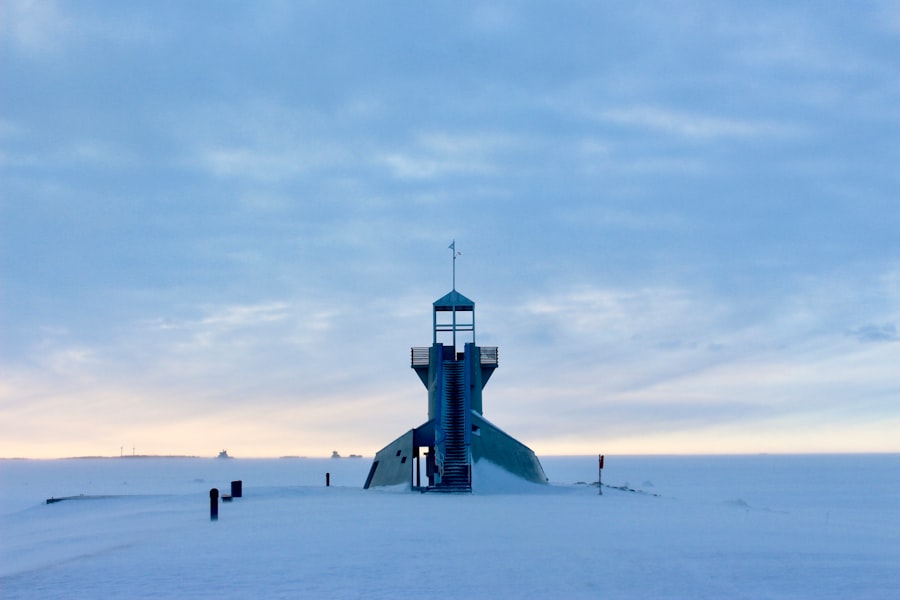
Pituffik Space Base, formerly known as Thule Air Base, located in northwestern Greenland, represents a long-standing and deeply significant strategic asset. Its history is intrinsically linked to the Cold War, and its present-day importance continues to be shaped by its unique positioning and its role within NATO.
A Cold War Legacy: The Origins of Pituffik
Established in the early 1950s during the height of the Cold War, Pituffik was conceived as a critical outpost for early warning and surveillance against potential Soviet threats. Its strategic location, deep within the Arctic, provided an unparalleled vantage point for radar detection. The base was instrumental in the deployment of intercontinental ballistic missiles (ICBMs) and served as a vital link in the North American Air Defense Command (NORAD) system. The logistical challenges of operating in such an extreme environment necessitated the development of sophisticated infrastructure and operational protocols, many of which have carried forward.
The Evolution to Pituffik Space Base: Modernizing for Contemporary Threats
While the geopolitical landscape has shifted dramatically since the Cold War, Pituffik’s strategic relevance has endured and, in some respects, intensified. The base has undergone significant modernization to adapt to contemporary threats and evolving mission requirements. The renaming to Pituffik Space Base reflects a greater emphasis on space-based surveillance and missile defense capabilities. Its primary functions now include operating sophisticated radar systems for missile defense, supporting satellite operations, and providing early warning of ballistic missile launches. The base remains a critical component of U.S. missile defense strategy and a key contributor to NORAD’s surveillance network.
Greenlandic Sovereignty and International Cooperation: Navigating a Complex Landscape
The presence of Pituffik Space Base on Greenlandic territory presents a complex interplay of international cooperation and local autonomy. While operated by the United States, the base falls within the sovereign territory of Greenland, which is an autonomous entity within the Kingdom of Denmark. This arrangement necessitates ongoing dialogue and cooperation between the U.S., Denmark, and the Greenlandic government. Discussions often revolve around environmental impact, local employment opportunities, and the broader strategic implications of the base’s operations. Ensuring that the base’s activities align with Greenlandic interests and contribute to its long-term development remains a crucial aspect of its continued operation.
Andøya: Norway’s Northern Sentinel
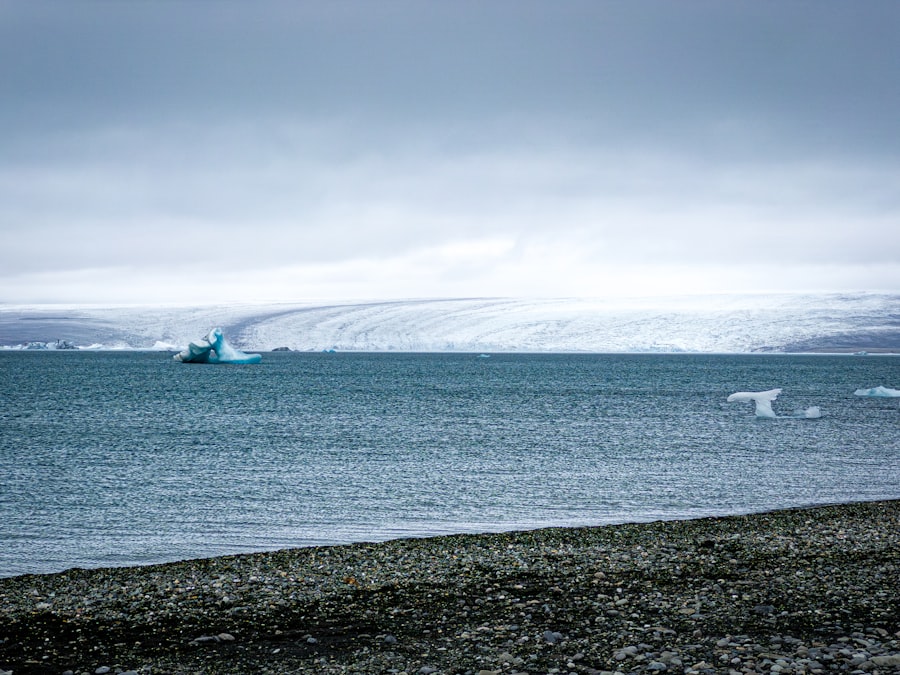
Andøya, an island off the coast of Northern Norway, has long been a cornerstone of Norwegian defense policy in the High North. Its strategic importance is deeply rooted in its proximity to Russia and its role in monitoring Arctic maritime and air activity.
A Historical Foundation: Early Warnings from the Edge of Europe
Andøya’s strategic significance dates back to the Cold War, when it served as a vital listening post and air defense site. Its location provided an excellent platform for monitoring Soviet naval and air movements in the Barents Sea and the Norwegian Sea. The establishment of radar installations and aerial reconnaissance capabilities at Andøya was crucial for Norway’s national security and its contribution to NATO’s northern flank. The island’s challenging terrain and weather conditions necessitated the development of robust infrastructure and specialized operational expertise.
The Guardians of the North: Andøya’s Role in Modern Defense
Today, Andøya continues to play a critical role in Norwegian defense, serving as a key platform for intelligence gathering and maritime surveillance. It hosts advanced radar systems and electronic intelligence-gathering capabilities, providing crucial situational awareness of military activities in the High North. The Royal Norwegian Air Force maintains a significant presence there, with aircraft conducting patrols and reconnaissance missions. The base’s strategic location makes it indispensable for monitoring naval movements from Russia’s Northern Fleet, a critical consideration for Norwegian and NATO security.
Strategic Depth and NATO Interoperability: Securing the Northern Approaches
Andøya provides Norway with essential strategic depth in the High North. Its ability to detect and track potential threats allows for early warning and response, crucial for maintaining the security of Norwegian territory and its maritime interests. Furthermore, Andøya is a vital node for NATO’s northern defense posture. Its integration into NATO’s surveillance and defense networks ensures interoperability and coordinated responses to emerging threats. The ongoing modernization of its facilities and capabilities underscores its enduring importance as a forward-looking defense asset for both Norway and its allies.
The recent developments in the Arctic region, particularly concerning the Arctic Gambit, have sparked significant interest among geopolitical analysts. A related article discusses the strategic implications of the Nanisivik, Pituffik, and Andøya bases, highlighting how these locations are pivotal in shaping military dynamics in the area. For a deeper understanding of these developments, you can read more about it in this insightful piece on the subject. Check out the article here for further details.
The Interconnected Arctic: A Geopolitical Tapestry
| Location | Arctic Gambit | Nanisivik | Pituffik | Andøya |
|---|---|---|---|---|
| Latitude | 74.7° N | 73.03° N | 76.53° N | 69.3° N |
| Longitude | 94.9° W | 84.61° W | 68.7° W | 16.02° E |
| Operational Status | Active | Inactive | Active | Active |
| Primary Use | Military | Naval base | Military | Spaceport |
While Nanisivik, Pituffik, and Andøya are distinct locations, their strategic significance is increasingly intertwined. Their collective importance underscores the growing geopolitical importance of the Arctic region.
Shifting Climates, Shifting Strategies: The Impact of Climate Change
The accelerating impacts of climate change are fundamentally reshaping the Arctic. Melting ice is opening new shipping routes, such as the Northern Sea Route and the Northwest Passage, creating new economic opportunities and simultaneously heightening concerns about security and environmental oversight. Increased accessibility also means greater potential for resource extraction, further intensifying competition. This environmental transformation is a direct driver of the strategic investments being made at sites like Nanisivik, Pituffik, and Andøya, as nations seek to exert control, protect interests, and manage the evolving maritime environment.
Resource Competition and Maritime Domain Awareness: New Frontiers of Conflict and Cooperation
The Arctic is believed to hold significant untapped reserves of oil, natural gas, and minerals. As these resources become more accessible, competition for their exploitation is likely to intensify. This potential for increased resource competition necessitates enhanced maritime domain awareness – the ability to monitor and understand activities within a nation’s maritime areas. Nanisivik, Pituffik, and Andøya are all crucial for establishing and maintaining this awareness, providing the infrastructure and capabilities to monitor shipping, prevent illegal activities, and assert national jurisdiction in these increasingly traversed waters.
The Future of Arctic Security: A Collaborative or Contested Future?
The evolving strategic landscape of the Arctic presents a critical juncture. The increasing militarization and potential for resource competition raise concerns about a more contested future. However, the shared challenges of environmental protection, search and rescue, and scientific research also present opportunities for collaboration. The strategic developments at Nanisivik, Pituffik, and Andøya are indicative of a broader trend: Arctic nations are investing in their capabilities to project power, ensure security, and manage their interests in this rapidly changing environment. The long-term trajectory of the Arctic will likely be shaped by how effectively nations navigate the delicate balance between asserting sovereignty and fostering international cooperation.
Conclusion: Navigating the Northern Imperative
Nanisivik, Pituffik, and Andøya, though geographically dispersed, represent critical pillars in the developing geopolitical architecture of the High North. From Canada’s burgeoning naval gateway to Greenland’s persistent strategic sentinel and Norway’s vigilant sentinel, these locations embody the increasing strategic significance of the Arctic. The drivers are multifaceted: the legacy of the Cold War, the transformative impacts of climate change, the allure of untapped resources, and the imperative of maintaining maritime domain awareness. As the Arctic continues its metamorphosis from a remote frontier to a region of heightened strategic importance, the roles and capabilities of these northern outposts will undoubtedly continue to evolve, shaping the future of security, trade, and international relations in this vital global domain. The investments made at these sites are not merely about geographic positioning; they are about projecting power, asserting sovereignty, and preparing for a future where the High North will demand increasingly sophisticated attention and effective management.
FAQs
What is the Arctic Gambit Nanisivik Pituffik Andøya article about?
The article discusses the strategic importance of the Arctic region and the military developments in Nanisivik, Pituffik, and Andøya, focusing on the potential implications for international security.
Why are Nanisivik, Pituffik, and Andøya considered strategically important in the Arctic region?
Nanisivik, Pituffik, and Andøya are strategically important due to their geographical locations, which provide access to key maritime routes and potential military advantages in the Arctic region.
What are the military developments in Nanisivik, Pituffik, and Andøya mentioned in the article?
The article discusses the establishment of military infrastructure, such as naval facilities and air bases, in Nanisivik, Pituffik, and Andøya, as well as the deployment of military assets and capabilities in these locations.
How do the military developments in Nanisivik, Pituffik, and Andøya impact international security?
The military developments in Nanisivik, Pituffik, and Andøya have the potential to affect international security by influencing military presence and activities in the Arctic region, as well as contributing to geopolitical tensions and competition among nations.
What are the potential implications of the Arctic Gambit Nanisivik Pituffik Andøya for global geopolitics?
The article explores the potential implications of the military developments in Nanisivik, Pituffik, and Andøya for global geopolitics, including the impact on international relations, security dynamics, and strategic interests in the Arctic region.