The Arctic region has emerged as a focal point of geopolitical tension and strategic military interest in recent years. As climate change continues to alter the landscape, melting ice caps are opening new maritime routes and exposing untapped natural resources.
The concept of Arctic deterrence strategy has gained traction as countries seek to safeguard their interests while preventing potential conflicts. This strategy encompasses a range of military, diplomatic, and economic measures aimed at maintaining stability and deterring aggression in a region that is becoming increasingly contested. Arctic deterrence strategy is not merely about military posturing; it also involves a nuanced understanding of the geopolitical dynamics at play.
The Arctic is home to a variety of stakeholders, including indigenous communities, environmental organizations, and international bodies, all of which influence the strategic landscape. As nations navigate this complex web of interests, the need for a coherent and comprehensive approach to deterrence becomes paramount. The stakes are high, as miscalculations or aggressive actions could lead to significant consequences not only for the Arctic but for global security as a whole.
Key Takeaways
- The Arctic is a strategically vital region due to its military, economic, and environmental significance.
- Russia has significantly increased its military presence and infrastructure in the Arctic to assert dominance.
- NATO is actively enhancing its capabilities and cooperation to counterbalance Russian aggression in the Arctic.
- Climate change and environmental shifts are reshaping Arctic security dynamics and access to resources.
- Technological advancements and international legal frameworks will play crucial roles in future Arctic deterrence strategies.
Russia’s Military Buildup in the Arctic
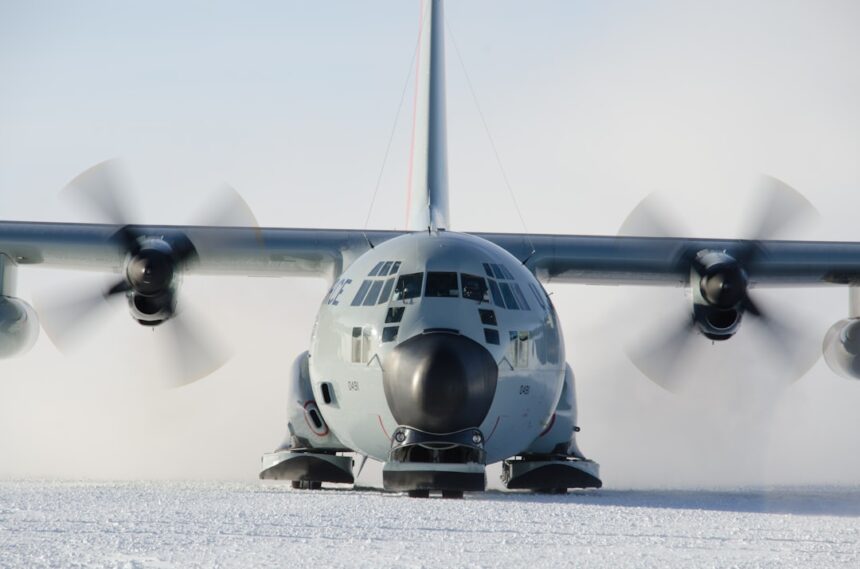
In recent years, Russia has significantly ramped up its military presence in the Arctic, viewing the region as a critical area for national security and economic development. The Kremlin has invested heavily in modernizing its Arctic military capabilities, establishing new bases, and enhancing its naval fleet. This military buildup is not merely a response to perceived threats; it is also a proactive measure aimed at asserting Russia’s dominance over vast swathes of Arctic territory and resources.
The establishment of new airfields, radar systems, and naval installations underscores Russia’s commitment to maintaining a robust military posture in the region. The implications of Russia’s military expansion are profound. As the country fortifies its position, it raises concerns among neighboring states and NATO allies about potential aggression or territorial claims.
The Arctic has become a theater for strategic competition, with Russia’s actions prompting other nations to bolster their own military capabilities in response. This arms race could lead to heightened tensions and an increased risk of miscalculations that might spiral into conflict. The international community watches closely as Russia continues to assert its influence over this vital region.
The Importance of the Arctic Region
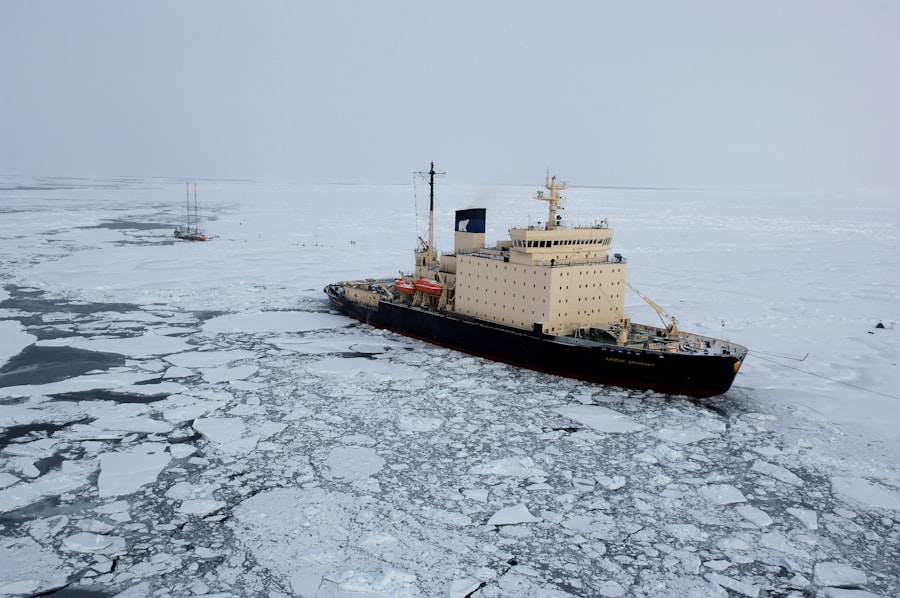
The Arctic region holds immense strategic importance for several reasons. First and foremost, it is rich in natural resources, including oil, gas, and minerals, which are becoming increasingly accessible due to melting ice. As global energy demands continue to rise, the Arctic’s untapped reserves present lucrative opportunities for resource extraction.
Additionally, the opening of new shipping routes, such as the Northern Sea Route, offers significant advantages for international trade by reducing transit times between Europe and Asia. These factors make the Arctic not only a region of interest for bordering nations but also for global powers seeking to secure their economic futures. Moreover, the Arctic plays a crucial role in global climate regulation.
The region acts as a temperature stabilizer for the planet, and its ecosystems are vital for biodiversity. As climate change accelerates, the consequences of environmental degradation in the Arctic extend far beyond its borders. Melting ice caps contribute to rising sea levels, affecting coastal communities worldwide.
Therefore, the geopolitical significance of the Arctic is intertwined with environmental considerations, making it imperative for nations to approach their strategies with a sense of responsibility and foresight.
NATO’s Response to Russian Aggression in the Arctic
In light of Russia’s military buildup and assertive actions in the Arctic, NATO has taken steps to enhance its presence and capabilities in the region. The alliance recognizes that the Arctic is not merely a peripheral area but a critical front in contemporary security challenges. NATO’s response has included increased surveillance operations, joint military exercises among member states, and enhanced cooperation with non-member countries that have interests in the Arctic.
These measures aim to deter potential aggression while reassuring member states of their collective security commitments. NATO’s approach also emphasizes dialogue and cooperation alongside deterrence. The alliance seeks to engage with Russia through established channels while remaining vigilant against any aggressive maneuvers.
This dual strategy reflects an understanding that while military readiness is essential, diplomatic efforts are equally important in managing tensions and fostering stability in the region. As NATO navigates this complex landscape, it must balance deterrence with engagement to avoid escalating conflicts while safeguarding its interests.
Russia’s Economic and Energy Interests in the Arctic
| Metric | Details |
|---|---|
| Military Presence | Over 40 military bases and outposts in the Arctic region |
| Naval Assets | 20+ icebreaker ships including nuclear-powered icebreakers |
| Air Defense | Deployment of advanced S-400 missile systems and Arctic-capable fighter jets |
| Strategic Objectives | Protect Northern Sea Route, secure natural resources, and deter NATO presence |
| Investment in Infrastructure | Modernization of Arctic ports, airfields, and radar stations |
| Arctic Troop Strength | Estimated 20,000+ troops stationed in Arctic military units |
| Missile Systems | Deployment of Bastion coastal defense missile systems |
| Strategic Deterrence | Positioning of nuclear-capable submarines in Arctic waters |
Russia’s economic ambitions in the Arctic are closely tied to its energy resources. The region is estimated to hold a significant portion of the world’s undiscovered oil and gas reserves, making it a focal point for Russia’s energy strategy. The Kremlin views the Arctic as essential for diversifying its economy and reducing dependence on traditional markets.
As global energy dynamics shift towards cleaner alternatives, Russia aims to capitalize on its Arctic resources before they become less viable due to environmental concerns. The development of infrastructure in the Arctic is crucial for realizing these economic ambitions. Russia has invested heavily in building ports, pipelines, and transportation networks to facilitate resource extraction and exportation.
However, these endeavors are not without challenges; harsh weather conditions and environmental regulations pose significant hurdles. Nevertheless, Russia remains committed to asserting its economic interests in the Arctic, viewing them as integral to its national identity and global standing.
Environmental and Climate Change Impacts on Arctic Deterrence
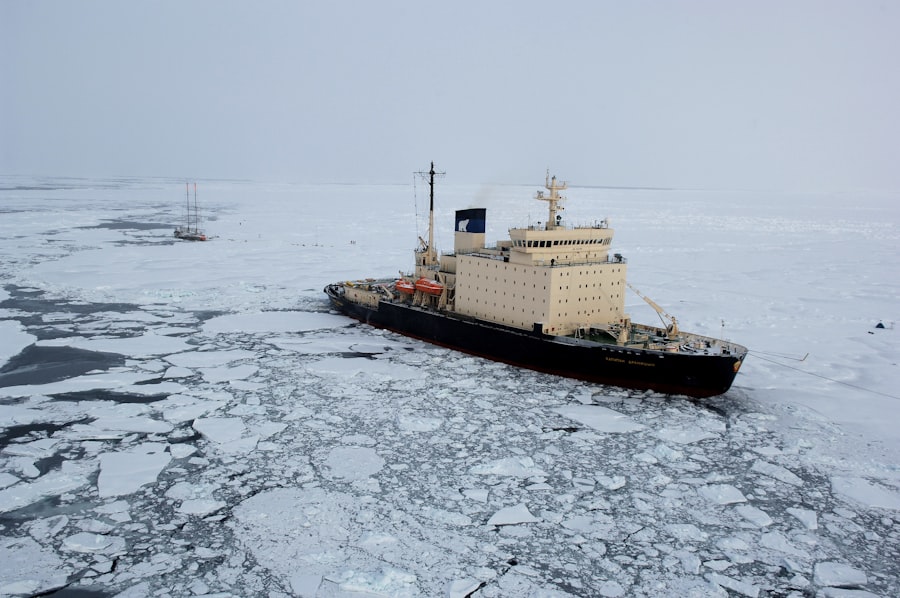
The impacts of climate change on the Arctic are profound and multifaceted, influencing not only environmental conditions but also geopolitical dynamics. As temperatures rise and ice melts, traditional notions of territorial sovereignty are challenged. The changing landscape creates new opportunities for navigation and resource extraction but also raises concerns about environmental degradation and indigenous rights.
These factors complicate deterrence strategies as nations must grapple with the dual imperatives of securing their interests while addressing environmental responsibilities. Moreover, climate change exacerbates existing tensions among Arctic nations. As resources become more accessible, competition intensifies, leading to potential conflicts over territorial claims and resource rights.
The melting ice also increases the likelihood of accidents or incidents involving military assets operating in the region. Consequently, nations must adapt their deterrence strategies to account for these evolving realities while fostering cooperation on environmental protection and sustainable development.
International Law and Disputes in the Arctic
The legal framework governing the Arctic is complex and often contentious. The United Nations Convention on the Law of the Sea (UNCLOS) provides guidelines for maritime boundaries and resource claims; however, overlapping claims among Arctic nations create potential flashpoints for conflict. Countries like Russia, Canada, and Denmark have made competing assertions over territorial waters and continental shelf extensions, leading to diplomatic disputes that could escalate if not managed carefully.
International law plays a crucial role in shaping Arctic deterrence strategies by providing mechanisms for dispute resolution and cooperation among nations. However, enforcement remains a challenge due to varying interpretations of legal norms and national interests. As countries navigate these legal complexities, they must balance their strategic objectives with adherence to international law to avoid exacerbating tensions or undermining regional stability.
Indigenous Peoples and Arctic Security
Indigenous peoples have inhabited the Arctic for millennia, possessing unique knowledge and cultural ties to the land that are often overlooked in discussions about security and resource management. Their perspectives are vital for understanding the implications of military activities and resource extraction on local communities. As geopolitical tensions rise, indigenous voices must be included in decision-making processes related to security strategies in the region.
The intersection of indigenous rights and national security presents both challenges and opportunities. While indigenous communities may face threats from militarization or environmental degradation, they also possess valuable insights into sustainable practices that can inform broader security strategies. Engaging with indigenous peoples can foster cooperation among nations while promoting respect for human rights and environmental stewardship in the Arctic.
The Role of Technology in Arctic Deterrence
Advancements in technology play a pivotal role in shaping modern deterrence strategies in the Arctic. Enhanced surveillance capabilities, satellite imagery, and unmanned systems enable nations to monitor activities more effectively and respond swiftly to potential threats. These technological innovations provide critical situational awareness that informs decision-making processes at both strategic and tactical levels.
However, reliance on technology also introduces new vulnerabilities. Cybersecurity threats pose risks not only to military systems but also to critical infrastructure supporting resource extraction and transportation networks. As nations invest in technological advancements for deterrence purposes, they must also prioritize cybersecurity measures to safeguard their interests against potential adversaries seeking to exploit weaknesses.
Potential Scenarios for Conflict in the Arctic
The potential for conflict in the Arctic arises from various factors that could escalate tensions among nations. One scenario involves disputes over territorial claims leading to confrontations between military forces operating in close proximity. As countries assert their rights over maritime boundaries or resource-rich areas, miscalculations or aggressive posturing could trigger unintended clashes.
Another scenario centers around environmental disasters or accidents involving military assets or commercial operations. Given the harsh conditions of the Arctic environment, incidents such as oil spills or collisions could provoke international outrage and calls for accountability. In such cases, nations may find themselves drawn into conflicts not only over territorial claims but also over environmental protection responsibilities.
The Future of Arctic Deterrence Strategy
The future of Arctic deterrence strategy will likely be shaped by evolving geopolitical dynamics, environmental changes, and technological advancements. As nations continue to navigate this complex landscape, they must adopt flexible approaches that prioritize cooperation alongside deterrence measures.
Moreover, addressing climate change will be paramount in shaping future strategies. As environmental degradation impacts traditional ways of life and exacerbates geopolitical tensions, nations must work collaboratively towards sustainable solutions that benefit both security interests and ecological preservation. Ultimately, a comprehensive approach that balances military readiness with diplomatic engagement will be crucial for ensuring peace and stability in the rapidly changing Arctic region.
In the context of Arctic deterrence strategy concerning Russia, it is essential to consider the evolving geopolitical landscape and military posturing in the region. A related article that delves into these dynamics can be found on In the War Room, which discusses the implications of Russia’s actions in the Arctic and the strategic responses from NATO and other nations. For more insights, you can read the article [here](https://www.inthewarroom.com/).
WATCH THIS! 🎬 America’s Nuclear City Was a Lie: The Russian Base That Made Iceworm Obsolete
FAQs
What is the Arctic Deterrence Strategy?
The Arctic Deterrence Strategy is a military and geopolitical approach aimed at preventing aggression and maintaining stability in the Arctic region. It involves enhancing defense capabilities, increasing military presence, and fostering international cooperation to deter potential threats, particularly from Russia.
Why is Russia significant in the Arctic Deterrence Strategy?
Russia is a key player in the Arctic due to its extensive Arctic coastline, military infrastructure, and strategic interests in the region. Its activities, including military modernization and resource exploration, have prompted other Arctic nations to develop deterrence strategies to ensure regional security and protect their interests.
What are the main objectives of the Arctic Deterrence Strategy concerning Russia?
The main objectives include deterring Russian military aggression, ensuring freedom of navigation, protecting critical infrastructure, and maintaining a balance of power in the Arctic. The strategy also aims to enhance surveillance, improve rapid response capabilities, and strengthen alliances among Arctic and non-Arctic states.
How do countries implement the Arctic Deterrence Strategy?
Implementation involves increasing military exercises, deploying advanced surveillance systems, investing in Arctic-capable equipment, and establishing forward operating bases. Countries also engage in diplomatic efforts to manage tensions and promote rules-based governance in the Arctic.
What role does international cooperation play in the Arctic Deterrence Strategy?
International cooperation is crucial for sharing intelligence, coordinating defense efforts, and managing disputes peacefully. Organizations like the Arctic Council facilitate dialogue among Arctic states, while bilateral and multilateral agreements help build trust and reduce the risk of conflict.
How does climate change impact the Arctic Deterrence Strategy?
Climate change is opening new sea routes and access to natural resources, increasing the strategic importance of the Arctic. This has led to heightened competition and the need for robust deterrence measures to address emerging security challenges in a rapidly changing environment.
What are the potential risks if the Arctic Deterrence Strategy fails?
Failure of the strategy could lead to increased military confrontations, disruption of global shipping lanes, environmental damage, and destabilization of the region. It could also undermine international law and cooperation frameworks, escalating tensions among Arctic and non-Arctic nations.