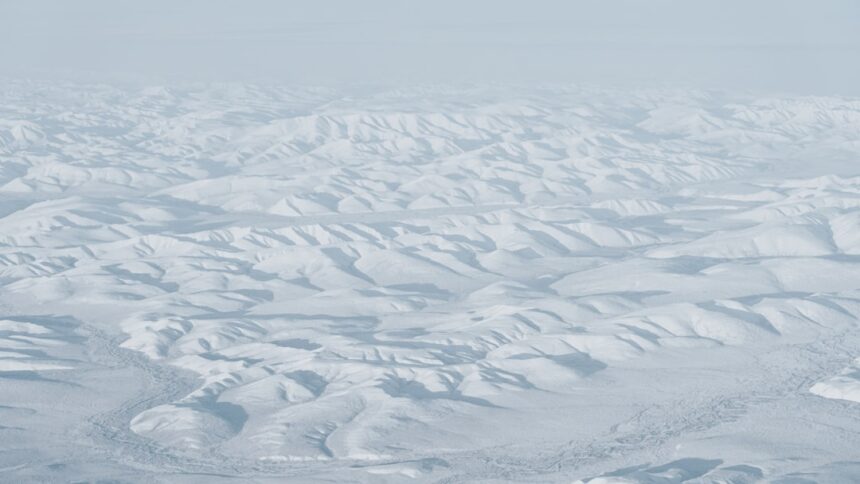
The Arctic has emerged as a focal point of geopolitical tension and competition among nations, transforming into a new battleground in the 21st century. As climate change continues to melt ice caps and open up previously inaccessible regions, the strategic importance of the Arctic has escalated. Countries such as Russia, the United States, Canada, and several European nations are increasingly asserting their claims over vast territories and resources in this frigid expanse.
The melting ice not only reveals new shipping routes but also exposes untapped reserves of oil, gas, and minerals, making the Arctic a coveted area for economic exploitation and military positioning. This newfound interest in the Arctic is not merely about territorial claims; it is also about national security and influence. The region’s significance has prompted nations to bolster their military presence, engage in strategic partnerships, and develop comprehensive policies aimed at securing their interests.
As the Arctic becomes a stage for power plays, the potential for conflict looms large, raising questions about the balance between cooperation and competition among Arctic nations. The stakes are high, and the implications of actions taken in this remote region could reverberate across the globe.
Key Takeaways
- The Arctic is becoming a new battleground due to its strategic location and potential for natural resources.
- Historical context of Arctic strategy shows a long-standing interest in the region for military and economic reasons.
- Military presence in the Arctic is crucial for asserting territorial claims and ensuring security in the region.
- Economic implications of Arctic strategy include access to new shipping routes and exploitation of oil and gas reserves.
- Environmental concerns in the Arctic are a major factor in shaping international cooperation and competition in the region.
The historical context of Arctic strategy
Understanding the current dynamics of Arctic strategy requires a look back at its historical context. For centuries, the Arctic was largely viewed as an inhospitable wilderness, with limited interest from global powers. However, the Cold War era marked a significant shift in this perception.
The Arctic became a strategic theater for military operations and intelligence gathering, particularly between the United States and the Soviet Union. The establishment of military bases and surveillance systems laid the groundwork for future engagements in the region. In the post-Cold War period, interest in the Arctic waned for a time, but the advent of climate change has reignited global attention.
The 21st century has seen a resurgence of interest in Arctic affairs, driven by environmental changes that have made the region more accessible. Historical treaties and agreements, such as the United Nations Convention on the Law of the Sea (UNCLOS), have provided frameworks for territorial claims and resource management. However, these agreements are often tested by national ambitions and competing interests, leading to a complex interplay of cooperation and rivalry that defines contemporary Arctic strategy.
The role of military presence in the Arctic
Military presence in the Arctic has become a critical component of national strategies as countries seek to assert their sovereignty and protect their interests. Nations like Russia have significantly increased their military capabilities in the region, re-establishing bases and conducting military exercises to demonstrate their readiness to defend their claims. The United States has also ramped up its military activities, emphasizing the need to maintain a strong presence to counter potential threats and ensure freedom of navigation in newly opened shipping lanes.
The strategic positioning of military assets in the Arctic serves multiple purposes. It acts as a deterrent against potential adversaries while also providing a means to respond swiftly to emerging challenges, such as search and rescue operations or environmental disasters. Furthermore, military presence can facilitate resource exploration and extraction efforts, as nations seek to secure access to valuable natural resources.
However, this militarization raises concerns about escalating tensions and the potential for conflict in an already fragile environment.
Economic implications of Arctic strategy
| Metrics | Data |
|---|---|
| Arctic GDP | Estimated at 230 billion |
| Arctic shipping traffic | Expected to increase by 30% by 2030 |
| Arctic tourism revenue | Projected to reach 5.3 billion by 2025 |
| Arctic natural resource extraction | Contributes to 20% of global oil and gas reserves |
The economic implications of Arctic strategy are profound, as nations vie for control over vast reserves of natural resources that lie beneath the ice. The region is believed to hold significant deposits of oil and natural gas, along with valuable minerals such as rare earth elements. As traditional energy sources become scarcer and demand for alternative resources grows, the Arctic’s economic potential becomes increasingly attractive to both state and non-state actors.
Moreover, the opening of new shipping routes due to melting ice presents opportunities for trade and commerce.
However, this economic potential is accompanied by challenges, including environmental risks associated with resource extraction and shipping activities.
Balancing economic interests with sustainable practices will be crucial as nations navigate the complexities of Arctic strategy.
Environmental concerns in the Arctic
The environmental concerns surrounding Arctic strategy cannot be overstated. The region is one of the most sensitive ecosystems on the planet, home to unique wildlife and fragile habitats that are already under threat from climate change. As nations pursue economic opportunities in the Arctic, they must grapple with the potential consequences of their actions on this delicate environment.
Oil spills, habitat destruction, and increased shipping traffic pose significant risks that could have lasting impacts on both local ecosystems and global climate patterns. Furthermore, indigenous communities that have lived in harmony with the Arctic environment for generations face existential threats from industrial activities. Their traditional ways of life are increasingly jeopardized by resource extraction and climate change, leading to calls for greater recognition of indigenous rights in decision-making processes related to Arctic strategy.
Addressing these environmental concerns requires a commitment to sustainable practices and a collaborative approach that prioritizes ecological preservation alongside economic development.
International cooperation and competition in the Arctic
The Arctic presents a unique landscape for both international cooperation and competition among nations. On one hand, there are established frameworks for collaboration, such as the Arctic Council, which brings together eight Arctic states along with indigenous representatives to address common challenges. This platform has facilitated dialogue on issues ranging from environmental protection to scientific research, highlighting the potential for cooperative governance in a region often characterized by rivalry.
However, competition remains a driving force in Arctic affairs. As nations assert their territorial claims and pursue their interests, tensions can arise over overlapping claims and resource disputes. The challenge lies in finding a balance between cooperation and competition that ensures stability while allowing for legitimate national interests to be pursued.
Diplomatic efforts will be essential in navigating these complexities and fostering an environment where collaboration can thrive despite underlying rivalries.
The impact of technology on Arctic strategy
Technology plays a pivotal role in shaping contemporary Arctic strategy, influencing everything from military capabilities to resource exploration methods. Advances in satellite imagery and remote sensing have enhanced situational awareness in this vast and remote region, allowing nations to monitor activities more effectively. Additionally, innovations in icebreaker technology have improved access to previously unreachable areas, facilitating both commercial shipping and military operations.
Moreover, technological developments are crucial for addressing environmental challenges in the Arctic. Enhanced monitoring systems can help track changes in ice cover and wildlife populations, providing valuable data for conservation efforts. However, reliance on technology also raises concerns about its potential impact on indigenous communities and traditional practices.
Striking a balance between leveraging technological advancements for strategic advantage while respecting local knowledge will be essential as nations navigate their Arctic strategies.
Indigenous peoples and Arctic strategy
Indigenous peoples play a vital role in shaping Arctic strategy, as they possess invaluable knowledge about the region’s ecosystems and cultural heritage. Their perspectives are essential for understanding the complexities of environmental stewardship and sustainable development in the Arctic. However, indigenous communities often find themselves marginalized in decision-making processes that directly affect their lives and livelihoods.
As nations pursue their interests in the Arctic, there is an increasing recognition of the need to incorporate indigenous voices into policy discussions. This includes respecting land rights, acknowledging traditional practices, and ensuring that indigenous communities benefit from economic opportunities arising from resource development. Collaborative approaches that empower indigenous peoples can lead to more effective governance models that prioritize both cultural preservation and environmental sustainability.
The role of natural resources in Arctic strategy
Natural resources are at the heart of many nations’ strategies in the Arctic, driving competition for control over oil, gas, minerals, and fisheries. The region’s untapped reserves present significant economic opportunities but also pose challenges related to environmental protection and geopolitical stability. As countries seek to exploit these resources, they must navigate complex legal frameworks governing territorial claims and resource management.
The race for natural resources is not solely about economic gain; it also reflects broader geopolitical ambitions. Nations view access to these resources as a means of enhancing their global standing and securing energy independence. However, this pursuit must be tempered by considerations of sustainability and environmental impact.
Striking a balance between resource extraction and ecological preservation will be crucial for ensuring long-term stability in the Arctic.
The geopolitical implications of Arctic strategy
The geopolitical implications of Arctic strategy extend far beyond regional boundaries, influencing global power dynamics and international relations. As nations assert their claims over territory and resources, they must contend with shifting alliances and rivalries that can reshape geopolitical landscapes. The Arctic has become a stage for great power competition, with implications for security arrangements and diplomatic relations among major players.
Moreover, developments in the Arctic can have ripple effects on global issues such as climate change and energy security. As countries engage in strategic maneuvers in this remote region, they must consider how their actions align with broader international norms and commitments. The challenge lies in fostering an environment where cooperation prevails over conflict while addressing legitimate national interests within a framework of shared responsibility.
The future of Arctic strategy
The future of Arctic strategy remains uncertain as nations grapple with competing interests amid changing environmental conditions. Climate change will continue to reshape the landscape of opportunities and challenges in the region, necessitating adaptive strategies that prioritize sustainability alongside economic development. As new shipping routes open up and resource extraction becomes more feasible, countries will need to navigate complex legal frameworks while balancing national ambitions with global responsibilities.
International cooperation will be essential for addressing shared challenges such as climate change mitigation and environmental protection. Collaborative governance models that incorporate indigenous perspectives can lead to more effective decision-making processes that prioritize ecological integrity while allowing for responsible resource development. Ultimately, the future of Arctic strategy will depend on finding common ground among nations while respecting the rights of indigenous peoples and safeguarding one of the planet’s most vulnerable ecosystems.
During the Cold War, the Arctic became a critical theater for military strategy, as both the United States and the Soviet Union sought to establish dominance in this strategically important region. An insightful article that delves into the intricacies of Cold War strategy in the Arctic can be found at this link. The article explores the geopolitical tensions and military maneuvers that characterized the era, shedding light on how the Arctic played a pivotal role in the broader context of Cold War dynamics.
WATCH THIS! Inside Iceworm: America’s Secret Nuclear City Built Under Greenland
FAQs
What was the Cold War strategy in the Arctic?
During the Cold War, the Arctic region was a strategic area of interest for both the United States and the Soviet Union. Both superpowers sought to establish military presence and control over the Arctic in order to gain strategic advantage and monitor each other’s activities.
What were the key elements of the Cold War strategy in the Arctic?
The key elements of the Cold War strategy in the Arctic included the establishment of military bases, deployment of submarines, and conducting surveillance and reconnaissance missions to monitor each other’s activities in the region.
How did the Cold War strategy in the Arctic impact the region?
The Cold War strategy in the Arctic led to increased militarization of the region, environmental degradation due to military activities, and heightened tensions between the United States and the Soviet Union. It also had implications for indigenous communities living in the Arctic.
Did the Cold War strategy in the Arctic have long-term effects?
Yes, the Cold War strategy in the Arctic had long-term effects on the region, including the legacy of military infrastructure, environmental contamination, and ongoing geopolitical tensions over the control and resources of the Arctic.
How does the Cold War strategy in the Arctic compare to current geopolitical dynamics in the region?
While the Cold War strategy in the Arctic focused on the rivalry between the United States and the Soviet Union, current geopolitical dynamics in the region involve a broader range of actors, including Arctic states, non-Arctic states, and international organizations, with a focus on issues such as climate change, resource extraction, and maritime transportation routes.