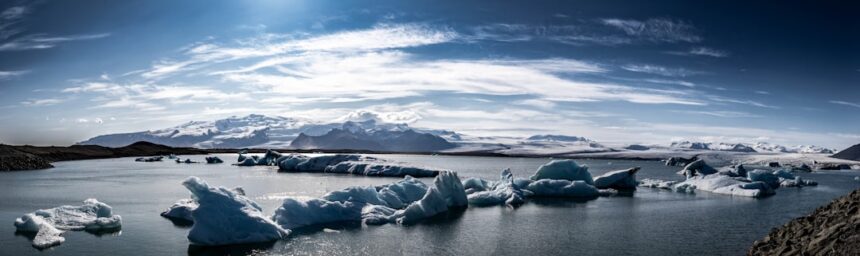
The Arctic region, often perceived as a remote and inhospitable expanse of ice and tundra, is undergoing profound transformations due to climate change. This area, which plays a crucial role in the Earth’s climate system, is warming at an alarming rate, significantly faster than the global average. The consequences of this rapid warming are not only environmental but also geopolitical, as nations begin to reassess their interests and strategies in this increasingly accessible region.
The melting ice caps and thawing permafrost are not merely indicators of climate change; they are harbingers of a new era of competition and conflict over resources, territory, and security. As the Arctic continues to warm, the implications extend beyond environmental degradation. The changes in climate are reshaping ecosystems, altering traditional ways of life for indigenous communities, and prompting nations to enhance their military presence in the region.
The interplay between climate change and militarization raises critical questions about the future of the Arctic, as countries navigate the complexities of environmental stewardship and national security. Understanding this dynamic is essential for addressing the challenges that lie ahead.
Key Takeaways
- Arctic climate change is rapidly transforming the environment, impacting ecosystems and human activities.
- Increased militarization in the Arctic is driven by strategic interests and resource competition.
- Indigenous communities face significant challenges due to military presence and environmental changes.
- Geopolitical tensions are rising as nations vie for control over Arctic resources and shipping routes.
- Sustainable development and security require balancing environmental protection with economic and military interests.
Impact of Climate Change on Arctic Environment
The impact of climate change on the Arctic environment is both profound and multifaceted. One of the most visible effects is the dramatic reduction in sea ice extent, which has reached record lows in recent years. This loss of ice not only disrupts marine ecosystems but also accelerates global warming through a feedback loop known as the albedo effect.
As ice melts, darker ocean waters are exposed, absorbing more sunlight and further increasing temperatures. This phenomenon poses a significant threat to polar bears, seals, and other species that rely on sea ice for their survival. In addition to diminishing sea ice, climate change is causing permafrost to thaw, releasing greenhouse gases such as methane and carbon dioxide into the atmosphere.
This release exacerbates global warming, creating a vicious cycle that threatens not only the Arctic but the entire planet. The changing climate also affects weather patterns, leading to more extreme weather events and altering precipitation levels. These shifts have far-reaching consequences for both human and wildlife populations, as traditional hunting grounds become less reliable and ecosystems struggle to adapt to rapid changes.
Militarization in the Arctic Region
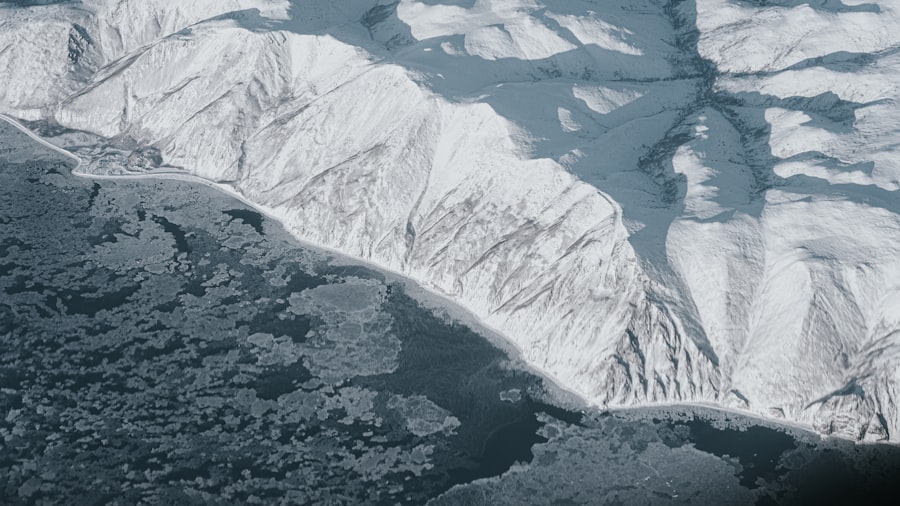
As climate change transforms the Arctic landscape, it has also prompted an increase in militarization within the region. Nations bordering the Arctic—namely Russia, Canada, the United States, Norway, and Denmark—are enhancing their military capabilities in response to perceived threats and opportunities arising from a changing environment. The melting ice has opened new shipping routes and access to untapped natural resources, leading countries to assert their territorial claims more aggressively.
This militarization is not merely a reaction to environmental changes; it is also a strategic maneuver in a geopolitical landscape that is becoming increasingly competitive. The resurgence of military activity in the Arctic raises concerns about potential conflicts over resources and territory. As nations invest in infrastructure such as bases, icebreakers, and surveillance systems, the risk of misunderstandings and confrontations increases.
The Arctic has historically been viewed as a region of cooperation among Arctic states; however, the current trajectory suggests a shift towards a more militarized approach. This development poses significant challenges for international relations and raises questions about how best to balance security interests with environmental protection.
Military Presence and Operations in the Arctic
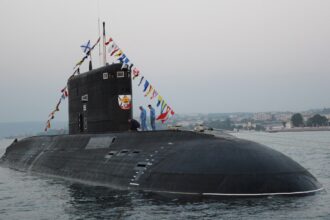
The military presence in the Arctic has expanded significantly in recent years, with countries ramping up their operations to assert control over strategic areas. Russia has been particularly active, re-establishing military bases along its northern coast and conducting large-scale exercises to demonstrate its capabilities. The Russian government views the Arctic as vital for its national security and economic interests, particularly regarding resource extraction and shipping routes.
This military buildup has raised alarms among other Arctic nations, prompting them to bolster their own defenses. In response to Russia’s actions, NATO has increased its focus on the Arctic region, conducting joint exercises and enhancing surveillance capabilities.
These developments reflect a growing recognition of the strategic importance of the Arctic in global security dynamics. However, this militarization raises concerns about the potential for escalation and conflict in a region that has historically been characterized by cooperation among nations.
Resource Extraction and Economic Interests in the Arctic
| Metric | Value | Unit | Year | Notes |
|---|---|---|---|---|
| Arctic Sea Ice Minimum Extent | 3.7 | million sq km | 2023 | Lowest summer sea ice extent recorded, indicating warming |
| Increase in Arctic Military Bases | 15% | percent increase | 2015-2023 | Growth in number of active military installations in Arctic region |
| Number of Arctic Military Exercises | 45 | exercises per year | 2023 | Joint and national military drills conducted in Arctic |
| Average Arctic Temperature Increase | 3.1 | °C | Last 50 years | Rate of warming in Arctic region, faster than global average |
| New Arctic Shipping Routes Opened | 2 | routes | 2020-2023 | Due to melting ice, new navigable passages emerged |
| Military Spending on Arctic Capabilities | 12 | billion USD | 2023 | Estimated annual expenditure by Arctic nations |
| Number of Arctic Surveillance Satellites | 18 | satellites | 2023 | Satellites dedicated to monitoring Arctic region |
The melting ice in the Arctic has unveiled vast reserves of natural resources, including oil, gas, minerals, and rare earth elements. As countries seek to capitalize on these opportunities, economic interests are driving much of the militarization in the region. The potential for lucrative resource extraction has led to increased competition among Arctic states and non-Arctic nations alike.
Companies are eager to explore these resources, but such activities come with significant environmental risks that could further exacerbate climate change. The race for resources is not limited to fossil fuels; it also includes fishing rights and shipping routes that are becoming more navigable due to reduced ice cover. The Northern Sea Route and Northwest Passage are emerging as viable shipping lanes that could revolutionize global trade.
However, this increased activity raises questions about environmental sustainability and the rights of indigenous communities who have traditionally relied on these waters for their livelihoods. Balancing economic interests with environmental protection will be crucial as nations navigate this new frontier.
Indigenous Communities and the Effects of Militarization
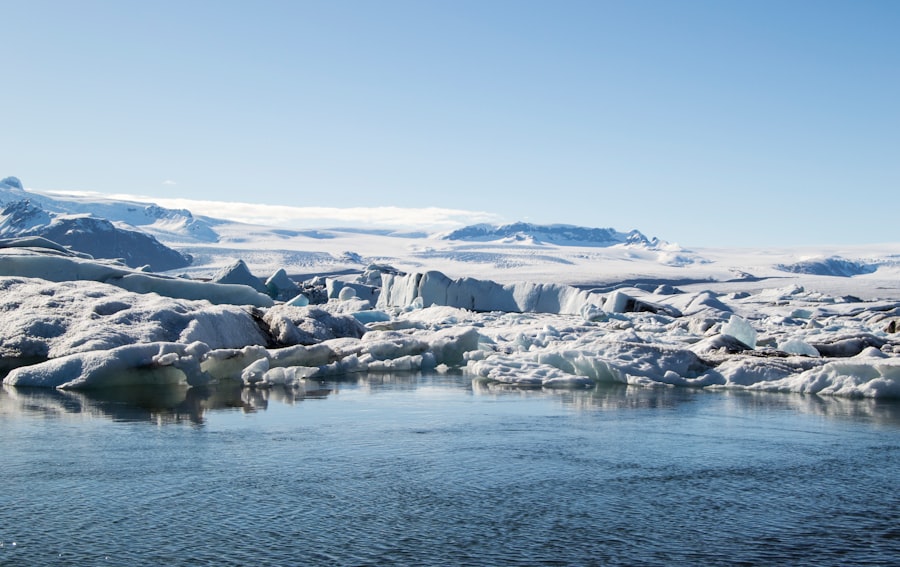
Indigenous communities in the Arctic have long been stewards of their environment, relying on traditional knowledge and practices to sustain their way of life. However, the militarization of the region poses significant challenges for these communities. Increased military presence can disrupt traditional hunting grounds and migration patterns, leading to food insecurity and cultural dislocation.
Moreover, military operations often come with environmental risks that can further threaten local ecosystems. The voices of indigenous peoples are often marginalized in discussions about resource extraction and military activities in their homelands. As nations prioritize strategic interests over local concerns, indigenous communities may find themselves caught between competing agendas.
It is essential for policymakers to engage with these communities meaningfully, recognizing their rights and incorporating their perspectives into decision-making processes. Fostering collaboration between indigenous peoples and governments can help ensure that development in the Arctic respects cultural heritage while addressing pressing environmental challenges.
International Relations and Geopolitics in the Arctic
The geopolitical landscape of the Arctic is evolving rapidly as nations vie for influence over this strategically important region. The melting ice has opened new avenues for trade and resource extraction, prompting countries to reassess their foreign policies towards the Arctic. The Arctic Council, established to promote cooperation among Arctic states, faces challenges in addressing issues related to militarization and resource competition.
While dialogue remains essential for maintaining peace in the region, tensions are rising as nations assert their claims more aggressively. International relations in the Arctic are further complicated by non-Arctic states seeking a foothold in the region. Countries like China have expressed interest in participating in Arctic affairs, framing their involvement as part of a broader strategy to enhance global trade routes.
This influx of external actors adds another layer of complexity to an already intricate geopolitical landscape. As nations navigate these dynamics, it will be crucial to strike a balance between national interests and collaborative efforts aimed at preserving the fragile Arctic environment.
Environmental Security and Military Activities in the Arctic
The intersection of environmental security and military activities in the Arctic presents a unique set of challenges. While nations may view military presence as a means of safeguarding their interests, such activities can have detrimental effects on fragile ecosystems already under stress from climate change. Increased shipping traffic associated with military operations can lead to oil spills, habitat destruction, and disturbances to wildlife populations.
Moreover, military exercises often involve significant resource consumption and emissions that contribute to climate change—a paradox that undermines efforts to protect the very environment that nations seek to secure. Addressing these contradictions requires a reevaluation of military strategies in light of environmental sustainability goals. By prioritizing eco-friendly practices within military operations, countries can work towards a more harmonious relationship between security needs and environmental stewardship.
Challenges and Risks of Militarization in the Arctic
The militarization of the Arctic brings with it a host of challenges and risks that could have far-reaching consequences for regional stability and environmental health. One significant concern is the potential for accidents or miscalculations during military operations that could escalate into conflicts between nations. The presence of multiple military forces operating in close proximity increases the likelihood of misunderstandings that could lead to unintended confrontations.
Additionally, militarization can exacerbate existing tensions among indigenous communities who may feel marginalized by national agendas focused on territorial claims or resource extraction. The prioritization of military interests over local needs can lead to social unrest and further alienation of these communities from decision-making processes that affect their lives. Addressing these challenges requires a commitment to dialogue and cooperation among all stakeholders involved in Arctic affairs.
Sustainable Development and Security in the Arctic
As nations grapple with the complexities of militarization and climate change in the Arctic, there is an urgent need for sustainable development strategies that prioritize both security and environmental protection. Sustainable development frameworks can provide a roadmap for balancing economic interests with ecological integrity while respecting indigenous rights. By fostering collaboration among governments, businesses, and local communities, stakeholders can work towards solutions that benefit all parties involved.
Investing in renewable energy sources and sustainable practices can help mitigate some of the environmental impacts associated with resource extraction while promoting economic growth in local communities. Furthermore, integrating indigenous knowledge into development planning can enhance resilience against climate change impacts while preserving cultural heritage. A holistic approach that considers both security needs and environmental sustainability will be essential for ensuring a stable future for the Arctic region.
Addressing the Complex Interplay of Climate Change and Militarization in the Arctic
The interplay between climate change and militarization in the Arctic presents a complex challenge that requires urgent attention from policymakers at all levels. As nations navigate this evolving landscape marked by rapid environmental changes and heightened geopolitical tensions, it is crucial to prioritize cooperation over competition. Engaging indigenous communities as key stakeholders will be essential for fostering inclusive decision-making processes that respect cultural heritage while addressing pressing environmental concerns.
Ultimately, addressing these intertwined issues will require innovative solutions that balance national security interests with sustainable development goals. By fostering dialogue among Arctic states and promoting collaborative efforts aimed at protecting this fragile environment, stakeholders can work towards a future where security does not come at the expense of ecological integrity or social justice. The path forward will demand commitment from all parties involved—governments, businesses, indigenous communities—to ensure that the Arctic remains a region characterized by cooperation rather than conflict amidst an ever-changing climate landscape.
As the Arctic region continues to experience significant climate change, nations are increasingly focusing on militarization strategies to secure their interests in this rapidly changing environment. A related article that delves into the implications of this trend can be found at In the War Room, where experts discuss the geopolitical ramifications of Arctic militarization in the context of environmental shifts and resource competition.
WATCH THIS! 🎬 America’s Nuclear City Was a Lie: The Russian Base That Made Iceworm Obsolete
FAQs
What is Arctic climate change?
Arctic climate change refers to the rapid warming and environmental shifts occurring in the Arctic region, including rising temperatures, melting sea ice, thawing permafrost, and changes in ecosystems. This warming is happening at about twice the global average rate.
How does climate change affect the Arctic environment?
Climate change leads to reduced sea ice extent and thickness, altered weather patterns, loss of habitat for native species, thawing permafrost releasing greenhouse gases, and increased coastal erosion. These changes impact both natural ecosystems and human activities.
What is meant by militarization in the Arctic?
Militarization in the Arctic refers to the increased presence and activities of military forces by Arctic and non-Arctic nations. This includes establishing bases, conducting exercises, deploying surveillance systems, and enhancing naval and air capabilities in the region.
Why is the Arctic becoming a focus for militarization?
As Arctic ice melts, new shipping routes and access to natural resources like oil, gas, and minerals become more viable. This strategic and economic potential has led countries to increase their military presence to protect interests, assert sovereignty, and ensure security.
Which countries are involved in Arctic militarization?
The primary Arctic nations involved include the United States, Russia, Canada, Norway, and Denmark (via Greenland). Other countries, such as China, have also shown interest in Arctic affairs, though they are not Arctic states.
How does climate change influence Arctic militarization?
Climate change opens previously inaccessible areas, prompting nations to enhance military infrastructure and capabilities to monitor and control new sea routes and resource-rich zones. It also raises concerns about security challenges related to environmental changes.
Are there international agreements governing military activity in the Arctic?
Yes, the Arctic Council promotes cooperation among Arctic states on environmental protection and sustainable development but does not address military security directly. The United Nations Convention on the Law of the Sea (UNCLOS) provides a legal framework for maritime claims. There are no specific treaties banning militarization in the Arctic.
What are the potential risks of increased militarization in the Arctic?
Risks include heightened geopolitical tensions, potential conflicts over territorial claims and resources, environmental damage from military activities, and challenges to indigenous communities’ rights and livelihoods.
How is the international community addressing Arctic climate change and militarization?
Efforts include scientific research, diplomatic dialogue through forums like the Arctic Council, confidence-building measures among military forces, and promoting sustainable development and environmental protection in the region.
Can climate change mitigation help reduce Arctic militarization?
Mitigating climate change by reducing global greenhouse gas emissions can slow Arctic warming and ice melt, potentially limiting new access to resources and shipping routes. This may reduce some drivers of militarization, but geopolitical interests will also play a significant role.