The Arctic region, characterized by its harsh climate and remote geography, has become an area of increasing strategic importance in recent years. As nations vie for control over its vast resources and shipping routes, the need for robust air defense systems has never been more critical. The Arctic’s unique challenges, including extreme weather conditions and limited infrastructure, necessitate specialized military capabilities to ensure sovereignty and security.
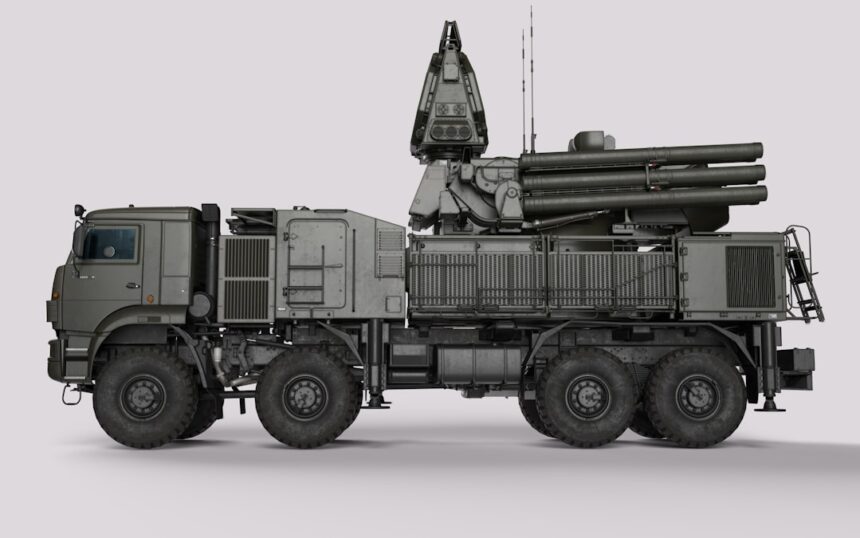
In this context, the Pantsir-S1 air defense system emerges as a vital asset for Arctic air defense operations, combining advanced technology with adaptability to the region’s demanding environment. The significance of Arctic air defense extends beyond mere territorial integrity; it encompasses national security, economic interests, and geopolitical stability. As military activities in the Arctic intensify, the ability to monitor and protect airspace becomes paramount.
The Pantsir-S1, a mobile short-range air defense system, is designed to counter a variety of aerial threats, including drones, missiles, and aircraft. Its deployment in the Arctic not only enhances the defensive posture of nations operating in the region but also serves as a deterrent against potential aggressors.
Key Takeaways
- Pantsir-S1 plays a critical role in enhancing air defense capabilities specifically tailored for the harsh Arctic environment.
- Its design offers significant advantages such as mobility, all-weather operation, and effective missile and gun systems suitable for Arctic conditions.
- Operating Pantsir-S1 in the Arctic presents unique challenges including extreme cold, ice, and logistical difficulties requiring specialized training and preparation.
- Integration with other Arctic air defense systems and international collaboration strengthens overall regional security and operational effectiveness.
- Ongoing upgrades and environmental considerations ensure Pantsir-S1 remains a vital component in securing Arctic airspace now and in the future.
The Role of Pantsir-S1 in Arctic Air Defense
The Pantsir-S1 system plays a crucial role in the overarching strategy for Arctic air defense. Its design allows for rapid deployment and engagement of aerial threats, making it particularly suited for the unpredictable conditions of the Arctic environment. Equipped with both radar and missile systems, Pantsir-S1 can detect and neutralize threats at varying altitudes and speeds.
This versatility is essential in a region where traditional air defense systems may struggle due to extreme cold and challenging terrain. Moreover, the Pantsir-S1’s mobility is a significant advantage in the Arctic. The system can be transported by various means, including trucks and aircraft, allowing for quick repositioning in response to emerging threats.
This capability is vital in a region where ice and snow can hinder ground movement and where airspace can be contested by multiple actors. By providing a flexible and responsive air defense solution, the Pantsir-S1 enhances situational awareness and operational readiness in the Arctic theater.
Advantages of Using Pantsir-S1 in the Arctic Environment
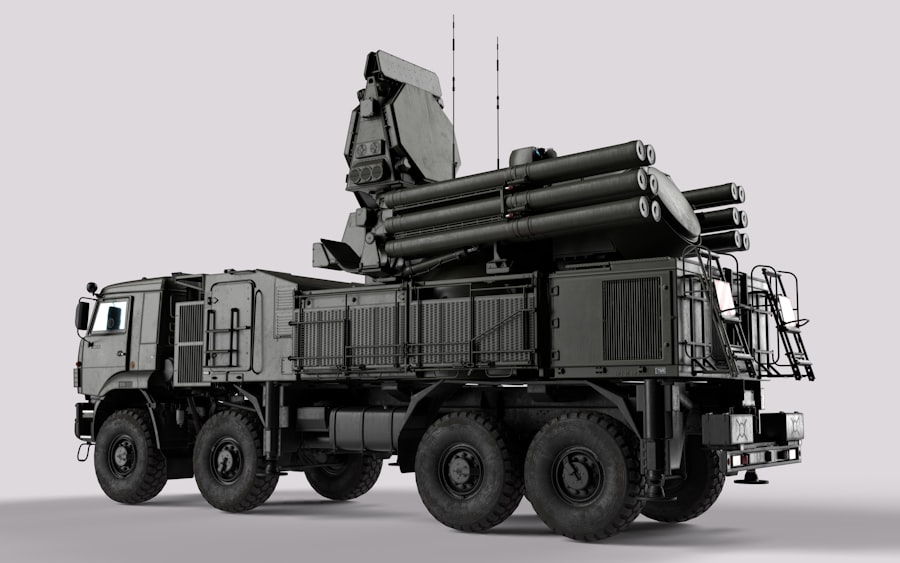
One of the primary advantages of the Pantsir-S1 system in the Arctic is its ability to operate effectively in extreme weather conditions. The system is designed to withstand low temperatures and harsh environmental factors that are characteristic of the region. Its robust construction ensures that it remains operational even when faced with snowstorms or icy conditions, which can incapacitate less resilient systems.
This reliability is crucial for maintaining continuous air surveillance and defense capabilities. Additionally, the Pantsir-S1’s integrated radar and missile systems provide a comprehensive solution for detecting and engaging aerial threats. The radar can track multiple targets simultaneously, allowing for quick identification and response to potential incursions.
This capability is particularly important in the Arctic, where the vast expanse of airspace can make it challenging to monitor all activities effectively. By utilizing advanced technology, the Pantsir-S1 enhances situational awareness and enables operators to make informed decisions in real-time.
Challenges of Operating Pantsir-S1 in the Arctic
Despite its advantages, operating the Pantsir-S1 in the Arctic presents several challenges that must be addressed to ensure its effectiveness. One significant issue is the logistical difficulties associated with deploying and maintaining such systems in remote locations. The harsh climate can complicate supply chains, making it difficult to transport necessary equipment and personnel to operational sites.
Additionally, maintenance crews may face challenges in performing repairs under extreme conditions, which could lead to prolonged downtimes. Another challenge lies in the potential for electronic warfare tactics employed by adversaries. The Arctic’s vastness can create opportunities for hostile forces to disrupt communications and radar systems.
The Pantsir-S1 relies on electronic systems for target acquisition and engagement; thus, any interference could compromise its operational capabilities. To mitigate these risks, continuous training and adaptation of tactics are essential to ensure that operators can respond effectively to evolving threats.
Training and Preparation for Arctic Air Defense with Pantsir-S1
| Parameter | Specification | Details |
|---|---|---|
| System Name | Pantsir-S1 Arctic | Modified version of Pantsir-S1 for Arctic conditions |
| Role | Air Defense System | Short to medium range surface-to-air missile and anti-aircraft artillery system |
| Operating Temperature Range | -50°C to +50°C | Enhanced for extreme Arctic cold weather operations |
| Missile Type | 57E6-E | Surface-to-air guided missile with improved Arctic performance |
| Missile Range | up to 20 km | Effective engagement range against aerial targets |
| Missile Speed | up to Mach 2.3 | High-speed missile for rapid target interception |
| Gun Armament | 2 × 30 mm autocannons | Effective against close-range aerial targets and precision strikes |
| Radar System | Multi-mode phased array radar | 360° target detection and tracking capability |
| Target Detection Range | up to 36 km | Radar detection range for aerial targets |
| Engagement Altitude | up to 15 km | Maximum altitude for target engagement |
| Mobility | Tracked or wheeled chassis | Adapted for Arctic terrain and snow conditions |
| Crew | 3 personnel | Operator, commander, and driver |
| Deployment Time | Less than 5 minutes | Rapid setup and readiness for combat |
Effective training is paramount for ensuring that personnel operating the Pantsir-S1 are prepared for the unique challenges of Arctic air defense. Training programs must encompass not only technical proficiency with the system but also an understanding of the environmental factors that influence operations in this region. Simulated exercises that replicate Arctic conditions can help crews develop the skills necessary to operate effectively under pressure.
Moreover, collaboration with other military branches and agencies can enhance training outcomes. Joint exercises involving air force units, ground troops, and intelligence agencies can foster a comprehensive understanding of how to integrate the Pantsir-S1 into broader defense strategies. This holistic approach ensures that all personnel are familiar with their roles and responsibilities during an operation, ultimately leading to more effective responses to potential threats.
Integration of Pantsir-S1 with Other Arctic Air Defense Systems
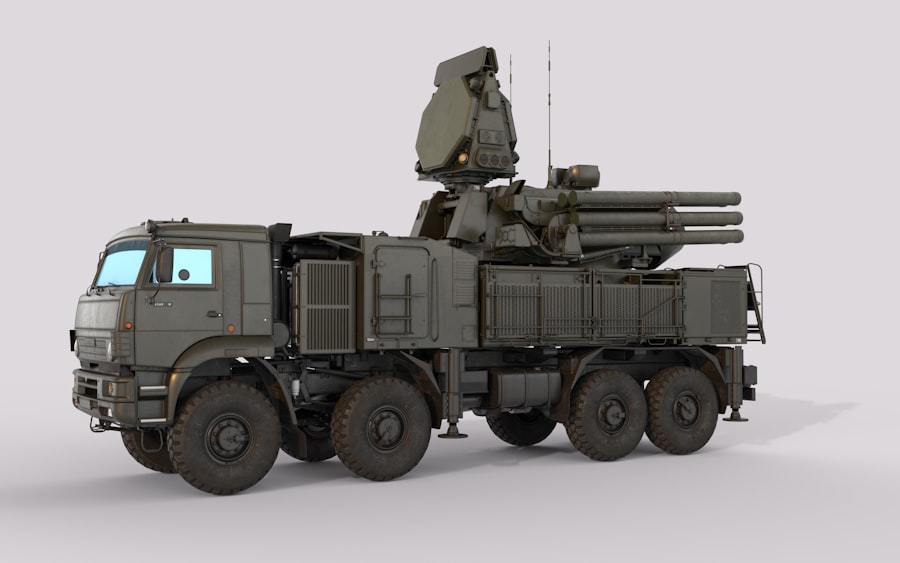
The effectiveness of the Pantsir-S1 is significantly enhanced when integrated with other air defense systems operating in the Arctic. A multi-layered defense strategy that combines various platforms allows for a more comprehensive approach to airspace security. For instance, long-range radar systems can provide early warning capabilities that complement the short-range engagement features of the Pantsir-S1.
Furthermore, interoperability between different military branches is essential for maximizing operational effectiveness. By ensuring that communication systems are compatible across platforms, forces can share critical information in real-time, allowing for coordinated responses to aerial threats.
Case Studies of Pantsir-S1 in Action in the Arctic
Several case studies illustrate the successful deployment of the Pantsir-S1 system in Arctic operations. One notable example occurred during joint military exercises conducted by Russian forces in the northern regions. The exercises showcased the system’s ability to engage multiple aerial targets simultaneously while operating under challenging weather conditions.
Observers noted that the Pantsir-S1 effectively neutralized simulated threats, demonstrating its reliability as a key component of Arctic air defense. Another case study involved a real-world scenario where the Pantsir-S1 was deployed to protect critical infrastructure in an Arctic port facility. The system’s rapid response capabilities were put to the test when unidentified aerial vehicles were detected approaching the facility.
Future Developments and Upgrades for Pantsir-S1 in Arctic Air Defense
As military technology continues to evolve, so too must the capabilities of systems like the Pantsir-S1. Future developments may include enhancements to its radar systems to improve target detection ranges and accuracy in adverse weather conditions typical of the Arctic environment. Additionally, upgrades could focus on integrating artificial intelligence algorithms that enhance decision-making processes during engagements.
Moreover, as unmanned aerial vehicles (UAVs) become increasingly prevalent on modern battlefields, adapting the Pantsir-S1 to counter these emerging threats will be essential. Future iterations may incorporate advanced counter-drone technologies that allow for effective engagement of UAVs while maintaining readiness against traditional aerial threats.
International Collaboration in Arctic Air Defense with Pantsir-S1
International collaboration plays a vital role in enhancing Arctic air defense capabilities involving systems like the Pantsir-S1. As nations recognize the shared challenges posed by increased military activity in the region, joint exercises and information-sharing initiatives become essential components of effective defense strategies. Collaborative efforts can lead to improved interoperability between allied forces operating within Arctic territories.
Furthermore, partnerships with other countries can facilitate research and development efforts aimed at enhancing existing systems like the Pantsir-S1. By pooling resources and expertise, nations can work together to address common security concerns while fostering diplomatic relations that contribute to regional stability.
Environmental Considerations for Operating Pantsir-S1 in the Arctic
Operating military systems like the Pantsir-S1 in the Arctic necessitates careful consideration of environmental impacts. The fragile ecosystem of this region requires that military operations be conducted with minimal disruption to wildlife and natural habitats. As such, training exercises should incorporate environmental assessments to ensure compliance with regulations aimed at protecting sensitive areas.
Additionally, advancements in sustainable technologies could be explored to reduce the carbon footprint associated with military operations in the Arctic. Utilizing renewable energy sources or developing eco-friendly materials for equipment could contribute positively to environmental conservation efforts while maintaining operational effectiveness.
The Importance of Pantsir-S1 in Securing Arctic Airspace
In conclusion, the Pantsir-S1 system stands as a critical component of modern Arctic air defense strategies. Its ability to operate effectively under extreme conditions while providing rapid response capabilities makes it an invaluable asset for nations seeking to secure their interests in this strategically significant region. As geopolitical dynamics continue to evolve, ensuring robust air defense capabilities will be essential for maintaining sovereignty and stability in Arctic airspace.
The ongoing development and integration of advanced technologies into systems like the Pantsir-S1 will further enhance their effectiveness against emerging threats. By fostering international collaboration and prioritizing environmental considerations, nations can work together to create a comprehensive approach to Arctic security that balances military readiness with ecological responsibility. Ultimately, as tensions rise and competition increases in this vital area, systems like the Pantsir-S1 will play an indispensable role in safeguarding national interests and ensuring peace within Arctic territories.
The Pantsir-S1 Arctic air defense system has garnered attention for its advanced capabilities in extreme weather conditions, making it a crucial asset for nations operating in polar regions. For a deeper understanding of the strategic implications and operational effectiveness of such systems, you can read more in this related article on air defense technologies at In The War Room.
WATCH THIS! 🎬 America’s Nuclear City Was a Lie: The Russian Base That Made Iceworm Obsolete
FAQs
What is the Pantsir-S1 Arctic air defense system?
The Pantsir-S1 Arctic is a variant of the Pantsir-S1 air defense system specifically adapted for operations in Arctic and extreme cold weather conditions. It combines surface-to-air missiles and anti-aircraft artillery to provide short to medium-range air defense.
What are the main features of the Pantsir-S1 Arctic system?
The Pantsir-S1 Arctic features enhanced cold-weather capabilities, including special lubricants, heating systems, and materials designed to operate reliably in subzero temperatures. It integrates radar, electro-optical sensors, and missile and gun armaments to detect, track, and engage aerial threats.
What types of threats can the Pantsir-S1 Arctic defend against?
The system is designed to counter a variety of aerial threats such as aircraft, helicopters, drones, cruise missiles, and precision-guided munitions within its engagement range.
What is the operational range of the Pantsir-S1 Arctic air defense system?
The Pantsir-S1 Arctic typically has an effective missile engagement range of up to 20 kilometers and an altitude engagement capability of up to 15 kilometers, similar to the standard Pantsir-S1 system.
How is the Pantsir-S1 Arctic adapted for Arctic conditions?
Adaptations include reinforced insulation, heating elements for critical components, cold-resistant lubricants, and modifications to electronics and sensors to ensure functionality in extreme cold, ice, and snow environments.
Who manufactures the Pantsir-S1 Arctic air defense system?
The Pantsir-S1 Arctic is manufactured by the Russian defense company KBP Instrument Design Bureau, which specializes in air defense and missile systems.
Where is the Pantsir-S1 Arctic typically deployed?
It is deployed in Arctic regions where Russia maintains military presence, providing air defense coverage for strategic installations, military bases, and critical infrastructure in harsh northern climates.
Can the Pantsir-S1 Arctic operate autonomously?
The system can operate in both autonomous and networked modes, integrating with other air defense assets for coordinated threat detection and engagement.
What kind of mobility does the Pantsir-S1 Arctic have?
The system is typically mounted on tracked or wheeled chassis adapted for Arctic terrain, allowing it to maneuver over snow and ice-covered surfaces.
Has the Pantsir-S1 Arctic been used in any military operations?
As of now, the Pantsir-S1 Arctic is primarily deployed for defensive purposes in Arctic regions, with no widely reported combat engagements publicly confirmed.