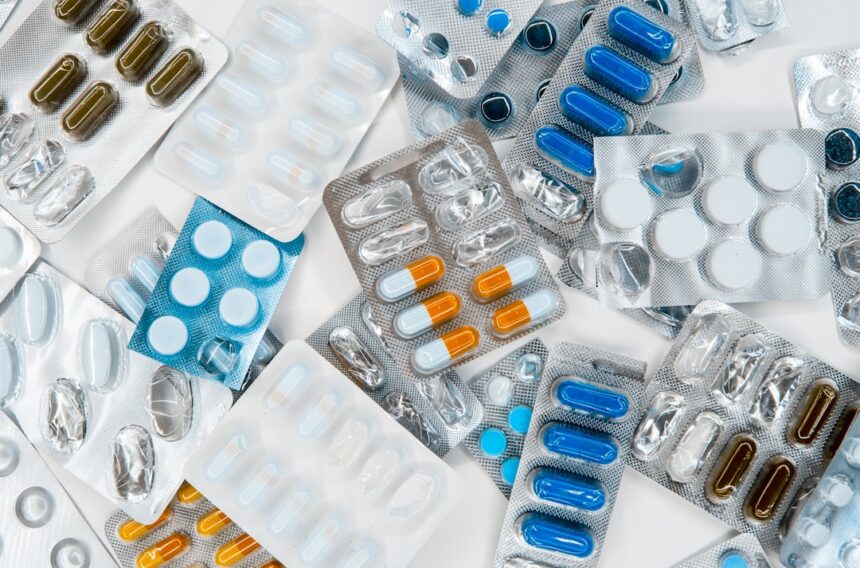
The widespread use of antibiotics in industrial meat production has evolved into a significant factor impacting both agricultural practices and global health. Originally conceived as a revolutionary tool to combat bacterial infections, antibiotics have transitioned from therapeutic agents to promoters of growth and disease prevention in livestock. This shift, while initially driven by a desire for efficiency and increased output, has introduced a cascade of complex issues, demanding careful consideration and a nuanced understanding of their industrial footprint.
The advent of antibiotics in the mid-20th century marked a paradigm shift in medicine. Penicillin, discovered by Alexander Fleming in 1928 and later mass-produced, demonstrated remarkable efficacy against bacterial infections. Its success quickly extended beyond human medicine, with researchers observing its potential in animal agriculture.
Early Discoveries and Applications
The initial application of antibiotics in animal feed was serendipitous, stemming from observations of improved animal growth in environments where antibiotics were present. Early research indicated that certain antibiotics could not only treat infections in animals but also promote faster weight gain and improve feed conversion efficiency. This discovery opened a new frontier in livestock management, promising enhanced productivity and economic benefits for the burgeoning industrial agriculture sector.
The Rise of Sub-therapeutic Dosing
Sub-therapeutic doses of antibiotics, meaning amounts lower than those used to treat infections, became a cornerstone of industrial animal husbandry. These low-level, continuous administrations were believed to suppress the growth of less virulent bacteria in the gut, thereby reducing competition for nutrients and allowing the host animal to utilize feed more effectively. This practice was particularly attractive in crowded living conditions inherent to industrial farming, where the risk of disease transmission is heightened.
Economic Drivers and Agricultural Practices
The economic incentives for antibiotic use were substantial. Increased growth rates meant animals reached market weight faster, allowing for more cycles of production within a given timeframe. Improved feed efficiency translated directly into lower production costs. Furthermore, the perceived ability to prevent disease outbreaks in dense animal populations offered a layer of security to large-scale operations, reducing the financial risk associated with widespread illness. This confluence of factors led to the deep integration of antibiotics into the daily routines of modern meat production.
The use of antibiotics in industrial meat production has raised significant concerns regarding public health and antibiotic resistance. A related article that delves into this issue is available at this link. It explores the implications of antibiotic use in livestock, the potential risks to human health, and the ongoing debates surrounding regulatory measures to mitigate these risks. Understanding the intersection of agriculture and health is crucial as we navigate the challenges posed by antibiotic resistance in our food supply.
Mechanisms of Antibiotic Use in Meat Production
Antibiotics in meat production are employed through several distinct methods, each serving specific purposes within the industrial complex. Understanding these mechanisms is crucial to grasping the scale and nature of their application.
Growth Promotion
One of the primary drivers for antibiotic use historically has been their efficacy as growth promoters. The sub-therapeutic levels administered in feed were theorized to alter the gut microbiome of animals, creating an environment that favors nutrient absorption and inhibits the growth of bacteria that might otherwise divert energy from growth.
Gut Microbiome Modification
The gut of livestock, like that of humans, is a complex ecosystem teeming with bacteria. When antibiotics are present, they can selectively inhibit or eliminate certain bacterial species. While this can reduce the population of potentially harmful bacteria, it also has a profound impact on the beneficial bacteria that aid in digestion and nutrient assimilation. The delicate balance of this microbiome can be disrupted, leading to cascading effects on the animal’s health and growth.
Efficiency Gains
The purported efficiency gains from growth promotion were significant. Animals could reach slaughter weight with less feed, a direct reduction in operational costs. This made intensive farming practices more economically viable and contributed to the affordability of meat for consumers. However, the long-term consequences of this approach began to emerge as a concern.
Disease Prevention (Prophylaxis and Metaphylaxis)
Beyond growth promotion, antibiotics are used extensively for disease prevention. In large-scale, high-density animal facilities, the risk of disease spreading rapidly is a constant threat. Antibiotics are deployed to minimize this risk and maintain herd health.
Prophylactic Use
Prophylaxis involves the routine administration of antibiotics to healthy animals to prevent them from contracting infections. This is often done when animals are introduced to a new environment, transported, or during periods of stress, such as weaning. The assumption here is that by maintaining a low level of antibiotic presence, the animals are less susceptible to any lurking pathogens.
Metaphylactic Use
Metaphylaxis, a strategy employed when disease is already present or suspected in a group of animals, involves treating the entire group, including those not yet showing symptoms. The rationale is to prevent the spread of infection from affected individuals to the rest of the population. This approach aims to control outbreaks before they gain a significant foothold, a critical concern in tightly packed animal housing.
Therapeutic Treatment
While the focus has shifted to sub-therapeutic and preventive uses in industrial settings, antibiotics remain essential for treating sick animals. When an animal develops a bacterial infection, targeted antibiotic therapy is administered to cure the illness and prevent its spread within the herd or flock.
Targeted Interventions
This form of antibiotic use is similar to that in human medicine, where specific antibiotics are chosen based on the identified pathogen and its susceptibility. The goal is to eradicate the infection with minimal disruption to the animal and the rest of the herd. However, the broader context of antibiotic use can sometimes complicate these therapeutic interventions.
Impact on Overall Antibiotic Load
Even therapeutic use contributes to the overall antibiotic load within the agricultural system. While necessary for animal welfare, it is part of a larger picture of antibiotic prevalence that has significant implications for resistance.
Industrial Impact: Scale and Scope
The industrial scale of meat production necessitates a commensurately large-scale application of antibiotics. This has led to a pervasive presence of these drugs throughout the agricultural system, with considerable implications for various stakeholders.
Magnitude of Usage
The sheer volume of antibiotics used in livestock globally is staggering. Estimates vary by region, but the quantities are often measured in thousands of tons annually. This usage dwarfs the volume of antibiotics consumed by humans in many developed nations, highlighting the significant role animal agriculture plays in the global antibiotic market.
Global Consumption Statistics
Data from organizations like the World Health Organization (WHO) and the Food and Drug Administration (FDA) consistently point to animal agriculture as a major consumer of antibiotics. This is not surprising given the number of animals raised for food and the industry’s reliance on these drugs for efficient production.
Regional Variations in Usage Patterns
Antibiotic usage patterns and regulations differ significantly across countries and continents. Some regions have more robust oversight and have begun to restrict or phase out non-essential antibiotic use, while others continue to rely heavily on these practices for economic reasons. These variations create a complex global landscape for antibiotic stewardship.
Economic Implications
The economic ramifications of antibiotic use in meat production are multifaceted, influencing farm profitability, consumer prices, and the broader pharmaceutical industry.
Cost-Benefit Analysis for Producers
For individual producers, the perceived cost-benefit of using antibiotics is often favorable. The increased efficiency and reduced risk of disease can translate into higher profits. This economic incentive is a powerful force that shapes agricultural practices and influences willingness to adopt alternative methods.
Influence on Meat Prices
The efficiencies gained through antibiotic use have historically contributed to lower meat prices for consumers. This affordability has, in turn, driven demand, creating a feedback loop that reinforces the industrial model of production. However, the long-term costs associated with antibiotic resistance may ultimately outweigh these short-term economic advantages.
The Pharmaceutical Industry’s Role
The pharmaceutical industry plays a critical role in this ecosystem, developing and supplying the antibiotics used in livestock. The market for these animal health products is substantial, creating a vested interest in the continued use of antibiotics in agriculture.
Environmental Considerations
The environmental footprint of antibiotic use extends beyond the farm gate. Residues in animal waste and agricultural runoff can impact soil and water ecosystems, with potential consequences for biodiversity and human health.
Antibiotic Residues in Manure and Soil
When animals excrete antibiotics, these compounds enter the manure. This manure is often used as fertilizer, introducing antibiotic residues into agricultural soils. Over time, these residues can accumulate, potentially affecting soil microbial communities and offering a reservoir for antibiotic resistance genes.
Contamination of Waterways
Runoff from farms can carry antibiotic residues and resistant bacteria into rivers, lakes, and groundwater. This contamination can impact aquatic life and potentially expose human populations to antibiotic resistance through contaminated drinking water or the consumption of contaminated fish.
The Emergence of Antibiotic Resistance
Perhaps the most significant and far-reaching consequence of widespread antibiotic use in meat production is the accelerating crisis of antibiotic resistance. This phenomenon threatens to undermine the efficacy of these life-saving drugs, posing a global public health emergency.
The Mechanism of Resistance
Bacteria, through natural selection, can evolve resistance to antibiotics. When antibiotics are used, susceptible bacteria are killed, but any bacteria that possess a gene conferring resistance are able to survive and multiply. Repeated exposure to antibiotics creates an environment where resistant strains become dominant.
Natural Selection and Mutation
Bacteria reproduce rapidly, and their genetic material is subject to random mutations. Some of these mutations can confer resistance to antibiotics. When antibiotics are present, these resistant mutations provide a survival advantage, allowing the resistant bacteria to outcompete their susceptible counterparts.
Horizontal Gene Transfer
Bacteria can also acquire resistance genes from other bacteria through a process called horizontal gene transfer. This can occur through various mechanisms, such as conjugation (transfer of genetic material through direct cell-to-cell contact), transformation (uptake of free DNA from the environment), and transduction (transfer of genetic material via viruses). This means that resistance can spread rapidly within and between bacterial populations, even across different species.
Impact on Human Health
The rise of antibiotic-resistant bacteria, often referred to as “superbugs,” has profound implications for human health. Infections that were once easily treated are becoming increasingly difficult, and sometimes impossible, to manage.
Increased Morbidity and Mortality
Infections caused by antibiotic-resistant bacteria are associated with longer hospital stays, higher treatment costs, and increased rates of sickness and death. For individuals with weakened immune systems, such as the elderly, young children, and those undergoing chemotherapy, these infections can be particularly deadly.
Limitations on Medical Procedures
The effectiveness of many modern medical procedures, including surgery, organ transplantation, and chemotherapy, relies on the availability of effective antibiotics to prevent and treat infections. As resistance grows, these procedures become riskier, potentially leading to a rollback of medical advancements.
The “Post-Antibiotic Era” Threat
Medical professionals warn of a potential “post-antibiotic era,” where common bacterial infections could once again become untreatable, leading to a significant increase in preventable deaths. The choices made in agriculture today have a direct bearing on this future.
The Agricultural Link to Human Resistance
The connection between antibiotic use in animal agriculture and the rise of antibiotic resistance in humans is well-established. Resistant bacteria originating in livestock can spread to humans through various pathways.
Direct Contact and Occupational Exposure
Farm workers and individuals who have direct contact with livestock are at increased risk of exposure to antibiotic-resistant bacteria. This can occur through handling animals, cleaning facilities, or coming into contact with contaminated materials.
Contaminated Food Products
Resistant bacteria can contaminate meat products during slaughter and processing. If these products are not handled or cooked properly, consumers can be exposed to these resistant strains. This highlights the importance of consumer awareness and food safety practices.
Environmental Pathways
As previously discussed, antibiotic residues and resistant bacteria can enter the environment through manure and water runoff. These environmental reservoirs can then serve as a source of transmission to humans through contaminated water or soil.
The use of antibiotics in industrial meat production has raised significant concerns regarding public health and the development of antibiotic-resistant bacteria. A related article discusses the implications of this practice and highlights the need for stricter regulations in the industry. For more insights, you can read the article here, which explores the impact of antibiotic use on both livestock and human health. This ongoing issue emphasizes the importance of finding sustainable alternatives to ensure food safety and protect consumer well-being.
Regulatory Responses and Mitigation Strategies
| Metric | Value | Unit | Notes |
|---|---|---|---|
| Global Antibiotic Use in Livestock | 73,000 | tons/year | Estimated total use in 2017 |
| Percentage of Antibiotics Used for Growth Promotion | 70 | % | Estimated proportion in some countries |
| Increase in Antibiotic Use (2017-2030 projected) | 11.5 | % | Projected global increase |
| Common Antibiotics Used | Penicillins, Tetracyclines, Macrolides | N/A | Most frequently used classes |
| Antibiotic Residue Limits in Meat | Varies by country | mg/kg | Regulated maximum residue limits (MRLs) |
| Percentage of Meat Samples with Antibiotic Residues | 5-20 | % | Varies by region and testing methods |
| Impact on Antibiotic Resistance | Significant | N/A | Contributes to development of resistant bacteria |
Recognizing the escalating threat of antibiotic resistance, regulatory bodies, agricultural industries, and public health organizations are increasingly implementing measures to curb the non-essential use of antibiotics in meat production.
Phasing Out Growth Promoters
Many countries and regions have taken steps to ban or restrict the use of antibiotics for growth promotion in livestock. This is a critical first step in reducing the overall antibiotic load in agriculture.
International Agreements and Guidelines
International organizations like the WHO have issued guidelines advocating for the responsible use of antibiotics in both human and animal health. These guidelines aim to foster global cooperation and establish best practices.
National and Regional Policies
Numerous countries have enacted legislation to ban or limit the use of specific antibiotics for growth promotion. The European Union, for example, has had a ban on antibiotic growth promoters in place for many years.
Promoting Responsible Use and Alternatives
Beyond outright bans, efforts are underway to promote more judicious antibiotic use and to develop and implement alternative strategies for disease prevention and management.
Veterinary Oversight and Prudent Prescription
Emphasizing strict veterinary oversight for all antibiotic prescriptions is paramount. Antibiotics should only be used when a bacterial infection is confirmed or strongly suspected, and the choice of antibiotic should be guided by susceptibility testing.
Improved Biosecurity and Hygiene
Implementing robust biosecurity measures on farms can significantly reduce the risk of disease introduction and spread. This includes strict controls on animal movement, visitor access, and the sanitation of facilities and equipment. Enhanced hygiene practices are a cornerstone of preventing infections without relying on antibiotics.
Vaccination Programs
Developing and utilizing effective vaccination programs for livestock can provide immunity against common bacterial and viral diseases, thereby reducing the need for antibiotic treatment. A well-vaccinated herd is a healthier herd.
Probiotics and Prebiotics
The use of probiotics (beneficial microorganisms) and prebiotics (substances that promote the growth of beneficial bacteria) can help to modulate the gut microbiome, improve animal health, and enhance immune function. These can serve as valuable alternatives to sub-therapeutic antibiotic use.
Nutritional Management and Stress Reduction
Optimizing animal nutrition and minimizing stress through appropriate housing, handling, and environmental enrichment can bolster their immune systems and make them less susceptible to disease. A healthy animal is a resilient animal.
Enhanced Surveillance and Stewardship Programs
The establishment of robust surveillance systems to track antibiotic use and resistance patterns, coupled with comprehensive stewardship programs, is essential for effective management.
Monitoring Antibiotic Consumption
Detailed monitoring of antibiotic consumption in the agricultural sector, broken down by animal species and type of antibiotic, provides crucial data for identifying trends and evaluating the impact of interventions.
Tracking Antibiotic Resistance
Surveillance of antibiotic resistance in both animal and human populations is vital for understanding the evolution and spread of resistant bacteria. This data informs public health strategies and guides the development of new treatments.
Antibiotic Stewardship Committees
The formation of antibiotic stewardship committees within veterinary practices and agricultural organizations can provide expert guidance and promote best practices for antibiotic use. These groups can champion responsible prescribing and advocate for evidence-based approaches.
The Future Trajectory: Towards Sustainable Agriculture
The journey of antibiotics in meat production has exposed a complex interplay between scientific advancement, economic pressures, and public health. The path forward necessitates a fundamental re-evaluation of agricultural practices to ensure both food security and the preservation of essential medicines.
Shifting Industry Paradigms
The agricultural industry is at a crossroads. The traditional model, heavily reliant on antibiotics, is proving unsustainable in the face of mounting resistance. A transition towards more sustainable and resilient farming systems is not just desirable, but imperative.
Embracing Alternative Farming Models
Exploring and adopting farming models that prioritize animal welfare, reduce stocking densities, and enhance natural immunity can lessen the reliance on antibiotics. This may include systems that allow for more natural behaviors and environments.
Investment in Research and Development
Continued investment in research and development is crucial for identifying novel approaches to disease prevention and treatment in livestock. This includes exploring new antimicrobial classes, phage therapy, and advanced diagnostic tools.
Consumer Demand and Public Awareness
Educating consumers about the implications of antibiotic use in meat production and fostering demand for sustainably raised products can be a powerful catalyst for change.
The Power of Consumer Choice
Consumers, through their purchasing decisions, can exert significant influence on agricultural practices. Choosing meat from farms that prioritize responsible antibiotic use or avoid it altogether sends a clear message to producers.
Transparency and Labeling
Greater transparency in antibiotic use, through clear labeling and accessible information, empowers consumers to make informed choices. Understanding what they are buying is a fundamental right.
Global Collaboration and Policy Evolution
Addressing the global challenge of antibiotic resistance requires concerted international efforts and adaptable policy frameworks.
International Cooperation on Resistance Monitoring
Strengthening international collaboration for the monitoring and reporting of antibiotic use and resistance is essential for a coordinated global response. Sharing data and best practices can accelerate progress.
Adaptive Regulatory Frameworks
Regulatory frameworks need to be dynamic and responsive to evolving scientific understanding and the emergence of new challenges. This involves continuous review and adaptation of policies related to antibiotic use in agriculture.
The story of antibiotics in meat production is a powerful illustration of how innovation, when unchecked by careful consideration of its broader consequences, can sow the seeds of unintended and significant problems. The challenge ahead is to leverage our scientific understanding and collective will to cultivate a future where food production operates in harmony with public health, ensuring that the tools that once saved lives remain effective for generations to come.
▶️ Your Pantry Is A Lie: 33 Secrets Big Food Is Hiding From You
FAQs
What role do antibiotics play in industrial meat production?
Antibiotics are used in industrial meat production primarily to prevent and treat bacterial infections in livestock. They can also promote faster growth and improve feed efficiency in some cases.
Why is the use of antibiotics in meat production a concern?
The widespread use of antibiotics in meat production can contribute to the development of antibiotic-resistant bacteria, which may pose a risk to human health by making infections harder to treat.
Are antibiotics used in all types of meat production?
Antibiotic use varies by type of livestock and production system. While antibiotics are commonly used in industrial-scale operations, some producers use them sparingly or not at all, especially in organic or antibiotic-free meat production.
How do regulations address antibiotic use in meat production?
Many countries have regulations that restrict or monitor the use of antibiotics in livestock, including bans on using antibiotics for growth promotion and requirements for veterinary oversight to ensure responsible use.
Can antibiotic residues be found in meat products?
Regulatory agencies set maximum residue limits for antibiotics in meat to ensure safety. Proper withdrawal periods before slaughter help minimize residues, making meat products safe for consumption when regulations are followed.