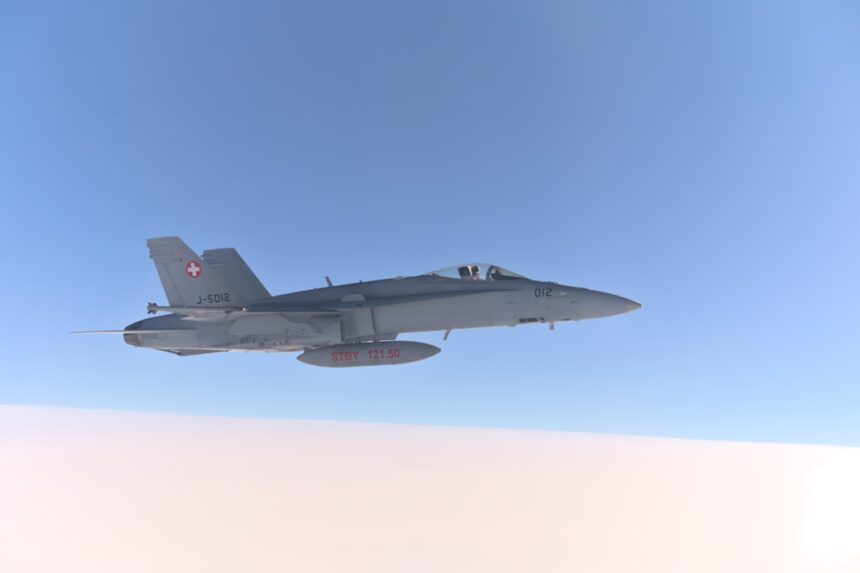
The evolution of air combat has been significantly influenced by advancements in radar technology, particularly the development of look-down shoot-down capability. This capability allows an aircraft to detect and engage targets flying below its altitude, a critical advantage in modern aerial warfare. The ability to identify and track low-flying threats, such as enemy aircraft or cruise missiles, while simultaneously maintaining situational awareness of the battlefield is paramount for air superiority.
As military strategies evolve, the importance of this capability becomes increasingly evident, especially in the context of high-stakes engagements where split-second decisions can determine the outcome of a conflict. Among the aircraft that exemplify this capability is the Sukhoi Su-27, a formidable fighter jet that has been a cornerstone of air forces around the world since its introduction. The Su-27’s design incorporates advanced radar systems that enable it to perform look-down shoot-down operations effectively.
This article delves into the intricacies of the Su-27’s radar system, the significance of look-down shoot-down capability in air combat, and the implications for future aerial engagements.
Key Takeaways
- The Su-27’s radar system enables effective look-down shoot-down capability, crucial for detecting low-flying targets against ground clutter.
- Look-down shoot-down capability significantly enhances air combat effectiveness by allowing engagement of targets below the aircraft’s altitude.
- Despite its advantages, look-down shoot-down capability faces challenges such as ground clutter interference and electronic countermeasures.
- The Su-27 demonstrates strong combat performance with its radar system, outperforming many contemporaries in look-down shoot-down scenarios.
- Ongoing upgrades and specialized training are essential to maximize the Su-27’s radar potential and adapt to evolving air combat tactics.
Understanding the Su-27’s Radar System
The Su-27 is equipped with a sophisticated radar system known as the N001 V004, which plays a crucial role in its operational effectiveness. This radar employs a pulse-Doppler technology that allows it to distinguish between moving and stationary objects, thereby enhancing its target detection capabilities. The radar can operate in various modes, including search, track, and engagement modes, which are essential for identifying and engaging multiple targets simultaneously.
This versatility is particularly beneficial in complex combat scenarios where threats may emerge from various directions. Moreover, the radar system’s ability to filter out ground clutter is vital for look-down shoot-down operations. By utilizing Doppler processing techniques, the Su-27 can effectively differentiate between low-flying targets and the clutter generated by terrain or other obstacles.
This capability not only improves target acquisition but also enhances the pilot’s situational awareness, allowing for more informed decision-making during engagements. The integration of such advanced radar technology into the Su-27’s design underscores its role as a premier air superiority fighter. Learn about the fascinating story of a Soviet radar engineer espionage Cold War operation that changed history.
Importance of Look-Down Shoot-Down Capability in Air Combat
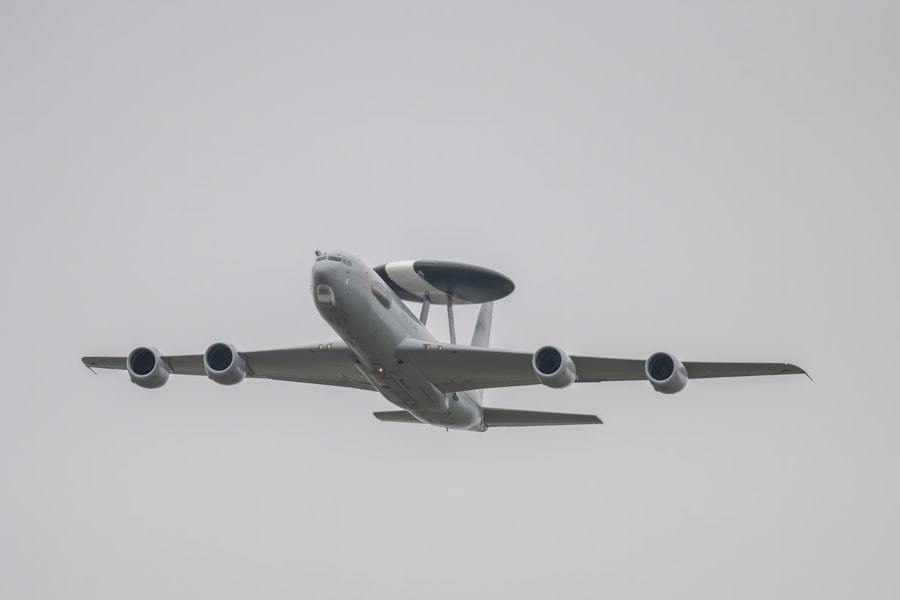
In modern air combat, the ability to engage low-flying targets is increasingly critical due to the proliferation of advanced weaponry and tactics employed by adversaries. Look-down shoot-down capability provides a tactical edge by enabling fighters to intercept threats that may otherwise evade detection by traditional radar systems. This capability is particularly relevant in scenarios involving ground attack missions or engagements against stealthy aircraft that attempt to operate at lower altitudes to avoid radar detection.
Furthermore, look-down shoot-down capability enhances an aircraft’s survivability in contested environments. By being able to detect and engage threats from above, pilots can maintain a strategic advantage over adversaries who may rely on low-altitude maneuvers to evade detection. This dynamic shifts the balance of power in aerial engagements, making it imperative for modern fighter jets like the Su-27 to possess robust look-down shoot-down capabilities to ensure dominance in the skies.
How the Su-27’s Radar System Detects and Tracks Targets
The Su-27’s radar system employs a combination of advanced signal processing techniques and antenna configurations to detect and track targets effectively. The pulse-Doppler radar operates by emitting pulses of radio waves that bounce off objects in its path. When these waves return to the radar system, they provide critical information about the distance, speed, and direction of potential targets.
This data is then processed to create a comprehensive picture of the airspace surrounding the aircraft. One of the key features of the Su-27’s radar is its ability to operate in look-down mode, which is essential for engaging low-flying targets. In this mode, the radar can filter out ground clutter while focusing on airborne threats.
The system utilizes Doppler frequency shifts to distinguish between moving targets and stationary background noise, allowing it to maintain accurate tracking even in challenging environments. This capability is particularly advantageous when engaging enemy aircraft attempting to fly at low altitudes to avoid detection.
Advantages of Look-Down Shoot-Down Capability
| Parameter | Value | Unit | Description |
|---|---|---|---|
| Radar Type | N001 Myech | – | Phased array pulse-Doppler radar |
| Detection Range (Look-down) | 80 | km | Maximum detection range against low-flying targets |
| Tracking Range (Look-down) | 50 | km | Effective tracking range for low-altitude targets |
| Target Velocity Limit | 4,000 | km/h | Maximum target speed for reliable tracking |
| Minimum Target Altitude | 10 | m | Lowest altitude for effective look-down detection |
| Missile Compatibility | R-27R/ER, R-73 | – | Air-to-air missiles used for look-down shoot-down engagements |
| Engagement Envelope | 20-80 | km | Effective missile engagement range in look-down mode |
| Electronic Counter-Countermeasures (ECCM) | Advanced | – | Radar resistance to jamming and deception |
| Probability of Kill (Pk) | 0.7 – 0.85 | – | Estimated kill probability in look-down shoot-down scenarios |
| Operational Altitude Range | 0 – 20,000 | m | Altitude range for effective look-down shoot-down operations |
The advantages of look-down shoot-down capability are manifold and significantly enhance an aircraft’s operational effectiveness. One primary benefit is the increased range of engagement against low-flying threats. By being able to detect and track targets from higher altitudes, pilots can engage adversaries before they have a chance to launch their weapons or maneuver into advantageous positions.
This proactive approach can be crucial in preventing enemy attacks and maintaining air superiority. Additionally, look-down shoot-down capability allows for greater flexibility in combat operations. Pilots can engage multiple targets simultaneously while remaining aware of their surroundings, enabling them to adapt quickly to changing battlefield conditions.
This adaptability is essential in modern warfare, where threats can emerge rapidly and from unexpected directions. The ability to maintain situational awareness while engaging low-altitude targets provides a significant tactical advantage that can influence the outcome of aerial engagements.
Challenges and Limitations of Look-Down Shoot-Down Capability
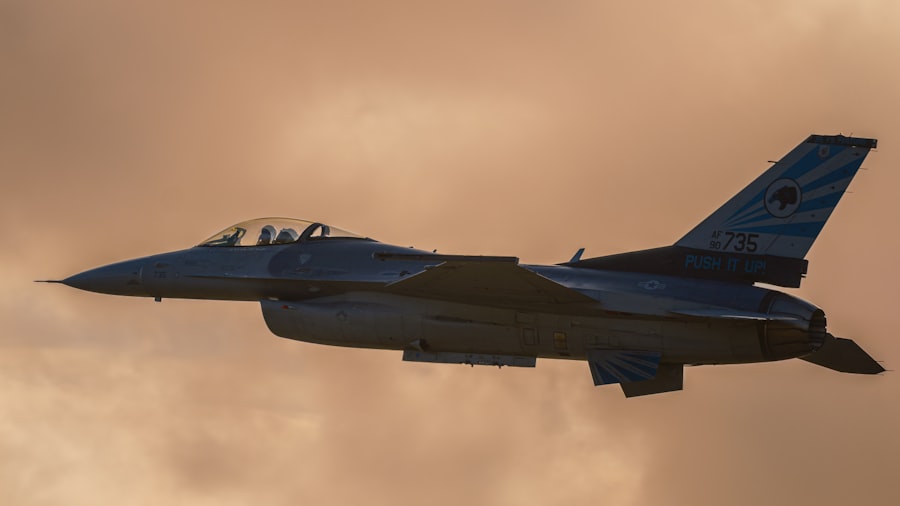
Despite its numerous advantages, look-down shoot-down capability is not without challenges and limitations. One significant hurdle is the potential for false alarms or misidentifications when operating in cluttered environments. Ground clutter can sometimes be mistaken for airborne targets, leading to erroneous tracking or engagement decisions.
This risk necessitates highly trained pilots who can interpret radar data accurately and make informed decisions based on situational awareness. Moreover, adverse weather conditions can impact the effectiveness of look-down shoot-down operations. Rain, fog, or other atmospheric phenomena can degrade radar performance, making it more challenging to detect low-flying targets.
In such scenarios, pilots may need to rely on alternative methods of target acquisition, such as visual identification or data from other aircraft or ground-based systems. These limitations highlight the importance of comprehensive training and tactics that account for various operational environments.
Su-27’s Combat Performance in Look-Down Shoot-Down Scenarios
The Su-27 has demonstrated impressive combat performance in look-down shoot-down scenarios throughout its operational history. Its advanced radar system has allowed pilots to engage low-flying threats effectively while maintaining situational awareness of the broader battlefield. In various conflicts, Su-27 pilots have successfully intercepted enemy aircraft attempting to exploit low-altitude tactics, showcasing the aircraft’s capabilities in real-world engagements.
Training scenarios often emphasize the importance of utilizing radar data effectively while managing multiple targets simultaneously. The results have consistently shown that pilots equipped with a thorough understanding of their aircraft’s capabilities can leverage look-down shoot-down technology to gain a decisive advantage over adversaries.
Comparison with Other Aircraft’s Look-Down Shoot-Down Capability
When comparing the Su-27’s look-down shoot-down capability with that of other contemporary fighter jets, several distinctions emerge. Many modern aircraft have adopted similar radar technologies; however, variations in design philosophy and operational focus can lead to differences in effectiveness. For instance, Western fighters like the F-15 and F/A-18 also possess advanced radar systems capable of look-down shoot-down operations but may prioritize different aspects such as multi-role versatility or stealth features.
The Su-27 stands out due to its combination of agility, range, and powerful radar capabilities. While some aircraft may excel in specific areas such as stealth or electronic warfare, the Su-27’s robust performance across various combat scenarios makes it a formidable opponent in look-down shoot-down engagements. This versatility allows it to adapt to different mission profiles while maintaining its effectiveness against low-flying threats.
Future Developments and Upgrades for the Su-27’s Radar System
As military technology continues to advance, there are ongoing efforts to enhance the Su-27’s radar system further. Future developments may include upgrades that incorporate more advanced signal processing algorithms and improved antenna designs to enhance target detection capabilities in cluttered environments. These upgrades aim to address some of the limitations currently faced by existing systems while ensuring that the Su-27 remains competitive against emerging threats.
Additionally, integrating new technologies such as artificial intelligence could revolutionize how radar data is processed and interpreted. AI-driven systems could assist pilots in identifying potential threats more accurately and rapidly while reducing cognitive workload during high-stress combat situations. Such advancements would not only improve the Su-27’s look-down shoot-down capabilities but also enhance overall mission effectiveness in increasingly complex operational environments.
Training and Tactics for Utilizing Look-Down Shoot-Down Capability
Effective training and tactics are essential for maximizing the potential of look-down shoot-down capability in combat scenarios. Pilots must undergo rigorous training programs that emphasize not only technical proficiency with their aircraft’s radar systems but also strategic decision-making under pressure. Simulated exercises that replicate real-world combat conditions allow pilots to practice engaging low-flying targets while managing multiple threats simultaneously.
Moreover, developing tactics that leverage look-down shoot-down capabilities requires collaboration among various units within an air force. Coordinated operations involving multiple aircraft can enhance situational awareness and create opportunities for effective engagement against low-altitude threats. By fostering a culture of teamwork and communication among pilots and ground support personnel, air forces can optimize their use of look-down shoot-down technology in diverse combat scenarios.
Conclusion and Implications for Air Combat Strategies
In conclusion, look-down shoot-down capability represents a critical component of modern air combat strategies, significantly influencing how aerial engagements are conducted. The Sukhoi Su-27 exemplifies this capability through its advanced radar system and operational effectiveness against low-flying threats. As military technology continues to evolve, maintaining and enhancing this capability will be essential for ensuring air superiority in future conflicts.
The implications for air combat strategies are profound; as adversaries develop new tactics and technologies aimed at evading detection, air forces must adapt accordingly by investing in advanced radar systems and comprehensive training programs. The ongoing evolution of look-down shoot-down capabilities will undoubtedly shape the future landscape of aerial warfare, underscoring the importance of innovation and adaptability in maintaining dominance in the skies.
The Su-27’s look-down shoot-down capability is a critical aspect of its air superiority role, allowing it to engage low-flying targets effectively. For a deeper understanding of this capability and its implications in modern aerial combat, you can refer to a related article that discusses advanced fighter jet technologies and their operational effectiveness. Check it out here: Advanced Fighter Jet Technologies.
WATCH THIS! 🕵️ HE CHOSE BETRAYAL—And His Wife Paid the Price | The Billion Dollar Spy
FAQs
What is the look-down shoot-down capability of the Su-27?
The look-down shoot-down capability refers to the Su-27’s ability to detect, track, and engage low-flying targets against ground clutter using its radar and missile systems. This capability allows the aircraft to effectively target enemy aircraft flying at low altitudes.
How does the Su-27 achieve look-down shoot-down capability?
The Su-27 uses its powerful N001 Myech radar system, which can filter out ground clutter and detect low-altitude targets. Combined with its advanced air-to-air missiles, such as the R-27 and R-73, the Su-27 can engage targets flying below the radar horizon.
Why is look-down shoot-down capability important for fighter aircraft?
Look-down shoot-down capability is crucial because low-flying aircraft can evade radar detection by blending with ground returns. This capability enables fighters like the Su-27 to detect and engage such threats, enhancing air superiority and defense effectiveness.
What types of missiles does the Su-27 use for look-down shoot-down engagements?
The Su-27 typically employs medium-range semi-active radar homing missiles like the R-27R and R-27ER, as well as short-range infrared-guided missiles like the R-73. These missiles are effective against targets detected during look-down engagements.
How does the Su-27’s radar system support look-down shoot-down operations?
The N001 Myech radar on the Su-27 has look-down/shoot-down modes that use Doppler filtering to distinguish moving targets from stationary ground clutter. This capability allows the radar to detect and track low-flying aircraft effectively.
Can the Su-27 engage multiple targets simultaneously in look-down mode?
Yes, the Su-27’s radar and fire control systems can track multiple targets simultaneously, allowing the pilot to prioritize and engage several low-flying threats during combat.
How does the Su-27’s look-down shoot-down capability compare to other fighters of its era?
When introduced, the Su-27’s look-down shoot-down capability was on par with or superior to many Western fighters of the same generation, providing it with a significant advantage in detecting and engaging low-altitude targets.
What limitations does the Su-27 have in look-down shoot-down scenarios?
Limitations include radar range constraints due to ground clutter, electronic countermeasures by adversaries, and the pilot’s situational awareness. Additionally, weather and terrain can affect radar performance in look-down mode.
Has the Su-27’s look-down shoot-down capability been upgraded over time?
Yes, various modernized versions of the Su-27, such as the Su-27SM and Su-30, have received upgraded radar systems and avionics that enhance look-down shoot-down performance and overall combat effectiveness.
Why is understanding the Su-27’s look-down shoot-down capability important?
Understanding this capability provides insight into the aircraft’s combat strengths, its role in air superiority missions, and how it counters low-flying threats, which is essential for military analysts and aviation enthusiasts.