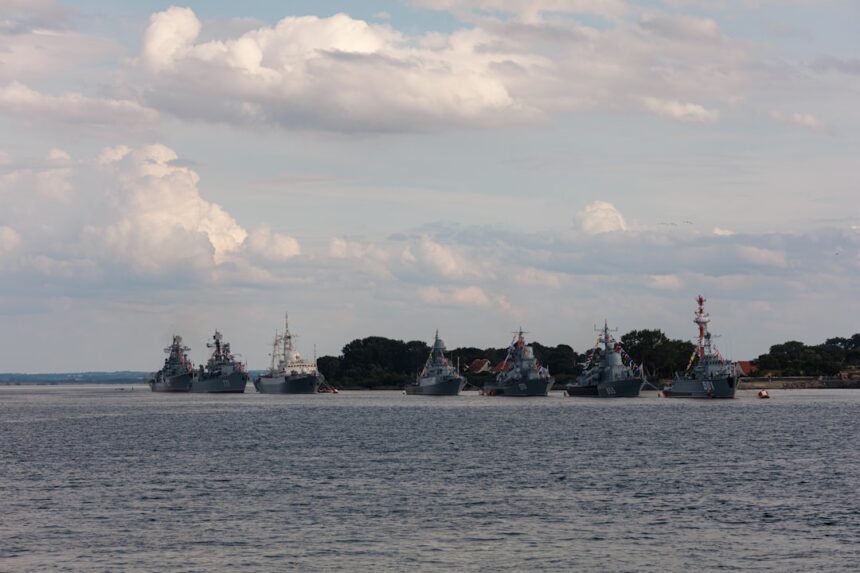
The American-Soviet naval confrontation originated in the post-World War II period when both nations emerged as dominant global powers with competing ideological systems. The United States promoted capitalist democracy while the Soviet Union advanced communist principles, creating fundamental disagreements about international governance and economic organization. The formation of opposing military alliances—NATO in 1949 and the Warsaw Pact in 1955—institutionalized this division and initiated a comprehensive arms race that encompassed naval forces.
Both superpowers understood that naval capabilities were essential for global influence and strategic security. The United States leveraged its established naval infrastructure to maintain presence in international waters and protect allied nations.
This competition involved not only fleet expansion but also advances in submarine technology, missile systems, and naval aviation. The resulting naval rivalry became a defining characteristic of Cold War geopolitics, influencing military strategy, alliance structures, and international maritime law for several decades.
Key Takeaways
- The American-Soviet naval confrontation was a critical aspect of Cold War tensions, rooted in competing global ambitions and military strategies.
- Naval power, including the deployment of submarines and surface fleets, played a central role in deterrence and crisis management during the Cold War.
- The Cuban Missile Crisis highlighted the strategic importance of naval blockades in enforcing geopolitical objectives without escalating to full-scale war.
- Naval intelligence and surveillance were vital for both superpowers to monitor each other’s movements and maintain a balance of power.
- The legacy of the naval confrontation influenced modern naval strategy, international maritime law, and ongoing military postures in contested regions like the Arctic.
The Role of Naval Power in the Cold War
Naval power played a pivotal role during the Cold War, serving as a critical component of both American and Soviet military strategies. For the United States, a strong navy was essential for maintaining global presence and ensuring freedom of navigation in international waters. The U.S. Navy’s ability to project power through aircraft carriers and submarines allowed it to respond swiftly to crises around the world. This capability was not only a deterrent against potential adversaries but also a means of supporting allies and protecting American interests abroad. Conversely, the Soviet Union recognized that a robust naval presence was vital for countering American influence. The Soviets invested heavily in expanding their navy, focusing on developing submarines and surface vessels capable of challenging U.S. naval supremacy. The Cold War saw an unprecedented expansion of naval forces on both sides, with each superpower striving to outdo the other in terms of technology and capabilities. This arms race at sea became emblematic of the broader ideological struggle, as both nations sought to demonstrate their superiority through naval prowess.
The Cuban Missile Crisis and Naval Blockade
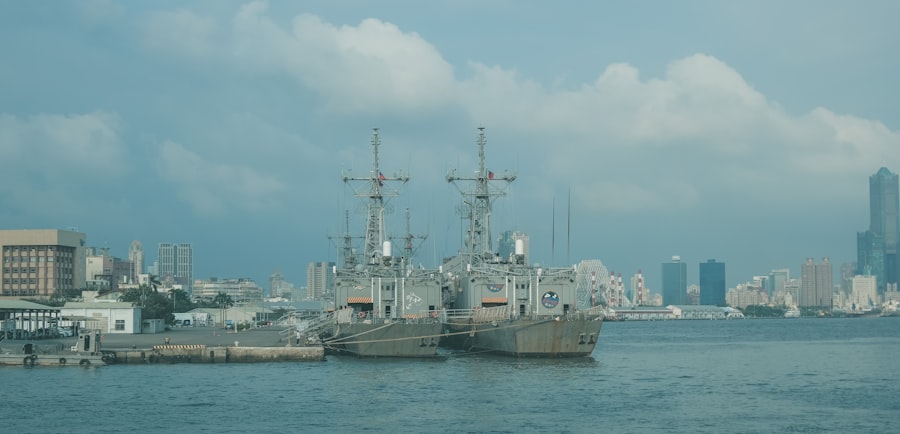
The Cuban Missile Crisis of October 1962 marked a significant turning point in the American-Soviet naval confrontation. When U.S. intelligence discovered Soviet missile installations in Cuba, President John F.
Kennedy faced a critical decision that would test his leadership and the resolve of the United States. In response to this perceived threat, Kennedy opted for a naval blockade, officially termed a “quarantine,” aimed at preventing further Soviet shipments of military equipment to Cuba. The blockade represented a bold assertion of American naval power and showcased the strategic importance of naval forces in crisis management.
U.S. Navy ships were deployed to enforce the blockade, creating a tense standoff between American and Soviet vessels in the Caribbean Sea. The world held its breath as both superpowers navigated this precarious situation, aware that any miscalculation could lead to catastrophic consequences.
Ultimately, diplomacy prevailed, and the crisis underscored the critical role that naval power played in both deterrence and conflict resolution during the Cold War.
The Arms Race at Sea
The arms race at sea during the Cold War was characterized by rapid advancements in naval technology and an ever-increasing focus on nuclear capabilities. Both the United States and the Soviet Union sought to develop fleets that could not only engage in conventional warfare but also deliver devastating nuclear strikes. This led to significant investments in aircraft carriers, destroyers, and submarines equipped with ballistic missiles capable of reaching targets across continents.
The introduction of nuclear-powered submarines revolutionized naval warfare, allowing for stealthy operations beneath the ocean’s surface. The U.S. Navy’s Polaris program and the Soviet Union’s Typhoon-class submarines exemplified this shift towards nuclear deterrence at sea.
As both nations expanded their fleets, they also engaged in intelligence-gathering operations to monitor each other’s capabilities, further intensifying the arms race. This relentless pursuit of naval superiority not only shaped military strategies but also influenced diplomatic relations between the two superpowers.
The Role of Submarines in the American-Soviet Naval Confrontation
| Year | Event | American Naval Strength | Soviet Naval Strength | Notable Incident |
|---|---|---|---|---|
| 1960 | Early Cold War Naval Posturing | 15 Aircraft Carriers, 300+ Submarines | 5 Aircraft Carriers, 200+ Submarines | Increased submarine patrols in Atlantic and Pacific |
| 1968 | USS Pueblo Incident | 16 Aircraft Carriers, 320 Submarines | 7 Aircraft Carriers, 220 Submarines | Soviet capture of USS Pueblo intelligence ship |
| 1972 | Naval Arms Buildup | 18 Aircraft Carriers, 350 Submarines | 10 Aircraft Carriers, 250 Submarines | Increased deployment of nuclear submarines |
| 1983 | Heightened Tensions | 22 Aircraft Carriers, 400 Submarines | 12 Aircraft Carriers, 280 Submarines | Naval exercises near Soviet waters |
| 1987 | INF Treaty and Naval De-escalation | 20 Aircraft Carriers, 380 Submarines | 11 Aircraft Carriers, 270 Submarines | Reduction in naval confrontations |
Submarines emerged as a central element in the American-Soviet naval confrontation, representing both a strategic asset and a symbol of technological prowess.
These vessels became crucial for second-strike capabilities, ensuring that even if one side suffered a nuclear attack, it could still retaliate effectively.
The Cold War saw an escalation in submarine warfare tactics, with both superpowers employing sophisticated technologies for detection and evasion. The U.S. Navy’s use of sonar systems and advanced tracking methods aimed to locate Soviet submarines, while the Soviets developed countermeasures to evade detection.
This cat-and-mouse game beneath the waves highlighted not only the strategic importance of submarines but also the lengths to which both nations would go to protect their national security interests.
The Proxy Wars and Naval Confrontation
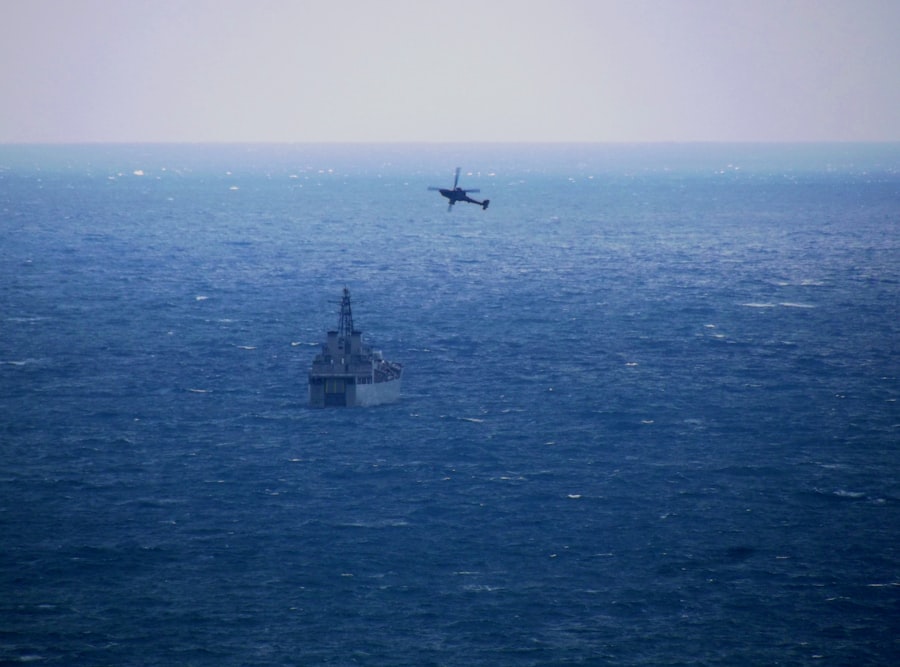
Throughout the Cold War, proxy wars became a common battleground for American and Soviet interests, often involving naval confrontations in various regions around the globe. From Vietnam to Angola, both superpowers sought to expand their influence by supporting opposing factions in conflicts that aligned with their ideological beliefs. Naval forces played a crucial role in these proxy wars, providing logistical support, transportation of troops, and even direct engagement in combat.
In regions such as Southeast Asia, U.S. Navy vessels were deployed to support ground operations while simultaneously conducting airstrikes against enemy positions. Meanwhile, Soviet naval forces provided assistance to allied regimes and insurgent groups, showcasing their commitment to countering American influence.
These proxy wars not only intensified naval confrontations but also underscored the global nature of the Cold War, as conflicts erupted far from the shores of either superpower.
The Importance of Naval Intelligence in the Cold War
Naval intelligence emerged as a critical component of military strategy during the Cold War, shaping decision-making processes on both sides of the confrontation. The ability to gather accurate information about enemy capabilities and intentions was paramount for maintaining an edge in naval operations. Both the United States and the Soviet Union invested heavily in intelligence-gathering technologies, including reconnaissance satellites and signals intelligence.
The collection and analysis of naval intelligence allowed for informed strategic planning and operational readiness. For instance, U.S. Navy intelligence played a vital role during events such as the Cuban Missile Crisis, providing crucial information that guided Kennedy’s decision-making process.
Similarly, Soviet intelligence efforts aimed to monitor American naval movements and capabilities, ensuring that they remained competitive in this high-stakes environment. The interplay between intelligence and naval power underscored the complexity of Cold War dynamics.
The Legacy of the American-Soviet Naval Confrontation
The legacy of the American-Soviet naval confrontation continues to resonate in contemporary international relations. The Cold War era established patterns of behavior that have influenced subsequent geopolitical conflicts and military strategies. The emphasis on naval power as a means of deterrence remains relevant today, as nations continue to invest in advanced maritime capabilities.
Moreover, lessons learned from this period have shaped modern naval doctrines and strategies. The importance of maintaining a credible deterrent force, coupled with effective intelligence-gathering capabilities, remains central to national security policies worldwide. As new challenges emerge in an increasingly multipolar world, understanding the dynamics of past confrontations can provide valuable insights for navigating contemporary maritime disputes.
The Impact of Naval Confrontation on International Relations
The American-Soviet naval confrontation had profound implications for international relations during the Cold War and beyond. It contributed to an atmosphere of mistrust and competition that defined global politics for decades. The arms race at sea not only fueled tensions between superpowers but also influenced alliances and partnerships among smaller nations seeking security guarantees.
As nations observed the strategic importance placed on naval power by both superpowers, many sought to enhance their own maritime capabilities or align themselves with one side or another. This dynamic reshaped regional power structures and often led to conflicts driven by external influences. The legacy of these confrontations continues to shape contemporary international relations as nations navigate complex maritime disputes and seek to assert their interests on the global stage.
The Naval Confrontation in the Arctic
The Arctic region emerged as another theater for American-Soviet naval confrontation during the Cold War, driven by its strategic significance and rich natural resources. Both superpowers recognized that control over Arctic waters could provide access to vital shipping routes and untapped energy reserves. As ice caps began to recede due to climate change, this area gained even more attention from military planners.
Naval operations in the Arctic were characterized by unique challenges due to harsh weather conditions and difficult navigation routes. Both nations conducted exercises aimed at demonstrating their capabilities in this inhospitable environment while also asserting their claims over territorial waters. The Arctic became a focal point for showcasing technological advancements in icebreakers and submarines capable of operating under extreme conditions.
Lessons Learned from the American-Soviet Naval Confrontation
The American-Soviet naval confrontation offers several important lessons that remain relevant today. First and foremost is the recognition that naval power is essential for national security and global influence. As geopolitical tensions continue to rise in various regions around the world, nations must understand that maintaining a credible maritime presence is crucial for deterring potential adversaries.
Additionally, effective communication and diplomacy are vital components in managing crises at sea. The Cuban Missile Crisis serves as a poignant reminder that miscalculations can lead to catastrophic outcomes; thus, establishing channels for dialogue is essential for preventing escalation during tense situations. Finally, investing in intelligence capabilities remains paramount for understanding adversaries’ intentions and capabilities—an enduring lesson from this complex chapter in history.
In conclusion, the American-Soviet naval confrontation was a defining aspect of the Cold War that shaped military strategies, international relations, and geopolitical dynamics for decades. Its legacy continues to influence contemporary maritime policies as nations navigate an increasingly complex global landscape marked by competition for resources and strategic advantages at sea.
The American-Soviet naval confrontation during the Cold War was a critical period that shaped international relations and military strategy. For a deeper understanding of the complexities involved in these maritime tensions, you can explore the article on naval strategies and their implications in modern warfare at In The War Room. This resource provides valuable insights into the historical context and the ongoing relevance of naval power in global politics.
WATCH THIS 🛑 The Submarine Captain Who Said NO to Nuclear War
FAQs
What was the American-Soviet naval confrontation?
The American-Soviet naval confrontation refers to the period during the Cold War when the United States and the Soviet Union engaged in a strategic competition at sea. This involved the buildup and deployment of naval forces, including submarines, aircraft carriers, and missile systems, to assert dominance and deter each other.
When did the American-Soviet naval confrontation take place?
The confrontation primarily occurred from the late 1940s through the 1980s, coinciding with the broader Cold War era. It intensified during the 1970s and early 1980s as both superpowers expanded their naval capabilities.
What were the main objectives of the naval confrontation?
The main objectives were to establish naval superiority, protect sea lines of communication, deter nuclear conflict through second-strike capabilities, and project power globally. Both nations sought to prevent the other from gaining a strategic advantage at sea.
What types of naval forces were involved in the confrontation?
Both the U.S. Navy and the Soviet Navy deployed a range of vessels, including nuclear-powered submarines, ballistic missile submarines (SSBNs), aircraft carriers, cruisers, destroyers, and missile-equipped surface ships. Anti-submarine warfare (ASW) forces were also critical components.
How did technology influence the naval confrontation?
Technological advancements such as nuclear propulsion, ballistic missile submarines, sonar systems, and missile technology played a crucial role. These innovations enhanced stealth, strike capabilities, and detection, shaping naval strategies and tactics.
Were there any direct naval battles between the U.S. and Soviet navies?
There were no direct large-scale naval battles between the U.S. and Soviet navies during the Cold War. However, there were numerous close encounters, shadowing operations, and incidents at sea that heightened tensions.
What was the significance of the naval confrontation in the broader Cold War context?
The naval confrontation was a key element of the Cold War power struggle, influencing global military balance and deterrence strategies. Control of the seas was vital for nuclear deterrence, power projection, and securing alliances.
How did the confrontation end?
The confrontation gradually de-escalated with the end of the Cold War in the late 1980s and early 1990s. Arms control agreements, reduced tensions, and the dissolution of the Soviet Union led to a significant reduction in naval competition.
What lessons were learned from the American-Soviet naval confrontation?
The confrontation highlighted the importance of technological innovation, intelligence gathering, and strategic deterrence. It also underscored the risks of miscalculation and the need for communication channels to prevent accidental conflict at sea.