
American Naval Intelligence is a critical component of United States national security operations. It collects, analyzes, and distributes information regarding naval operations, maritime threats, and international developments to support decision-making across military and government leadership. This intelligence capability enables the Navy to maintain operational awareness and tactical readiness against potential adversaries.
Naval Intelligence serves multiple functions beyond intelligence gathering. It provides comprehensive assessments of the maritime environment, including analysis of foreign naval capabilities and strategic intentions. This information supports operational planning, training exercises, and force readiness.
Additionally, Naval Intelligence addresses contemporary maritime security challenges, including piracy and maritime terrorism. By delivering timely intelligence assessments, it contributes to the protection of international shipping routes and the security of naval personnel and equipment. The intelligence produced by Naval Intelligence also informs broader foreign policy and diplomatic strategy, as maritime security assessments influence how the United States responds to international developments and regional conflicts.
Learn about the incredible leadership of Admiral Nimitz during World War II.
Key Takeaways
- American Naval Intelligence plays a critical role in gathering and analyzing maritime information to support national security.
- It has a rich history marked by evolving missions and adapting to new global threats.
- Advanced technology and collaboration with other intelligence agencies enhance its operational effectiveness.
- Training and recruitment focus on developing skilled officers capable of handling complex intelligence tasks.
- Ethical, legal, and future challenges shape the ongoing development and impact of Naval Intelligence on U.S. security.
History of American Naval Intelligence
The origins of American Naval Intelligence can be traced back to the early years of the United States Navy in the late 18th century. Initially, intelligence efforts were rudimentary, focusing primarily on gathering information about enemy ships and coastal defenses. However, as the Navy expanded and the geopolitical landscape evolved, so too did the need for a more structured approach to intelligence.
The establishment of the Office of Naval Intelligence (ONI) in 1882 marked a significant turning point in the history of American Naval Intelligence. This organization was tasked with collecting and analyzing information about foreign naval capabilities and activities, laying the groundwork for modern naval intelligence operations. Throughout the 20th century, American Naval Intelligence underwent significant transformations in response to global conflicts and technological advancements.
During World War I and World War II, the importance of naval intelligence became increasingly apparent as it played a critical role in major naval battles and campaigns. The Cold War further emphasized the need for sophisticated intelligence-gathering techniques, leading to the development of advanced technologies and methodologies. The establishment of various intelligence agencies and collaborations with other branches of the military also contributed to the evolution of American Naval Intelligence into a more integrated and comprehensive system.
Operations and Missions of American Naval Intelligence
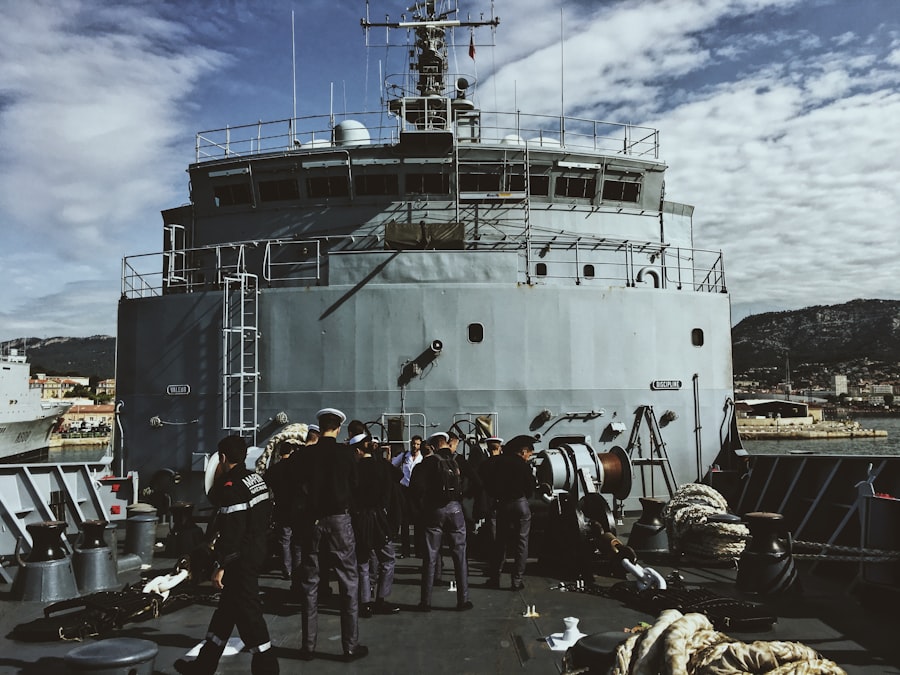
American Naval Intelligence conducts a wide array of operations and missions that are essential for maintaining maritime security and operational readiness. One of its primary missions is to monitor and assess foreign naval activities, which involves tracking the movements of enemy vessels, submarines, and aircraft. This intelligence is crucial for anticipating potential threats and ensuring that U.S.
naval forces are prepared to respond effectively. Additionally, Naval Intelligence plays a key role in supporting joint military operations by providing real-time intelligence to commanders in the field. Another significant aspect of American Naval Intelligence operations is its involvement in counterterrorism efforts.
In recent years, the Navy has faced new challenges posed by non-state actors and asymmetric warfare tactics. Naval Intelligence works closely with other military branches and intelligence agencies to identify and neutralize threats posed by terrorist organizations operating in maritime environments. This includes monitoring shipping routes for suspicious activities, conducting surveillance on potential targets, and collaborating with international partners to enhance maritime security.
Technology and Tools Used by American Naval Intelligence
The effectiveness of American Naval Intelligence is heavily reliant on advanced technology and tools that facilitate data collection, analysis, and dissemination. Modern naval intelligence operations utilize a range of sophisticated systems, including satellite imagery, radar systems, and electronic warfare capabilities. These technologies enable analysts to gather critical information about enemy movements, capabilities, and intentions with unprecedented accuracy.
In addition to traditional surveillance methods, American Naval Intelligence has embraced cutting-edge innovations such as artificial intelligence (AI) and machine learning. These technologies enhance data analysis by automating processes that would otherwise be time-consuming for human analysts. By leveraging AI algorithms, Naval Intelligence can sift through vast amounts of data to identify patterns and anomalies that may indicate potential threats.
This technological evolution not only improves operational efficiency but also allows for more informed decision-making in high-stakes situations.
Collaboration with Other Intelligence Agencies
| Metric | Value | Description |
|---|---|---|
| Number of Naval Intelligence Officers | Approx. 3,000 | Estimated personnel involved in naval intelligence operations |
| Annual Budget Allocation | Classified | Funding dedicated to naval intelligence activities (not publicly disclosed) |
| Number of Intelligence Vessels | 5 | Ships specifically equipped for intelligence gathering and surveillance |
| Primary Intelligence Focus Areas | Maritime Security, Cyber Warfare, Signal Intelligence | Key domains of naval intelligence operations |
| Number of Intelligence Reports Produced Annually | Thousands | Reports generated to support naval operations and national security |
| Key Technologies Used | Satellite Reconnaissance, UAVs, Electronic Surveillance | Technologies employed for intelligence collection and analysis |
Collaboration is a cornerstone of American Naval Intelligence operations. The complexity of modern security challenges necessitates close cooperation with other intelligence agencies, both within the U.S. government and internationally. The integration of information from various sources enhances situational awareness and provides a more comprehensive understanding of potential threats. Within the U.S., Naval Intelligence works alongside agencies such as the Central Intelligence Agency (CIA), the National Security Agency (NSA), and other branches of the military to share information and coordinate efforts. This interagency collaboration ensures that intelligence is not siloed but rather integrated into a broader national security framework. Internationally, partnerships with allied nations further strengthen intelligence capabilities. Joint exercises, information sharing agreements, and collaborative operations enhance collective security efforts and foster trust among allies.
Training and Recruitment of Naval Intelligence Officers

The recruitment and training of naval intelligence officers are critical components in maintaining a skilled workforce capable of addressing evolving security challenges. The selection process for these officers is rigorous, focusing on candidates with strong analytical skills, critical thinking abilities, and a keen interest in global affairs. Aspiring naval intelligence officers typically undergo extensive background checks and assessments to ensure they possess the necessary qualities for this demanding role.
Once selected, officers receive comprehensive training that encompasses various aspects of intelligence operations. This includes instruction on data analysis techniques, surveillance methods, and the use of advanced technology tools. Additionally, training often involves simulations and real-world scenarios that prepare officers for the complexities they may encounter in operational environments.
Continuous professional development is emphasized to keep officers abreast of emerging trends in intelligence gathering and analysis.
Challenges Faced by American Naval Intelligence
American Naval Intelligence faces numerous challenges that can hinder its effectiveness in safeguarding national security. One significant challenge is the rapidly changing nature of global threats. As adversaries adopt new tactics and technologies, Naval Intelligence must continuously adapt its methods to stay ahead.
This requires ongoing investment in research and development to ensure that intelligence capabilities remain relevant in an ever-evolving landscape. Another challenge lies in the vast amount of data generated by modern surveillance systems. While advanced technologies have improved data collection capabilities, they have also resulted in an overwhelming influx of information that can be difficult to analyze effectively.
Distinguishing between relevant intelligence and noise requires sophisticated analytical tools and skilled personnel who can interpret complex data sets accurately. Balancing the need for timely intelligence with the challenges posed by information overload remains a persistent struggle for American Naval Intelligence.
Success Stories and Accomplishments of American Naval Intelligence
American Naval Intelligence has a rich history of success stories that underscore its vital role in national security. One notable accomplishment was its contribution to the success of Operation Desert Storm during the Gulf War in 1991.
S.
forces to execute precision strikes against Iraqi military targets while minimizing collateral damage. Another significant achievement was its role in countering piracy off the coast of Somalia in the late 2000s. By collaborating with international partners and employing advanced surveillance techniques, American Naval Intelligence was instrumental in disrupting pirate operations and ensuring the safety of commercial shipping routes.
These successes not only highlight the effectiveness of naval intelligence operations but also demonstrate its ability to adapt to emerging threats in diverse operational environments.
Future of American Naval Intelligence
The future of American Naval Intelligence is poised for transformation as it embraces new technologies and methodologies to address evolving security challenges. The integration of artificial intelligence and machine learning will likely play a pivotal role in enhancing data analysis capabilities, allowing analysts to process vast amounts of information more efficiently than ever before. As adversaries continue to innovate, Naval Intelligence must remain agile in its approach to intelligence gathering and analysis.
Moreover, as geopolitical tensions rise in various regions around the world, there will be an increasing emphasis on collaboration with international partners. Strengthening alliances through shared intelligence efforts will be essential for addressing transnational threats such as terrorism, cyber warfare, and maritime piracy. The future landscape will require American Naval Intelligence to not only focus on traditional military threats but also adapt to emerging challenges posed by non-state actors operating in complex environments.
Impact of American Naval Intelligence on National Security
The impact of American Naval Intelligence on national security cannot be overstated. By providing timely and accurate intelligence, it enables military leaders to make informed decisions that directly affect operational success on land and at sea. The ability to anticipate potential threats allows for proactive measures that can deter aggression from adversaries while safeguarding U.S.
interests abroad.
This information informs policymakers as they navigate complex international relations, helping to prevent conflicts before they escalate into military confrontations.
Ultimately, the work done by American Naval Intelligence serves as a critical component in maintaining peace and stability both domestically and globally.
Ethical and Legal Considerations in Naval Intelligence Operations
As with any intelligence operation, ethical and legal considerations are paramount in American Naval Intelligence activities. The collection and analysis of information must adhere to established legal frameworks that protect individual rights while ensuring national security interests are met. Striking this balance can be challenging, particularly in an era where technology enables unprecedented surveillance capabilities.
Moreover, transparency and accountability are essential components of ethical conduct within naval intelligence operations. Ensuring that actions taken are justifiable under international law helps maintain public trust in military institutions while fostering cooperation with allies who may have differing legal standards regarding intelligence activities. As American Naval Intelligence continues to evolve, it must remain vigilant in upholding ethical standards while effectively addressing emerging security challenges on a global scale.
American naval intelligence plays a crucial role in ensuring maritime security and strategic advantage. For a deeper understanding of the complexities and challenges faced by naval intelligence, you can read more in this insightful article on In the War Room. This resource provides valuable perspectives on current naval operations and intelligence strategies.
WATCH THIS! 🎖️ The Battle of Midway: How Codebreakers Won the Pacific War
FAQs
What is American naval intelligence?
American naval intelligence refers to the branch of the United States Navy responsible for gathering, analyzing, and disseminating information related to maritime security, naval operations, and potential threats to U.S. naval forces.
What are the primary functions of American naval intelligence?
The primary functions include collecting intelligence on foreign naval capabilities, monitoring maritime activities, supporting naval operations with timely information, conducting surveillance and reconnaissance, and providing strategic assessments to aid decision-making.
Which agencies are involved in American naval intelligence?
Key agencies involved include the Office of Naval Intelligence (ONI), the Naval Criminal Investigative Service (NCIS), and various intelligence units within the U.S. Navy and Department of Defense that collaborate with other national intelligence organizations.
How does American naval intelligence gather information?
Information is gathered through multiple means such as satellite imagery, signals intelligence (SIGINT), human intelligence (HUMINT), electronic surveillance, reconnaissance missions, and open-source intelligence.
What role does American naval intelligence play in national security?
American naval intelligence plays a critical role in protecting U.S. maritime interests, ensuring the safety of naval forces, preventing surprise attacks, supporting military operations, and contributing to broader national defense strategies.
How has American naval intelligence evolved over time?
American naval intelligence has evolved from basic reconnaissance and code-breaking efforts during early conflicts to sophisticated, technology-driven operations involving cyber intelligence, advanced surveillance systems, and global information sharing networks.
Can American naval intelligence operate internationally?
Yes, American naval intelligence operates globally, monitoring international waters, foreign naval activities, and potential threats to U.S. interests worldwide, often in cooperation with allied nations and international partners.
What is the Office of Naval Intelligence (ONI)?
The ONI is the U.S. Navy’s primary intelligence agency, established in 1882, responsible for collecting and analyzing maritime intelligence to support naval operations and national security objectives.
How does American naval intelligence support naval operations?
It provides commanders with actionable intelligence on enemy movements, capabilities, and intentions, assists in mission planning, threat assessment, and ensures situational awareness during naval engagements.
Is American naval intelligence involved in cybersecurity?
Yes, American naval intelligence includes cyber intelligence efforts to protect naval networks, detect cyber threats, and conduct offensive and defensive cyber operations related to maritime security.