The Cuban Missile Crisis originated from escalating tensions between the United States and Soviet Union during the Cold War. After the Cuban Revolution in 1959, Fidel Castro established a communist government and formed an alliance with the Soviet Union. This development concerned the United States, as Cuba’s location 90 miles from Florida represented a significant shift in regional power dynamics.
The unsuccessful Bay of Pigs invasion in April 1961, an American-backed attempt to remove Castro from power, strengthened Cuba’s ties with the Soviet Union and increased Castro’s reliance on Soviet protection. In 1962, Soviet Premier Nikita Khrushchev authorized the deployment of nuclear missiles to Cuba. This decision served multiple strategic purposes: providing Cuba with protection against potential future American invasions, reducing the nuclear missile gap between the Soviet Union and United States, and establishing a Soviet nuclear presence in the Western Hemisphere to counter American missiles stationed in Turkey and Italy.
The missile deployment represented both a defensive measure for Cuba and an offensive capability that would alter the strategic balance between the superpowers, ultimately creating the conditions for a major international crisis.
Key Takeaways
- The Cuban Missile Crisis originated from Soviet missile installations in Cuba, prompting U.S. action.
- The U.S. Navy played a crucial role in enforcing the naval blockade to prevent further Soviet shipments.
- The Soviet Union initially resisted but eventually agreed to remove missiles following intense negotiations.
- The blockade heightened global tensions but ultimately led to a peaceful resolution of the crisis.
- The crisis highlighted the strategic importance of naval blockades, a tactic still relevant in modern military conflicts.
The Decision to Implement a Naval Blockade
As intelligence reports confirmed the presence of Soviet missiles in Cuba, President John F. Kennedy faced a critical decision regarding how to respond. The options ranged from military action to diplomatic negotiations, but Kennedy ultimately opted for a naval blockade, which he termed a “quarantine.” This decision was rooted in a desire to avoid direct military confrontation while still demonstrating resolve against Soviet aggression.
The blockade was intended to prevent further shipments of military equipment to Cuba and to signal to both the Soviets and the American public that the U.S. would not tolerate the establishment of a nuclear threat so close to its shores. The announcement of the blockade on October 22, 1962, was a defining moment in the crisis.
Kennedy addressed the nation, outlining the rationale behind his decision and emphasizing the need for a measured response. He made it clear that any missile launched from Cuba would be met with retaliation against the Soviet Union. This declaration not only heightened tensions but also underscored the seriousness of the situation.
The Role of the United States Navy in the Blockade
The United States Navy played a crucial role in enforcing the naval blockade around Cuba. With a fleet of ships positioned strategically in the Caribbean Sea, the Navy was tasked with intercepting any vessels suspected of carrying military supplies to Cuba. This operation required meticulous planning and coordination, as naval forces had to balance assertiveness with caution to avoid provoking an armed conflict.
The Navy’s presence served as both a deterrent and a means of demonstrating U.S. resolve. As ships began to enforce the blockade, tensions escalated further.
The Navy’s actions were closely monitored by both American and Soviet forces, leading to a series of confrontations at sea. U.S. naval vessels were prepared for potential encounters with Soviet ships, which could have resulted in disastrous consequences.
The stakes were incredibly high, as any miscalculation could have triggered a military engagement that might escalate into nuclear war. The Navy’s role was not just about enforcing a blockade; it was about maintaining a delicate balance between showing strength and avoiding unnecessary provocation.
The Response of the Soviet Union to the Blockade
In response to the U.S. naval blockade, the Soviet Union adopted a defiant stance. Khrushchev viewed the blockade as an act of aggression and a violation of international law.
He ordered Soviet ships bound for Cuba to continue their course, effectively challenging the U.S. blockade and raising the specter of direct confrontation at sea. This decision reflected Khrushchev’s belief that backing down would undermine Soviet credibility on the global stage and embolden U.S.
actions elsewhere. The situation became increasingly precarious as both sides engaged in a high-stakes game of brinkmanship. The Soviet leadership communicated its intentions through various channels, signaling that it would not accept U.S.
demands without a fight. Meanwhile, Khrushchev sought to rally support from other communist nations, framing the crisis as a struggle against imperialism. The world held its breath as both superpowers navigated this treacherous landscape, aware that any misstep could lead to catastrophic consequences.
International Reactions to the Naval Blockade
| Metric | Details |
|---|---|
| Event | American Naval Blockade of Cuba (Cuban Missile Crisis) |
| Date | October 22 – November 20, 1962 |
| Purpose | Prevent Soviet missiles from arriving in Cuba |
| Number of US Naval Ships Involved | Approximately 180 |
| Type of Blockade | Quarantine (Naval Blockade) |
| Duration | About 13 days |
| Outcome | Soviet Union agreed to remove missiles from Cuba |
| Impact on US-Soviet Relations | Heightened Cold War tensions but led to direct communication (Hotline) |
The international community reacted with a mix of concern and support regarding the U.S. naval blockade during the Cuban Missile Crisis. Many nations were apprehensive about the potential for nuclear war and urged both superpowers to seek diplomatic solutions rather than resorting to military action.
Some countries expressed solidarity with Cuba, viewing it as a victim of American imperialism, while others sided with the United States, emphasizing the need to contain communism. The United Nations became a focal point for discussions surrounding the crisis, with various member states calling for restraint and dialogue. While some leaders supported Kennedy’s decision to implement a blockade as a necessary measure for national security, others criticized it as an escalation that could lead to war.
The division in international opinion highlighted the broader ideological rift between capitalist and communist nations during this period, underscoring how deeply entrenched Cold War dynamics influenced global politics.
The Impact of the Blockade on Cuba
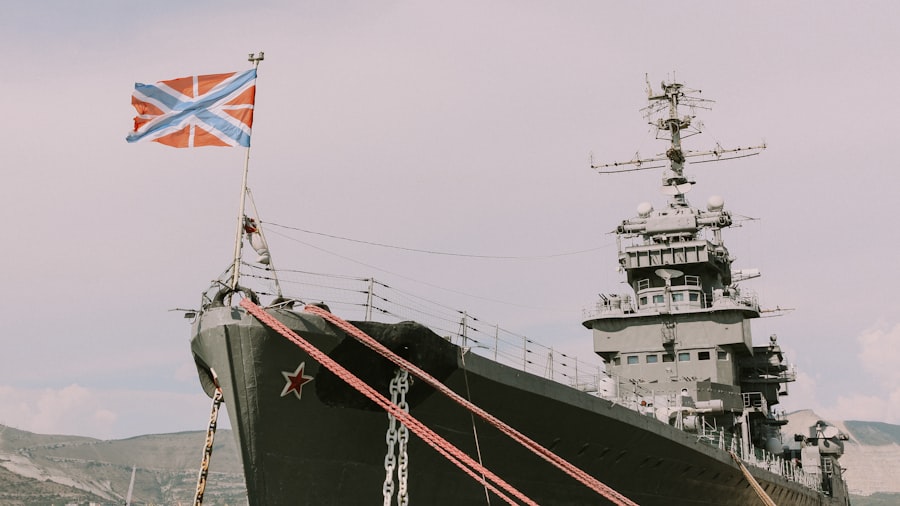
The naval blockade had profound implications for Cuba, both politically and economically. As shipments of goods and military supplies were halted, Cuba faced significant shortages that affected daily life for its citizens. The island nation relied heavily on imports from both the Soviet Union and other countries, and the blockade exacerbated existing economic challenges.
Food shortages became more pronounced, leading to increased hardship for ordinary Cubans who were already grappling with the consequences of U.S.-imposed sanctions. Politically, Castro’s regime used the blockade as a rallying point to bolster national unity against perceived external threats. The Cuban government portrayed itself as a defender of sovereignty against American aggression, which helped solidify support for Castro among his constituents.
However, this narrative also came with risks; while it fostered national pride, it also heightened tensions within Cuba and created an environment where dissent was less tolerated. The blockade thus served as both a catalyst for solidarity and a source of internal strife.
The Escalation of Tensions during the Blockade
As days turned into weeks during the naval blockade, tensions escalated dramatically on both sides. Each passing moment brought new fears of miscalculation or misunderstanding that could lead to armed conflict. U.S. military readiness was heightened, with forces placed on alert status as they prepared for any potential escalation in hostilities. Meanwhile, Soviet forces in Cuba were also put on high alert, creating an atmosphere charged with anxiety and uncertainty. The potential for direct confrontation loomed large as U.S. naval vessels intercepted Soviet ships en route to Cuba. These encounters were fraught with danger; any aggressive action could have triggered an immediate military response from either side. As both superpowers engaged in this high-stakes game of chicken, diplomatic channels remained open but strained, with leaders on both sides grappling with how best to navigate this perilous situation without losing face or compromising their strategic interests.
Negotiations and Resolution of the Crisis
Amidst rising tensions and fears of nuclear war, backchannel negotiations began between U.S. and Soviet officials in an effort to de-escalate the crisis. Recognizing that neither side could afford an all-out conflict, both Kennedy and Khrushchev sought avenues for resolution that would allow them to save face while addressing their respective security concerns.
Ultimately, it was through these negotiations that a compromise emerged: Khrushchev agreed to withdraw Soviet missiles from Cuba in exchange for a U.S. commitment not to invade Cuba and a secret agreement to remove U.S. missiles from Turkey.
The resolution of the Cuban Missile Crisis marked a significant turning point in Cold War relations between the superpowers. It demonstrated that diplomacy could prevail even in moments of extreme tension and highlighted the importance of communication in averting disaster. Both leaders emerged from the crisis with lessons learned about the dangers of brinkmanship and the necessity of finding common ground amidst ideological differences.
Lessons Learned from the Cuban Missile Crisis
The Cuban Missile Crisis imparted several critical lessons that would shape future international relations and military strategy during the Cold War and beyond. One key takeaway was the importance of clear communication between adversaries during times of crisis; misunderstandings could easily escalate into conflict if leaders failed to convey their intentions effectively. The establishment of direct communication lines—often referred to as “the hotline”—between Washington and Moscow was one such measure implemented after the crisis to facilitate better dialogue.
Another lesson revolved around the necessity of restraint in military posturing and decision-making during high-stakes situations. Both Kennedy and Khrushchev recognized that their actions had far-reaching consequences not only for their nations but for global stability as well. This understanding led to increased efforts toward arms control agreements in subsequent years, including treaties aimed at limiting nuclear proliferation and reducing stockpiles.
The Legacy of the American Naval Blockade
The legacy of the American naval blockade during the Cuban Missile Crisis is multifaceted and continues to resonate in contemporary discussions about military strategy and international relations. On one hand, it is often viewed as a successful demonstration of U.S. resolve against perceived threats; on the other hand, it serves as a cautionary tale about how quickly tensions can escalate into potential conflict when diplomacy falters.
Moreover, the blockade set a precedent for future military interventions and blockades employed by nations around the world in various contexts—whether for humanitarian reasons or geopolitical objectives. It underscored how naval power could be wielded not just for offensive operations but also as a tool for deterrence and coercion in international affairs.
The Continued Relevance of Naval Blockades in Modern Warfare
In today’s geopolitical landscape, naval blockades remain relevant as tools of statecraft employed by nations seeking to exert influence or control over specific regions or conflicts. Modern blockades can take various forms—economic sanctions aimed at restricting trade or military blockades designed to limit access to strategic areas—yet they echo historical precedents like those established during the Cuban Missile Crisis. As global tensions continue to rise over issues such as territorial disputes or nuclear proliferation, understanding past events like the Cuban Missile Crisis becomes essential for policymakers navigating contemporary challenges.
The lessons learned from this critical moment in history inform current strategies aimed at preventing conflict while balancing national interests against global stability—a delicate dance that remains ever pertinent in an increasingly interconnected world.
The American naval blockade of Cuba during the Cuban Missile Crisis was a pivotal moment in Cold War history, showcasing the intense geopolitical tensions between the United States and the Soviet Union. For a deeper understanding of the implications and strategies involved in this critical event, you can read more in the article available at this link. This article provides insights into the military and diplomatic maneuvers that defined the era.
WATCH THIS 🛑 The Submarine Captain Who Said NO to Nuclear War
FAQs
What was the American naval blockade of Cuba?
The American naval blockade of Cuba, also known as the Cuban Missile Crisis blockade, was a military action taken by the United States in October 1962 to prevent Soviet ships from delivering nuclear missiles to Cuba. It involved the deployment of U.S. Navy ships around the island to enforce a quarantine and stop further shipments.
When did the American naval blockade of Cuba take place?
The blockade was initiated on October 22, 1962, and lasted for about 13 days, ending on October 28, 1962, after the Soviet Union agreed to remove its missiles from Cuba.
Why did the United States impose a naval blockade on Cuba?
The U.S. imposed the blockade in response to the discovery of Soviet nuclear missile installations in Cuba, which posed a direct threat to American national security due to their proximity to the U.S. mainland.
What was the outcome of the American naval blockade of Cuba?
The blockade successfully pressured the Soviet Union to dismantle and remove its nuclear missiles from Cuba, thereby defusing the Cuban Missile Crisis and reducing the immediate threat of nuclear war.
Was the naval blockade considered an act of war?
The United States referred to the blockade as a “quarantine” to avoid the legal implications of a blockade, which is considered an act of war under international law. The term “quarantine” was used to emphasize the defensive nature of the action.
How did the Soviet Union respond to the American naval blockade?
Initially, Soviet ships approached the quarantine line but turned back to avoid confrontation. The Soviet leadership eventually agreed to remove the missiles from Cuba in exchange for a U.S. promise not to invade Cuba and the secret removal of U.S. missiles from Turkey.
What role did the naval blockade play in the resolution of the Cuban Missile Crisis?
The naval blockade was a critical component in the U.S. strategy to contain the crisis without resorting to military conflict. It allowed time for diplomatic negotiations and demonstrated U.S. resolve, leading to a peaceful resolution.
Which U.S. President ordered the naval blockade of Cuba?
President John F. Kennedy ordered the naval blockade of Cuba during the Cuban Missile Crisis in October 1962.
What was the international reaction to the American naval blockade of Cuba?
The blockade received mixed reactions internationally. Some countries supported the U.S. stance against the spread of nuclear weapons, while others criticized it as an aggressive act. The United Nations played a role in facilitating dialogue during the crisis.
Did the naval blockade of Cuba lead to any changes in U.S.-Soviet relations?
Yes, the crisis and the blockade led to improved communication between the U.S. and the Soviet Union, including the establishment of the Moscow-Washington hotline to allow direct communication between the two superpowers and reduce the risk of future nuclear confrontations.