Submarine detection technology has evolved significantly over the decades, driven by the need for national security and maritime safety. As submarines have become more sophisticated, stealthy, and capable of operating in diverse environments, the methods employed to detect them have also advanced. The importance of submarine detection cannot be overstated, as these vessels can pose significant threats to naval operations and maritime security.
The ongoing arms race between submarine stealth technology and detection capabilities has led to a continuous cycle of innovation, with various technologies being developed and refined to ensure effective monitoring of underwater activities. The complexity of underwater environments presents unique challenges for detection systems. Factors such as water temperature, salinity, and ocean currents can significantly affect the performance of detection technologies.
As a result, researchers and engineers have had to devise innovative solutions that can operate effectively in these challenging conditions. This article will explore the history, current advancements, and future prospects of submarine detection technology, highlighting the various methods and tools that have been developed to address the ever-evolving challenges posed by submarines.
Key Takeaways
- Submarine detection has evolved from basic methods to advanced technologies like sonar, magnetic anomaly detection, and satellite integration.
- Sonar remains a critical tool, enhanced by modern acoustic sensors for improved underwater detection capabilities.
- Magnetic anomaly detection and electromagnetic sensors complement sonar by identifying submarines through their magnetic and electromagnetic signatures.
- The use of unmanned underwater vehicles and advanced underwater imaging has significantly increased detection efficiency and safety.
- Future challenges include overcoming stealth technologies, with ongoing advancements promising more effective and integrated submarine detection systems.
History of Submarine Detection
The history of submarine detection can be traced back to the early 20th century when submarines first emerged as a formidable force in naval warfare. During World War I, the use of submarines by Germany prompted the Allies to develop rudimentary detection methods, such as hydrophones and listening devices. These early technologies laid the groundwork for more advanced systems that would emerge in subsequent decades.
The interwar period saw limited advancements in detection technology, but the onset of World War II spurred significant innovations as nations sought to counter the growing threat posed by submarines. The introduction of sonar technology during World War II marked a pivotal moment in submarine detection history. Sonar, which stands for Sound Navigation and Ranging, allowed naval forces to detect submarines by emitting sound waves and analyzing the echoes that returned from underwater objects.
This technology proved invaluable in anti-submarine warfare, leading to the development of more sophisticated sonar systems in the post-war era. As the Cold War intensified, both NATO and Warsaw Pact nations invested heavily in submarine detection technologies, leading to further advancements in sonar capabilities and the emergence of complementary detection methods.
Sonar Technology and its Role in Submarine Detection
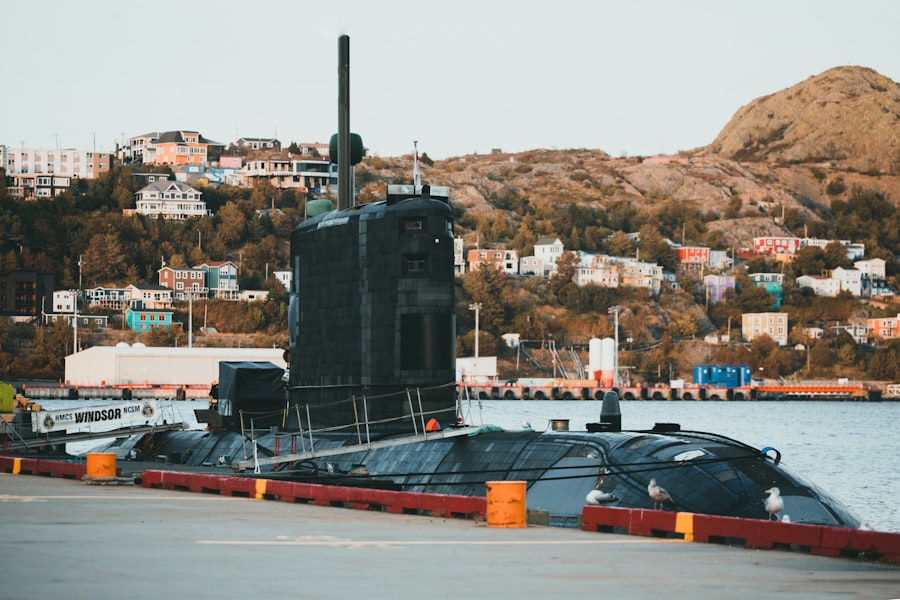
Sonar technology remains at the forefront of submarine detection efforts, serving as a primary tool for naval forces worldwide. There are two main types of sonar: active and passive. Active sonar involves emitting sound waves into the water and listening for echoes that bounce back from objects, while passive sonar relies on detecting sounds generated by submarines themselves, such as engine noise or propeller cavitation.
Each method has its advantages and limitations, making them suitable for different operational scenarios. Active sonar is particularly effective at locating submarines at greater distances, but it can also reveal the position of the detecting vessel due to the sound waves it emits. In contrast, passive sonar is stealthier and allows for covert monitoring of underwater activities; however, it may require closer proximity to accurately identify a target.
The integration of advanced signal processing techniques has enhanced the effectiveness of both active and passive sonar systems, enabling naval forces to filter out background noise and improve target discrimination. As a result, sonar technology continues to play a crucial role in modern submarine detection strategies.
Advancements in Acoustic Sensors for Submarine Detection
Recent advancements in acoustic sensor technology have significantly improved submarine detection capabilities. Innovations such as distributed sensor networks and advanced signal processing algorithms have enhanced the ability to detect and track submarines in real-time. These systems can now analyze vast amounts of data from multiple sensors deployed across different platforms, including surface ships, submarines, and underwater buoys.
This interconnected approach allows for a more comprehensive understanding of underwater environments and enhances situational awareness. Moreover, developments in miniaturization and materials science have led to the creation of more sensitive acoustic sensors that can operate effectively in challenging underwater conditions. These sensors are capable of detecting even faint sounds produced by submarines, allowing for earlier warning and improved tracking capabilities.
The integration of machine learning techniques into acoustic sensor systems has further enhanced their performance by enabling automated target recognition and classification, reducing the cognitive load on operators and increasing overall efficiency.
Use of Magnetic Anomaly Detection in Submarine Detection
| Technology | Description | Detection Range | Key Metrics | Applications |
|---|---|---|---|---|
| Sonar (Active) | Emits sound pulses and listens for echoes to detect submarines. | Up to 50 km (varies with conditions) | Frequency: 1-10 kHz, Pulse Length: 1-10 ms, Resolution: ~10 m | Naval ships, anti-submarine warfare (ASW) |
| Sonar (Passive) | Listens for sounds emitted by submarines without emitting signals. | Up to 100 km (depending on noise levels) | Frequency range: 10 Hz – 10 kHz, Sensitivity: -160 dB re 1 μPa | Submarine detection, surveillance, tracking |
| Magnetic Anomaly Detector (MAD) | Detects disturbances in Earth’s magnetic field caused by submarines. | Up to 1 km | Magnetic sensitivity: 10^-12 Tesla, Effective altitude: < 200 m | Airborne ASW, submarine localization |
| Infrared Sensors | Detects heat signatures from submarine exhaust or disturbances on water surface. | Up to 5 km (surface detection) | Thermal sensitivity: < 0.05°C, Wavelength: 3-5 μm | Surface surveillance, coastal defense |
| Underwater Drones (UUVs) | Autonomous vehicles equipped with sonar and sensors for submarine detection. | Variable, typically 10-30 km | Endurance: 24-48 hours, Sensor range: up to 30 km | Persistent underwater surveillance, reconnaissance |
| Satellite Ocean Surveillance | Uses satellite radar and optical sensors to detect submarine wakes and disturbances. | Global coverage | Resolution: 1-10 m, Revisit time: hours to days | Strategic monitoring, early warning |
Magnetic anomaly detection (MAD) is another critical method employed in submarine detection efforts. This technique relies on measuring variations in the Earth’s magnetic field caused by large metallic objects, such as submarines. MAD systems are typically mounted on aircraft or surface vessels and can detect submarines at relatively shallow depths.
While not as widely used as sonar, MAD offers unique advantages that complement other detection methods. One of the key benefits of MAD is its ability to detect submarines that are operating quietly or at reduced speeds, making it an effective tool for identifying stealthy vessels. Additionally, MAD systems can cover large areas quickly, making them suitable for maritime patrol missions.
However, MAD is limited by factors such as geological variations in magnetic fields and the need for close proximity to accurately identify targets. Despite these limitations, ongoing advancements in sensor technology are enhancing the effectiveness of MAD systems, ensuring they remain a valuable asset in submarine detection operations.
Role of Radar and Electromagnetic Sensors in Submarine Detection
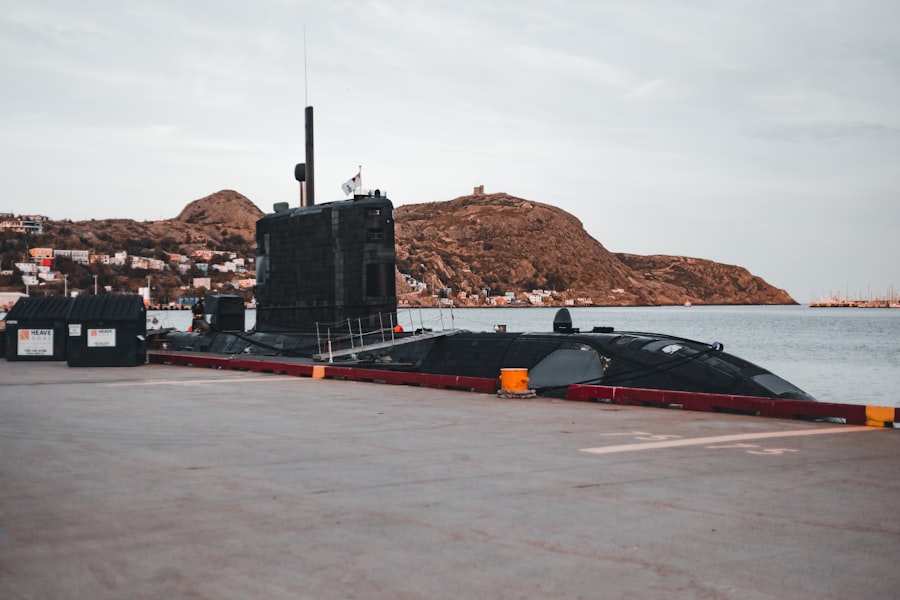
While radar is primarily associated with aerial and surface targets, it also plays a role in submarine detection under specific circumstances. Surface ships equipped with radar can detect periscopes or masts when submarines are operating near the surface. Additionally, radar systems can be used to monitor surface vessels that may be supporting submarine operations or conducting anti-submarine warfare missions.
Electromagnetic sensors are another emerging technology in submarine detection efforts. These sensors can detect electromagnetic emissions from submarines’ electronic systems or communication devices. By monitoring these emissions, naval forces can gain insights into submarine activities and potentially locate their positions.
The integration of radar and electromagnetic sensors into multi-layered detection strategies enhances overall situational awareness and improves the chances of successfully identifying submerged threats.
Integration of Satellite Technology in Submarine Detection
The integration of satellite technology into submarine detection efforts has revolutionized maritime surveillance capabilities. Satellites equipped with advanced imaging sensors can monitor vast ocean areas from space, providing valuable data on surface activities that may indicate submarine operations. For instance, satellite imagery can be used to track naval exercises or identify unusual patterns in shipping traffic that could suggest submarine movements.
Additionally, satellites equipped with synthetic aperture radar (SAR) can detect changes in sea surface conditions caused by submerged vessels. This capability allows for indirect monitoring of submarines even when they are operating at significant depths. The combination of satellite data with other detection methods creates a comprehensive picture of underwater activities, enabling naval forces to respond more effectively to potential threats.
Advancements in Underwater Imaging for Submarine Detection
Underwater imaging technology has made significant strides in recent years, enhancing the ability to visualize submerged objects and environments. High-resolution imaging systems can provide detailed views of underwater landscapes, allowing for better identification of potential submarine threats. These advancements are particularly valuable during search-and-recovery operations or when assessing underwater infrastructure.
Innovations such as 3D imaging and advanced sonar mapping techniques have further improved underwater visualization capabilities. These technologies enable operators to create detailed maps of underwater terrains and identify anomalies that may indicate the presence of submarines or other submerged objects. As imaging technology continues to advance, it will play an increasingly important role in submarine detection efforts.
Development of Unmanned Underwater Vehicles for Submarine Detection
Unmanned underwater vehicles (UUVs) have emerged as a game-changer in submarine detection operations.
UUVs are equipped with various sensors, including sonar systems and imaging devices, allowing them to gather critical data on underwater environments.
The flexibility and adaptability of UUVs make them ideal for conducting long-duration missions in challenging conditions where manned vessels may struggle to operate effectively. They can be used for reconnaissance missions or to augment existing detection systems by providing real-time data on potential submarine threats. As UUV technology continues to evolve, their role in submarine detection is expected to expand further.
Challenges and Future of Submarine Detection Technology
Despite significant advancements in submarine detection technology, several challenges remain. The increasing sophistication of submarines poses a constant threat to existing detection methods. Stealth technologies continue to evolve, making it more difficult for traditional sonar systems to detect submerged vessels effectively.
Additionally, environmental factors such as ocean noise pollution can interfere with sensor performance, complicating detection efforts. Looking ahead, researchers are exploring innovative solutions to address these challenges. The development of hybrid detection systems that combine multiple technologies may enhance overall effectiveness by leveraging the strengths of each method while mitigating their weaknesses.
Furthermore, advancements in artificial intelligence and machine learning could lead to more efficient data analysis processes, enabling faster identification and tracking of submarines.
Impact of Advancements in Submarine Detection Technology
The advancements in submarine detection technology have had a profound impact on naval operations and maritime security worldwide. As nations continue to invest in research and development efforts aimed at improving detection capabilities, the balance between submarine stealth and detection will remain a critical focus area for military strategists. The integration of various technologies—ranging from sonar systems to satellite surveillance—has created a multi-faceted approach that enhances situational awareness and improves response times.
Ultimately, the ongoing evolution of submarine detection technology will shape future naval engagements and influence global maritime dynamics. As new challenges arise with emerging technologies and changing geopolitical landscapes, continued innovation will be essential to ensure effective monitoring of underwater activities and maintain maritime security in an increasingly complex world.
Recent advancements in submarine detection technology have been a focal point in naval defense strategies, particularly as nations seek to enhance their underwater surveillance capabilities. For a deeper understanding of the implications and developments in this field, you can read more in the article available at In the War Room. This resource provides insights into the latest innovations and their potential impact on maritime security.
FAQs
What is submarine detection technology?
Submarine detection technology refers to the various methods and tools used to locate and track submarines underwater. These technologies are essential for naval defense and include sonar systems, magnetic anomaly detectors, and underwater surveillance networks.
How does sonar work in submarine detection?
Sonar (Sound Navigation and Ranging) works by emitting sound waves into the water and listening for echoes that bounce off objects such as submarines. Active sonar sends out pulses and listens for returns, while passive sonar listens for sounds emitted by the submarine itself.
What are the main types of sonar used for detecting submarines?
The main types of sonar used are active sonar, which emits sound pulses and detects their echoes, and passive sonar, which listens for noises produced by submarines. Both types are used in combination to improve detection accuracy.
Can submarines be detected by magnetic anomaly detectors?
Yes, magnetic anomaly detectors (MAD) can detect disturbances in the Earth’s magnetic field caused by the metal hull of a submarine. MAD is often used by aircraft flying over the ocean to locate submerged submarines.
What role do underwater surveillance networks play in submarine detection?
Underwater surveillance networks, such as the SOSUS (Sound Surveillance System), consist of arrays of hydrophones placed on the ocean floor to continuously monitor underwater sounds. These networks help detect and track submarines over large areas.
Are there any limitations to submarine detection technology?
Yes, submarine detection technologies can be limited by factors such as ocean depth, water temperature, salinity, background noise, and the submarine’s stealth capabilities. Submarines can also use countermeasures to evade detection.
How has submarine detection technology evolved over time?
Submarine detection technology has evolved from simple passive listening devices to sophisticated multi-sensor systems incorporating sonar, magnetic detection, radar, and satellite data. Advances in signal processing and artificial intelligence have also improved detection capabilities.
Is submarine detection technology used only by military forces?
Primarily, submarine detection technology is used by military forces for national security and defense purposes. However, some technologies are also used in scientific research and underwater exploration.
What is the importance of submarine detection technology?
Submarine detection technology is crucial for maintaining maritime security, preventing surprise attacks, and ensuring control over strategic waterways. It helps navies monitor underwater activities and protect their assets.
Can modern submarines avoid detection?
Modern submarines employ stealth technologies such as anechoic coatings, quiet propulsion systems, and tactics to minimize noise and magnetic signatures, making detection more challenging but not impossible with advanced detection systems.