
Submarine detection technology has become an essential component of modern naval warfare and maritime security. As nations continue to invest in their underwater capabilities, the ability to detect and track submarines has grown increasingly critical. Submarines, often referred to as the silent service, can operate undetected for extended periods, posing significant challenges to naval forces.
The development of sophisticated detection technologies is vital for maintaining maritime dominance and ensuring national security. This article explores the evolution of submarine detection technology, examining various methods and innovations that have emerged over the years. The importance of submarine detection extends beyond military applications; it also plays a crucial role in environmental monitoring and research.
As submarines can traverse vast oceanic expanses, their detection is essential for understanding underwater ecosystems and monitoring illegal activities such as smuggling or poaching. The ongoing advancements in detection technologies not only enhance military capabilities but also contribute to broader efforts in safeguarding marine environments and ensuring safe navigation in international waters.
Key Takeaways
- Submarine detection technology has evolved from basic methods to advanced systems integrating sonar, acoustic sensors, and magnetic anomaly detection.
- Sonar remains a cornerstone technology, enhanced by improvements in acoustic sensor sensitivity and underwater imaging techniques.
- Artificial intelligence and satellite technology are increasingly integrated to improve detection accuracy and real-time monitoring capabilities.
- Unmanned underwater vehicles play a growing role in covert and extended submarine detection missions.
- Advanced submarine detection technologies significantly impact national security by enhancing maritime surveillance and threat response.
Historical Development of Submarine Detection
The history of submarine detection can be traced back to the early 20th century, during World War I, when the first submarines began to pose a significant threat to naval operations. The initial attempts at detecting these underwater vessels relied heavily on rudimentary methods such as visual observation and rudimentary sound detection. As the war progressed, navies recognized the need for more effective means of locating submarines, leading to the development of early sonar systems.
World War II marked a pivotal moment in the evolution of submarine detection technology. The introduction of more advanced sonar systems, such as the ASDIC (Anti-Submarine Detection Investigation Committee), revolutionized the way navies engaged with submarines. These systems utilized sound waves to detect underwater objects, allowing for more accurate tracking of enemy vessels.
The war underscored the importance of submarine detection, prompting further research and development that would lay the groundwork for modern technologies.
Sonar Technology and its Role in Submarine Detection
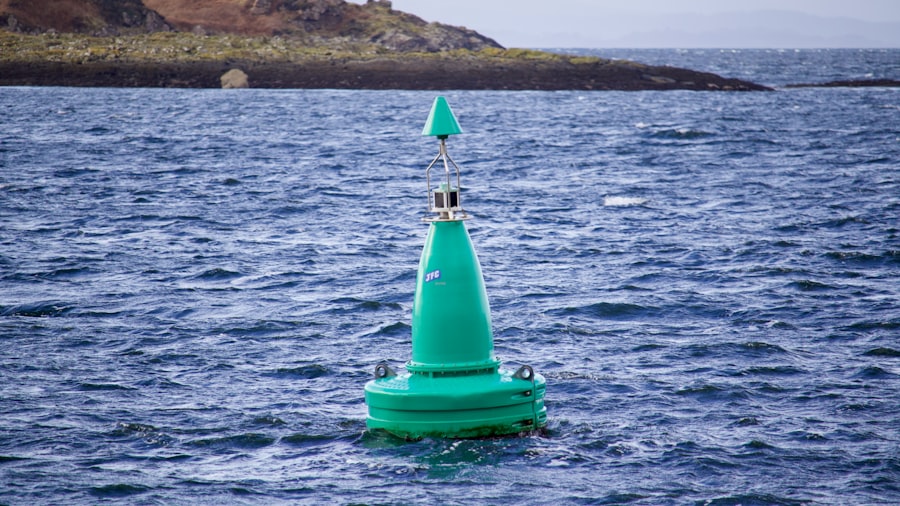
Sonar technology has been at the forefront of submarine detection since its inception. By emitting sound waves and analyzing their echoes, sonar systems can identify and locate submerged objects with remarkable precision. There are two primary types of sonar: active and passive.
Active sonar sends out sound pulses and listens for their reflections, while passive sonar relies on detecting sounds emitted by submarines themselves, such as engine noise or propeller cavitation. The effectiveness of sonar technology has evolved significantly over the decades. Modern sonar systems are equipped with advanced signal processing capabilities that enhance their ability to filter out background noise and improve target discrimination.
As a result, sonar remains a cornerstone of submarine detection efforts, providing critical information for naval operations.
Advancements in Acoustic Sensors for Submarine Detection
| Advancement | Description | Impact on Detection | Example Technology | Year Introduced |
|---|---|---|---|---|
| Fiber Optic Acoustic Sensors | Use of fiber optic cables to detect acoustic signals with high sensitivity and low noise. | Improved detection range and accuracy in noisy underwater environments. | Distributed Acoustic Sensing (DAS) | 2015 |
| Machine Learning Algorithms | Application of AI to analyze acoustic data for better classification and identification of submarines. | Enhanced target recognition and reduced false alarms. | Deep Neural Networks for sonar signal processing | 2018 |
| Low-Frequency Active Sonar | Use of low-frequency sound waves to detect submarines at greater distances. | Extended detection range and improved penetration through complex underwater environments. | LFAS Systems | 2017 |
| Multi-Static Sonar Networks | Deployment of multiple sonar nodes to create a network for better spatial coverage. | Increased detection probability and localization accuracy. | Networked Autonomous Underwater Vehicles (AUVs) | 2019 |
| Quantum Acoustic Sensors | Utilization of quantum effects to enhance sensitivity of acoustic detection. | Potential for ultra-high sensitivity and noise reduction. | Quantum Optomechanical Sensors | 2023 |
In recent years, advancements in acoustic sensor technology have further enhanced submarine detection capabilities. Researchers have developed sophisticated sensors that can operate across a wide range of frequencies, allowing for improved detection of submarines at various depths and distances. These sensors are often deployed on a variety of platforms, including surface ships, submarines, and buoys, creating a comprehensive network for monitoring underwater activity.
One notable advancement is the development of distributed sensor networks that utilize multiple sensors working in concert to provide a more accurate picture of underwater environments. By integrating data from various sources, naval forces can achieve greater situational awareness and improve their ability to track submarines over extended periods. This collaborative approach to acoustic sensing represents a significant leap forward in submarine detection technology, enabling more effective responses to potential threats.
Use of Magnetic Anomaly Detection in Submarine Detection
Magnetic anomaly detection (MAD) is another critical method employed in submarine detection efforts. This technique relies on measuring variations in the Earth’s magnetic field caused by the presence of large metallic objects, such as submarines. MAD systems are particularly effective at detecting submarines that are operating at or near the surface, where their magnetic signatures can be more easily identified.
The integration of MAD technology into naval operations has proven invaluable, especially in conjunction with other detection methods like sonar. By combining data from MAD systems with acoustic information, naval forces can create a more comprehensive understanding of underwater threats. This multi-faceted approach enhances the overall effectiveness of submarine detection efforts and allows for more informed decision-making during naval engagements.
Progress in Underwater Imaging for Submarine Detection
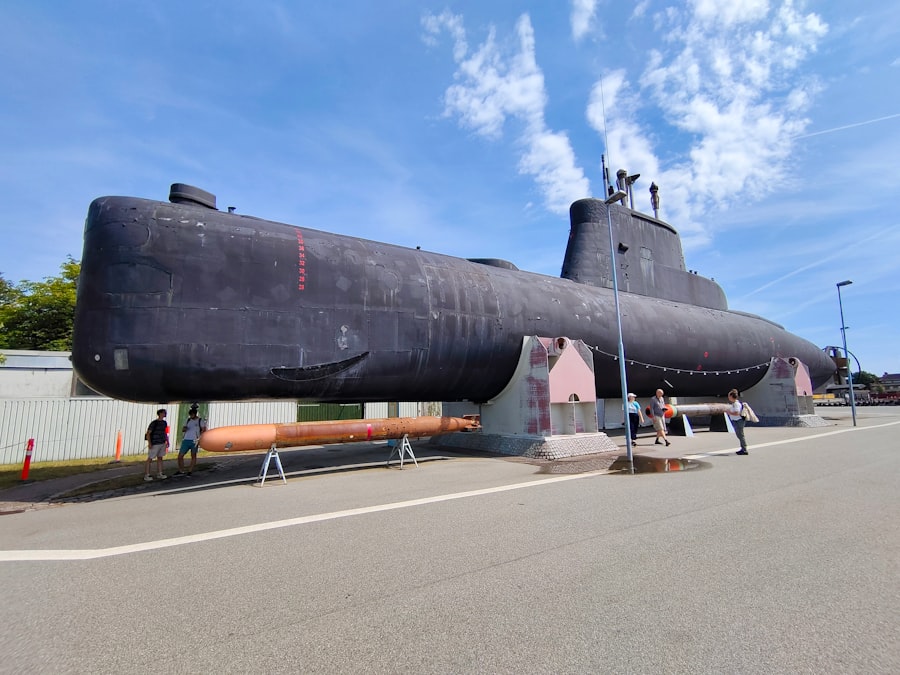
Underwater imaging technology has made significant strides in recent years, providing an additional layer of capability for submarine detection. High-resolution imaging systems can capture detailed visuals of underwater environments, allowing naval forces to identify and track submarines with greater accuracy. These imaging systems often utilize advanced optics and lighting techniques to enhance visibility in challenging underwater conditions.
The integration of imaging technology with traditional sonar systems has led to improved target identification and classification capabilities. By combining visual data with acoustic information, naval operators can better distinguish between different types of underwater objects, reducing the likelihood of false positives during detection operations. This advancement not only enhances military effectiveness but also contributes to safer navigation and environmental monitoring efforts.
Integration of Artificial Intelligence in Submarine Detection Systems
The incorporation of artificial intelligence (AI) into submarine detection systems represents a transformative shift in how naval forces approach underwater threats. AI algorithms can analyze vast amounts of data generated by sonar, MAD, and imaging systems, identifying patterns and anomalies that may indicate the presence of submarines. This capability allows for real-time decision-making and enhances situational awareness for naval operators.
Moreover, AI can improve the efficiency of data processing by automating routine tasks and enabling predictive analytics. By leveraging machine learning techniques, AI systems can continuously learn from new data inputs, refining their detection capabilities over time. This adaptability is crucial in an ever-evolving maritime landscape where threats may change rapidly.
The integration of AI into submarine detection technology not only enhances operational effectiveness but also reduces the cognitive burden on human operators.
Role of Satellite Technology in Submarine Detection
Satellite technology has emerged as a vital tool in the realm of submarine detection, providing a unique vantage point for monitoring vast oceanic areas. Satellites equipped with advanced sensors can detect surface disturbances caused by submarines operating near the water’s surface or launching missiles from submerged positions. This capability allows for early warning and tracking of potential threats before they can engage in hostile actions.
Furthermore, satellite imagery can be combined with other data sources to create comprehensive maritime surveillance systems. By integrating satellite data with information from sonar and MAD systems, naval forces can achieve a holistic view of underwater activities. This multi-layered approach enhances situational awareness and enables more effective responses to potential threats posed by submarines.
Advancements in Unmanned Underwater Vehicles for Submarine Detection
Unmanned underwater vehicles (UUVs) have revolutionized submarine detection efforts by providing a versatile platform for deploying various sensors and technologies. These autonomous or remotely operated vehicles can navigate complex underwater environments while conducting surveillance missions without risking human lives. UUVs are equipped with advanced sonar systems, imaging technology, and even AI algorithms to enhance their detection capabilities.
The use of UUVs allows for prolonged underwater operations without the limitations faced by manned vessels. They can be deployed in areas that may be too dangerous or inaccessible for traditional naval assets, providing valuable intelligence on submarine movements and activities. As UUV technology continues to advance, their role in submarine detection is expected to expand further, offering new opportunities for maritime security.
Challenges and Future Directions in Submarine Detection Technology
Despite significant advancements in submarine detection technology, several challenges remain that must be addressed to enhance effectiveness further. One major challenge is the increasing sophistication of submarine designs themselves. Modern submarines are often built with stealth features that reduce their acoustic signatures and make them harder to detect using traditional methods like sonar.
Additionally, the vastness and complexity of ocean environments present inherent difficulties in accurately detecting submarines. Factors such as varying water temperatures, salinity levels, and ambient noise can all impact the performance of detection systems. Future research must focus on developing more robust technologies capable of overcoming these challenges while also integrating emerging technologies like quantum sensing or advanced materials that could improve detection capabilities.
Implications of Advanced Submarine Detection Technology for National Security
The implications of advanced submarine detection technology extend far beyond military applications; they have profound consequences for national security as well. Enhanced detection capabilities enable nations to better monitor potential adversaries’ activities, ensuring that they remain vigilant against emerging threats in an increasingly complex geopolitical landscape. Moreover, improved submarine detection technologies contribute to international stability by deterring aggressive actions from hostile nations.
The ability to detect submarines effectively serves as a deterrent against potential attacks or provocations, fostering a sense of security among allied nations. As countries continue to invest in these technologies, the balance of power at sea will undoubtedly shift, shaping future naval strategies and international relations. In conclusion, submarine detection technology has evolved significantly over the past century, driven by advancements in various fields such as sonar systems, acoustic sensors, imaging technologies, artificial intelligence, satellite capabilities, and unmanned vehicles.
As nations navigate an increasingly complex maritime environment, continued innovation in submarine detection will be essential for maintaining national security and ensuring safe navigation across global waters.
The evolution of submarine detection technology has been a critical aspect of naval warfare, adapting to the increasing stealth capabilities of modern submarines. For a deeper understanding of this topic, you can explore a related article that discusses the advancements in sonar systems and their impact on maritime security.