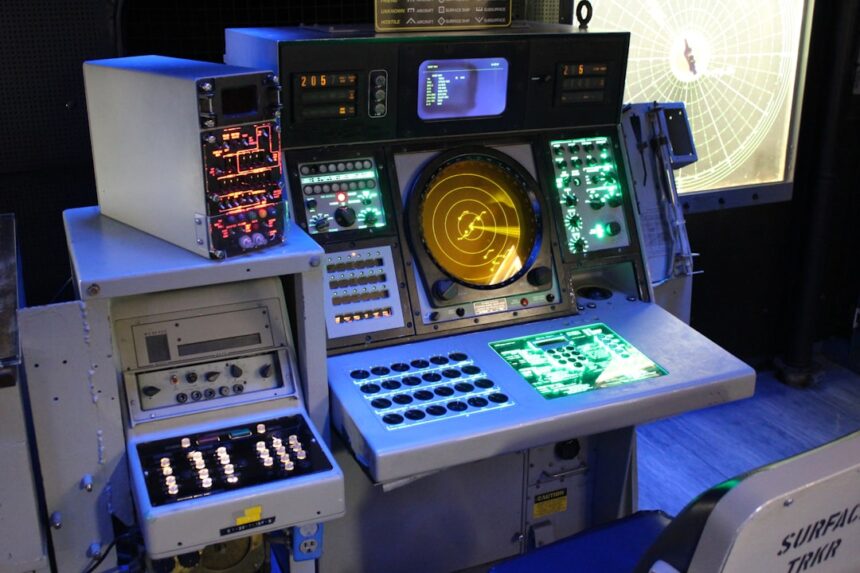
Sonar technology, an acronym for Sound Navigation and Ranging, operates on the principle of acoustic wave propagation through water. The system functions by transmitting sound pulses into the aquatic environment and measuring the time required for reflected signals to return from submerged objects. Analysis of these returning echoes provides data on target distance, dimensions, and structural characteristics.
Since its development in the early 20th century, sonar has undergone continuous technological advancement and found applications across multiple sectors including commercial fishing, marine research, hydrographic surveying, and naval operations. Naval forces worldwide employ sonar systems as a primary method for underwater surveillance and threat detection. These systems are designed to function across varying oceanic conditions, accounting for factors such as water temperature, salinity, depth, and acoustic interference.
Modern sonar installations range from hull-mounted arrays on surface vessels to towed sonar systems and sonobuoys deployed from aircraft. The technology enables maritime forces to conduct area surveillance, track submarine movements, and maintain situational awareness across extensive ocean territories.
Key Takeaways
- Sonar technology has evolved significantly, enhancing submarine detection capabilities in naval warfare.
- Both passive and active sonar systems have seen major advancements, improving accuracy and stealth detection.
- Integration of sonar with other detection technologies boosts overall effectiveness in submarine tracking.
- Despite improvements, sonar faces challenges such as environmental impact and operational limitations.
- Future trends focus on smarter, more ethical sonar systems that minimize ecological harm while enhancing naval operations.
Evolution of Sonar Technology for Submarine Detection
The evolution of sonar technology for submarine detection can be traced back to the early 20th century, during World War
Initially developed for anti-submarine warfare, sonar systems were rudimentary and primarily relied on passive listening techniques. As the war progressed, the need for more sophisticated detection methods became evident. The introduction of active sonar systems marked a significant turning point, allowing for more accurate identification of submarine locations.
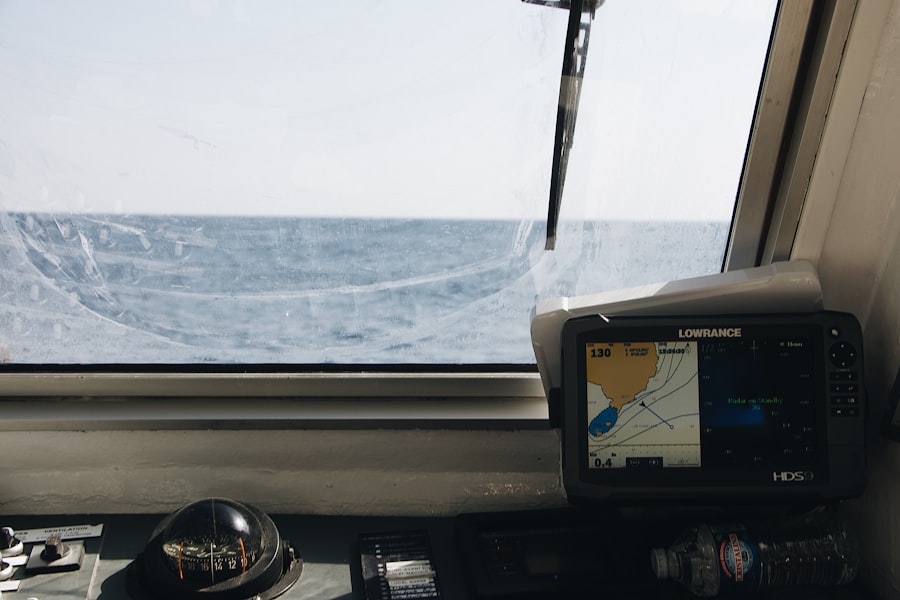
Throughout the decades that followed, sonar technology continued to advance rapidly. The interwar period saw improvements in both passive and active sonar systems, driven by technological innovations such as the development of more sensitive hydrophones and advanced signal processing techniques. By World War II, sonar had become a critical component of naval strategy, with nations investing heavily in research and development to enhance their capabilities.
The Cold War further accelerated advancements in sonar technology, as the arms race between superpowers necessitated more effective means of submarine detection.
Role of Sonar in Submarine Warfare
Sonar plays a pivotal role in submarine warfare, serving as both a defensive and offensive tool. For naval forces, the ability to detect enemy submarines is essential for maintaining maritime superiority. Active sonar systems emit sound waves that can reveal the presence of submarines at considerable distances, while passive sonar systems listen for sounds generated by submarines themselves, such as engine noise or propeller cavitation.
This dual capability allows naval forces to track and engage submarines effectively. Moreover, sonar technology has transformed the tactics employed in submarine warfare. Submarines can now operate stealthily, relying on advanced sonar systems to evade detection while simultaneously gathering intelligence on enemy movements.
The interplay between offensive and defensive strategies has led to a complex cat-and-mouse game beneath the waves, where both sides continuously adapt their tactics based on advancements in sonar technology. This dynamic has made submarine warfare one of the most challenging aspects of modern naval operations.
Advancements in Passive Sonar Technology
| Metric | Description | Typical Range | Frequency Range | Detection Accuracy | Comments |
|---|---|---|---|---|---|
| Active Sonar Detection Range | Maximum distance at which a submarine can be detected using active sonar pings | 5 – 20 km | 1 – 10 kHz | High (depends on environment and noise) | Range varies with water conditions and submarine noise signature |
| Passive Sonar Detection Range | Maximum distance at which a submarine’s noise can be detected without emitting signals | 10 – 50 km | 10 Hz – 1 kHz | Moderate to High | Depends on submarine noise level and ambient ocean noise |
| Frequency Bandwidth | Range of frequencies used for sonar detection | N/A | 10 Hz – 100 kHz | N/A | Lower frequencies travel farther but provide less resolution |
| Signal Processing Latency | Time delay between signal reception and detection output | N/A | N/A | Milliseconds to seconds | Depends on system hardware and algorithms |
| Detection Probability | Likelihood of correctly identifying a submarine presence | N/A | N/A | 70% – 95% | Varies with sonar type and environmental conditions |
| False Alarm Rate | Frequency of false detections per hour | N/A | N/A | 0.01 – 0.1 per hour | Lower rates preferred for operational reliability |
Recent years have witnessed remarkable advancements in passive sonar technology, enhancing its effectiveness in submarine detection. One significant development is the improvement in hydrophone sensitivity and array configurations. Modern hydrophones can detect even the faintest sounds produced by submarines, allowing for greater range and accuracy in detection.
Additionally, advancements in signal processing algorithms have enabled more sophisticated analysis of acoustic data, helping operators distinguish between various underwater sounds. Another notable trend is the integration of artificial intelligence (AI) into passive sonar systems. AI algorithms can analyze vast amounts of acoustic data in real-time, identifying patterns and anomalies that may indicate the presence of submarines.
This capability not only increases detection rates but also reduces the cognitive load on operators, allowing them to focus on strategic decision-making rather than sifting through data manually. As passive sonar technology continues to evolve, it is likely to become even more integral to naval operations.
Advancements in Active Sonar Technology

Active sonar technology has also seen significant advancements in recent years, particularly in terms of range and resolution. Modern active sonar systems utilize advanced transducer designs that can emit sound waves with greater precision and clarity.
Furthermore, innovations in signal processing techniques have led to enhanced target discrimination capabilities. Active sonar systems can now differentiate between various types of underwater objects, reducing false alarms and improving overall situational awareness. Additionally, developments in multi-beam sonar technology enable simultaneous scanning of large areas, increasing efficiency in search operations.
As these advancements continue to unfold, active sonar will remain a vital tool for naval forces engaged in submarine detection.
Integration of Sonar with Other Detection Technologies
The integration of sonar with other detection technologies has become increasingly important in modern naval operations. By combining sonar data with information from radar, satellite imagery, and other sensors, naval forces can create a comprehensive picture of the underwater environment. This multi-sensor approach enhances situational awareness and improves decision-making capabilities during operations.
For instance, when integrated with radar systems, sonar can provide valuable information about surface vessels that may be operating near submarines. Similarly, satellite imagery can assist in identifying potential submarine launch sites or monitoring naval activities in specific regions. The fusion of these technologies allows for a more holistic understanding of maritime threats and enables naval forces to respond more effectively to emerging challenges.
Challenges and Limitations of Sonar Technology
Despite its many advantages, sonar technology is not without its challenges and limitations. One significant issue is the impact of environmental factors on sound propagation underwater. Variations in temperature, salinity, and ocean currents can affect how sound travels through water, leading to potential inaccuracies in detection.
Additionally, background noise from marine life or human activities can create interference that complicates signal interpretation. Another challenge lies in the stealth capabilities of modern submarines. As submarine technology advances, many vessels are designed specifically to minimize their acoustic signatures, making them harder to detect using traditional sonar methods.
This ongoing arms race between submarine design and detection technology necessitates continuous innovation within the field of sonar to maintain effectiveness against increasingly sophisticated threats.
Future Trends in Sonar Technology for Submarine Detection
Looking ahead, several trends are likely to shape the future of sonar technology for submarine detection. One prominent direction is the continued integration of artificial intelligence and machine learning into sonar systems. These technologies will enable more efficient data analysis and improve target recognition capabilities, allowing naval forces to respond more swiftly to potential threats.
Additionally, advancements in materials science may lead to the development of new hydrophone designs that are even more sensitive and capable of operating across a broader range of frequencies. This could enhance both passive and active sonar systems’ effectiveness in detecting submarines under various conditions. Furthermore, as underwater drone technology evolves, there may be opportunities for deploying autonomous vehicles equipped with advanced sonar systems for reconnaissance missions.
Impact of Sonar Technology on Naval Operations
The impact of sonar technology on naval operations has been profound and far-reaching. By providing critical information about underwater threats, sonar has transformed how navies conduct their missions. The ability to detect submarines accurately allows naval forces to maintain strategic advantages during conflicts and ensures maritime security in peacetime.
Moreover, sonar technology has influenced naval tactics and strategies significantly. The integration of advanced sonar systems into fleet operations has led to new doctrines focused on anti-submarine warfare and maritime domain awareness. As navies continue to adapt to evolving threats and technological advancements, sonar will remain a central element in shaping future naval operations.
Ethical and Environmental Considerations in Sonar Technology
As with any advanced technology, ethical and environmental considerations surrounding sonar use must be addressed. The deployment of active sonar systems can have detrimental effects on marine life, particularly marine mammals that rely on echolocation for navigation and communication. The loud sound waves emitted by active sonar can disrupt their natural behaviors and lead to disorientation or even strandings.
Many countries are now implementing regulations aimed at mitigating the impact of sonar on marine ecosystems while still ensuring effective submarine detection capabilities. This delicate balance will require continued dialogue among military leaders, environmentalists, and policymakers as they navigate the complexities associated with sonar technology.
The Future of Sonar Technology for Submarine Detection
In conclusion, sonar technology has come a long way since its inception and continues to evolve rapidly in response to changing maritime threats and technological advancements. Its role in submarine detection remains critical for maintaining naval superiority and ensuring maritime security across the globe. As advancements in passive and active sonar technologies unfold alongside integration with other detection systems, navies will be better equipped to address emerging challenges.
However, it is essential that ethical considerations regarding environmental impacts are taken into account as this technology progresses. The future of sonar technology will likely involve a careful balance between enhancing military capabilities and protecting marine ecosystems. As nations navigate this complex landscape, the continued development of innovative solutions will be vital for ensuring that sonar remains an effective tool for submarine detection while minimizing its ecological footprint.
Sonar technology plays a crucial role in submarine detection systems, enhancing naval capabilities and ensuring maritime security. For a deeper understanding of the advancements in this field, you can read more about it in the article available at In The War Room. This resource provides insights into the latest developments and applications of sonar technology in modern warfare.
FAQs
What is sonar technology?
Sonar technology is a method that uses sound waves to detect, locate, and identify objects underwater. It works by emitting sound pulses and analyzing the echoes that bounce back from objects.
How does sonar technology help in submarine detection?
Sonar technology helps detect submarines by sending out sound waves that reflect off the submarine’s hull. The returning echoes provide information about the submarine’s location, distance, speed, and direction.
What are the types of sonar used in submarine detection?
There are two main types of sonar used in submarine detection: active sonar, which emits sound pulses and listens for echoes, and passive sonar, which listens for sounds produced by submarines without emitting any signals.
What are the advantages of using sonar for submarine detection?
Sonar allows for detection over long distances, can operate in various underwater conditions, and provides real-time information about submarine movements, making it a critical tool for naval defense.
What are the limitations of sonar technology in submarine detection?
Limitations include reduced effectiveness in noisy environments, difficulty detecting quiet or stealth submarines, and potential interference from underwater terrain or marine life.
Can sonar technology detect all types of submarines?
While sonar can detect most submarines, modern stealth submarines are designed to minimize noise and sonar reflections, making them harder to detect.
Is sonar technology used only by the military?
No, sonar technology is also used in civilian applications such as underwater mapping, fishing, and scientific research, but military sonar systems are specifically designed for submarine detection.
How has sonar technology evolved over time?
Sonar technology has evolved from simple echo-sounding devices to sophisticated systems incorporating digital signal processing, advanced sensors, and integration with other detection technologies for improved accuracy.
What role does passive sonar play in submarine detection?
Passive sonar listens for sounds emitted by submarines, such as engine noise or propeller cavitation, allowing detection without revealing the listener’s position.
How do environmental factors affect sonar performance?
Factors like water temperature, salinity, depth, and underwater terrain can affect sound propagation, influencing sonar range and accuracy in detecting submarines.