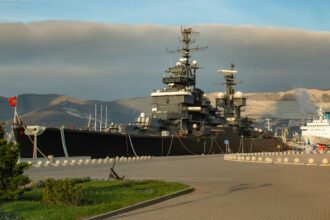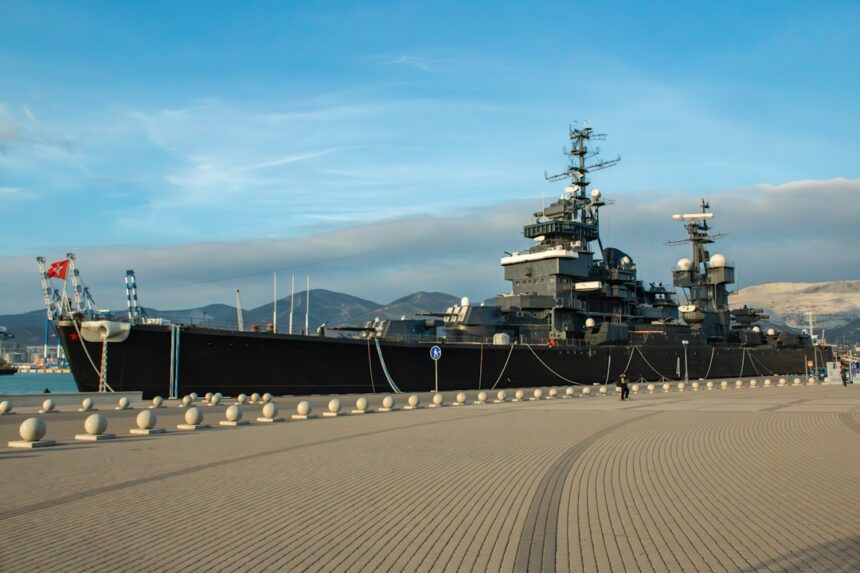
Naval electronic warfare systems constitute an essential element of contemporary maritime defense operations. These systems function to identify, interfere with, and counter hostile electronic systems, thereby protecting naval assets and maintaining operational effectiveness. The increasing sophistication of modern warfare has led to a corresponding expansion in the importance of electronic warfare capabilities.
Control over the electromagnetic spectrum has become a fundamental requirement for naval dominance, enabling forces to achieve tactical advantages in both attack and defense scenarios. The incorporation of advanced technologies into naval electronic warfare platforms has fundamentally altered naval operational methods. These systems include multiple functions such as radar interference, signals intelligence collection, and electronic protective measures.
Through the deployment of these technologies, naval forces can defend their platforms against diverse threats, including guided missiles, unmanned aerial vehicles, and enemy electronic warfare systems. Given the substantial investments nations are making in naval modernization programs, the development of comprehensive electronic warfare capabilities has become a strategic priority.
Key Takeaways
- Naval electronic warfare systems have evolved significantly to address modern threats and enhance naval operational capabilities.
- Advanced sensors and detection technologies play a critical role in identifying and countering electronic threats at sea.
- Integration of electronic warfare systems with naval platforms improves real-time response and overall mission effectiveness.
- Artificial intelligence and machine learning are increasingly vital in automating threat detection and decision-making processes.
- International collaboration is essential for developing innovative solutions and maintaining strategic advantages in naval electronic warfare.
Evolution of Naval Electronic Warfare Technology
The evolution of naval electronic warfare technology can be traced back to the early 20th century when the first rudimentary forms of radar were developed. Initially used for navigation and weather detection, radar technology quickly found its application in military contexts during World War
In the decades following World War II, the Cold War era saw a significant escalation in the development of electronic warfare technologies. Both NATO and Warsaw Pact nations invested heavily in research and development, resulting in a plethora of innovations. The introduction of digital signal processing in the 1980s marked a turning point, enabling more precise and effective jamming techniques.
This period also witnessed the emergence of integrated electronic warfare systems that could operate seamlessly across various platforms, enhancing situational awareness and operational effectiveness for naval forces.
Modern Threats and Challenges in Naval Electronic Warfare

In today’s geopolitical landscape, naval forces face an array of modern threats that challenge their electronic warfare capabilities. The proliferation of advanced missile systems, unmanned aerial vehicles (UAVs), and cyber warfare tactics has necessitated a reevaluation of existing EW strategies. Adversaries are increasingly employing sophisticated technologies that can evade traditional detection methods, making it imperative for naval forces to adapt and innovate continuously.
Moreover, the rise of hybrid warfare tactics complicates the operational environment for naval forces.
This multifaceted approach requires naval electronic warfare systems to be versatile and capable of addressing a wide range of threats simultaneously.
As such, the challenges faced by modern naval forces in the realm of electronic warfare are not only technical but also strategic in nature.
Role of Electronic Warfare in Naval Operations
Electronic warfare plays a pivotal role in enhancing the effectiveness of naval operations. By disrupting enemy communications and radar systems, EW capabilities can create opportunities for naval forces to execute their missions with greater efficiency and safety. The ability to control the electromagnetic spectrum allows commanders to shape the battlefield, providing a tactical advantage that can be decisive in combat scenarios.
Furthermore, electronic warfare is integral to intelligence gathering and situational awareness. By intercepting enemy signals and analyzing their communications, naval forces can gain valuable insights into adversary intentions and capabilities. This information is crucial for making informed decisions during operations and can significantly influence the outcome of engagements at sea.
As such, the role of electronic warfare extends beyond mere disruption; it is a fundamental aspect of modern naval strategy.
Advancements in Electronic Warfare Sensors and Detection Systems
| System Name | Type | Frequency Range (GHz) | Primary Function | Detection Range (km) | Jamming Power (kW) | Platform | Manufacturer |
|---|---|---|---|---|---|---|---|
| AN/SLQ-32(V)6 | Electronic Support Measures (ESM) / Electronic Attack (EA) | 0.5 – 18 | Radar warning, jamming, deception | 100+ | 10 | Surface Ships | Raytheon |
| Spectrum Agile Electronic Warfare System (SAEWS) | Electronic Attack | 2 – 18 | Radar jamming and deception | 80 | 15 | Destroyers, Frigates | BAE Systems |
| EL/M-2221 | Electronic Support Measures (ESM) | 0.5 – 40 | Signal detection and analysis | 120 | 0 | Corvettes, Frigates | Elta Systems |
| NGJ (Next Generation Jammer) | Electronic Attack | 6 – 18 | Advanced radar jamming | 150 | 20 | Carrier-based aircraft | Northrop Grumman |
| SLQ-25 Nixie | Decoy System | 0.5 – 2 | Torpedo countermeasure | 1 | 0 | Surface Ships | Ultra Electronics |
Recent advancements in electronic warfare sensors and detection systems have revolutionized how naval forces operate in contested environments. Modern sensors are equipped with enhanced capabilities that allow for real-time data collection and analysis, enabling operators to respond swiftly to emerging threats. These sensors can detect a wide range of signals across various frequencies, providing comprehensive situational awareness that is essential for effective decision-making.
Additionally, advancements in miniaturization and integration have led to the development of more compact and versatile EW systems. These systems can be deployed on various platforms, including surface ships, submarines, and aircraft, ensuring that naval forces maintain a robust electronic warfare capability across all domains. The ability to share data between different platforms enhances coordination and effectiveness during joint operations, further solidifying the importance of advanced sensors in modern naval electronic warfare.
Development of Electronic Warfare Countermeasures
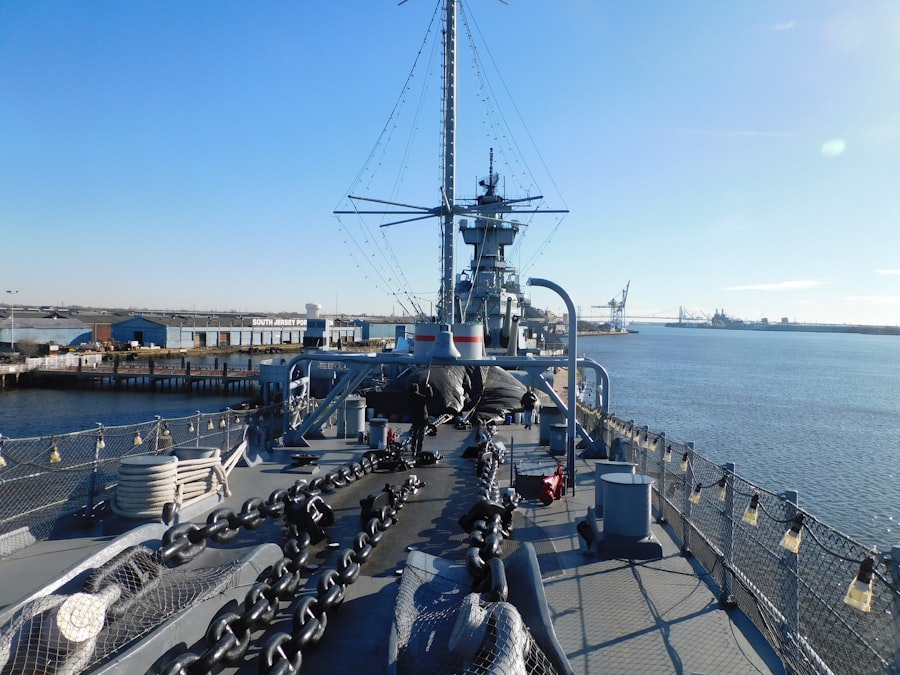
The development of effective electronic warfare countermeasures is crucial for maintaining a competitive edge in naval operations. As adversaries continue to enhance their electronic capabilities, naval forces must develop countermeasures that can effectively neutralize these threats. This includes not only jamming techniques but also advanced deception methods that can mislead enemy sensors and disrupt their targeting processes.
Moreover, the integration of artificial intelligence (AI) into electronic warfare countermeasures has opened new avenues for innovation. AI algorithms can analyze vast amounts of data in real time, allowing for adaptive responses to evolving threats. This capability enables naval forces to stay one step ahead of adversaries by anticipating their actions and countering them effectively.
As technology continues to advance, the development of sophisticated countermeasures will remain a top priority for naval forces worldwide.
Integration of Electronic Warfare Systems with Naval Platforms
The successful integration of electronic warfare systems with naval platforms is essential for maximizing operational effectiveness. Modern naval vessels are increasingly equipped with integrated EW systems that allow for seamless communication between various components. This integration enhances situational awareness and enables commanders to make informed decisions based on real-time data from multiple sources.
Furthermore, interoperability between different platforms is critical for joint operations involving multiple branches of the military or allied forces. The ability to share information and coordinate actions across various platforms enhances overall mission success and ensures that naval forces can respond effectively to emerging threats. As nations continue to invest in advanced EW technologies, the integration of these systems will play a vital role in shaping future naval operations.
Future Trends and Technologies in Naval Electronic Warfare
Looking ahead, several trends are likely to shape the future landscape of naval electronic warfare. One significant trend is the increasing reliance on autonomous systems for EW operations. Unmanned vehicles equipped with advanced sensors and jamming capabilities can operate in high-risk environments without putting personnel at risk.
This shift towards automation will likely enhance operational flexibility and reduce response times during critical missions. Additionally, the continued advancement of quantum computing holds promise for revolutionizing electronic warfare capabilities. Quantum technologies could enable faster data processing and more sophisticated algorithms for signal analysis, leading to enhanced detection and countermeasure capabilities.
As these technologies mature, they will undoubtedly play a pivotal role in shaping the future of naval electronic warfare.
Impact of Artificial Intelligence and Machine Learning in Electronic Warfare
The impact of artificial intelligence (AI) and machine learning on electronic warfare cannot be overstated. These technologies have the potential to transform how naval forces approach EW operations by enabling more efficient data analysis and decision-making processes. AI algorithms can sift through vast amounts of signal data to identify patterns and anomalies that may indicate potential threats.
Moreover, machine learning can enhance the adaptability of electronic warfare systems by allowing them to learn from previous encounters and improve their responses over time. This capability is particularly valuable in dynamic operational environments where threats are constantly evolving.
International Collaboration and Cooperation in Naval Electronic Warfare
International collaboration is increasingly recognized as essential for addressing the complex challenges posed by modern electronic warfare threats. As adversaries develop sophisticated EW capabilities, nations must work together to share information, best practices, and technological advancements. Collaborative efforts can lead to enhanced interoperability between allied forces, ensuring that they can operate effectively together in joint missions.
Furthermore, joint exercises focused on electronic warfare can help build trust among allies while improving collective capabilities. By simulating real-world scenarios that involve EW tactics, participating nations can identify gaps in their strategies and develop solutions collaboratively. This spirit of cooperation is vital for maintaining a competitive edge against adversaries who may seek to exploit weaknesses in individual nations’ electronic warfare capabilities.
The Importance of Continued Innovation in Naval Electronic Warfare Systems
In conclusion, the importance of continued innovation in naval electronic warfare systems cannot be overstated. As technological advancements reshape the battlefield landscape, naval forces must remain agile and adaptive to effectively counter emerging threats. The evolution of EW technology has already transformed how naval operations are conducted; however, ongoing investment in research and development is essential for maintaining a competitive advantage.
The integration of advanced sensors, AI-driven algorithms, and collaborative efforts among nations will play a crucial role in shaping the future of naval electronic warfare. By prioritizing innovation and embracing new technologies, naval forces can ensure they are prepared to meet the challenges posed by an increasingly complex security environment. Ultimately, continued advancements in electronic warfare will be vital for safeguarding national interests and ensuring maritime security in an ever-changing world.
Electronic warfare naval combat systems are becoming increasingly vital in modern military operations, as they enhance situational awareness and disrupt enemy communications. For a deeper understanding of the strategic implications and technological advancements in this field, you can read a related article on this topic at