
Proprietary systems in military weapons constitute a fundamental component of contemporary defense infrastructure, representing the convergence of advanced technology, operational security, and strategic national objectives. These systems are developed and maintained by private defense contractors or government agencies, with exclusive ownership and control over the underlying technologies, software, and operational methodologies. Modern military forces increasingly depend on proprietary systems to maintain technological superiority and operational advantages over potential adversaries.
Beyond their immediate tactical applications, these systems reflect national defense priorities and the evolving requirements of modern military operations. The integration of proprietary systems has fundamentally altered military operational capabilities and strategic planning. Technological advancement has driven the evolution of warfare, requiring sophisticated weapon systems capable of performing across diverse operational environments and threat scenarios.
Proprietary military systems typically incorporate advanced technologies including artificial intelligence, precision guidance systems, encrypted communications, and specialized materials that provide distinct operational advantages. As military operations become increasingly complex and technology-dependent, specialized proprietary systems offer critical capabilities that standard or commercially available technologies cannot provide.
Key Takeaways
- Proprietary systems are specialized technologies developed exclusively for military weapons, enhancing their effectiveness and security.
- These systems have evolved alongside military technology, playing a crucial role in maintaining technological superiority.
- While proprietary systems offer advantages like enhanced security and performance, they also present challenges such as high costs and limited interoperability.
- Innovation and research are vital for advancing proprietary systems, ensuring they meet modern military needs and adapt to emerging threats.
- The future of military weapons heavily relies on proprietary systems, with trends focusing on increased integration, automation, and ethical considerations.
The Evolution of Military Technology
The evolution of military technology has been a continuous journey marked by significant milestones that have redefined warfare. From the invention of gunpowder to the development of nuclear weapons, each technological advancement has brought about profound changes in military tactics and strategies. The 20th century witnessed an unprecedented acceleration in technological innovation, particularly during and after the World Wars.
The introduction of radar, jet engines, and advanced communication systems revolutionized how wars were fought and won. As nations recognized the importance of technological superiority, investments in research and development surged, leading to the emergence of proprietary systems. In recent decades, the advent of digital technology has further transformed military capabilities.
The integration of artificial intelligence, robotics, and cyber warfare into military arsenals has created new paradigms for engagement. Proprietary systems have become essential in this context, as they often leverage advanced algorithms and data analytics to enhance decision-making processes on the battlefield. The evolution of military technology is not merely about creating more powerful weapons; it is about developing systems that can operate seamlessly within complex environments.
This ongoing transformation underscores the necessity for proprietary systems that can adapt to rapidly changing threats and operational demands.
The Importance of Proprietary Systems in Military Weapons
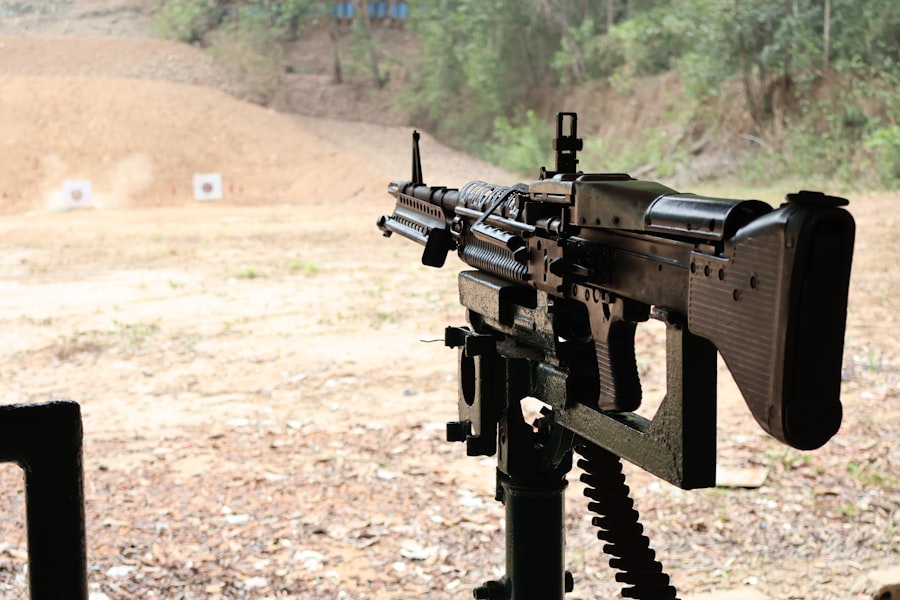
Proprietary systems play a pivotal role in ensuring that military forces remain effective and responsive to emerging threats. These systems are designed to provide unique capabilities that are not readily available through off-the-shelf solutions.
This customization is particularly crucial in an era where asymmetric warfare and hybrid threats are prevalent, necessitating a flexible approach to defense. Moreover, proprietary systems contribute to national security by safeguarding sensitive technologies from potential adversaries. By maintaining control over critical military capabilities, nations can prevent unauthorized access and ensure that their strategic advantages are preserved.
This aspect of proprietary systems is particularly relevant in an age where espionage and cyber threats are rampant. The ability to protect proprietary technologies not only enhances military readiness but also reinforces a nation’s deterrent posture against potential aggressors. Thus, the importance of proprietary systems extends beyond their immediate operational benefits; they are integral to maintaining a nation’s sovereignty and security.
Advantages and Disadvantages of Proprietary Systems
The advantages of proprietary systems in military weapons are manifold. One of the most significant benefits is the ability to develop highly specialized technologies that cater to specific operational needs. This customization allows armed forces to deploy systems that are optimized for particular missions, enhancing their effectiveness on the battlefield.
Additionally, proprietary systems often come with robust support and maintenance frameworks provided by their developers, ensuring that military personnel can operate these technologies efficiently. However, there are also notable disadvantages associated with proprietary systems. One major concern is the potential for high costs associated with research, development, and procurement.
The exclusive nature of proprietary technologies can lead to monopolistic practices, driving up prices and limiting competition within the defense sector. Furthermore, reliance on proprietary systems may create vulnerabilities if a nation becomes overly dependent on a single supplier or technology provider. This dependency can hinder flexibility and adaptability in response to evolving threats or changes in the geopolitical landscape.
Recent Developments in Proprietary Systems for Military Weapons
| Proprietary System | Weapon Type | Country of Origin | Key Feature | Deployment Year | Operational Range |
|---|---|---|---|---|---|
| Aegis Combat System | Naval Missile Defense | USA | Integrated radar and missile guidance | 1983 | Over 100 nautical miles |
| S-400 Triumf | Surface-to-Air Missile | Russia | Multi-target tracking and engagement | 2007 | Up to 400 km |
| Iron Dome | Short-range Air Defense | Israel | Intercepts rockets and artillery shells | 2011 | 4-70 km |
| Patriot Missile System | Surface-to-Air Missile | USA | Advanced radar and missile interception | 1984 | Up to 160 km |
| Barak 8 | Surface-to-Air Missile | India/Israel | Long-range air and missile defense | 2015 | Up to 100 km |
Recent developments in proprietary systems for military weapons have been characterized by rapid advancements in technology and an increasing focus on integration across various platforms. The rise of unmanned aerial vehicles (UAVs), advanced missile systems, and cyber warfare capabilities exemplifies this trend. Companies specializing in defense technology have been at the forefront of these innovations, developing systems that leverage artificial intelligence and machine learning to enhance operational efficiency.
Moreover, recent geopolitical tensions have spurred nations to accelerate their investments in proprietary systems. Countries are increasingly prioritizing research and development initiatives aimed at creating next-generation weaponry that can counter emerging threats. This has led to collaborations between governments and private sector firms, fostering an environment where innovation thrives.
As a result, proprietary systems are becoming more sophisticated, incorporating features such as enhanced situational awareness, autonomous capabilities, and improved interoperability with allied forces.
The Role of Innovation and Research in Proprietary Systems

Innovation and research are fundamental components driving the development of proprietary systems in military weapons. The defense industry is characterized by its need for continuous improvement and adaptation to new challenges. Research institutions and private companies invest heavily in exploring cutting-edge technologies that can be integrated into military applications.
This collaborative effort between academia, industry, and government entities fosters an ecosystem where innovative ideas can flourish. The role of innovation extends beyond mere technological advancements; it encompasses new approaches to problem-solving and strategic thinking within military contexts. Proprietary systems often emerge from a culture of experimentation and risk-taking, where unconventional ideas are explored and tested.
This dynamic environment encourages the development of solutions that can address complex challenges faced by armed forces today. As nations seek to maintain their competitive edge, fostering a culture of innovation becomes essential for ensuring that proprietary systems remain at the forefront of military capabilities.
How Proprietary Systems Enhance Military Capabilities
Proprietary systems significantly enhance military capabilities by providing advanced tools that improve operational effectiveness and decision-making processes. These systems often incorporate state-of-the-art technologies that enable armed forces to conduct missions with greater precision and efficiency. For instance, advanced targeting systems can enhance strike accuracy while minimizing collateral damage, thereby increasing mission success rates.
Furthermore, proprietary systems facilitate improved communication and coordination among different branches of the military. Integrated platforms allow for real-time data sharing and situational awareness, enabling commanders to make informed decisions swiftly. This interconnectedness is crucial in modern warfare, where rapid response times can determine the outcome of engagements.
By enhancing situational awareness and operational coordination, proprietary systems empower military forces to respond effectively to dynamic threats on the battlefield.
The Impact of Proprietary Systems on National Security
The impact of proprietary systems on national security is profound and multifaceted. By developing exclusive technologies that enhance military capabilities, nations can bolster their defense postures against potential adversaries. Proprietary systems serve as a deterrent by showcasing a nation’s commitment to maintaining a technologically advanced military force capable of responding to threats effectively.
Moreover, proprietary systems contribute to international stability by fostering alliances among nations with shared security interests. Collaborative efforts in developing advanced military technologies can strengthen partnerships between countries, enhancing collective security arrangements. However, this reliance on proprietary systems also raises concerns about arms races and technological proliferation among rival states.
As nations compete for superiority in military capabilities, the implications for global security dynamics become increasingly complex.
Challenges and Ethical Considerations in the Use of Proprietary Systems
The use of proprietary systems in military weapons raises several challenges and ethical considerations that warrant careful examination. One significant challenge is ensuring accountability for actions taken using these advanced technologies. As militaries increasingly rely on autonomous systems and artificial intelligence for decision-making processes, questions arise regarding responsibility for outcomes—especially in cases where civilian casualties occur.
Additionally, ethical concerns surrounding privacy and surveillance emerge as proprietary systems become more integrated into military operations. The use of advanced surveillance technologies raises questions about civil liberties and human rights violations, particularly when deployed in conflict zones or areas with significant civilian populations. Striking a balance between national security interests and ethical considerations is essential for maintaining public trust in military operations.
Future Trends in Proprietary Systems for Military Weapons
Looking ahead, several trends are likely to shape the future landscape of proprietary systems in military weapons. One prominent trend is the increasing integration of artificial intelligence across various platforms. As AI technologies continue to advance, they will play a crucial role in enhancing decision-making processes, automating tasks, and improving operational efficiency within military contexts.
Another trend is the growing emphasis on cybersecurity measures within proprietary systems. As reliance on digital technologies increases, safeguarding sensitive information from cyber threats becomes paramount. Future developments will likely focus on creating resilient systems capable of withstanding cyberattacks while maintaining operational integrity.
The Continued Significance of Proprietary Systems in Military Weapons
In conclusion, proprietary systems remain a cornerstone of modern military capabilities, reflecting the intricate relationship between technology and national security. Their evolution has been marked by significant advancements that have transformed warfare dynamics while presenting both opportunities and challenges for armed forces worldwide. As nations continue to invest in research and development initiatives aimed at enhancing their defense postures, the importance of proprietary systems will only grow.
The future landscape will undoubtedly be shaped by ongoing innovations that redefine how militaries operate in an increasingly complex world. Balancing technological advancements with ethical considerations will be essential for ensuring that proprietary systems contribute positively to global security dynamics while safeguarding fundamental rights and values. Ultimately, the continued significance of proprietary systems in military weapons underscores their role as vital instruments for maintaining peace and stability in an ever-evolving geopolitical landscape.
Proprietary systems in military weapons have become a focal point of discussion, particularly regarding their implications for national security and defense strategies. A related article that delves into this topic can be found at this link, where it explores the advantages and challenges posed by the reliance on proprietary technologies in modern warfare.
FAQs
What are proprietary systems in military weapons?
Proprietary systems in military weapons refer to technologies, components, or software that are owned and controlled by a specific company or organization. These systems are typically protected by patents, copyrights, or trade secrets, and their design and use are restricted to authorized users.
Why do militaries use proprietary systems in their weapons?
Militaries use proprietary systems to ensure advanced capabilities, maintain security, and protect sensitive technology. Proprietary systems can offer unique features or performance advantages that are not available in open or commercial alternatives, helping to maintain a strategic edge.
What are the advantages of proprietary systems in military weapons?
Advantages include enhanced security through controlled access, optimized performance tailored to specific military needs, and protection of intellectual property. Proprietary systems can also facilitate better integration with other classified or specialized military technologies.
Are there any disadvantages to using proprietary systems in military weapons?
Disadvantages may include higher costs due to limited suppliers, potential difficulties in interoperability with allied forces using different systems, and challenges in maintenance or upgrades if the original manufacturer discontinues support.
How do proprietary systems affect interoperability in joint military operations?
Proprietary systems can complicate interoperability because they may not be compatible with systems used by allied forces. This can require additional efforts to develop interfaces or adapters, or may limit the ability to share data and coordinate effectively during joint operations.
Can proprietary military weapon systems be reverse-engineered by adversaries?
While proprietary systems are designed to be secure, determined adversaries may attempt reverse engineering through captured equipment or cyber espionage. However, militaries often implement multiple layers of security and encryption to protect proprietary technologies from unauthorized access.
Do proprietary systems limit the ability to upgrade or modify military weapons?
Yes, proprietary systems can limit upgrades or modifications because changes often require approval or support from the original manufacturer. This can slow down modernization efforts or increase costs if custom development is needed.
How do governments regulate the use of proprietary systems in military weapons?
Governments regulate proprietary systems through export controls, security clearances, and procurement policies to ensure that sensitive technologies do not fall into unauthorized hands and that they comply with national security requirements.
Are proprietary systems used only in weapons, or also in other military equipment?
Proprietary systems are used across a wide range of military equipment, including communication devices, surveillance systems, vehicles, and command and control platforms, not just in weapons.
Can proprietary systems be replaced by open-source alternatives in military weapons?
While open-source alternatives exist, militaries often prefer proprietary systems for critical applications due to concerns about security, reliability, and support. However, some non-critical systems may adopt open-source solutions to reduce costs and increase flexibility.