
Loyal Wingman formation flying represents a significant evolution in military aviation, merging traditional piloted aircraft with advanced drone technology. This innovative approach allows for a new paradigm in aerial combat and reconnaissance, where unmanned aerial vehicles (UAVs) operate alongside manned aircraft in a coordinated manner. The concept of Loyal Wingman is not merely about deploying drones; it embodies a strategic shift in how air forces can leverage technology to enhance operational effectiveness while minimizing risk to human pilots.
The Loyal Wingman system is designed to augment the capabilities of existing air fleets, providing a versatile and adaptable solution to modern warfare challenges. By utilizing drones that can autonomously follow and support manned aircraft, military forces can extend their reach and operational capabilities. This formation flying not only enhances the tactical flexibility of air missions but also allows for a more efficient allocation of resources, enabling pilots to focus on complex decision-making while drones handle more routine tasks.
Key Takeaways
- Loyal Wingman formation flying enhances military drone operations through coordinated autonomous flight.
- Advanced AI and machine learning improve navigation, communication, and situational awareness.
- Collaborative drone formations boost decision-making and operational efficiency in complex environments.
- Challenges include technical limitations, ethical concerns, and legal implications of autonomous systems.
- Future developments promise expanded applications and greater integration of AI in military drone technology.
The Role of Drones in Military Operations
Drones have become indispensable assets in contemporary military operations, serving various roles from surveillance and reconnaissance to direct combat support. Their ability to operate in environments that may be too dangerous for human pilots has revolutionized how military forces conduct missions. Drones can gather intelligence, monitor enemy movements, and even engage targets with precision, all while reducing the risk to personnel.
This versatility makes them a critical component of modern military strategy. Moreover, the integration of drones into military operations has led to significant advancements in tactics and strategies. For instance, drones can be deployed for real-time intelligence gathering, providing commanders with up-to-date information that can influence the course of an operation.
Their ability to remain airborne for extended periods allows for continuous monitoring of areas of interest, which is invaluable in both offensive and defensive operations. As technology continues to evolve, the role of drones is expected to expand further, incorporating more sophisticated capabilities that enhance their effectiveness on the battlefield.
Advancements in Autonomous Navigation Systems
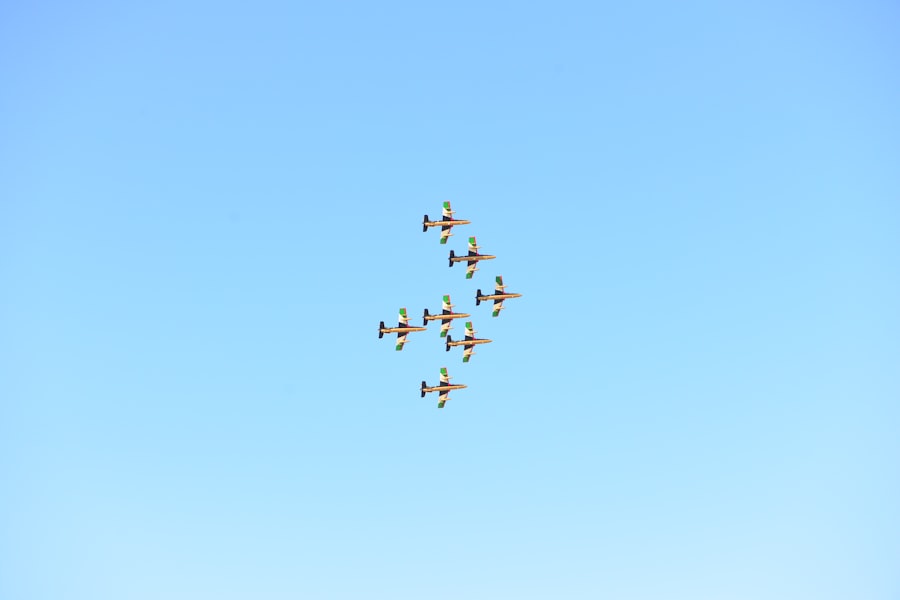
The development of autonomous navigation systems has been a game-changer for drone technology, particularly in the context of Loyal Wingman formation flying. These systems enable drones to navigate complex environments without direct human intervention, relying on advanced algorithms and sensor data to make real-time decisions. This autonomy is crucial for maintaining formation with manned aircraft while adapting to dynamic battlefield conditions.
Recent advancements in sensor technology, including LiDAR and computer vision, have significantly improved the ability of drones to perceive their surroundings. These sensors allow drones to detect obstacles, assess terrain, and identify other aircraft, facilitating safe and efficient navigation. As these technologies continue to mature, the potential for fully autonomous flight operations becomes increasingly feasible, paving the way for more sophisticated Loyal Wingman formations that can operate seamlessly alongside human pilots.
Collaborative Communication and Coordination
Effective communication and coordination between manned aircraft and drones are essential for the success of Loyal Wingman formation flying. Advanced communication systems enable real-time data sharing between pilots and their UAV counterparts, ensuring that both parties are aware of each other’s positions and intentions. This collaborative approach enhances situational awareness and allows for more coordinated responses to emerging threats.
The integration of secure communication channels is vital for maintaining operational security during missions. By employing encrypted communication protocols, military forces can safeguard sensitive information from adversaries while ensuring that drones can receive commands and relay data without interference.
Enhanced Situational Awareness and Decision-Making
| Metric | Description | Typical Value / Range | Unit |
|---|---|---|---|
| Formation Distance | Distance maintained between the loyal wingman drone and the manned aircraft | 50 – 200 | meters |
| Communication Latency | Time delay in data exchange between drones and manned aircraft | 5 – 20 | milliseconds |
| Autonomy Level | Degree of independent operation by the drone without human intervention | Level 3 – Level 5 | SAE Autonomy Scale |
| Flight Duration | Maximum continuous flight time of the loyal wingman drone | 2 – 6 | hours |
| Payload Capacity | Weight of sensors, weapons, or equipment carried by the drone | 100 – 500 | kilograms |
| Speed | Maximum operational speed of the loyal wingman drone | 600 – 900 | km/h |
| Formation Accuracy | Positional accuracy maintained within the formation | ±1 – ±3 | meters |
| Number of Drones per Formation | Typical number of loyal wingman drones operating in a single formation | 2 – 4 | units |
| Sensor Fusion Latency | Delay in integrating sensor data from multiple drones and aircraft | 10 – 30 | milliseconds |
| Operational Altitude | Typical altitude range for formation flying | 5,000 – 15,000 | meters |
One of the most significant advantages of Loyal Wingman formation flying is the enhanced situational awareness it provides to pilots. By leveraging data from drones operating in close proximity, pilots gain access to a wealth of information that can inform their decision-making processes. This real-time data stream allows for a more comprehensive understanding of the battlefield environment, enabling pilots to make informed choices under pressure.
Furthermore, the ability of drones to perform reconnaissance and surveillance tasks frees up pilots to focus on strategic decision-making rather than being bogged down by routine monitoring duties. This shift not only improves operational efficiency but also enhances safety by allowing pilots to concentrate on navigating complex combat scenarios. As military operations become increasingly multifaceted, the importance of situational awareness cannot be overstated; Loyal Wingman formations are poised to play a crucial role in achieving this objective.
Integration of Artificial Intelligence and Machine Learning

The integration of artificial intelligence (AI) and machine learning (ML) into Loyal Wingman formation flying represents a significant leap forward in drone capabilities. AI algorithms can analyze vast amounts of data from various sources, enabling drones to make autonomous decisions based on real-time conditions. This capability is particularly valuable in combat situations where rapid decision-making is essential for mission success.
Machine learning enhances the adaptability of drones by allowing them to learn from past experiences and improve their performance over time. For instance, through exposure to different flight scenarios and environmental conditions, drones can refine their navigation strategies and optimize their responses to threats. As AI and ML technologies continue to evolve, they will further empower Loyal Wingman formations, enabling drones to operate with greater autonomy and effectiveness alongside human pilots.
Benefits of Loyal Wingman Formation Flying
The benefits of Loyal Wingman formation flying extend beyond mere operational efficiency; they encompass a range of strategic advantages that enhance overall military effectiveness. One primary benefit is the increased safety for human pilots. By deploying drones as protective wingmen, air forces can reduce the risk associated with high-stakes missions, allowing pilots to engage in operations with greater confidence.
Additionally, Loyal Wingman formations enable a more effective use of resources. Drones can be deployed in various roles—such as reconnaissance, electronic warfare, or even direct attack—allowing for a more versatile approach to mission planning. This flexibility not only maximizes the utility of available assets but also allows military forces to adapt quickly to changing battlefield dynamics.
Ultimately, the integration of Loyal Wingman formations into military operations represents a forward-thinking strategy that aligns with the evolving nature of warfare.
Challenges and Limitations of the Technology
Despite the numerous advantages associated with Loyal Wingman formation flying, several challenges and limitations must be addressed for its successful implementation. One significant concern is the reliability of autonomous systems in unpredictable environments. While advancements in technology have improved drone capabilities, there remains a risk that unforeseen circumstances could compromise their performance during critical missions.
Moreover, the integration of drones into existing military frameworks poses logistical challenges. Ensuring seamless communication between manned aircraft and UAVs requires robust infrastructure and training programs for personnel. Additionally, there are concerns regarding cybersecurity; as reliance on digital systems increases, so does vulnerability to hacking or electronic warfare tactics employed by adversaries.
Addressing these challenges will be crucial for maximizing the potential of Loyal Wingman formation flying.
Future Applications and Potential Developments
The future applications of Loyal Wingman formation flying are vast and varied, extending beyond traditional military operations into areas such as disaster response and humanitarian aid. As drone technology continues to advance, there is potential for these systems to be utilized in search-and-rescue missions or environmental monitoring efforts. The adaptability of Loyal Wingman formations could enable rapid deployment in response to natural disasters or crises, providing critical support where it is needed most.
Furthermore, ongoing research into advanced materials and propulsion systems may lead to the development of even more capable drones that can operate in diverse environments. Innovations such as hybrid propulsion systems or enhanced battery technologies could extend flight times and increase payload capacities, further expanding the operational scope of Loyal Wingman formations. As these developments unfold, they will likely reshape not only military strategies but also broader applications across various sectors.
Ethical and Legal Implications of Loyal Wingman Formation Flying
The rise of Loyal Wingman formation flying brings forth important ethical and legal considerations that must be addressed as this technology becomes more prevalent. The use of autonomous drones raises questions about accountability in combat situations—specifically regarding who is responsible for decisions made by AI systems during military operations. Establishing clear guidelines for accountability will be essential in ensuring ethical standards are upheld.
Additionally, there are concerns about the potential for misuse or escalation of conflict through the deployment of autonomous systems. The ability for drones to operate independently could lead to unintended consequences if not properly regulated. International laws governing warfare may need to evolve to address these new technologies adequately, ensuring that ethical considerations remain at the forefront as military forces adopt Loyal Wingman formations.
The Impact of Loyal Wingman Formation Flying on Drone Technology
Loyal Wingman formation flying represents a transformative advancement in drone technology with far-reaching implications for military operations and beyond. By integrating autonomous systems with manned aircraft, this innovative approach enhances operational efficiency while prioritizing pilot safety. The benefits derived from improved situational awareness, collaborative communication, and advanced AI capabilities position Loyal Wingman formations as a cornerstone of future military strategy.
As technology continues to evolve, so too will the applications and implications of Loyal Wingman formation flying. While challenges remain—particularly concerning ethical considerations and operational reliability—the potential for this technology to reshape modern warfare is undeniable. As military forces around the world explore these advancements, they will undoubtedly influence not only how conflicts are conducted but also how societies respond to emerging threats in an increasingly complex global landscape.
Recent advancements in drone technology have paved the way for innovative applications in military operations, particularly in the realm of loyal wingman formation flying. This concept involves unmanned aerial vehicles (UAVs) working in tandem with manned aircraft to enhance combat effectiveness and situational awareness.