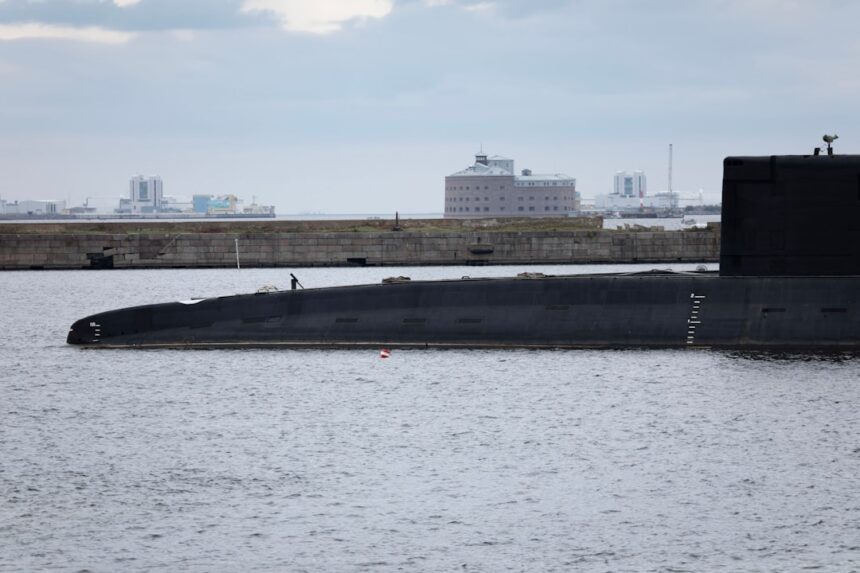
The Cold War period from the late 1940s to early 1990s was defined by sustained geopolitical rivalry between the United States and Soviet Union. During this era, both nations prioritized submarine development as a critical element of naval strategy, utilizing these vessels for nuclear deterrence and strategic operations. The technological progress achieved in submarine design and capabilities fundamentally altered naval warfare doctrine and influenced global military balance.
Cold War submarine development was driven by requirements for enhanced stealth capabilities, extended operational range, and advanced weapons systems. The United States and Soviet Union allocated substantial resources to submarine research programs, resulting in technological breakthroughs that established the foundation for contemporary underwater warfare. Competition between the superpowers produced successive generations of submarines with improved acoustic signatures, propulsion systems, and sensor technologies, establishing submarines as essential strategic assets for both naval forces.
Key Takeaways
- Nuclear-powered submarines revolutionized underwater endurance and strategic capabilities during the Cold War.
- Advances in sonar and detection systems significantly improved submarine stealth and threat detection.
- Communication and navigation technologies evolved to enhance coordination and operational precision underwater.
- Innovations in propulsion and stealth technologies made submarines harder to detect and more efficient.
- Cold War submarine advancements had a lasting impact on naval warfare and continue to influence future submarine designs.
Development of Nuclear-Powered Submarines
The introduction of nuclear-powered submarines marked a revolutionary shift in naval capabilities. Prior to this development, submarines were primarily diesel-electric vessels with limited range and endurance. The advent of nuclear propulsion allowed submarines to operate submerged for extended periods without the need to surface for air, fundamentally changing their operational scope.
The United States launched its first nuclear-powered submarine, the USS Nautilus, in 1954, setting a new standard for underwater warfare. Nuclear-powered submarines offered several strategic advantages. Their ability to remain submerged for months at a time enabled them to conduct covert operations and evade detection.
The development of ballistic missile submarines (SSBNs) further enhanced this deterrent capability, allowing for second-strike options in the event of a nuclear conflict.
Advancements in Sonar and Detection Systems
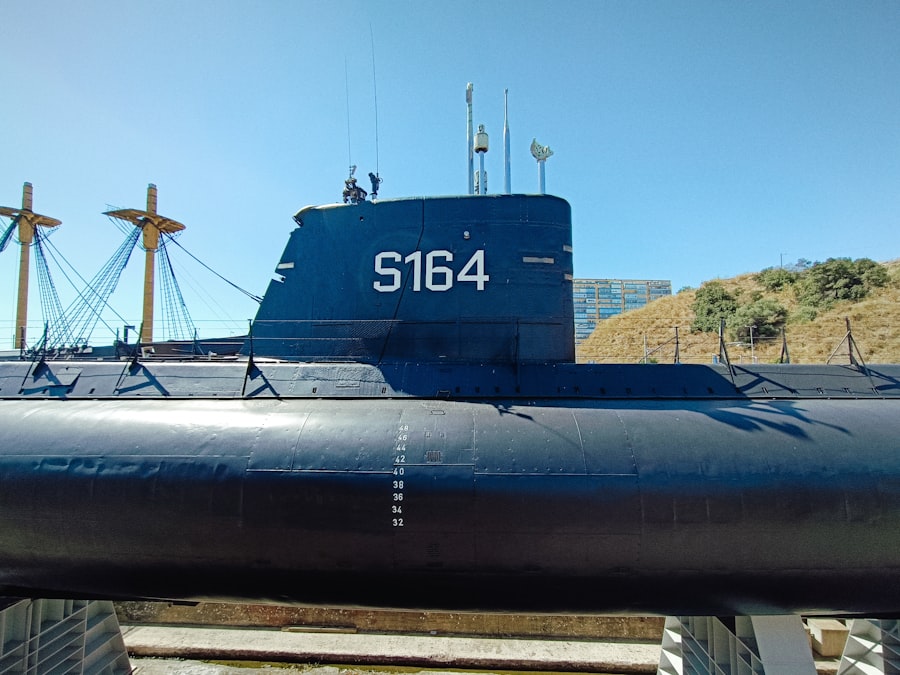
As submarine technology evolved, so too did the systems designed to detect and track these elusive vessels. Sonar technology underwent significant advancements during the Cold War, with both active and passive systems being developed to enhance underwater surveillance. Active sonar systems emitted sound waves and analyzed their echoes to identify objects in the water, while passive sonar relied on listening for sounds generated by submarines and other vessels.
The competition between the United States and the Soviet Union spurred innovation in sonar technology, leading to the development of more sophisticated systems capable of detecting submarines at greater distances and depths. These advancements included improved signal processing algorithms and the integration of advanced materials that enhanced sonar performance. As a result, navies around the world became increasingly adept at tracking enemy submarines, leading to a continuous cat-and-mouse game beneath the waves.
Evolution of Submarine Communication Technology
Effective communication is vital for coordinating submarine operations, especially in a time of heightened tension like the Cold War. The evolution of submarine communication technology was marked by significant strides in secure and reliable methods of transmitting information while submerged. Early communication systems relied on radio waves, which were limited by the need for submarines to surface or use periscopes.
To address these limitations, navies developed more advanced communication technologies, including low-frequency radio waves and buoyant antenna systems that allowed submarines to maintain contact with command centers while remaining submerged. Additionally, advancements in satellite communication provided a new layer of connectivity, enabling real-time data exchange and enhancing situational awareness.
Innovations in Submarine Propulsion Systems
| Metric | US Submarine Technology | Soviet Submarine Technology | Notes |
|---|---|---|---|
| Maximum Submerged Speed | Up to 33 knots (e.g., USS Skipjack) | Up to 35 knots (e.g., Alfa class) | Soviet Alfa class was among the fastest nuclear subs |
| Operational Depth | Approx. 400 meters (e.g., Los Angeles class) | Approx. 400-500 meters (e.g., Victor III class) | Both navies improved hull strength for deeper operations |
| Propulsion Type | Nuclear-powered reactors (S5W, S6G) | Nuclear-powered reactors (VM-4, OK-650) | Nuclear propulsion allowed extended submerged endurance |
| Stealth Technology | Sound-isolating mounts, anechoic tiles | Anechoic tiles, pump-jet propulsors | Both sides invested heavily in noise reduction |
| Missile Systems | Polaris, Poseidon, Trident I SLBMs | R-29, RSM-54 SLBMs | Submarine-launched ballistic missiles were key deterrents |
| Sonar Systems | BQQ-5, BQQ-10 series | MGK-400 series | Advanced sonar improved detection and tracking |
| Number of Submarines | Approx. 200 nuclear subs at peak | Approx. 250 nuclear subs at peak | Soviets maintained larger submarine fleet |
The propulsion systems of submarines underwent significant innovations during the Cold War, driven by the need for greater speed, efficiency, and stealth. While nuclear propulsion became the standard for many modern submarines, advancements in conventional propulsion systems also played a crucial role in enhancing submarine capabilities. The development of advanced diesel-electric engines allowed for quieter operations and improved fuel efficiency.
Moreover, research into alternative propulsion technologies, such as air-independent propulsion (AIP) systems, provided submarines with extended underwater endurance without surfacing. AIP systems utilize various methods, including fuel cells and Stirling engines, to generate power while submerged. These innovations allowed non-nuclear submarines to operate effectively in contested environments, further complicating anti-submarine warfare efforts.
Improvements in Submarine Stealth and Camouflage
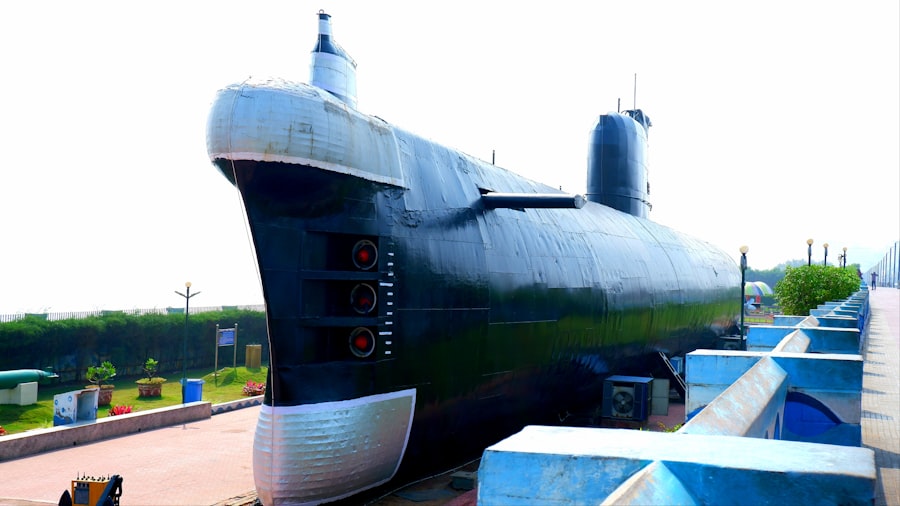
Stealth has always been a critical factor in submarine design and operation. During the Cold War, both superpowers recognized that reducing a submarine’s acoustic signature was essential for evading detection by enemy sonar systems. Innovations in hull design, materials, and noise reduction technologies contributed to significant improvements in submarine stealth capabilities.
The use of anechoic coatings—specialized materials designed to absorb sound—became commonplace in submarine construction. These coatings helped minimize noise generated by machinery and water flow over the hull, making it more challenging for adversaries to detect submarines using sonar. Additionally, advances in hull shape and design further enhanced stealth characteristics, allowing submarines to operate more effectively in hostile environments.
Enhancement of Submarine Weaponry
The Cold War era also witnessed significant advancements in submarine weaponry, transforming these vessels into potent platforms for delivering devastating strikes against enemy targets. The development of submarine-launched ballistic missiles (SLBMs) provided a strategic deterrent capability that complemented land-based missile systems. These missiles could be launched from submerged positions, making them difficult to detect and intercept.
In addition to SLBMs, conventional torpedoes also saw significant improvements during this period. Advances in guidance systems, warhead technology, and propulsion mechanisms resulted in more accurate and lethal torpedoes capable of engaging a variety of targets. The integration of advanced targeting systems allowed submarines to engage enemy vessels with precision while minimizing collateral damage.
Progress in Submarine Navigation and Control Systems
Navigating underwater presents unique challenges due to the absence of visual references and the complexities of underwater topography. During the Cold War, significant progress was made in submarine navigation and control systems to enhance operational effectiveness. Inertial navigation systems (INS) became standard equipment on submarines, allowing them to determine their position without relying on external signals.
The integration of satellite navigation systems further revolutionized submarine navigation capabilities. By utilizing Global Positioning System (GPS) technology, submarines could achieve unprecedented accuracy in determining their location while operating near the surface. Additionally, advancements in automated control systems improved maneuverability and responsiveness, enabling submarines to execute complex maneuvers with greater ease.
Impact of Cold War Submarine Technology on Naval Warfare
The technological advancements made during the Cold War had a profound impact on naval warfare strategies and doctrines. Submarines emerged as key players in deterrence strategies, capable of launching nuclear strikes from concealed positions beneath the waves. This shift altered the balance of power between nations and influenced military planning on both sides.
The proliferation of advanced submarine technology also led to an arms race focused on anti-submarine warfare (ASW) capabilities. Navies invested heavily in developing sophisticated detection systems and weaponry designed to counter the growing threat posed by enemy submarines. This dynamic created a complex interplay between offensive and defensive strategies that defined naval engagements during this period.
Future Trends in Cold War Submarine Technology
While the Cold War officially ended in 1991, many of the technological advancements developed during this period continue to influence modern submarine design and capabilities. Future trends are likely to focus on further enhancing stealth technologies, integrating artificial intelligence for improved decision-making processes, and developing unmanned underwater vehicles (UUVs) for reconnaissance and combat roles. Additionally, as geopolitical tensions persist around the globe, navies are expected to continue investing in advanced submarine technologies that ensure they remain competitive in an evolving security landscape.
The lessons learned from Cold War submarine technology will undoubtedly shape future innovations as nations seek to maintain their strategic advantages beneath the waves.
Legacy and Significance of Cold War Submarine Advancements
The advancements made in submarine technology during the Cold War have left an indelible mark on naval warfare and military strategy. From nuclear propulsion to sophisticated weaponry and stealth capabilities, these innovations transformed submarines into formidable instruments of power projection and deterrence. The legacy of Cold War submarine technology continues to influence modern naval operations and strategic thinking.
As nations navigate an increasingly complex geopolitical landscape, the lessons learned from this era will remain relevant. The ongoing evolution of submarine technology reflects not only historical advancements but also the enduring importance of undersea warfare in contemporary military strategy. The significance of these developments extends beyond mere technological achievements; they represent a critical chapter in the history of international relations and military power dynamics that continues to resonate today.
Cold War submarine technology played a crucial role in the naval strategies of both the United States and the Soviet Union, leading to significant advancements in stealth and weaponry. For a deeper understanding of the implications of these technological developments, you can read more in this related article on submarine warfare strategies during the Cold War. Check it out here: Cold War Submarine Technology.
WATCH THIS 🛑 The Submarine Captain Who Said NO to Nuclear War
FAQs
What was the role of submarines during the Cold War?
Submarines played a critical role in the Cold War as strategic deterrents, intelligence-gathering platforms, and platforms for launching nuclear missiles. Both the United States and the Soviet Union developed advanced submarine fleets to maintain a second-strike capability and to monitor each other’s naval activities.
What types of submarines were prominent in Cold War technology?
The Cold War saw the development of nuclear-powered submarines (SSNs and SSBNs) and advanced diesel-electric submarines. Ballistic missile submarines (SSBNs) were particularly important for nuclear deterrence, while attack submarines (SSNs) were used for hunting enemy subs and surface ships.
How did nuclear propulsion impact submarine technology during the Cold War?
Nuclear propulsion allowed submarines to operate underwater for extended periods without surfacing, significantly increasing their stealth and endurance. This technology enabled submarines to travel faster and remain submerged for months, which was a major strategic advantage.
What advancements in sonar technology occurred during the Cold War?
Sonar technology advanced significantly, with improvements in passive and active sonar systems. These advancements enhanced the ability to detect and track enemy submarines at greater distances and with higher accuracy, which was crucial for anti-submarine warfare.
How did missile technology evolve on Cold War submarines?
Cold War submarines were equipped with increasingly sophisticated ballistic and cruise missiles. Submarine-launched ballistic missiles (SLBMs) became a key component of nuclear deterrence, capable of delivering nuclear warheads from underwater launch platforms.
What were some key differences between US and Soviet submarine technology during the Cold War?
US submarines generally emphasized quietness and advanced sonar capabilities, while Soviet submarines often focused on speed and missile firepower. Both sides continuously developed countermeasures and new technologies to gain an edge in underwater warfare.
Why was stealth important in Cold War submarine design?
Stealth was crucial because the primary mission of many Cold War submarines was to remain undetected while gathering intelligence or preparing to launch missiles. Reducing noise and minimizing sonar signatures helped submarines avoid detection by enemy forces.
What role did submarines play in intelligence gathering during the Cold War?
Submarines were used to monitor enemy naval movements, tap undersea communication cables, and gather electronic intelligence. Their ability to operate covertly made them valuable assets for espionage and surveillance missions.
How did Cold War submarine technology influence modern submarines?
Many technologies developed during the Cold War, such as nuclear propulsion, advanced sonar, and missile systems, laid the foundation for modern submarine design. Current submarines continue to build on these innovations to enhance stealth, endurance, and combat capabilities.
Were there any notable submarine incidents during the Cold War?
Yes, several incidents occurred, including collisions between submarines, sinkings, and espionage-related events. Notable examples include the loss of the Soviet submarine K-219 and the detection of US submarines by Soviet forces, which heightened tensions during the period.